
Selecting an effective car deodorant spray requires understanding how high temperatures alter chemical formulations. In tropical climates like Singapore, where parked vehicles endure intense equatorial sunlight, cabin temperatures can quickly escalate. Under these extreme thermal conditions, the carrier liquid of a deodorant spray plays a decisive role in how long the fragrance or neutralizing effect remains active. While some formulations dissipate within minutes of starting the engine, others are engineered to withstand prolonged heat exposure.
To achieve the longest-lasting freshness in hot weather, oil-based car deodorant sprays physically outperform water- and alcohol-based alternatives because their carrier liquids evaporate at a significantly slower rate under high thermal stress. However, true long-term freshness in a hot vehicle is not just about slow evaporation; it also depends on whether the spray contains active chemical or enzymatic odor neutralizers that destroy odor molecules rather than heavy perfumes that merely mask them. Balancing formulation chemistry with proper application is essential to keeping your cabin smelling clean without damaging sensitive interior surfaces.
How Tropical Heat and Humidity Affect Car Deodorant Sprays
When a vehicle is parked outdoors in Singapore, it acts as a greenhouse, trapping solar radiation through its glass windows. The thermal energy absorbed by the dark dashboard, steering wheel, and leather seats radiates back into the cabin, causing interior temperatures to soar far beyond the ambient outdoor temperature. In an open-air parking lot, cabin temperatures can easily exceed 50°C to 60°C. This extreme heat directly impacts the molecular stability of any car deodorant spray applied inside the vehicle.
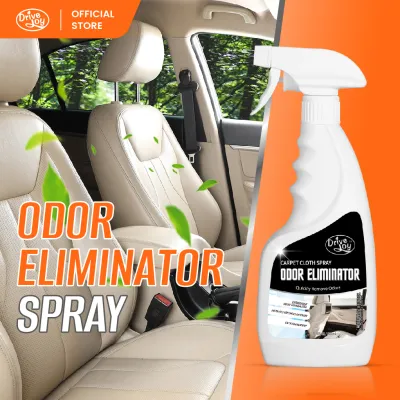
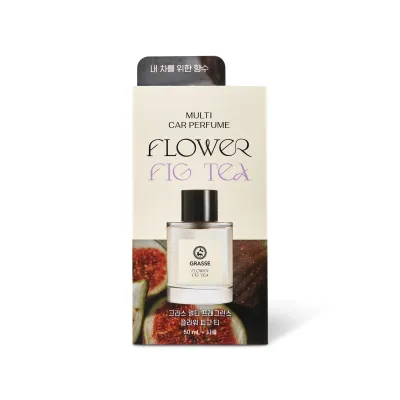
Products mentioned in this guide
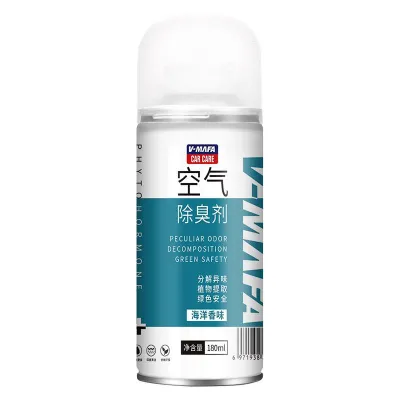
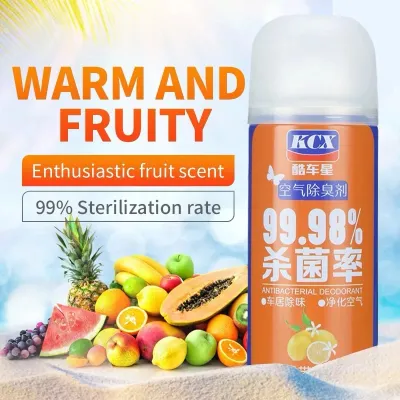
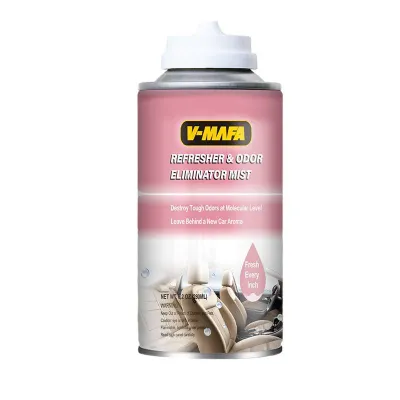
![[ARORAH] Natural Home Air Freshener | Long-Lasting Car Perfume | Car Freshener Perfume California Scents Alternatives](https://img.lazcdn.com/g/p/e882b222652dd73990d7dd2ee9796ee3.jpg_400x400q80.jpg_.webp)
Prices are valid at publication and may change. Please refer to the product page for the latest price.
At a molecular level, high temperatures increase the kinetic energy of the volatile organic compounds (VOCs) that make up fragrances and deodorizing agents. As kinetic energy rises, the liquid carrier molecules transition into gas at an accelerated rate. This rapid phase change causes a sudden, overwhelming burst of scent when you first enter a hot car, followed by a rapid decline in fragrance intensity. Within hours, a standard spray can evaporate completely, leaving the cabin smelling flat or musty once again.
High ambient humidity, which frequently hovers between 80% and 100% in tropical regions, further complicates how deodorant sprays behave. When the air is already saturated with water vapor, water-based sprays evaporate less cleanly, sometimes leaving a damp residue on fabric surfaces. This trapped moisture can mix with organic dust, sweat, and skin oils on upholstery, creating an environment where bacteria and mold thrive. Consequently, the high humidity can alter the “scent throw” of a spray, making heavy fragrances feel thick, cloying, and humid rather than fresh.
Furthermore, the constant transition between active air-conditioned cooling while driving and extreme heat when parked subjects the spray’s chemical bonds to continuous thermal cycling. When the air conditioning is running, the cabin air is cool and dry, which slows down evaporation and stabilizes the scent. When the engine is turned off and the car heats up, the sudden spike in temperature forces a rapid release of the remaining formulation. This cycle accelerates the depletion of the deodorizer, requiring a formulation that can withstand these rapid atmospheric shifts.
Comparing Spray Formulations: Oil, Water, and Alcohol Bases
To choose a car deodorant spray that delivers sustained performance in hot weather, you must evaluate the primary carrier liquid used to suspend the active ingredients. The carrier liquid dictates how quickly the product evaporates, how it interacts with the air, and whether it poses a risk to your vehicle’s interior components.

Oil-Based Formulations
Oil-based car deodorant sprays utilize heavy lipid carriers, synthetic oils, or concentrated essential oils to hold fragrance and neutralizing compounds. Because oils have significantly higher boiling points and lower vapor pressures than water or alcohol, they do not evaporate readily under thermal stress. In a hot cabin, an oil-based formulation releases its scent slowly and consistently over several days or even weeks, making it the most physically durable option for hot climates.
Despite their superior longevity, oil-based sprays carry a high risk of leaving persistent residues inside your vehicle. When sprayed into the air, fine oil droplets eventually settle onto surrounding surfaces, including the dashboard, leather seats, and fabric headliners. Over time, these airborne oils can accumulate, creating a sticky, dust-attracting film that is difficult to clean. If applied directly to fabrics or porous plastics, oil carriers can leave permanent dark stains or cause materials to discolor under direct sunlight.
Because of these residue risks, you must strictly verify the product label and your vehicle manufacturer’s care instructions before using an oil-based spray. Many premium leather and vinyl surfaces are treated with protective topcoats that can be degraded by specific synthetic or natural oils. To prevent damage, oil-based formulations should generally be used with extreme caution, focusing application on hidden, durable fabric areas rather than open cabin surfaces.
Water-Based Formulations
Water-based formulations use purified water as the primary carrier, often combined with emulsifiers to keep fragrance oils suspended. Under high heat, water evaporates at a moderate rate—faster than oil but significantly slower than alcohol. This moderate evaporation profile means water-based sprays provide a balanced scent release, though they will require more frequent reapplication in hot weather compared to oil-based alternatives.
One of the primary benefits of water-based sprays is their general surface safety. Because water is a neutral carrier, these sprays carry a very low risk of staining fabric upholstery, discoloring plastics, or stripping protective coatings from leather. They are highly versatile and can be applied more liberally throughout the cabin without the fear of creating a sticky, greasy buildup on your dashboard or steering wheel.
However, you must manage the risk of localized moisture accumulation when using water-based sprays in humid climates. If you overspray water-based products onto fabric seats, carpets, or under-seat areas without allowing the cabin to ventilate properly, the excess water can pool in the fibers. In Singapore’s high humidity, this trapped moisture can easily trigger the growth of mold and mildew, ultimately creating worse odors than the spray was intended to resolve. Moderate application and adequate airflow are critical.
Alcohol-Based Formulations
Alcohol-based sprays rely on highly volatile solvents like isopropyl alcohol or ethanol. These carriers are designed to evaporate almost instantly upon contact with the air or surfaces, leaving behind a dry finish. While this rapid evaporation prevents any wet residue, it also means the fragrance molecules are released all at once, resulting in a powerful initial scent that dissipates very quickly in a hot car, often lasting only a few hours.
Beyond their short lifespan, alcohol-based formulations present a high risk of material degradation when used inside a vehicle. Alcohol is a strong solvent that can easily dissolve the plasticizers used to keep vinyl dashboards pliable, strip the natural oils and protective coatings from leather seats, and cause soft-touch plastics to become sticky, discolored, or cracked. Under the magnifying effect of hot cabin glass, these chemical reactions are accelerated, leading to premature aging of your car’s interior.
To protect your vehicle, you should restrict the application of alcohol-based deodorants strictly to safe, non-sensitive zones, such as heavy fabric floor mats or carpeted trunk areas. Avoid spraying them anywhere near the dashboard, door panels, steering wheel, or leather seating. Always check the manufacturer’s warnings on the product label to ensure the formulation is rated safe for the specific surfaces in your car.
Aerosol vs. Non-Aerosol Delivery in Hot Climates
The delivery mechanism of a car deodorant spray also influences its performance and safety in hot weather. Aerosol cans use pressurized propellants to atomize the liquid formulation into an extremely fine mist. While this fine mist distributes evenly in the air, the tiny droplet size increases the surface-area-to-volume ratio, causing the carrier liquid to evaporate almost instantly in a hot cabin, which reduces its overall longevity.
Non-aerosol trigger sprays, on the other hand, deliver larger liquid droplets that settle onto fabric surfaces. These larger droplets take longer to evaporate, allowing the active ingredients to linger on carpets and mats for a more sustained release. This physical characteristic makes non-aerosol trigger sprays generally more effective for long-term odor control in warm environments.
From a safety perspective, storing pressurized aerosol cans in a vehicle parked under direct tropical sunlight is highly dangerous. As the cabin temperature rises, the pressure inside an aerosol can increases exponentially. If the temperature exceeds the manufacturer’s safety threshold (typically around 48°C to 50°C), the can can rupture, leak, or explode, causing severe damage to your vehicle’s interior or windows. Non-aerosol trigger bottles do not carry this explosion risk, though they should still be stored out of direct sunlight to prevent chemical degradation.
Odor Eliminators vs. Fragrance Maskers in High Heat
When evaluating the longevity of a car deodorant spray, you must distinguish between products that merely mask odors and those that actively eliminate them. Intense heat amplifies existing bad odors inside a vehicle. When organic matter, such as spilled food, sweat on seatbelts, or mold inside the air conditioning evaporator, is heated, the molecules volatilize rapidly, releasing strong, unpleasant odors into the cabin.
Fragrance maskers rely on heavy synthetic perfumes to overpower these bad smells. In a hot cabin, the heat forces both the heavy perfume and the underlying bad odor to volatilize simultaneously. Instead of a clean-smelling car, this results in a cloying, heavy, and often nauseating mixture of artificial perfume and stale odors. As soon as the volatile fragrance carrier evaporates, the original bad odor remains fully present, meaning the perceived longevity of the product is incredibly short.
In contrast, true odor eliminators use active chemical agents to neutralize odor molecules at the source. These formulations typically employ one of three mechanisms:
- Enzymatic Agents: These contain specialized enzymes that physically digest organic compounds, such as spilled milk, pet odors, or sweat, breaking them down into odorless byproducts.
- Zinc Ricinoleate: A natural zinc-based compound that chemically binds with odor-active molecules containing sulfur or nitrogen (like sweat or tobacco smoke), trapping them so they can no longer volatilize into the air.
- Cyclodextrins: Doughnut-shaped sugar molecules that physically trap odor molecules inside their cavity, preventing them from escaping into the cabin environment.
In hot and humid climates, active neutralizers provide a significantly longer-lasting result than simple maskers. Even if the light scent added to a neutralizing spray fades within a day, the underlying bad odors are permanently destroyed. When the vehicle heats up again under the sun, there are no odor molecules left to volatilize, ensuring the cabin genuinely smells clean and neutral over the long term.
Protecting Your Interior: Safety and Application Tips
To maximize the effectiveness of your car deodorant spray while protecting your vehicle’s interior from chemical damage, you must follow systematic application and safety guidelines. Car interiors are composed of highly diverse materials, including delicate plastics, treated leathers, and synthetic fabrics, each reacting differently to chemical exposure.
First, always perform a spot test before applying any new formulation to visible areas of your car’s interior. Apply a small, single spray of the product to an inconspicuous area, such as the underside of a seat cushion, a hidden corner of the carpet, or the lower edge of a plastic door panel. Allow the product to dry completely over 24 hours, then inspect the area under good lighting to ensure there is no discoloration, fading, tackiness, or structural change to the material.
Second, avoid direct application on sensitive surfaces. Never spray any car deodorant directly onto infotainment screens, instrument clusters, leather steering wheels, genuine leather or vinyl seats, suede or Alcantara headliners, or porous soft-touch plastics. The solvents, alcohol, or oils in these sprays can dissolve anti-glare coatings on screens, dry out leather, and cause soft-touch plastics to peel or become permanently sticky.
Instead, utilize strategic application techniques to achieve safe, indirect diffusion. Direct the spray toward heavy fabric surfaces that can safely absorb the liquid and release the scent gradually. Ideal target zones include:
- Fabric Floor Mats: These are durable, easily replaceable, and located in the footwells where air naturally circulates.
- Carpeted Areas Under Seats: This area is shielded from direct sunlight, reducing evaporation speed and protecting the formulation from rapid thermal breakdown.
- The Trunk Floor: Spraying the carpeted trunk area allows the scent to diffuse gently into the main cabin through the rear seats without exposing the front dashboard to chemical mist.
Finally, ensure proper ventilation during and immediately after application. After spraying, open the car doors for a minute or run the vehicle’s air conditioning on the “fresh air” setting (rather than recirculation) with the fan on high for a few minutes. This active airflow helps settle the liquid mist onto the target fabrics, prevents the chemical carriers from pooling on hard surfaces, and ensures that volatile organic vapors are safely ventilated out of the cabin before you or your passengers enter the vehicle.
Matching the Right Formulation to Your Car and Needs
To get the best results, you should match the formulation type of your car deodorant spray to your vehicle’s specific interior materials and the primary odor challenge you are facing.
For vehicles with fabric seats that are dealing with persistent organic odors—such as food spills, sweat from sports gear, or pet odors—an enzymatic water-based neutralizer is the most effective choice. The water carrier allows the active enzymes to penetrate deep into the fabric fibers to digest the organic source safely, without leaving greasy residues or causing fabric discoloration.
For modern vehicles with premium leather interiors and daily commuting needs, you should select a mild, alcohol-free water-based formulation or a dedicated dry-mist neutralizer. Leather is highly susceptible to drying and cracking under intense heat, making alcohol-based sprays a significant hazard. A gentle, water-based neutralizer applied to the floor mats will keep the cabin smelling fresh while preserving the integrity of your leather upholstery.
For drivers looking for a quick, high-heat refresh after a damp day or a food pickup, a fast-drying formulation can be used. However, this should be applied strictly to the fabric floor mats, keeping the spray completely away from all dashboard, door panel, and electronic surfaces to prevent chemical wear.
To help you decide, the matrix below summarizes the performance, safety, and suitability of each formulation type under high thermal stress:
| Formulation Type | Primary Carrier | Longevity in Hot Weather | Surface Safety Profile | Best Suited For |
|---|---|---|---|---|
| Oil-Based | Essential or Synthetic Oils | High (Slowest evaporation) | Low (Risk of greasy films, stains, and dust accumulation) | Durable fabric floor mats, long-term scent retention |
| Water-Based | Purified Water | Moderate (Requires regular reapplication) | High (Safe for most plastics, vinyl, and fabrics) | Leather interiors, daily commuters, general cabin refreshes |
| Alcohol-Based | Isopropyl Alcohol / Ethanol | Low (Evaporates almost instantly) | Low (Can crack vinyl, dry leather, and damage soft plastics) | Quick, localized refreshes applied strictly to floor mats |
| Active Neutralizer | Water/Enzymatic/Chemical | High (Permanently destroys the odor source) | High (Generally safe, non-staining formulations) | Organic odors, mold smells, smoke, and damp cabin environments |
Frequently Asked Questions (FAQ)
Is it safe to leave car deodorant spray in a hot car?
No, it is highly unsafe to leave pressurized aerosol cans or highly flammable alcohol-based sprays inside a car parked in hot weather. In Singapore’s climate, cabin temperatures can easily exceed the safety limits of pressurized containers, risking a dangerous rupture or explosion. If you must store a car deodorant spray inside your vehicle, opt for a non-aerosol, non-flammable water-based trigger spray, and store it in a shaded area out of direct sunlight, such as the glove compartment or the trunk, ensuring the nozzle is tightly sealed to prevent leaks.
Why does my car smell worse after using a deodorant spray in the heat?
This issue occurs when a heavy fragrance spray is used to mask a strong, active odor source instead of eliminating it. When the interior of the car heats up, the high temperature accelerates the volatilization of both the perfume and the underlying bad odor (such as mold in the air conditioning vents, damp carpets, or bacteria from food spills). The combination of these two strong, competing scents creates a heavy, cloying, and highly unpleasant mixture. To resolve this, you must clean and eliminate the physical source of the odor—such as replacing the cabin air filter or deep-cleaning the carpets—before applying a deodorizing spray.

Community discussion
Share your experience or ask a question. Comments are reviewed before publication.