
Finding a reliable sticky pad for your car to hold your smartphone securely on the dashboard requires balancing material science with physical design. The ideal choice depends on your vehicle’s interior materials, your phone case, and the environmental conditions your car faces daily. For most drivers, a high-grade silicone mat offers the best balance of heat resistance and surface safety, while polyurethane (PU) gel pads provide maximum initial stickiness at the cost of high-heat vulnerability. Nano-suction pads offer an ultra-clean, adhesive-free grip but require a perfectly smooth phone case to function. Choosing the right option involves evaluating how these materials interact with your dashboard under intense heat and selecting physical designs that mechanically prevent sliding during sudden maneuvers.
Why Dashboard Temperature and Material Matter
Direct sunlight and high cabin temperatures significantly affect the physical properties of non-slip materials. In tropical climates like Singapore, where cars are frequently parked in open-air HDB carparks or exposed rooftop decks, the greenhouse effect inside a sealed vehicle can quickly push cabin temperatures past 60°C or even 70°C. Under these extreme conditions, low-quality polymers and cheap chemical adhesives begin to break down. This degradation leads to melting, chemical leaching, or a complete loss of the pad’s shear strength, causing your phone to slide off the dashboard during a routine turn.
Leaving an incompatible sticky pad on a hot dashboard poses a severe risk of permanent interior damage. Many modern vehicle dashboards feature soft-touch plastics, synthetic vinyl, or genuine leather, all of which are treated with plasticizers to keep them pliable. When subjected to intense heat, the chemicals in low-grade sticky pads can react with these plasticizers, leading to a process known as plasticizer migration. This chemical reaction can cause the dashboard surface to discolor, bubble, peel, or leave a sticky, shiny residue that permanently ruins the finish and depreciates the vehicle’s resale value.
Products mentioned in this guide
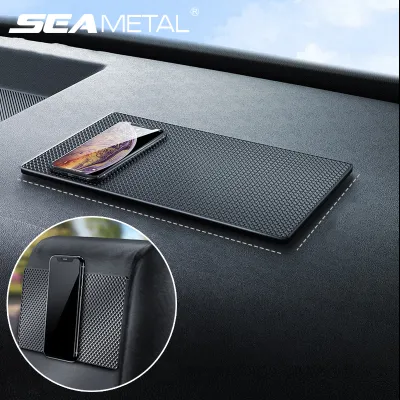
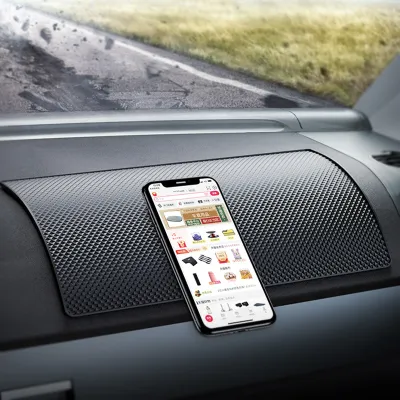
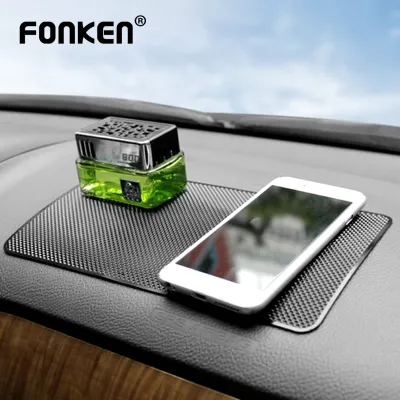
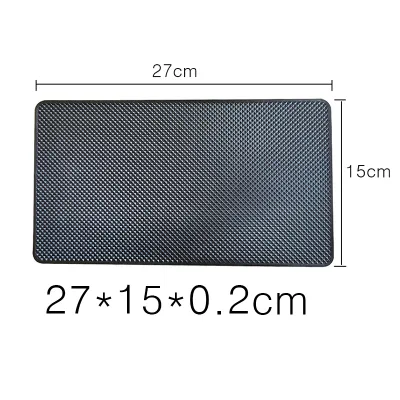
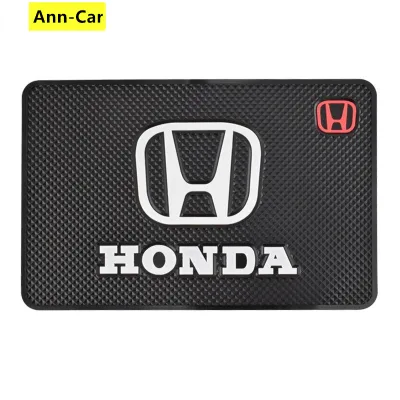
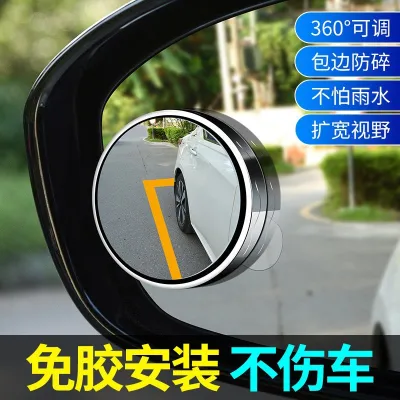
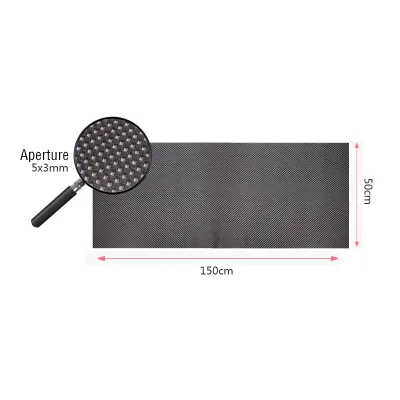
Prices are valid at publication and may change. Please refer to the product page for the latest price.
To prevent costly cosmetic damage, you must identify your vehicle’s dashboard material before purchasing any accessory. Consult your vehicle owner’s manual to determine if your dashboard has specific material coatings or warnings against placing adhesive items on the surface. Once you know your dashboard’s composition, cross-reference it with the sticky pad manufacturer’s packaging. Look for explicit temperature ratings and warnings regarding sensitive materials like genuine leather or open-pore wood trim.
Ultimately, a pad’s long-term effectiveness is determined by its structural stability and residue-free performance after repeated heat exposure. A pad that feels incredibly sticky in an air-conditioned showroom may quickly liquefy or warp after a few afternoons parked under the equatorial sun. Prioritizing materials that maintain their solid state and do not chemically bond with your dashboard ensures both your phone and your car’s interior remain protected.
Comparing Sticky Pad Materials for Secure Phone Grip
Different sticky pad materials rely on distinct physical properties to keep your device secure. Understanding these mechanisms helps you make an informed decision based on your specific driving habits, phone case, and interior setup.

Polyurethane (PU) Gel Pads
Polyurethane (PU) gel pads are highly cohesive and naturally tacky, behaving like a semi-solid that conforms to the micro-textures of both your dashboard and your phone. This flexible nature allows them to adhere reasonably well even to slightly curved or textured dashboard surfaces, making them highly versatile for various vehicle designs. They do not rely on permanent glue, meaning they can be peeled off and repositioned without leaving immediate adhesive residue.
However, the long-term durability of PU gel is highly dependent on its chemical formulation. When shopping for a PU gel pad, check the packaging for explicit temperature thresholds and UV resistance claims. Cheaper, unbranded PU blends often degrade rapidly under direct sunlight, turning into a gooey, semi-liquid state that is incredibly difficult to clean. High-quality formulations will state a safe operating temperature range, often up to 80°C or higher, indicating better thermal stability.
Another critical consideration is the potential for leaving oily residues over time. Even high-grade PU gels can slowly leach synthetic oils onto sensitive dashboard finishes under persistent heat. To mitigate this risk, always verify the manufacturer’s cleaning and removal instructions. Many manufacturers recommend lifting the pad periodically to let the dashboard “breathe” and prevent localized chemical accumulation.
Silicone-Based Non-Slip Mats
Silicone-Based non-slip mats do not rely on chemical tackiness or sticky adhesives to stay in place. Instead, they utilize a high coefficient of friction combined with the natural weight of the silicone mat and the device placed upon it. This physical friction prevents lateral movement, making them an excellent choice for drivers who prefer a completely adhesive-free solution.
When evaluating these mats, guide your search toward products explicitly labeled as “100% premium silicone” or “food-grade silicone.” Avoid cheaper polyvinyl chloride (PVC) or plasticized rubber blends, which are often marketed generically as silicone. These cheaper alternatives contain chemical fillers that harden, warp, crack, or emit unpleasant chemical odors when exposed to high cabin temperatures.
Pure silicone is highly inert and can easily withstand temperatures exceeding 150°C without melting, degrading, or reacting with your dashboard’s surface. This makes silicone mats exceptionally safe for almost all dashboard types, including delicate soft-touch synthetics. The primary trade-off is that because they rely on gravity and friction rather than adhesion, they require a relatively flat, horizontal area on your dashboard to prevent the mat itself from sliding during spirited driving.
Nano-Suction and Micro-Suction Tapes
Nano-suction and micro-suction pads utilize advanced surface physics rather than chemical adhesives. The surface of a nano-suction pad is covered with millions of microscopic, vacuum-like craters. When you press your phone against the pad, these tiny cups expel air and create a powerful vacuum seal that holds the device firmly in place, even during sudden stops or sharp turns.
This technology offers the distinct advantage of leaving zero chemical residue on either your dashboard or your phone case. Because there are no adhesives to melt or leach, nano-suction pads perform consistently across a wide range of temperatures. However, this vacuum mechanism is highly sensitive to surface textures. It requires a smooth, hard, and flat surface to form a proper seal, meaning it will not work with textured plastic, fabric, leather, or heavily ribbed phone cases.
Maintaining a nano-suction pad requires adhering strictly to manufacturer instructions. Unlike standard silicone mats that can be restored with a simple water rinse, nano-suction pores can trap microscopic dust particles that block the vacuum seal. Restoring the grip usually involves using adhesive tape to lift debris out of the micro-pores or wiping the surface with a damp, lint-free microfiber cloth using a specific, gentle technique recommended by the manufacturer.
Design Features That Prevent Slipping During Drives
While material grip is essential, physical design elements provide the mechanical support needed to keep your phone secure during real-world driving conditions. When navigating roundabouts, sudden speed bumps, or emergency braking situations, lateral and longitudinal forces can easily exceed the limits of friction alone.
- Raised Edges and Contoured Borders: Look for pads designed with a physical lip, raised outer border, or integrated U-shaped cradle. These physical barriers mechanically block your phone from sliding off the pad when cornering, acting as a secondary safety net if the material's surface grip is temporarily compromised by dust.
- Surface Textures and Patterns: High-quality pads often feature molded geometric patterns, such as honeycomb grids, micro-ridges, or textured grooves. These patterns serve a dual purpose: they channel away fine dust and condensation (which can act as lubricants) and they concentrate the contact pressure, increasing the effective friction between the pad and your phone case.
- Size and Weight Distribution: Measure your smartphone, including its protective case, before choosing a pad. A pad with an insufficient footprint will cause your phone to overhang, creating a lever effect that can easily tip the pad over during sudden acceleration. Select a pad with a surface area larger than your phone to ensure even weight distribution and a stable base.
- Low-Profile Design: A low-profile, flat-laying design keeps your phone's center of gravity as close to the dashboard surface as possible. Minimizing this height reduces the leverage exerted on the pad's base during sudden braking, significantly lowering the likelihood of the entire assembly flipping forward or detaching.
Safe Installation and Pre-Use Testing
Proper preparation and testing are critical to protect your vehicle’s interior and ensure the sticky pad performs safely. Skipping these steps can lead to poor adhesion, dashboard damage, or serious safety hazards on the road.
First, read both the sticky pad’s instructions and your vehicle owner’s manual regarding dashboard care. Look for any specific warnings against using aftermarket accessories or chemical cleaners on your specific dashboard model. If the vehicle manufacturer explicitly warns against placing objects on the dashboard, heed that advice to avoid voiding warranties or damaging delicate surfaces.
Next, clean the target installation area thoroughly to remove dust, finger oils, and dashboard protectants. Use a clean microfiber cloth dampened with a mild solution of warm water and a drop of gentle dish soap. Strictly avoid using isopropyl alcohol, glass cleaners, or commercial dashboard polishes (such as silicone-based sprays). These polishes leave a slick chemical film that prevents the pad from gripping, while harsh solvents can strip away the dashboard’s factory-applied UV protective coatings.
Before fully deploying the pad, perform a mandatory hidden spot test to check for material compatibility. Place a small corner of the pad (or a duplicate test piece if provided) on an inconspicuous area of the dashboard—such as a lower corner near the footwell or inside a side panel—for 24 to 48 hours. Remove the pad and inspect the test area under good lighting. Check for any signs of discoloration, softening, peeling, or sticky chemical residue before proceeding with the final installation.
Finally, observe a strict safety boundary regarding airbag deployment zones. Never place a sticky pad, smartphone, or any other accessory on or near the passenger airbag cover or any marked “SRS Airbag” deployment paths. In the event of a collision, the rapid, explosive inflation of the airbag will turn your phone and the pad into high-velocity projectiles, risking severe or fatal injuries to the vehicle’s occupants.
Maintenance and Restoring Grip
Over time, all dashboard sticky pads will accumulate airborne dust, pet hair, lint, and cabin debris, which acts as a barrier and reduces their gripping power. Fortunately, you can easily restore the original grip of washable pads by following a low-risk cleaning protocol.
To clean a washable silicone or PU gel pad, gently rinse it under lukewarm running water. If the pad has accumulated oily residues from fingers or cabin air conditioning systems, apply a single drop of mild dish soap and massage the surface gently with your fingertips. Do not use abrasive sponges, scrub brushes, or harsh chemical solvents, as these can permanently scratch or degrade the pad’s surface micro-structures.
After washing, allow the pad to air dry completely. Never use paper towels, cotton dish towels, or tissues to dry the pad, as they will leave behind a layer of lint that immediately ruins the restored stickiness. Placing the pad back on the dashboard while it is still damp can trap moisture underneath, potentially leading to mold growth or damage to your dashboard’s surface.
No dashboard pad lasts indefinitely, and you must inspect yours periodically for signs of physical degradation. If you notice the material has become permanently hard, brittle, or cracked, or if it feels slimy and leaves a residue even after a thorough wash, the polymer has degraded. When a pad exhibits these signs or suffers from deep, unwashable dirt accumulation, it has reached the end of its service life and must be replaced to ensure your phone remains securely held.
Frequently Asked Questions (FAQ)
Can a sticky pad damage a leather or soft-touch dashboard?
Yes, chemical interactions combined with intense cabin heat can cause permanent staining, discoloration, or peeling on sensitive dashboard surfaces. The plasticizers in cheap adhesive pads can migrate into genuine leather or soft-touch synthetics, leading to irreversible cosmetic damage. If your vehicle features a delicate or leather-wrapped dashboard, consult your vehicle manual and consider using a non-adhesive, weighted silicone friction mat or a dedicated mount that clips to the air vents or windshield instead of an adhesive-based pad.
Do I need to remove my phone case when using a sticky pad?
Whether you need to remove your phone case depends on the case material and the type of sticky pad you use. Smooth, hard plastic, metal, or glass-backed cases work exceptionally well with nano-suction pads, which require a perfect, airtight seal to function. Conversely, heavily textured, rugged, fabric, or genuine silicone cases will prevent nano-suction pads from gripping. For PU gel pads and silicone friction mats, a moderately textured case is usually fine, but cases with deep ridges, kickstands, or uneven back designs will significantly reduce the contact surface area, lowering the pad’s overall holding power.
Community discussion
Share your experience or ask a question. Comments are reviewed before publication.