
To protect your vehicle from heavy downpours and intense tropical sunlight, you need to look for specific rating numbers on a car cover. A reliable outdoor cover should ideally feature a hydrostatic head rating of at least 1,500 mm to 3,000 mm for reliable rain resistance, alongside a high Ultraviolet Protection Factor (UPF) rating of UPF 50+ to block the vast majority of solar radiation. Understanding these technical specifications helps you choose a cover that prevents water from pooling on your paintwork while shielding your clear coat from sun damage.
Understanding Waterproof Ratings and Hydrostatic Head Tests
When comparing car covers, the waterproof capability is often measured using the hydrostatic head test. This test determines how much water pressure a fabric can withstand before moisture begins to penetrate. The rating is expressed in millimeters (mm), representing the height of a vertical column of water that can be placed on the fabric before it leaks.
A higher millimeter rating indicates greater resistance to heavy rain and pressure. For instance, a rating of 1,000 mm is generally considered the baseline for basic water resistance, while ratings of 2,000 mm or higher are designed to handle more intense downpours. If you live in an area prone to sudden, heavy storms, looking for a higher hydrostatic head rating is a practical way to ensure your vehicle remains dry.
Products mentioned in this guide
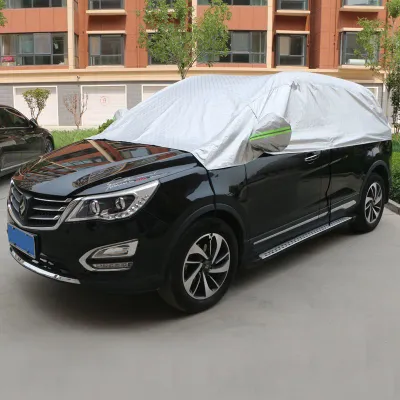
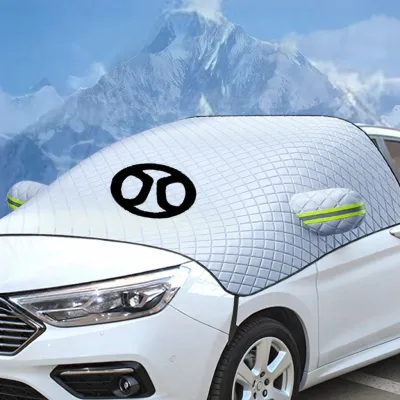
Prices are valid at publication and may change. Please refer to the product page for the latest price.
However, the fabric rating is only part of the equation. You must distinguish between different product labels:
- Water-resistant: The fabric repels light moisture but will eventually allow water to seep through under sustained rain.
- Water-repellent: The material is treated with a coating that causes water to bead up and roll off, though it can still saturate under pressure.
- Waterproof: The fabric itself is completely impervious to water penetration under specified pressure levels.
Even the most waterproof fabric will fail if the seams are vulnerable. When evaluating a cover, verify in the product specifications whether it features sealed or taped seams. Unsealed stitched seams contain tiny needle holes that allow water to slowly drip onto your vehicle during prolonged rain, rendering a high millimeter rating ineffective.
Decoding UV Protection and UPF Fabric Levels
Sun protection is just as critical as water resistance, especially in regions with intense, year-round solar exposure. Ultraviolet Protection Factor (UPF) is the standard rating system used to measure how much UV radiation a fabric blocks. While you might be familiar with Sun Protection Factor (SPF) for skin, UPF is the specific metric designed for textiles and fabrics.

The UPF scale indicates the fraction of the sun’s UV rays that can pass through the material. For example, a fabric rated UPF 50 allows only 1/50th (or 2 percent) of UV radiation to penetrate, effectively blocking 98 percent of both UVA and UVB rays. This protection is vital for preventing your car’s exterior paint from fading and keeping interior materials like leather and plastic from cracking.
Unlike SPF, which only measures protection against UVB rays on skin, UPF measures both UVA and UVB transmission through physical barriers. A high UPF rating on a car cover ensures that the fabric acts as a highly efficient shield, reducing the thermal load on your vehicle and preserving its resale value.
To achieve high UV protection, manufacturers often incorporate specific physical design features. Look for covers with a highly reflective outer layer, such as silver-coated polyester or aluminum-treated fabrics, which bounce solar rays away from the vehicle. Additionally, multi-layer designs often include UV-inhibiting chemical treatments embedded within the fibers to prevent the fabric itself from degrading and becoming brittle over time.
Matching Protection Specs to Your Parking Environment
Selecting the right car cover specifications depends heavily on where you park your vehicle and the local climate. If you park your car in a shaded carport or an underground garage, you do not need extreme waterproof or UV ratings. A lighter, highly breathable cover with moderate water resistance is often sufficient to protect against dust, minor condensation, and accidental scratches.
For vehicles parked outdoors daily, the demands are much higher. In tropical climates like Singapore, where intense sunshine is frequently followed by sudden, heavy monsoon downpours, you need a cover that balances high UV protection with robust waterproofing. A cover with a UPF 50+ rating and a hydrostatic head rating of at least 2,000 mm is highly recommended for these demanding conditions.
However, focusing solely on waterproofing can lead to unexpected problems. A completely impermeable cover can trap moisture rising from the ground or condensation caused by temperature changes. If this moisture cannot escape, it can damage your car’s clear coat, promote rust, or lead to mold growth.
To prevent this, you must balance water resistance with breathability. Look for covers that feature built-in air vents or utilize breathable multi-layer fabrics. These designs allow trapped moisture and heat to evaporate and escape from underneath the cover while still preventing external rainwater from entering.
Verifying Manufacturer Claims and Material Construction
With many options available on online marketplaces, it is important to verify that a cover’s physical construction supports its advertised ratings. Avoid relying solely on vague marketing terms like “all-weather” or “heavy-duty.” Instead, look for manufacturers that explicitly state standardized testing methods or provide detailed material specifications.
A high-quality outdoor cover typically features a multi-layer construction, where each layer serves a distinct purpose:
- Outer Layer: A reflective, durable material designed to shed water and block UV rays.
- Middle Layer: A breathable membrane that allows moisture vapor to escape while blocking liquid water.
- Inner Layer: A soft, non-abrasive lining, such as fleece or microfiber, to protect your vehicle's paint from scratches during installation and removal.
Before making a purchase, review the manufacturer’s warranty terms. A warranty that specifically covers UV degradation or water leakage over a multi-year period is a strong indicator of the manufacturer’s confidence in their product’s ratings. Be sure to follow the manufacturer’s installation and care instructions, as improper securing can cause the cover to flap in the wind, leading to paint abrasion and premature wear of the protective coatings.
Frequently Asked Questions (FAQ)
Does a higher waterproof mm rating always mean a better car cover?
Not necessarily, as extremely high waterproof ratings often come with trade-offs. Fabrics with exceptionally high millimeter ratings are typically thicker, heavier, and less flexible, making them more difficult to install, fold, and store. More importantly, these highly impermeable materials often lack the breathability required for daily outdoor use.
If a cover cannot breathe, condensation from humidity and ground moisture will become trapped underneath. Over time, this trapped moisture can cause severe damage to your car’s clear coat, resulting in cloudy patches or bubbling. For most outdoor parking scenarios, it is better to choose a cover that offers a balanced combination of reliable water resistance and active ventilation rather than the highest possible waterproof rating.
Can a car cover be completely waterproof and still protect against UV rays?
Yes, high-quality multi-layer car covers are engineered to handle both extreme rain and intense sunlight simultaneously. These covers utilize a composite design where the outer layer is treated with reflective materials and UV inhibitors, while the inner layers provide waterproofing and breathability. This layered approach ensures comprehensive protection against diverse weather elements.
However, you should keep in mind that prolonged exposure to harsh sunlight and heavy rain will eventually degrade any fabric. To maintain the cover’s performance, inspect it regularly for signs of wear, thinning, or peeling coatings. Cleaning the cover according to the manufacturer’s instructions is also essential, as accumulated dirt, bird droppings, and tree sap can degrade both the UV-reflective properties and the water-beading capabilities of the fabric.
Community discussion
Share your experience or ask a question. Comments are reviewed before publication.