
To protect your vehicle from Singapore’s intense tropical downpours and harsh solar radiation, a high-quality cover for car protection must feature a multi-layered construction combining a high hydrostatic head waterproof rating, robust UV-reflective coatings, and active breathability. Simply buying a generic plastic sheet can trap moisture, leading to severe paint damage, mold, and accelerated clear-coat degradation. To protect your vehicle effectively, you must look beyond basic marketing terms and verify specific material specifications, seam construction, ventilation designs, and secure fastening mechanisms on the manufacturer’s product label.
Singapore’s unique climate presents a double-edged sword for outdoor vehicle storage. On one hand, the near-daily threat of sudden, heavy monsoon rains can quickly saturate standard fabrics. On the other hand, the intense equatorial sun and high UV index can rapidly degrade both your car’s paintwork and the cover itself. Navigating these extreme conditions requires a systematic approach to selecting exterior accessories, focusing on verified material performance rather than generic product descriptions.
Waterproofing Features to Handle Heavy Rain
When evaluating a cover for car protection against Singapore’s intense downpours, the primary specification to check is the hydrostatic head rating. This metric, typically expressed in millimeters, indicates the amount of water pressure a fabric can withstand before liquid begins to penetrate. While standard covers might only offer basic water resistance, a cover designed for tropical downpours should feature a high hydrostatic head rating or a specialized waterproof membrane layer. Always verify these specifications on the manufacturer’s product sheet rather than relying on vague “waterproof” marketing labels.
Products mentioned in this guide
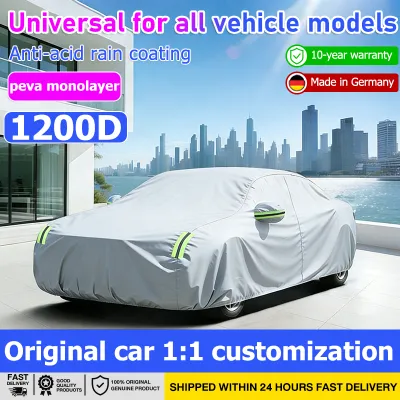
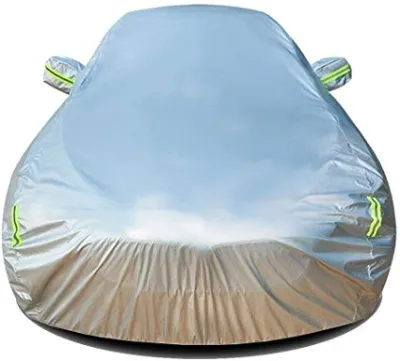
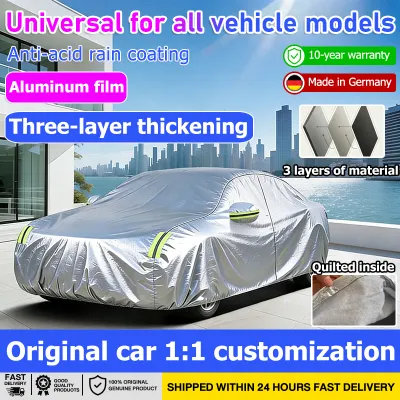
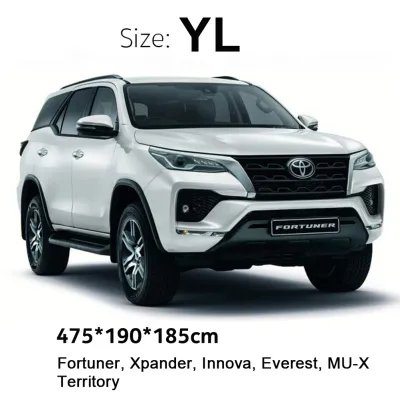
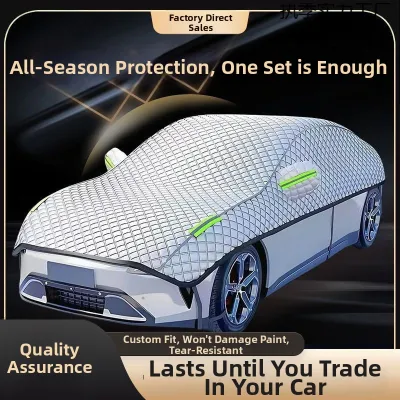
Prices are valid at publication and may change. Please refer to the product page for the latest price.
Beyond the fabric itself, the seams represent the most vulnerable points for water intrusion. Standard stitched seams contain thousands of tiny needle punctures that easily allow water to seep through under the pressure of a heavy downpour. To prevent this, look for covers that feature sealed, taped, or heat-welded seams. These advanced manufacturing techniques apply a waterproof tape or fuse the fabric layers together at the joints, creating a continuous, leak-proof barrier along all stress points.
Additionally, the outer layer of the cover should possess excellent water-beading capabilities, often achieved through a durable water repellent (DWR) treatment. This treatment causes rainwater to form tight beads and roll off the surface immediately, preventing the fabric from becoming waterlogged. A well-designed cover should also feature a contoured fit that matches your vehicle’s shape, promoting natural drainage and preventing water from pooling on flat areas like the roof, hood, or trunk lid, which can eventually force moisture through the material.
UV-Resistant and Heat-Reflective Properties
Singapore’s proximity to the equator means your vehicle is subjected to intense solar radiation throughout the year. To safeguard your car’s exterior paint and interior cabin components, you must verify the presence of UV-blocking treatments or highly reflective outer layers on the cover’s specification sheet. Materials featuring aluminized or silver-coated fabrics are highly effective at reflecting solar rays away from the vehicle, preventing the intense heat from being absorbed directly into the bodywork.

It is crucial to understand the distinction between a cover’s ability to protect your car from UV damage and the cover material’s own resistance to UV degradation. A high-quality cover must be chemically treated to withstand constant exposure to solar radiation without becoming brittle, cracking, or tearing prematurely. When reviewing product specifications, look for materials that have undergone accelerated weathering tests or carry specific UV-resistance ratings, ensuring the cover itself will not disintegrate after a few months of outdoor exposure.
Furthermore, effective heat mitigation requires a multi-layer construction that incorporates a dedicated thermal barrier. This middle layer acts as an insulator, significantly reducing the transfer of ambient heat into the vehicle’s cabin. By keeping the interior temperatures lower, you protect sensitive dashboard plastics, leather upholstery, and electronic components from warping, fading, or cracking under the relentless tropical sun.
Breathability to Prevent Moisture Trapping
While keeping rainwater out is essential, allowing trapped moisture to escape is equally critical in Singapore’s high-humidity environment. When the ground warms up after a heavy rain, moisture evaporates rapidly from the pavement beneath your car. If you use a completely non-breathable plastic tarp or low-grade cover, this rising water vapor becomes trapped underneath, creating a highly humid greenhouse effect that can cause severe damage to your vehicle.
To prevent this, look for covers equipped with built-in ventilation panels, mesh vents, or advanced breathable membrane technologies. Properly designed vents are strategically positioned near the top or sides of the cover, protected by overhanging fabric flaps. This design allows warm air and moisture vapor to escape freely while preventing wind-driven rain from entering.
Using a non-breathable cover can lead to condensation buildup, which promotes mold and mildew growth on rubber door seals, window tracks, and even inside the cabin. Over time, trapped moisture can also cause osmotic blistering of the vehicle’s clear coat, leading to costly paint repairs. To avoid these issues, verify that the cover utilizes micro-porous fabric specifications. These materials feature microscopic pores that are small enough to block liquid water droplets from entering but large enough to allow water vapor molecules to pass through and evaporate into the air.
Structural Design and Secure Fit
A car cover can only protect your vehicle if it remains securely in place during sudden weather changes. Singapore’s monsoon seasons often bring strong, gusty winds that can easily dislodge or completely blow away a loose cover. To prevent this, look for structural design features such as heavy-duty elastic hems at the front and rear, adjustable undercarriage straps with durable click-close buckles, and reinforced tie-down grommets that allow you to secure the cover firmly to the vehicle.
While a secure fit is necessary to combat wind, you must also ensure that the cover’s movement does not damage your vehicle’s paintwork. Constant wind can cause a cover to rub against the car’s body, and if the inner lining is rough, it can act like fine sandpaper on your clear coat. Always verify that the inner lining is made of a soft, non-abrasive material, such as high-density fleece, microfiber, or soft cotton blends, which cushions the paint and prevents micro-scratches.
Additionally, look for tailored design elements such as dedicated mirror pockets, antenna patches, and customized contours matching your specific vehicle type. A tailored fit minimizes the amount of excess, loose fabric that can flap violently in the wind. This not only reduces the risk of friction-induced paint wear but also extends the overall lifespan of the cover by reducing stress on the seams and straps. Always verify the exact dimensions and fitment compatibility with your specific vehicle model and year using the manufacturer’s fitment guide before making a purchase.
Maintenance and Care in a Tropical Climate
Proper maintenance is essential to preserve the protective qualities of your car cover and extend its service life in a tropical climate. Always follow the manufacturer’s specific washing and care instructions to avoid damaging the specialized coatings. Avoid using harsh household detergents, bleach, or machine washing unless explicitly authorized by the manufacturer, as these can strip away the durable water repellent (DWR) treatments and UV-resistant layers. Instead, clean the cover using mild soap, lukewarm water, and a soft brush or hose.
Before applying the cover, ensure that both the vehicle’s surface and the cover itself are completely clean and dry. Placing a cover over a dusty car traps abrasive dirt particles against the paint, which will cause scratches as the cover shifts in the wind. Similarly, trapping moisture between the car and the cover defeats the purpose of a breathable design and can lead to rapid mold growth.
When the cover is not in use, store it properly to prevent material degradation. Allow the cover to dry completely in a shaded, well-ventilated area before folding it. Store the folded cover in a cool, dry storage bag away from direct sunlight and ambient humidity. Avoid leaving a damp cover crumpled in your trunk, as this creates an ideal breeding ground for mold and can permanently damage the waterproof membranes.
Frequently Asked Questions (FAQ)
Is it safe to put a car cover on a wet vehicle?
No, it is generally not safe to put a car cover on a wet vehicle. Trapping moisture between the cover and your car’s paintwork can lead to serious issues, including mold and mildew growth on rubber seals, cabin upholstery, and exterior trim. Additionally, trapped water can cause paint oxidation and clear-coat blistering over time. You should always dry your vehicle’s surface thoroughly and ensure the cover itself is completely dry before installation, unless the manufacturer’s documentation explicitly states that the cover is designed with specialized wet-application technology.
How often should I wash my car cover in a dusty and rainy environment?
You should inspect your car cover regularly and wash it whenever you notice a buildup of dust, dirt, tree sap, or bird droppings. In Singapore’s rainy and dusty environment, contaminants can accumulate quickly on the cover’s surface, potentially degrading the fabric and scratching your vehicle’s paint during application. As a general guideline, a light rinse with clean water every few weeks can help remove loose debris, while a deeper clean with mild soap should be performed every few months. Always refer to the product label for specific cleaning intervals and approved detergent types to preserve the waterproof and UV-resistant coatings.
Community discussion
Share your experience or ask a question. Comments are reviewed before publication.