
Quick Answer: Which Paint Protection is Right for You?
Choosing the right paint care method depends on your vehicle’s current paint condition, your budget, and how much time you want to dedicate to maintenance. To make the right choice, you must first understand that car compounds, waxes, and ceramic coatings serve entirely different purposes. Car compounds are designed for paint correction and defect removal; they do not provide ongoing protection. In contrast, waxes and ceramic coatings are protective layers.
If you want a budget-friendly, short-term gloss that you can easily apply yourself, car wax is the traditional choice. If you want long-term, high-durability resistance against harsh environmental factors, a ceramic coating is the modern standard. In almost all cases, compounding is a necessary preparatory step to level the paint surface and remove defects before applying either wax or a ceramic layer.
Understanding the Core Differences: Correction vs. Protection
To care for your vehicle’s exterior effectively, you must distinguish between correcting paint defects and protecting the corrected surface. A common misconception among car owners is that applying a compound will protect their vehicle from the elements, or that applying a wax will remove deep scratches. These products operate on completely different chemical and mechanical principles, and using them incorrectly can lead to poor results or even paint damage.
Products mentioned in this guide
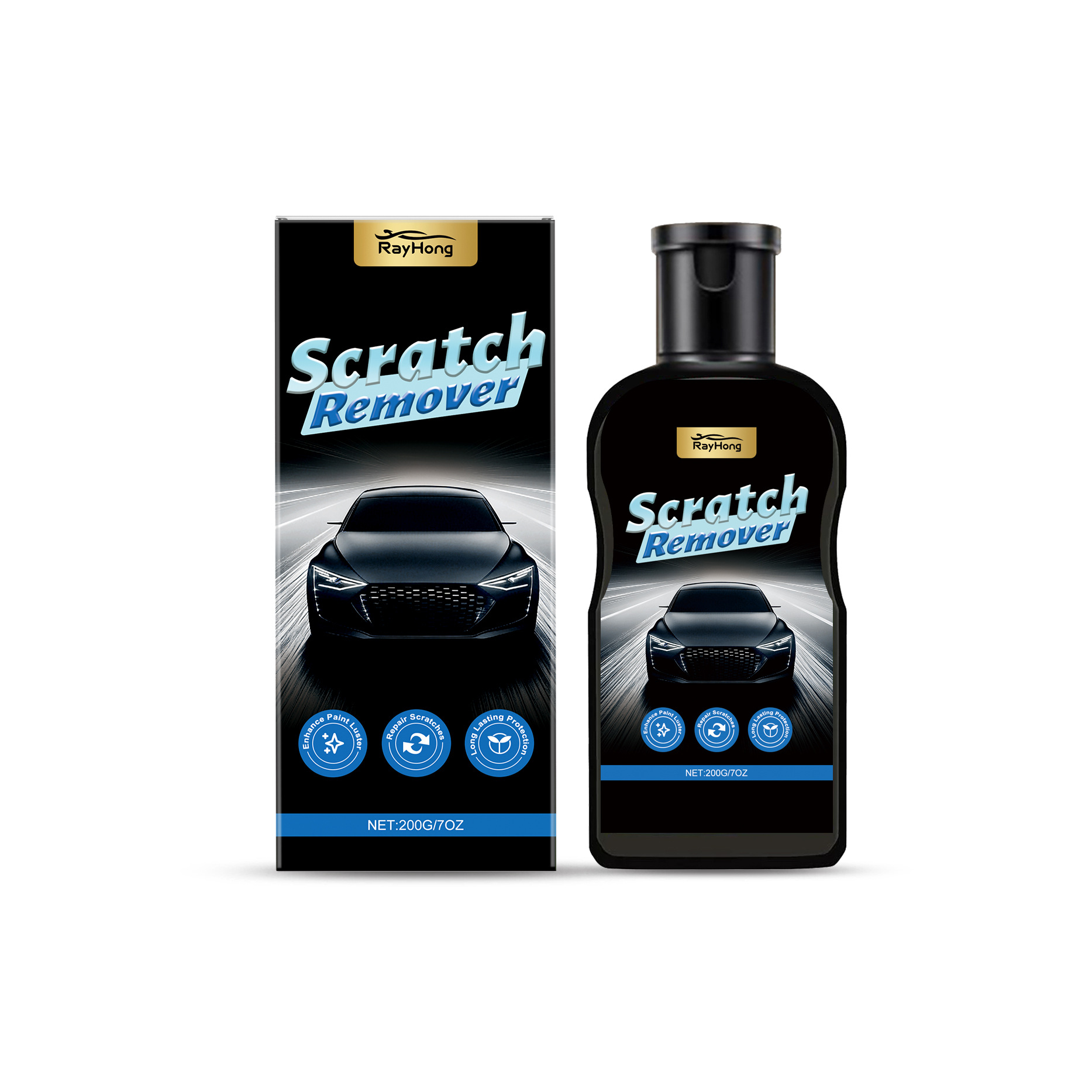

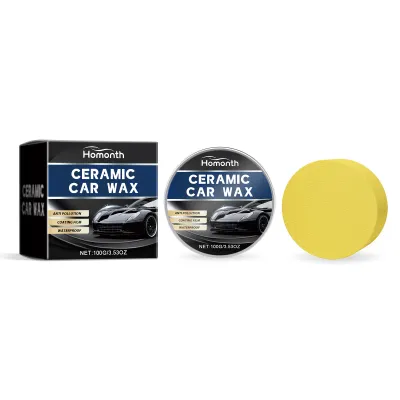
Prices are valid at publication and may change. Please refer to the product page for the latest price.

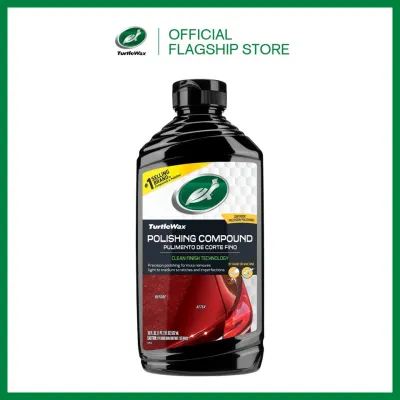
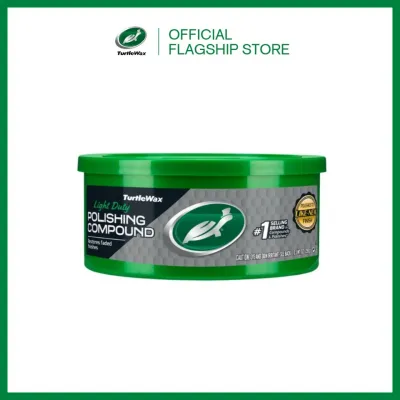
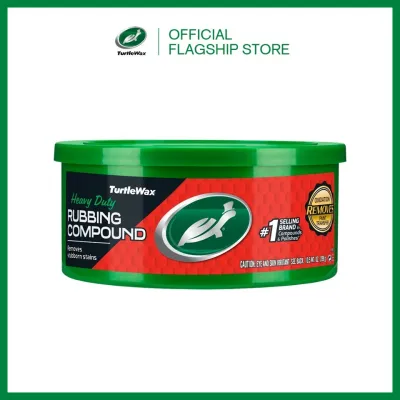
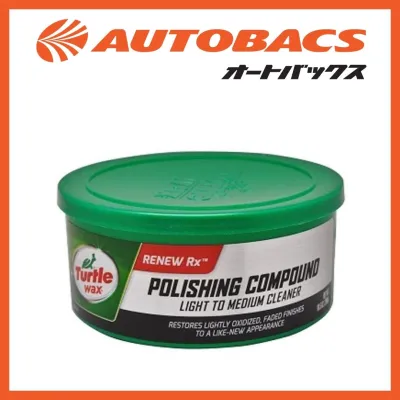
Car compounds are liquid abrasives formulated to level the vehicle’s clear coat. When applied with a polishing pad, the microscopic abrasives in the compound physically shave down a microscopic layer of the clear coat. This process removes physical defects such as swirl marks, light scratches, water spots, and oxidation. Because compounding removes paint material, it is a corrective process rather than a protective one. Once you finish compounding, the paint is completely bare and highly vulnerable to environmental damage.
Car wax is a sacrificial topical layer applied on top of the clear coat. Traditionally made from natural carnauba or synthetic polymers, wax fills in microscopic imperfections on the paint surface to create a smooth, reflective shine. It provides basic hydrophobic properties, causing water to bead up and roll off. However, wax does not form a permanent bond with the paint. It sits on top of the surface and gradually wears away due to heat, rain, and car washes.
Ceramic coatings are liquid polymer sealants that chemically bond to the vehicle’s clear coat. Typically formulated with silicon dioxide (SiO2) or titanium dioxide, these coatings cure to form a hard, semi-permanent glass-like barrier. Unlike wax, a ceramic coating cannot be easily washed off. It provides a highly hydrophobic surface, excellent UV resistance, and protection against chemical contaminants like bird droppings and acid rain.
Comparing Effectiveness and Durability
When evaluating these three options, you must compare the corrective power of compounds against the protective capabilities of waxes and ceramic coatings. A compound does not offer any durability because it does not remain on the paint; its effectiveness is measured solely by how safely and efficiently it removes defects. Waxes and ceramic coatings, however, are judged by how well they shield the paint and how long they last under real-world conditions.
To determine the expected durability of any protective product, always check the manufacturer’s technical data sheets and product labels rather than relying on generalized online claims. The functional lifespan of these products is highly dependent on local environmental factors. For instance, in tropical climates like Singapore, vehicles face constant challenges. Intense ultraviolet (UV) radiation from the sun accelerates the breakdown of traditional waxes, often requiring reapplication within a few weeks to a few months. Frequent heavy downpours and high humidity also test the hydrophobic limits of your paint protection.
Ceramic coatings offer significantly higher resistance to these tropical elements. The chemical bond formed by a ceramic coating is highly resistant to heat and UV rays, preventing the paint from oxidizing or fading prematurely. However, even the most durable ceramic coating will degrade faster if the vehicle is subjected to frequent automatic car washes with harsh, highly alkaline detergents. Regular hand washing using proper techniques is essential to preserve the hydrophobic performance of any protective layer.
Evaluating Cost, Application Effort, and Upkeep
The practical reality of maintaining your car’s paint involves balancing the physical effort, tool requirements, and financial costs of each method. Compounding is a labor-intensive process that requires specialized equipment. While you can apply some compounds by hand, achieving uniform results usually requires a dual-action orbital polisher, a selection of foam or microfiber pads, and a steady hand. Incorrect machine compounding can easily burn through the clear coat or leave unsightly holograms, making it a high-skill task that many owners prefer to delegate to professionals.
Applying car wax requires minimal skill and very basic tools. You can easily apply wax by hand using a simple foam applicator pad and buff it off with a clean microfiber towel. The physical effort is moderate, and the risk of damaging your paint is extremely low. However, because wax degrades quickly, the upkeep requires a recurring commitment of time and effort to reapply the product every few months.
Installing a ceramic coating is a highly meticulous process. The application itself requires applying the liquid coating in small sections, waiting for it to flash, and carefully buffing away the residue to prevent high spots. The real effort, however, lies in the preparation. Before a ceramic coating can be applied, the paint must be thoroughly washed, clayed, compounded, polished, and wiped down with an isopropyl alcohol solution to ensure proper bonding. Any defect left on the paint will be locked under the semi-permanent ceramic layer.
Because of this intensive preparation, professional ceramic coating services at local detailing shops in Singapore represent a significant upfront investment. When researching options, check local detailing shops or product packaging for current service fees and material costs in S$. While a DIY ceramic kit may cost under S$100, professional multi-stage paint correction and ceramic installation can range from several hundred to over a thousand S$, depending on the vehicle size and the complexity of the paint correction required. Ongoing maintenance for ceramic coatings also requires purchasing specific pH-neutral car shampoos and periodic ceramic booster sprays to maintain the hydrophobic effect.
Decision Framework: Choosing Your Paint Care Path
To finalize your paint care strategy, use the following decision framework based on your vehicle’s current condition, your budget, and your willingness to perform regular maintenance.
- Choose Car Compounds First if your vehicle's paint exhibits visible swirl marks, spiderweb scratches, water spot etching, or a dull, oxidized appearance. Compounding is the only way to physically level the clear coat and restore the paint's clarity. Remember that compounding must always be followed by a protective layer of wax or ceramic coating.
- Choose Wax if you are looking for a budget-friendly, low-risk, and highly satisfying DIY routine. Wax is ideal for car owners who enjoy spending a weekend afternoon detailing their vehicle and do not mind performing regular maintenance every few months to keep the paint protected and glossy.
- Choose Ceramic Coating if you want the highest level of environmental protection, long-term gloss retention, and easier weekly washing. This path is best if you are willing to invest the necessary time and money into thorough paint preparation, or if you plan to pay a professional detailing shop for a complete paint correction and application service.
- Verify First the thickness of your vehicle's clear coat before starting any compounding work. If the clear coat is too thin—which can be measured using a paint depth gauge—aggressive compounding can strike through the paint, requiring an expensive respray. Additionally, if your car has an existing, failing ceramic coating or paint protection film, this old layer must be completely chemically or mechanically removed before any new protection can be applied.
Frequently Asked Questions (FAQ)
Can I Apply Wax Over a Ceramic Coating?
While you can physically apply a traditional wax over a cured ceramic coating, doing so is generally not recommended. The wax layer will sit on top of the ceramic coating, masking the highly engineered hydrophobic and self-cleaning properties of the ceramic surface. Instead of shedding dirt and water, the surface will take on the characteristics of the wax, which attracts dust and degrades much faster. If you want to boost the gloss and slickness of your ceramic coating, check the manufacturer’s guidelines for recommended maintenance toppers or dedicated ceramic boosters designed specifically to bond with the existing ceramic layer.
Do I Need to Compound My Car Before a Ceramic Coating?
In almost all cases, performing at least some level of paint correction, such as compounding or polishing, is highly recommended before applying a ceramic coating. Ceramic coatings are extremely optically clear and highly reflective, meaning they will amplify and lock in any existing paint defects, such as swirl marks, scratches, and holograms. Furthermore, a ceramic coating requires a completely clean, bare clear coat to form a proper chemical bond. Compounding and polishing remove the microscopic defects and old wax residues, ensuring the coating adheres correctly and lasts as long as the manufacturer specifies. Always assess your paint’s thickness and defect depth with proper tools before performing aggressive compounding.

Community discussion
Share your experience or ask a question. Comments are reviewed before publication.