
Choosing the right car bumper guard material depends on balancing impact absorption, scratch resistance, and visual appeal. TPU, PP, and stainless steel each serve different protective roles and aesthetic preferences. This guide decodes their physical properties to help you select the best option for your vehicle’s safety and style.
Understanding TPU, PP, and Stainless Steel Bumper Guards
Thermoplastic Polyurethane (TPU) is a highly flexible, elastic polymer that behaves like a hybrid of hard plastic and soft silicone. Because of this elasticity, TPU excels at absorbing low-speed impacts and resisting abrasions without cracking. Many high-quality TPU guards feature self-healing properties, where minor surface scratches fade under mild heat. Check the product label to verify if a specific TPU guard supports this feature.
Polypropylene (PP) is a semi-rigid, lightweight thermoplastic widely used in original equipment manufacturer (OEM) bumpers. It offers decent impact resistance and high fatigue resistance, making it highly cost-effective for basic scuff prevention. It is stiffer than TPU but less rigid than metal, acting as a sacrificial barrier that absorbs scratches so your paintwork does not have to.
Products mentioned in this guide
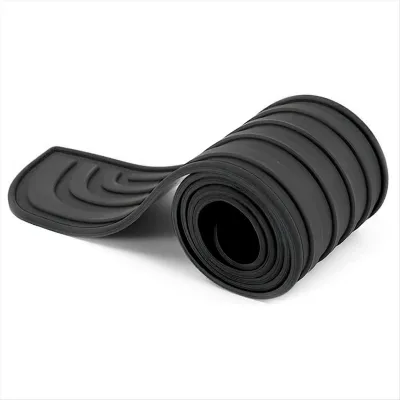
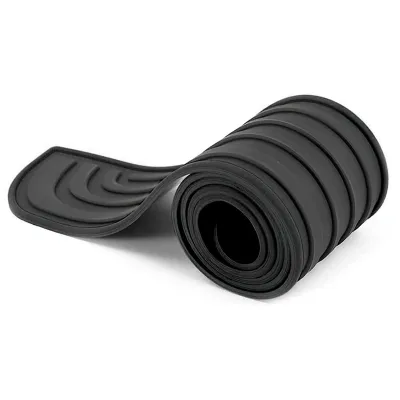
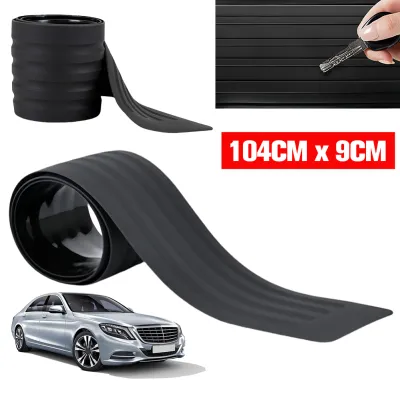
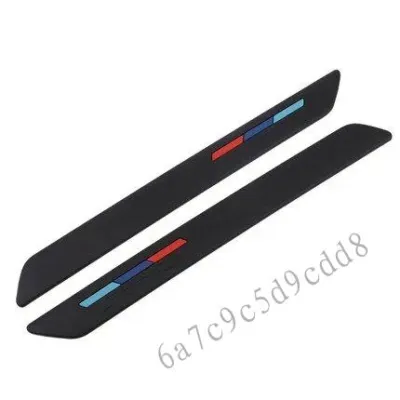
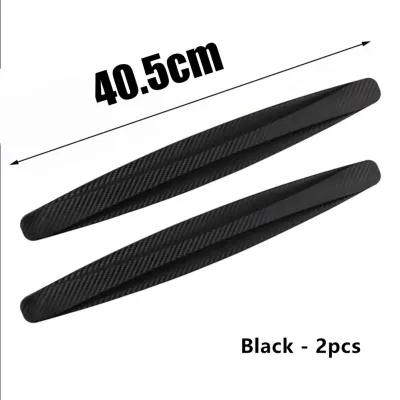
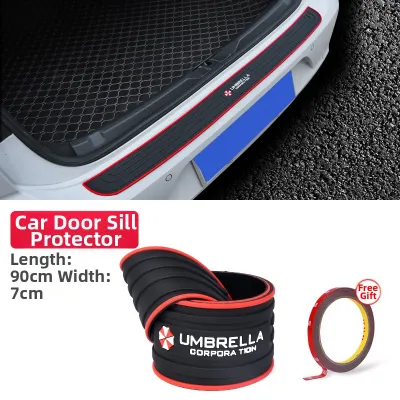
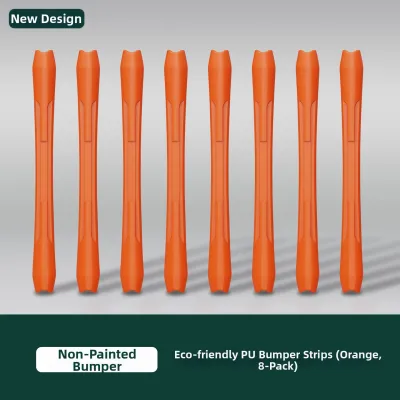
Prices are valid at publication and may change. Please refer to the product page for the latest price.
Stainless steel provides maximum structural rigidity and a premium, rugged, or polished metallic finish. Unlike plastics, stainless steel does not flex easily, offering strong protection against harder physical impacts. However, because metal is completely unyielding, it requires high-quality protective rubber or foam padding on its mounting side to prevent direct contact with the vehicle’s paintwork.
Matching Bumper Guard Materials to Your Driving Needs
In dense urban environments, such as tight multi-storey car parks in Singapore, low-speed scrapes against concrete pillars or adjacent car doors are common. For these scenarios, flexible and shock-absorbing materials like TPU or PP are highly practical. They cushion minor rubs without transferring excessive force to the underlying vehicle frame.

Your choice also shapes your vehicle’s visual profile. Polished or brushed stainless steel guards add a rugged, premium, or off-road aesthetic, making them popular for SUVs and utility vehicles. Conversely, TPU and PP guards offer a more integrated look. TPU is often available in clear films or sleek black strips, while PP can be color-matched or textured to blend seamlessly with your existing factory trim.
Singapore’s tropical climate brings intense sunlight, high humidity, and heavy rainfall. When choosing plastic-based guards like TPU or PP, check the manufacturer’s specifications for UV stabilizers. Unprotected plastics can yellow, become brittle, or fade under constant UV exposure. Stainless steel resists UV degradation entirely but requires high-grade alloys to prevent rust in humid, coastal environments.
Verifying Fitment, Sensors, and Safety Compatibility
Installing an aftermarket car bumper guard can alter your vehicle’s safety dynamics and sensor arrays. Before purchasing any guard, you must verify its physical clearance with your vehicle’s parking sensors, radar units, cameras, and license plate mounts. Blocked sensors can disable critical driver-assist systems or trigger false collision warnings.
Review the manufacturer’s installation instructions carefully. Many TPU and PP guards use automotive-grade double-sided adhesive, which requires meticulous surface preparation to ensure a secure bond without damaging the clear coat. Stainless steel guards often require mechanical mounting, such as bolt-on brackets. For any guard requiring mechanical fastening or minor disassembly, consult your vehicle owner’s manual and seek qualified professional installation to avoid damaging structural components.
A bumper guard must never interfere with your vehicle’s crumple zones or airbag deployment sensors. Rigid metal guards, if improperly designed or installed, can alter how crash energy is transferred during an impact. Always consult a qualified automotive professional to ensure that your chosen accessory complies with local road safety regulations and does not compromise the vehicle’s original safety certifications.
Frequently Asked Questions (FAQ)
Will a stainless steel bumper guard damage my car's paint?
A stainless steel guard can damage your car’s paint if it is installed incorrectly or lacks proper backing. Because metal is rigid, any direct contact with the vehicle body will scratch the clear coat due to road vibrations. To prevent this, ensure the guard features high-quality rubber gaskets or foam padding at all contact points. Additionally, clean the area behind the guard regularly; trapped road grit and debris can act like sandpaper under vibration, gradually wearing down the paint.
How do I clean and maintain a TPU or PP bumper guard?
To clean TPU or PP bumper guards, use a pH-neutral automotive shampoo and a soft microfiber wash mitt. Avoid using harsh abrasive cleaners, stiff brushes, or strong chemical solvents, as these can scratch the surface or degrade the UV-protective coatings on the plastic. Always check the manufacturer’s product label for specific care instructions, especially for TPU guards with self-healing topcoats, which may require specific detailing sprays to maintain their finish.
Community discussion
Share your experience or ask a question. Comments are reviewed before publication.