
Quick Diagnosis: Do You Actually Need Midrange Speakers?
To determine if your car audio system requires dedicated midrange speakers, you must first understand the specific acoustic role they play. The midrange frequency band, spanning roughly from 250 Hz to 4,000 Hz, is where the vast majority of human vocals, guitars, pianos, and orchestral instruments live. Because the human ear is highly sensitive to these frequencies, any imbalance in this range immediately makes your music sound unnatural or fatiguing.
Most factory car audio systems rely on a basic two-way setup consisting of a small tweeter on the dashboard or A-pillar and a larger mid-bass woofer mounted low in the front doors. While this configuration is cost-effective, it often leaves a noticeable acoustic gap in the middle frequencies. However, adding a third, dedicated speaker to handle this middle range is a complex upgrade that is not always the most effective first step for every driver.
Use this quick diagnostic framework to decide if you should pursue a midrange speaker upgrade:
Products mentioned in this guide
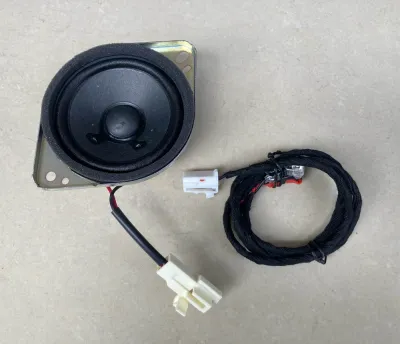
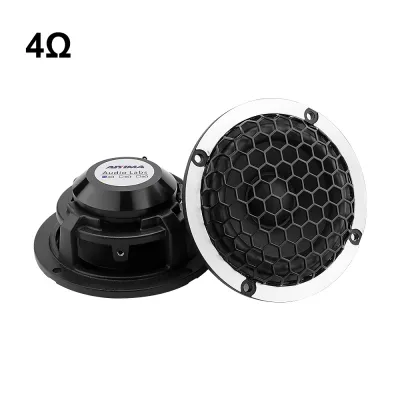
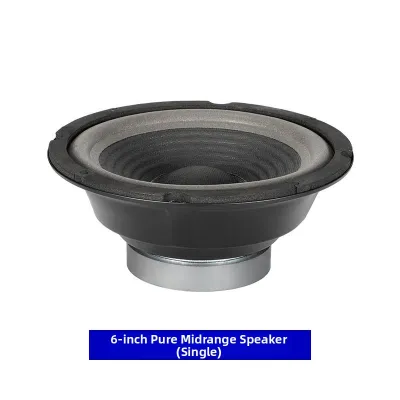
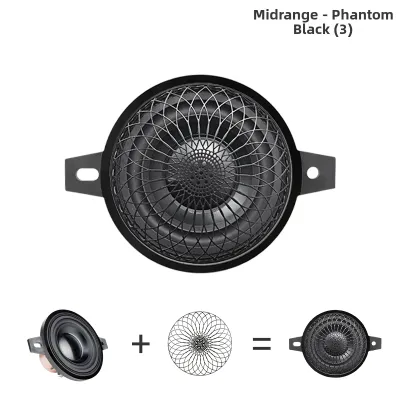
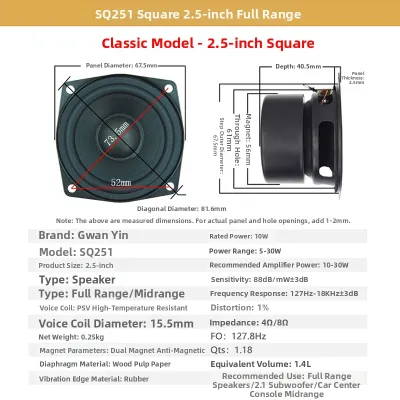
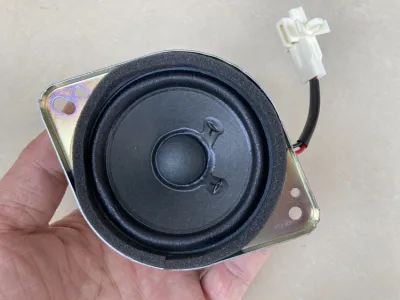
Prices are valid at publication and may change. Please refer to the product page for the latest price.
- Yes, if: Your vocal tracks sound muffled, distant, or as if they are playing from the floorboards; you already have a high-quality amplifier and digital signal processor (DSP); and you want to achieve a precise, eye-level soundstage across your dashboard.
- No, if: Your primary complaints are door panel vibrations, a lack of deep bass punch, or harsh distortion at high volumes. These issues point to structural resonance, the lack of a subwoofer, or insufficient amplifier power rather than a missing speaker driver.
Observable Signs Your System Needs Midrange Speakers
Identifying whether your car’s audio system suffers from a midrange deficiency requires active, analytical listening. Find a quiet spot to park, turn off the engine and air conditioning to eliminate ambient cabin noise, and play a high-quality, uncompressed vocal or acoustic track that you know well.

Vocals Sound Distant, Muffled, or Disconnected
When a car audio system lacks a dedicated midrange driver, the responsibility of reproducing vocals is split between the door-mounted woofer and the dashboard tweeter. Because the woofer is positioned low in the door panel near your legs, the lower registers of a singer’s voice can feel physically trapped near the floor. Meanwhile, the higher-frequency consonants and breath details are reproduced by the tweeter up high. This physical separation causes the vocals to sound disconnected, as if the singer is split in half or performing from a distant, muffled space rather than standing directly in front of you.
Piercing Highs and Boomy Bass with an "Empty" Middle
Standard factory setups often exhibit a “V-shaped” frequency response curve, where the bass and treble are artificially boosted to mask a weak middle. When listening to your favorite tracks, you might find yourself constantly adjusting the volume. You turn it up to hear the lyrics clearly, only to be met with piercing, harsh high frequencies from the tweeters or muddy, boomy bass from the door speakers. If the music feels hollow or lacks warmth and body in the middle frequencies, your system is struggling to bridge the gap between its low and high drivers.
Poor Soundstage Height and Imaging
Soundstage refers to the mental image of where instruments and singers are positioned across your dashboard. In a typical vehicle cabin, the physical distance between the left and right speakers, combined with highly reflective glass surfaces, makes acoustic imaging incredibly difficult. Without dedicated midrange speakers positioned high up in the cabin, the soundstage will feel flat, low, and localized to the individual speaker grilles. A dedicated midrange helps lift the entire acoustic image, making it feel as though the band is performing on a stage level with your eyes.
When Midrange Speakers Won't Solve Your Audio Problems
Before investing in new hardware, it is crucial to recognize the limits of what a midrange speaker can achieve. Adding more drivers to an inherently flawed system will not resolve issues caused by poor power distribution, structural vibrations, or low-quality source files.
Distortion and Clipping at Higher Volumes
If your music begins to crackle, hiss, or sound harsh when you turn up the volume, adding midrange speakers will not fix the problem. This distortion is typically caused by clipping, which occurs when your factory head unit or a low-powered amplifier is pushed past its clean operating limit. To resolve clipping, you need a more powerful external amplifier that can deliver clean, unclipped power to your existing speakers, rather than adding another physical driver to the load.
Door Panel Rattles and Weak Low-End Punch
Midrange speakers are physically small—typically between 2.5 to 3.5 inches in diameter—and are not designed to move the large volume of air required to produce bass. If your car doors rattle when the bass hits, or if you feel a complete lack of low-end punch, adding a midrange driver will not help. Door rattles are structural vibrations that must be addressed with specialized sound-damping materials. A lack of deep, physical bass requires a dedicated subwoofer and a properly sealed enclosure to handle frequencies below 80 Hz.
Poor Source Audio Quality and Factory EQ Limitations
Your car audio system can only sound as good as the signal it receives. If you are streaming low-bitrate audio over a basic Bluetooth connection, the high-frequency and midrange details are compressed and lost before they ever reach your speakers. Furthermore, many modern factory head units feature built-in, non-adjustable equalization (EQ) curves designed to protect cheap factory speakers by rolling off the bass and compressing the midrange as volume increases. If your source signal is heavily compressed or artificially limited, upgrading your speakers will simply highlight those source flaws.
Midrange Speakers vs. Alternative Car Audio Upgrades
When prioritizing your car audio budget, it is helpful to compare the impact of adding midrange speakers against other common upgrades. Depending on your current system’s weaknesses, alternative modifications may offer a more noticeable improvement per dollar spent.
| Upgrade Option | Primary Acoustic Benefit | Relative Installation Complexity | Budget Range (SGD) |
|---|---|---|---|
| Sound Deadening | Reduces road noise, tightens mid-bass, eliminates panel rattles | Moderate (Requires door panel removal) | S$150 – S$400 per pair of doors |
| 2-Way Component Upgrade | Improves high-frequency clarity and mid-bass separation | Moderate (Fits factory locations) | S$250 – S$800 |
| Adding a DSP & Amp | Corrects factory EQ, aligns time delays, provides clean power | High (Requires wiring and tuning) | S$600 – S$1,500+ |
| 3-Way Component System | Delivers complete vocal clarity and elevated soundstage | Very High (Requires custom fabrication) | S$800 – S$2,500+ |
Sound Deadening (Door Treatment)
For many drivers in Singapore, urban road noise and expressway vibrations can severely degrade the listening experience. Installing high-quality, butyl-based sound-damping sheets inside your door cavities is often the most cost-effective first upgrade. By reducing external road noise and minimizing panel resonance, sound deadening allows your existing speakers to perform in a quiet environment. This dramatically improves mid-bass punch and midrange clarity without changing a single wire.
Upgrading to a 3-Way Component System
If you are committed to adding midrange speakers, it is generally highly recommended to purchase a complete, matched three-way component system rather than adding a standalone midrange driver to an existing two-way setup. A matched system includes woofers, midranges, tweeters, and passive crossovers designed by the manufacturer to work together seamlessly. This ensures that the sensitivity, impedance, and tonal characteristics of all three drivers are perfectly balanced, preventing harsh peaks or deep dips in your frequency response.
Adding an Amplifier or DSP (Digital Signal Processor)
Before adding more physical speakers, consider how a Digital Signal Processor (DSP) can transform your existing setup. A DSP allows you to correct the factory EQ curve, set precise crossover points, and implement time-alignment. Because the driver sits closer to the right-side speakers than the left-side speakers in Singapore’s right-hand-drive vehicles, sound waves arrive at your ears at different times. A DSP delays the signal from the closer speakers by milliseconds, ensuring the sound from all speakers reaches your ears simultaneously. This single electronic adjustment can elevate your soundstage and sharpen vocal imaging far more effectively than simply adding more drivers.
Installation Realities and Safety Considerations
Adding dedicated midrange speakers to a vehicle is rarely a simple plug-and-play process. It introduces physical, electrical, and safety challenges that require careful planning and professional expertise.
Crossover Tuning and Integration
Midrange speakers are highly specialized and delicate. If low-frequency bass signals are sent to a small midrange driver, the excessive cone movement will quickly distort the sound and permanently damage the delicate voice coil. To prevent this, you must use active crossovers via a DSP or passive crossover networks to strictly limit the frequencies sent to each driver. Properly blending the midrange with your existing woofers and tweeters requires precise tuning of crossover points and slopes to avoid phase cancellation, which occurs when overlapping sound waves cancel each other out and create dead zones in your music.
Mounting Locations and Fabrication
Unlike woofers, which can be hidden behind factory door panels, midrange speakers must have a direct, unobstructed line of sight to your ears to perform optimally. Common mounting locations include the top of the dashboard, the sail panels (near the side mirrors), or the A-pillars. Because very few factory vehicles come equipped with mounting locations for midrange drivers in these areas, custom fabrication is almost always required. This may involve building custom fiberglass pods, 3D-printing specialized enclosures, or using vehicle-specific mounting brackets to match your cabin’s interior aesthetics.
Safety Boundaries and Professional Installation
When planning your installation, safety must be your absolute priority. In modern vehicles, the A-pillars frequently house side-curtain airbags designed to deploy rapidly during a side-impact collision. Mounting heavy midrange speakers or custom fiberglass pods directly over or near these airbag deployment paths is extremely dangerous, as the force of the airbag can turn these components into high-velocity projectiles inside the cabin.
Additionally, routing new speaker wires through complex door hinges and tapping into your vehicle’s factory electrical system carries a risk of damaging sensitive onboard computers or voiding your vehicle warranty. Always consult your vehicle’s manufacturer manual and review the original-equipment instructions before planning any modifications. For any installation involving custom fabrication, electrical wiring, or mounting near safety systems, it is highly recommended to seek the services of a qualified, professional car audio installer to ensure your vehicle’s safety systems and structural integrity remain completely uncompromised.
Frequently Asked Questions (FAQ)
Can I just use a high-quality 2-way component speaker instead of adding a midrange?
Yes, for the majority of listeners, a premium, well-installed two-way component system is more than sufficient. High-quality two-way systems utilize advanced materials and engineering to allow the woofer and tweeter to cover the midrange frequencies smoothly. When paired with proper door sound deadening and a clean amplifier, a premium two-way setup can deliver exceptional vocal clarity and a cohesive soundstage without the high cost and installation complexity of a three-way system.
Do dedicated midrange speakers require an external amplifier?
Yes, dedicated midrange speakers require clean, external amplification to perform as intended. Factory head units typically output very low power (often around 10 to 15 watts RMS per channel) and lack the active crossover settings needed to protect and tune a midrange driver. Running a midrange speaker directly off a factory head unit will result in weak, distorted sound and risks damaging the speaker due to amplifier clipping.
Community discussion
Share your experience or ask a question. Comments are reviewed before publication.