
Finding a reliable car aroma diffuser for Singapore’s tropical climate requires matching the device’s physical mechanism to your specific parking and driving conditions. While no single type is universally immune to extreme cabin heat and high humidity, understanding how different mechanisms react to these environmental stressors allows you to select a system that performs consistently without degrading quickly, leaking, or posing safety risks to your vehicle’s interior.
The performance of a car aroma diffuser in Singapore’s tropical climate depends on how its mechanism handles high cabin temperatures and humidity. Passive solid media and waterless nebulizers generally offer the most predictable performance, whereas water-based ultrasonic diffusers and liquid gels are highly susceptible to mold, rapid evaporation, or leakage when parked under the sun. Choosing the right type requires matching the device’s physical mechanism to your daily parking habits and driving conditions.
How Heat and Humidity Alter Diffuser Performance
Singapore’s climate presents a dual challenge for car accessories: intense solar heat that can raise parked cabin temperatures well above ambient levels, and high relative humidity. These factors do not just cause physical discomfort; they actively alter the chemical and physical behavior of scent-dispensing systems.
Products mentioned in this guide
![[KIRONA SCENT] Intense Mist USB Car Diffuser | Ultrasonic Car Humidifier | 7 LED Light | Intermittent Mode Option | Car Air Freshener](https://img.lazcdn.com/g/p/efdb76f1f941dfec17def615f7ff855d.png_400x400q80.png_.webp)
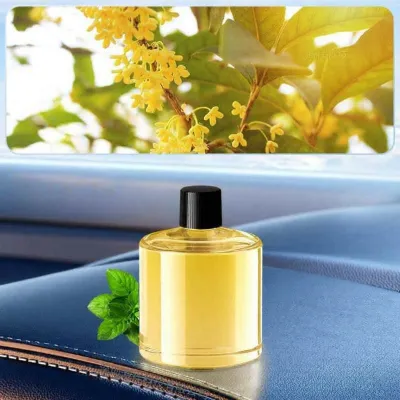
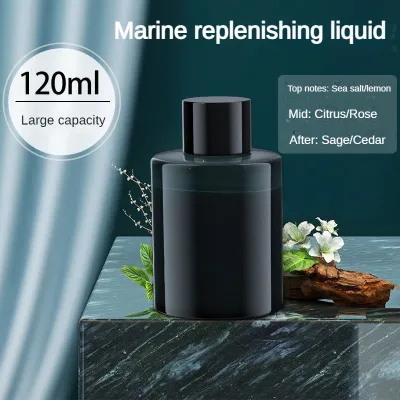
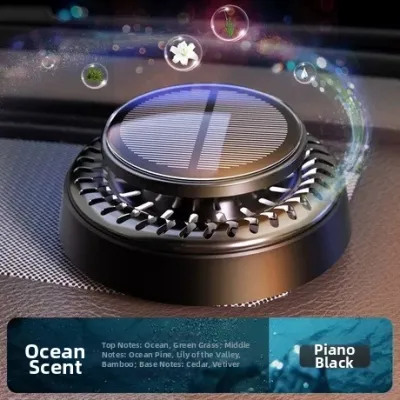
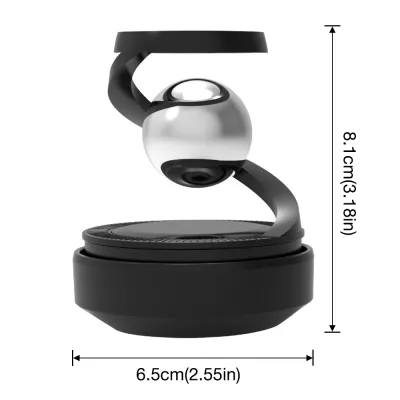

Prices are valid at publication and may change. Please refer to the product page for the latest price.
Heat acts as a thermal accelerator for volatile organic compounds (VOCs) and essential oils. When your vehicle is parked under direct sunlight, the elevated cabin temperature causes these compounds to evaporate at an accelerated rate. This results in an overwhelming burst of fragrance when you first open the car door, followed by rapid depletion of the scent source, leaving the diffuser ineffective within a fraction of its expected lifespan.
High relative humidity further complicates scent delivery, particularly for water-based ultrasonic mechanisms. When the ambient air is already saturated with moisture, the micro-droplets generated by an ultrasonic diffuser cannot easily disperse into the cabin. Instead of floating and distributing the aroma, the mist often condenses quickly, settling as moisture on nearby dashboard plastics, leather trim, or electronic components.
Humidity also affects passive absorbent materials like felt pads, cardboard, or porous ceramics. These materials naturally absorb moisture from the surrounding air. In high-humidity environments, the material can become saturated with water vapor, leaving less physical capacity to hold essential oils and hindering the natural evaporation process required to release the fragrance.
It is crucial to distinguish between a car parked in the sun and one being driven with the air conditioning running. While active driving with climate control stabilizes the cabin’s temperature and lowers humidity, a parked vehicle acts as a greenhouse. A successful car aroma diffuser must be resilient enough to withstand these extreme daily thermal cycles without malfunctioning or degrading.
Evaluating Common Diffuser Mechanisms for Tropical Climates
Selecting a diffuser requires evaluating how its specific mechanism interacts with heat and moisture. Different designs offer distinct trade-offs in scent control, maintenance, and physical stability.

Active Diffusers (Nebulizers, Ultrasonic, and Heat-Based)
Active diffusers use electrical power to disperse fragrance, offering precise control over scent intensity but requiring careful monitoring in tropical conditions.
Waterless nebulizers use high-pressure air to atomize pure essential oils into a fine, dry mist. Because they do not rely on water, they perform exceptionally well in humid conditions, as they do not add moisture to the cabin air. However, you must check the manufacturer’s specifications for oil compatibility and the heat tolerance of internal seals. Direct sunlight on plastic reservoirs can degrade the housing or cause the oil to oxidize rapidly, so placing them away from direct windshield exposure is advisable.
Ultrasonic diffusers use water and ultrasonic vibrations to create a cool mist. In Singapore’s humid climate, leaving standing water in a car reservoir creates an ideal breeding ground for mold and bacteria. If you choose an ultrasonic model, verify that it features an auto-shutoff mechanism and a design that allows the tank to dry completely between uses. You will also need to empty and clean the reservoir frequently to maintain air quality.
Heat-based diffusers use a small heating element to warm the oil or scent pad, accelerating evaporation. In an already hot cabin, ambient heat can compound the device’s operating temperature, causing the fragrance to evaporate at an uncontrollable rate. Check the product label to understand how ambient cabin heat interacts with the heating element, as some models may become excessively hot when left in a parked car.
Passive Diffusers (Vent Clips, Gels, and Solid Media)
Passive diffusers rely on natural evaporation and cabin airflow, making them simpler to use but highly sensitive to environmental changes.
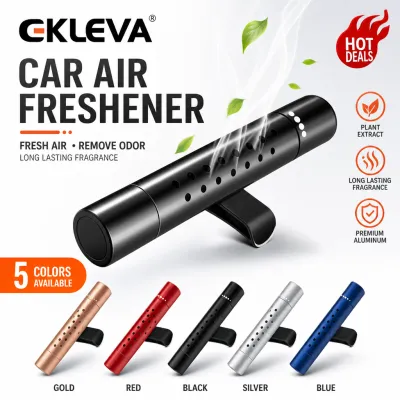
Vent clips attach directly to air-conditioning vents, relying on the airflow from the blower to distribute scent. While convenient, the rapid transition from cold air-conditioning to hot, humid air when the car is parked can cause condensation on the clip. This moisture can degrade the evaporation pads or weaken plastic clips over time, potentially causing the device to slip or crack.
Gels and liquids are highly popular but vulnerable to extreme heat. When cabin temperatures rise, gels can melt, shrink rapidly, or liquefy, posing a significant leakage risk. Always verify that the product formulation is labeled as dashboard-safe and check the maximum temperature threshold specified by the manufacturer to prevent messy spills that can damage your interior.
Solid media, such as natural wood, volcanic stone, or unglazed plaster, absorb essential oils and release them slowly. These materials are physically stable and cannot leak or melt, making them highly resilient in hot cabins. However, high heat accelerates the evaporation of the applied oil, meaning you will need to reapply the scent more frequently than in cooler climates.
Safety, Placement, and Interior Protection Checks
Operating any accessory inside a vehicle requires adhering to strict safety boundaries to prevent physical damage to the car’s interior and ensure safe driving.
Many active diffusers rely on USB power or built-in rechargeable lithium-ion batteries. Leaving lithium-ion batteries in a parked car under direct sunlight in Singapore is a safety hazard due to the risk of thermal runaway and battery swelling. Always check the operating temperature range on the product label, avoid leaving battery-powered devices on the dashboard, and disconnect USB cables when the vehicle is parked for extended periods.
Essential oils and chemical fragrances can act as solvents, permanently damaging dashboard plastics, leather upholstery, and sensitive infotainment screens if spilled. Use secure, spill-proof mounts and verify material compatibility before placing any liquid-based diffuser near premium interior surfaces. If a spill occurs, wipe it immediately with a damp microfiber cloth to minimize damage.
Any accessory added to the cabin must not interfere with safe vehicle operation. Ensure the diffuser’s placement does not obstruct your line of sight through the windshield or side windows. Crucially, check your vehicle’s manual to identify airbag deployment zones and keep the diffuser completely clear of these areas to prevent it from becoming a projectile in an accident.
Maintenance, Monitoring, and Replacement Indicators
A practical maintenance routine ensures your diffuser remains clean, safe, and effective throughout its lifespan.
Regularly inspect your diffuser for signs of environmental wear. Look for oil separation, structural warping of plastic housings, gel melting, or mold growth inside water reservoirs. If the scent profile changes dramatically or smells rancid, the oil has likely oxidized due to heat exposure and should be replaced immediately.
To prevent clogging and maintain performance, follow the manufacturer’s instructions for cleaning. For waterless nebulizers, this typically involves wiping the nozzle with rubbing alcohol to remove thickened oil residue. For ultrasonic models, flush the water tank regularly and dry it completely to prevent bacterial buildup.
Safely dispose of degraded gels, saturated pads, or any device showing signs of battery swelling. If a specific diffuser mechanism consistently fails, leaks, or clogs under your typical parking conditions, consider switching to a more stable passive solid medium.
Frequently Asked Questions (FAQ)
Can I leave my car aroma diffuser in the vehicle overnight?
Whether you can leave a diffuser in your car overnight depends entirely on its mechanism. Passive solid media, such as wood or stone, are generally safe to leave inside the vehicle as they do not contain volatile liquids or electronics. However, electronic diffusers, liquid bottles, and gel cups carry a higher risk of leakage, battery degradation, or rapid evaporation due to overnight humidity and daytime heat buildup. Always check the manufacturer’s specified temperature limits before leaving any active or liquid-based device unattended in your vehicle.
Do essential oils expire faster in a hot car?
Yes, high cabin temperatures significantly accelerate the degradation of essential oils. Heat exposure speeds up the oxidation process, which alters the chemical structure of the oil, degrades the top notes of the fragrance, and can cause a sour or rancid smell. To preserve the quality of your essential oils, avoid storing backup bottles in your glovebox or center console. Instead, keep your main oil supply in a cool, dark place at home and only bring the required amount into the vehicle.

Community discussion
Share your experience or ask a question. Comments are reviewed before publication.