
When you step into a car that has been parked under the Singapore sun for a few hours, the blast of trapped heat is unmistakable. In these tropical conditions, cabin temperatures can easily soar far beyond the ambient outdoor temperature. For car owners looking to maintain a pleasant interior scent, this extreme heat presents a constant challenge: most car air fresheners evaporate or degrade long before their advertised lifespan.
While solid and wax-based formats generally resist rapid evaporation better than pure liquids in high heat, the actual longevity of any car air freshener depends on its specific formulation, packaging, and placement. To get the most value for your money, it is essential to understand how different formats behave under thermal stress and how to select a product designed to withstand tropical climates. This guide compares gel, liquid, solid, and vent clip formats to help you evaluate their physical behavior in tropical climates and choose the most stable option for your vehicle.
How Singapore's Tropical Heat Affects Air Freshener Formats
The fundamental science behind any car air freshener relies on evaporation. Fragrance oils are mixed with carrier solvents that gradually turn from liquid or gel states into vapor, dispersing into the cabin air. However, heat acts as a powerful catalyst in this process.
Products mentioned in this guide
![[SG STOCKS] Car Fragrance Car Air Freshener Auto Perfume Diffuser With Formaldehyde Purifier Metal Aromatherapy Cup Diffuser Starry Sky Roof Rechargeable Auto Start/Stop 160ML Large Capacity SupplementCologne Ocean Gardenia Sandalwood Oolong](https://img.lazcdn.com/g/p/271bbc34a8834835061ca59e4ef11dcf.jpg_400x400q80.jpg_.webp)
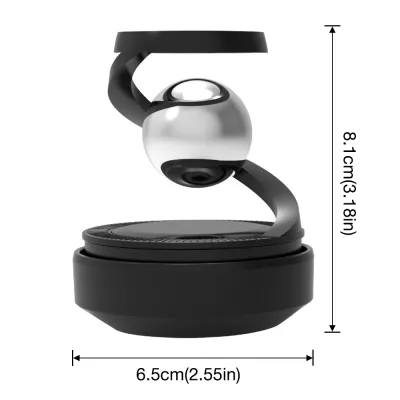
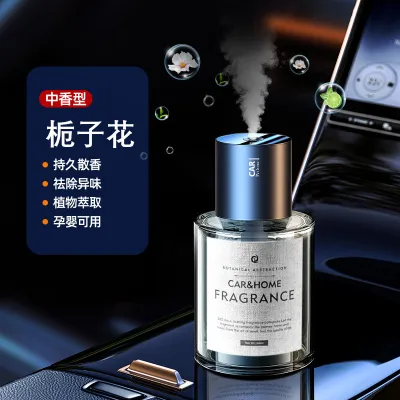
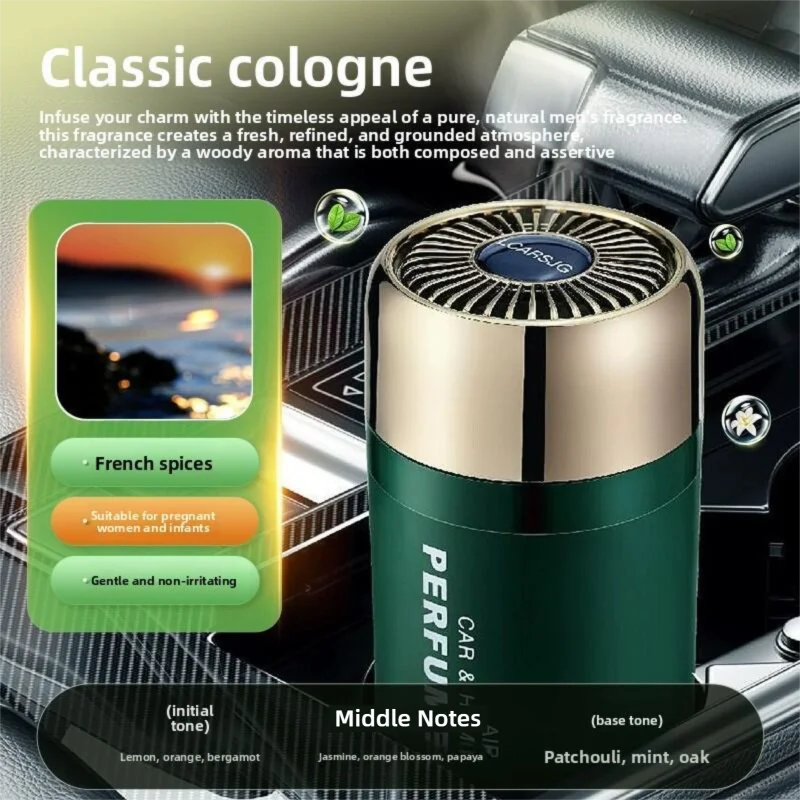

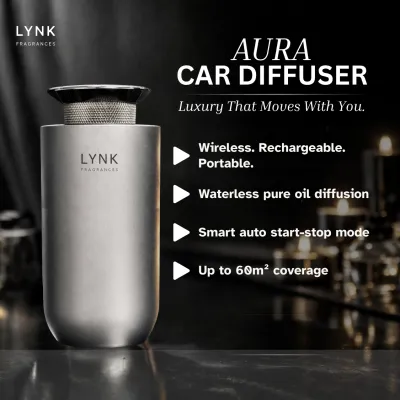
Prices are valid at publication and may change. Please refer to the product page for the latest price.
High temperatures increase the kinetic energy of the molecules, causing the carrier solvents and fragrance oils to volatilize at an accelerated rate. In Singapore’s year-round tropical climate, this means a product designed to last up to 60 days in temperate regions might deplete in a fraction of that time. To find a format that lasts, we must evaluate how different carriers handle sustained thermal exposure and rapid temperature fluctuations.
Liquid and Vent Clip Formats
Liquid car air fresheners, such as hanging bottles with wooden diffusers or liquid-filled cartridges, are highly susceptible to intense heat. These products typically rely on capillary action, where a wick or a porous wooden cap absorbs the liquid fragrance and exposes it to the air.
When your car is parked in an open-air car park, the extreme heat causes the liquid carrier—often an alcohol- or light solvent-based mixture—to evaporate rapidly. This not only leads to premature depletion but also increases the risk of leakage. As the air inside the bottle heats up, it expands, potentially forcing the liquid out of the seals or oversaturating the wooden diffuser. If this concentrated liquid drips onto your dashboard, it can cause permanent chemical damage, melting plastics or stripping the finish off leather surfaces.
Vent clips present a different set of challenges. These devices are designed to clip onto your air conditioning vents, utilizing the active airflow of your car’s ventilation system to distribute the scent. However, when you first enter a hot car and turn on the air conditioning, the initial blast of air is often warm as the system works to cool down.
This hot airflow rapidly strips the fragrance from the vent clip’s membrane or wick. Even once the cabin cools, the constant, direct airflow across the freshener accelerates evaporation compared to passive formats. While vent clips offer excellent scent distribution while driving, their active exposure to both cabin heat and high-velocity airflow means they tend to deplete much faster during the hottest months.
Gel and Solid Formats
Gel-based air fresheners, which include gel beads and solid polymer blocks, are popular for their spill-proof design. However, their performance in tropical heat is highly variable. Most standard gels are water-based emulsions.
In a hot, dry cabin—especially when the air conditioning is running and dehumidifying the air—these gels lose their water content rapidly. This causes the gel to shrink, harden, and form a dry crust on the outer surface, which severely restricts further fragrance release. Furthermore, if a low-quality gel is exposed to direct sunlight on the dashboard, the heat can break down the emulsion, causing the gel to liquefy, separate, or melt entirely, creating a messy liquid that can easily spill.
In contrast, solid formats—such as impregnated organic fiber pads, ceramic diffusers, and high-melting-point wax blocks—offer the highest resistance to rapid thermal evaporation. Because these formats do not rely on a liquid pool or a volatile water-based gel matrix, they are physically more stable.
The fragrance oils are deeply bound within a solid, porous medium. This structure limits the surface area directly exposed to the air and prevents the rapid thermal expansion seen in liquids. While solid formats will still experience accelerated evaporation in a hot car, they release their scent much more gradually and consistently over time. They do not shrink dramatically, melt, or spill, making them the most reliable choice for sustained longevity in tropical climates.
How to Identify Heat-Resistant Formats on Product Labels
Because independent testing data is rarely printed on retail packaging, choosing a heat-resistant car air freshener requires a careful inspection of product labels and specifications. When shopping at local auto accessory shops or online marketplaces, look for products that explicitly state their operating temperature ranges or feature high-heat resistance labels.

High-quality automotive-grade air fresheners are formulated to withstand cabin temperatures up to 70°C or higher without structural breakdown. If a product does not list a temperature rating, check the manufacturer’s website or product documentation to verify its suitability for tropical climates.
Pay close attention to the carrier ingredients listed on the packaging. Formulations that are primarily water-based or alcohol-based are highly volatile and will evaporate quickly when exposed to heat. Instead, look for oil-based, wax-based, or solid polymer formulations. Organic fiber cans and ceramic diffusers often use concentrated, low-volatility fragrance oils that release scent gradually without the need for rapid-evaporating solvents.
Additionally, evaluate the packaging design for heat safety and evaporation control. Opt for products housed in enclosed, adjustable containers. For example, solid fiber cans often come with an adjustable metal or plastic lid that allows you to control the size of the ventilation openings.
In hot weather, you can keep the vents partially closed to restrict airflow and slow down the evaporation rate, significantly extending the product’s lifespan. Spill-proof designs, such as sealed polymer cases or membrane-protected cartridges, are also highly desirable as they prevent any liquefied contents from escaping and damaging your vehicle’s interior if the product does soften under extreme heat.
Safe Placement and Maintenance for Hot Parked Cars
Where you place your air freshener is just as important as the format you choose. To maximize the lifespan of any product and protect your vehicle’s interior, you must avoid high-exposure zones. Never place liquid, gel, or soft plastic air fresheners directly on the dashboard, near the front windscreen, or hanging from the rearview mirror.
These areas receive direct solar radiation, which can raise the surface temperature of your dashboard to over 80°C—far hotter than the ambient cabin air. This extreme localized heat will cause rapid depletion, melting, or chemical degradation of the product, regardless of its quality.
Instead, seek out cooler, shaded locations within the cabin that still allow for adequate fragrance distribution. Placing solid cans or fiber pads under the driver or passenger seat is highly effective; this area remains shielded from direct sunlight and is typically the coolest part of the car.
Cup holders, door pockets, or lower center console compartments are also excellent choices, as they shield the freshener from the sun while allowing natural cabin air circulation to disperse the scent. If you use a vent clip, consider placing it on a lower vent or adjusting the clip’s flow control to the minimum setting to reduce direct exposure to hot air.
For safety and maintenance, establish a routine of checking your air freshener regularly, especially if you frequently park in unsheltered HDB or commercial car parks. If you notice any signs of leaking, melting, cracking, or unusual swelling of the container, remove the product immediately.
If a liquid or gel does leak, wipe it up instantly using a damp microfiber cloth and a mild, material-safe cleaner. Concentrated fragrance oils are strong solvents that can permanently stain, bubble, or dissolve dashboard plastics, instrument clusters, and leather upholstery. Finally, if the fragrance becomes overwhelmingly strong after your car has been parked in the sun, open all the doors and windows for a minute to ventilate the cabin before driving, ensuring a comfortable and safe breathing environment.
Frequently Asked Questions (FAQ)
Can extreme heat cause car air fresheners to explode or leak?
Yes, extreme cabin heat can cause certain formats to leak or rupture. Pressurized aerosol cans or liquid diffusers with airtight seals are particularly vulnerable. As the temperature inside a parked car rises, the air and liquid inside the container expand, increasing internal pressure. If the container cannot withstand this pressure, or if the seal is weak, it can rupture or leak. Always check manufacturer safety warnings and avoid leaving pressurized containers or poorly sealed liquid bottles in a vehicle parked under direct sunlight.
How can I make my car fragrance last longer during hot months?
To extend the lifespan of any car air freshener in tropical conditions, focus on reducing the peak cabin temperature and controlling airflow. Use reflective windshield sunshades when parking outdoors, and try to park in shaded or covered multi-storey car parks whenever possible. Additionally, manage the exposure area of the freshener: partially close the vents on adjustable solid cans, set vent clips to their lowest flow setting, or keep the protective foil partially intact on gel products to slow down the evaporation rate.

Community discussion
Share your experience or ask a question. Comments are reviewed before publication.