
Adhesive mounts generally hold better on Singapore windshields due to their high resistance to extreme cabin heat, whereas suction cups are prone to losing their vacuum seal and falling when parked under direct sunlight. However, the choice is not purely about holding strength. Adhesive mounts can permanently damage aftermarket window tint upon removal, making suction cups or specialized mounting strategies the safer option for tinted windshields.
When choosing a dash cam mount, you must balance the physical stability of your camera against the long-term preservation of your vehicle’s glass treatments. Singapore’s tropical climate creates unique challenges inside parked vehicles, where temperatures can rise rapidly. This guide analyzes how adhesive pads and suction cups perform under these conditions, helping you select the right mounting method for your specific vehicle setup.
How Tropical Heat Affects Dash Cam Mounts
Singapore’s equatorial climate means vehicles parked in open-air car parks are subjected to intense solar radiation. Within a few hours, the greenhouse effect can elevate cabin temperatures far beyond the ambient outdoor temperature. The air inside a sealed car parked under direct sunlight can easily exceed 60 degrees Celsius, with the windshield itself absorbing a significant portion of this heat.
Products mentioned in this guide
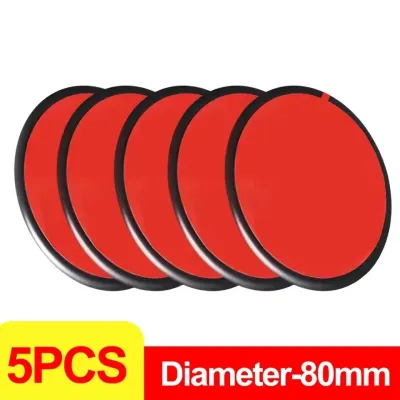
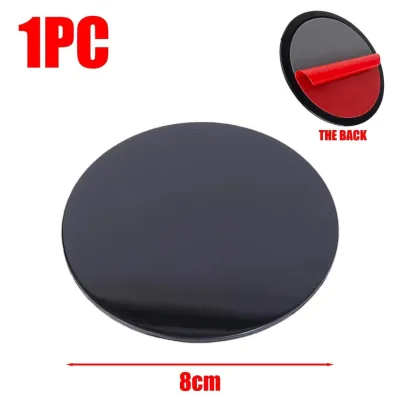
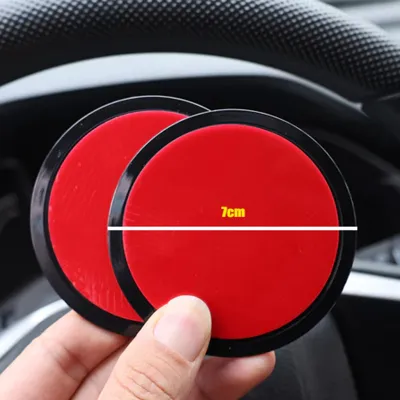
![[Slowball] Flash Sale 1PC Backed Adhesive Sucker Pad For Fixed Pad Double Side Silicone Suction Pad For Mobile Phone Fixture Suction Cup](https://img.lazcdn.com/g/p/e06db12d46a37fc20719b49e1045c8be.jpg_400x400q80.jpg_.webp)
Prices are valid at publication and may change. Please refer to the product page for the latest price.
This extreme thermal environment directly impacts the physical properties of mounting materials. For suction cups, the air trapped inside the vacuum chamber expands as it heats up. At the same time, the flexible plastic or silicone cup expands and becomes softer, which can compromise the airtight seal against the glass. When the vehicle cools down at night, the materials contract, often causing the weakened seal to fail entirely.
Adhesive mounts rely on chemical bonding agents, typically acrylic foam tapes, which are also sensitive to temperature fluctuations. High heat can soften the adhesive polymer, temporarily reducing its shear strength. However, high-quality automotive-grade adhesives are specifically engineered to withstand these elevated temperatures without losing their grip, provided they are applied correctly to a clean surface.
In addition to heat, ultraviolet (UV) radiation from the sun plays a significant role in material degradation. Over months of exposure, UV rays can break down the chemical bonds in standard plastics and low-grade silicone, causing suction cups to become brittle, yellowed, or warped. Once the material loses its flexibility, it can no longer conform perfectly to the curvature of the windshield, rendering the vacuum seal useless. Automotive-grade adhesive pads, particularly those utilizing acrylic foam, are formulated to resist both high thermal loads and UV exposure, maintaining their structural integrity over a much longer lifespan.
Before purchasing any mounting accessory, it is essential to verify the manufacturer’s specified operating temperature range. Both the dash cam and its mounting bracket must be rated to survive the maximum temperatures expected inside a parked vehicle. Operating a mount outside its certified temperature limits can lead to sudden equipment failure, potentially distracting the driver or damaging the camera during transit.
Adhesive Mounts: Stability and Permanent Installation
Adhesive mounts are widely regarded as the most stable option for securing car electronics. By utilizing a semi-permanent chemical bond, these mounts minimize the physical distance between the camera body and the windshield. This rigid connection significantly reduces camera shake and vibration, resulting in clearer, more stable video footage, which is crucial when capturing license plates on bumpy roads.

This high level of stability is particularly beneficial for heavier dual-channel dash cam setups or models with integrated screens and GPS modules. The constant downward pull of a heavy camera can easily overwhelm a standard suction mount over time, whereas a properly cured adhesive pad distributes the weight evenly across its surface area. Once bonded, these mounts rarely fail spontaneously, even during sudden stops or sharp turns.
To achieve their maximum rated holding strength, adhesive mounts require a specific curing period immediately after installation. When you first press the adhesive pad onto the glass, the bond is only partially formed. It typically takes up to 24 hours of undisturbed contact for the polymer chains to fully flow into the microscopic imperfections of the glass surface and establish a complete bond. Hanging a heavy dash cam on the mount immediately after application, especially in a hot cabin, can cause the adhesive to shear and fail prematurely. Planning your installation during a cooler time of day, such as late evening, allows the bond to cure overnight without being subjected to immediate thermal stress.
The primary drawback of adhesive mounts lies in their permanent nature. Removing an adhesive bracket requires deliberate effort and can leave behind a sticky, stubborn residue that is difficult to clean. More importantly, if your vehicle has aftermarket window tint film applied to the front windshield, the bond between the adhesive and the tint film is often stronger than the bond between the film and the glass. Attempting to remove the mount can tear or bubble the expensive tint film, leading to costly repairs.
Consequently, adhesive mounts are best suited for specific windshield conditions. They are highly recommended for vehicles with untinted glass or those equipped with factory-fitted privacy glass where no aftermarket film is present. If you plan to keep the dash cam in the same position for the entire lifespan of the vehicle, the stability of an adhesive mount offers unmatched reliability.
Suction Cups: Flexibility and Reusability
Suction cup mounts offer a level of flexibility that adhesive alternatives cannot match. They allow drivers to install, reposition, or transfer a dash cam between different vehicles in a matter of seconds. This makes them highly convenient for individuals who drive rental cars, use car-sharing services, or prefer to remove their electronics when parking in public areas to deter theft.
Because suction cups rely purely on mechanical vacuum pressure rather than chemical adhesives, they leave no sticky residue on the windshield upon removal. This characteristic makes them exceptionally safe for vehicles with aftermarket window tint films. Since there is no chemical bonding agent to fuse with the polyester layer of the tint, you can detach the suction cup repeatedly without risking physical damage to the film.
However, this convenience comes with a trade-off in long-term reliability, especially in tropical climates. The vacuum seal created by a suction cup is rarely permanent. Over time, microscopic dust particles, moisture, and thermal expansion allow tiny amounts of air to seep into the vacuum chamber. In Singapore’s persistent heat, this degradation occurs more rapidly, meaning the mount may suddenly detach and fall while the vehicle is in motion or parked.
It is also worth noting that not all suction cups are constructed equally. Standard polyvinyl chloride (PVC) suction cups are highly susceptible to temperature changes and tend to harden quickly in tropical climates. Some modern mounts feature a sticky polyurethane gel lining on the suction face, which helps fill minor surface imperfections and improves the initial seal. While these gel-lined cups offer superior initial adhesion on slightly textured surfaces, the gel itself can melt or leave a greasy residue when subjected to extreme windshield temperatures, requiring careful cleaning during maintenance.
To prevent unexpected drops, suction cup mounts require regular inspection and maintenance. Drivers must periodically release the locking lever, clean both the glass and the silicone cup, and re-engage the vacuum mechanism. Additionally, the larger physical profile of suction cup brackets can introduce more leverage, which sometimes translates into minor camera vibrations in the recorded video.
Adhesive vs Suction Cup: Feature Comparison
To help you evaluate these two mounting options side by side, the table below outlines the key performance characteristics of each method under typical driving conditions.
| Feature | Adhesive Mount | Suction Cup Mount |
|---|---|---|
| Holding Strength | High (supports heavy dual-channel cameras) | Moderate (may struggle with heavier models) |
| Heat Resilience | High (automotive-grade acrylic bonds resist heat) | Low to Moderate (vacuum seals degrade in high heat) |
| Tint Safety | Low (risk of peeling aftermarket tint film) | High (safe for tinted glass surfaces) |
| Reusability | Low (requires new adhesive pad for reinstallation) | High (can be repositioned infinitely) |
| Vibration Dampening | Excellent (rigid, low-profile connection) | Moderate (longer brackets can introduce shake) |
When reviewing these features, remember that actual performance depends heavily on the quality of the materials used. Always verify the specific weight limits and installation instructions provided by your dash cam manufacturer to ensure compatibility with your chosen mount type.
Decision Framework: Which Mount Should You Choose?
Selecting the right mount requires a clear understanding of your vehicle’s interior setup and your personal usage patterns. By evaluating a few key factors, you can determine which mounting method will provide the most reliable service without causing unintended damage to your car.
You should choose an adhesive mount if you prioritize a permanent, rattle-free installation and your windshield does not have aftermarket tint film. This option is ideal for drivers who want a “set-and-forget” solution that remains secure through years of daily driving. It is also the preferred choice if you are installing a heavy, high-end dash cam with front and rear cameras, where any mount movement could compromise the recording quality or trigger false parking-mode impact alerts.
Conversely, a suction cup mount is the more appropriate choice if your windshield is protected by aftermarket solar film. It is also the logical option if you frequently switch between different cars or prefer to take your dash cam down when parking in unmonitored areas. If you are leasing a vehicle or plan to sell your car in the near future, a suction cup allows you to retrieve your equipment quickly without leaving any trace of installation behind.
Cable management also influences the long-term success of your chosen mount. A tightly pulled power cable can exert constant lateral tension on the dash cam bracket. For suction cups, this continuous lateral force acts as a lever, gradually peeling the edges of the cup away from the glass until the vacuum seal fails. For adhesive mounts, sustained tension can lead to slow adhesive creep, especially when the cabin is hot and the adhesive is at its softest. Ensuring that your power cable has a small amount of slack near the camera connection point reduces mechanical stress on the mount, extending its operational life regardless of the mounting style.
Before making a final decision, always consult your dash cam’s user manual. Some manufacturers specify a mandatory mounting orientation or require a specific bracket type to maintain warranty coverage. Additionally, check local road safety regulations to ensure that the placement of your mount does not obstruct your forward field of view or interfere with the operation of safety sensors and driver-assist cameras mounted near the rearview mirror.
Safe Installation and Removal Guidelines
Proper installation is critical to maximizing the lifespan and effectiveness of either mounting method. Regardless of the mount you choose, the windshield surface must be meticulously prepared. Dust, grease, and glass cleaner residues can severely compromise both chemical bonds and vacuum seals, leading to premature failure.
To prepare the glass, clean the target area thoroughly using a lint-free microfiber cloth and a dedicated glass cleaner that does not contain ammonia or silicone additives. Ammonia can damage certain window tints, while silicone leaves a slick residue that prevents adhesives and suction cups from gripping the glass. Allow the surface to dry completely before attempting to apply the mount.
If you need to remove an adhesive mount, proceed with extreme caution to avoid damaging the glass or any underlying tint film. Apply gentle heat to the outside of the windshield using a hair dryer on a low setting to soften the adhesive backing. Once the adhesive is warm, use a piece of dental floss or high-strength fishing line in a sawing motion behind the mounting bracket to slice through the foam pad. Stop immediately if you notice any lifting or bubbling of the window tint, and consult a professional detailer if the bond remains too stubborn.
For suction cup maintenance, regular cleaning is the key to restoring lost holding power. If your suction cup begins to fall frequently, detach it and wash the silicone pad with warm, soapy water to remove accumulated dust and oils. Let the cup air dry completely. Clean the corresponding area on the windshield again before re-attaching the mount, ensuring you press firmly on the center of the cup to expel all air before engaging the locking lever.
Frequently Asked Questions (FAQ)
Can I use an adhesive mount on a tinted windshield?
Applying an adhesive mount directly onto aftermarket window tint film is generally not recommended. The strong chemical bond of automotive-grade adhesive can easily pull the tint film away from the glass when you attempt to remove or adjust the mount, causing permanent damage to the film. If you must use an adhesive mount on a tinted windshield, consider placing it on the untinted, dotted black matrix area near the rearview mirror if your vehicle has one, or consult your tint installer for specialized mounting recommendations.
Why does my suction cup dash cam keep falling off in the heat?
Suction cups often fall off in hot climates because the air trapped inside the small vacuum chamber expands when exposed to direct sunlight. This thermal expansion increases the internal pressure, weakening the vacuum seal. Additionally, high cabin temperatures soften the flexible silicone or plastic cup, making it easier for air to seep in from the edges. To resolve this, ensure both the glass and the suction cup are completely clean, and periodically reinstall the mount to refresh the vacuum seal.
Community discussion
Share your experience or ask a question. Comments are reviewed before publication.