
Quick Answer: Canvas Performance in Tropical Climates
Raw canvas is highly breathable but is not naturally 100% waterproof or fully UV-resistant on its own. Because canvas is a woven fabric, untreated fibers contain microscopic gaps that allow water to penetrate during heavy rain and offer minimal protection against intense solar radiation. True weather protection in a tropical climate depends entirely on factory-applied chemical treatments, synthetic blends, and specialized protective coatings.
When shopping for a car cover, relying on the generic label of “canvas” is insufficient. Instead, you must look for specific material compositions, such as poly-cotton or heavy-duty polyester blends, and verify the presence of integrated waterproof membranes and UV-inhibitor coatings. Evaluating these construction details ensures your vehicle remains protected from both torrential downpours and relentless equatorial sunlight.
Decoding "Canvas" Material in Car Covers
To make an informed decision, it is essential to understand what modern automotive “canvas” actually is. Traditional canvas is a heavy, plain-woven fabric historically made from cotton or linen. While exceptionally durable and resistant to tearing, pure cotton canvas is highly absorbent. In a humid environment, an untreated cotton cover will absorb moisture from the air and rain, becoming heavy, slow to dry, and highly susceptible to rot, mold, and mildew.
Products mentioned in this guide
![[24 hours delivery] Upgraded and thickened universal car cover size:M/L/XL/XXL/3XL car cover outdoor protection sunscreen car cover waterproof car shade car cover sun protection car cover outdoor sunscreen](https://img.lazcdn.com/g/p/808f8e56d0f1744f116eabe475a3a1ff.jpg_400x400q80.jpg_.webp)
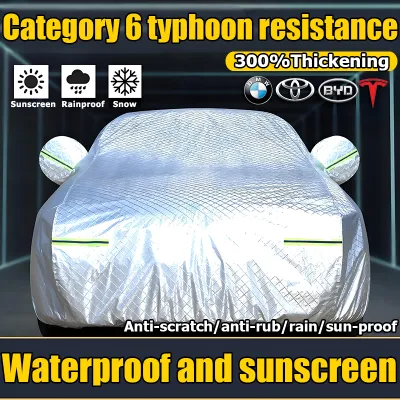
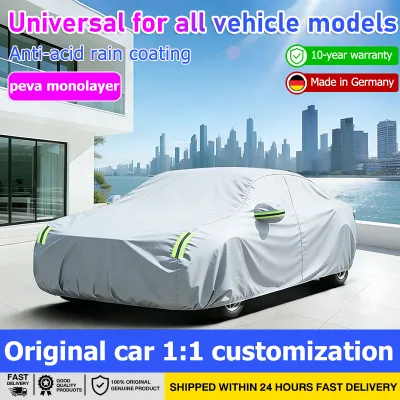
Prices are valid at publication and may change. Please refer to the product page for the latest price.

To overcome these limitations, modern automotive accessories utilize synthetic canvas blends. These are typically composed of polyester-cotton (poly-cotton) blends or 100% heavy-duty woven polyester designed to mimic the texture and strength of traditional canvas. These synthetic fibers absorb far less water, dry much faster, and offer inherently better resistance to environmental decay while maintaining the rugged durability associated with canvas.
One of the primary benefits of a canvas-style weave is its natural breathability. In tropical regions, high humidity combined with temperature shifts between day and night leads to condensation forming on the vehicle’s surface. A breathable cover allows this trapped moisture to evaporate through the fabric, preventing paint blistering, rust, and mold growth under the cover.
However, this breathability means the base fabric is not naturally impervious to water. To achieve water resistance, manufacturers must apply specialized coatings, such as polyurethane (PU) or acrylic, to the underside of the fabric. These coatings seal the gaps between the woven threads, creating a barrier against liquid water while attempting to preserve some level of vapor breathability.
Verifying Waterproof Claims for Heavy Monsoon Rain
Tropical monsoon seasons bring sudden, intense downpours that can quickly saturate standard fabrics. To ensure a canvas cover can protect your vehicle during a heavy storm, you must verify its waterproof capabilities through specific technical details rather than relying on vague marketing claims.
Start by checking the product specifications for a hydrostatic head rating or a detailed description of the waterproof coating. A hydrostatic head rating measures the water pressure (in millimeters) that a fabric can withstand before water starts to penetrate. While not all car covers list this exact metric, high-quality options will explicitly detail the use of a heavy-duty polyurethane (PU) or polyvinyl chloride (PVC) backing. If a product is only labeled as “water-resistant” or “water-repellent,” it is designed to shed light showers and will eventually saturate and leak during a sustained tropical downpour.
The seams of the cover are the most common failure points during heavy rain. Even if the canvas fabric itself is completely waterproof, water can easily seep through the tiny needle holes created during the stitching process. To prevent this, high-quality covers feature seams that are sealed, taped, or heat-welded on the interior. When evaluating a cover, look for explicit mentions of fully taped or sealed seams in the product specifications.
Understanding the functional difference between water-resistant and waterproof is critical for long-term vehicle protection. A water-resistant cover is suitable for temporary outdoor use or under a carport where it only needs to deflect light overspray. For vehicles parked completely in the open, a fully waterproof cover with sealed seams is necessary to prevent water from pooling on the paint and seeping into sensitive areas.
Checking UV Resistance Against Intense Equatorial Sun
The intense solar radiation near the equator can cause severe damage to a vehicle’s exterior and interior. Over time, ultraviolet (UV) rays break down the chemical bonds in automotive clear coats, leading to oxidation, fading, and peeling. Inside the cabin, UV exposure cracks leather seats and warps plastic dashboards. A car cover must act as an effective barrier against these destructive rays.
When evaluating a canvas cover, look for explicit Ultraviolet Protection Factor (UPF) ratings or claims of integrated UV-inhibitor treatments. High-quality covers are treated with chemical UV stabilizers during the manufacturing process. These stabilizers absorb or dissipate harmful UV radiation, protecting both the vehicle underneath and the cover itself from premature degradation.
The color and finish of the cover also play a major role in managing heat and solar radiation. Reflective outer layers, metallic coatings, or light colors such as silver, light grey, or white are highly effective at reflecting sunlight away from the vehicle. This reflective property not only blocks UV rays but also significantly reduces heat buildup inside the cabin, preventing the interior from reaching extreme temperatures.
In contrast, untreated natural canvas is highly vulnerable to photodegradation. Constant exposure to direct sunlight causes the organic fibers to become brittle, lose their tensile strength, and shrink. This leads to premature tearing, especially when the cover is subjected to high winds during storms. Therefore, verifying that the cover has been treated with UV inhibitors is essential for ensuring its longevity and protective capabilities.
Multi-Layer Constructions: The Practical Weather Solution
To achieve the ideal balance of durability, water resistance, and paint protection, modern automotive covers often utilize multi-layer constructions. These engineered designs combine different materials to address the specific challenges of outdoor vehicle storage.
A high-quality multi-layer cover typically features a tough, canvas-like outer layer made of woven polyester or poly-cotton. This layer provides the necessary abrasion resistance, tear strength, and durability to withstand wind, debris, and bird droppings. Beneath this outer shell, middle layers house the primary weatherproofing elements, such as breathable waterproof membranes and UV-blocking films.
The innermost layer is designed specifically to protect the vehicle’s delicate clear coat. This layer is usually made of a soft, non-abrasive material, such as non-woven polypropylene, cotton flannel, or fleece. This soft backing prevents the cover from scratching the paint as it moves with the wind or during installation and removal.
When evaluating multi-layer cover specifications, use the following checklist to ensure comprehensive protection:
- Outer Layer: Heavy-duty woven synthetic fabric with integrated UV stabilizers.
- Middle Layer: Breathable, waterproof membrane (such as polyurethane) that blocks liquid water but allows moisture vapor to escape.
- Inner Lining: Soft, non-woven microfiber, fleece, or cotton backing to prevent clear coat scratches.
- Seam Construction: Double-stitched seams reinforced with waterproof seam tape.
- Securing Features: Heavy-duty elasticized hems, adjustable under-body tie-down straps, and windproof buckles to keep the cover securely in place during high winds.
Maintaining Your Cover in High Heat and Humidity
The combination of high heat, intense humidity, and frequent rain creates a challenging environment for any car cover. Proper maintenance is essential to prolong the cover’s lifespan, preserve its protective coatings, and prevent damage to your vehicle.
Perform regular visual inspections of your cover to identify early signs of wear and tear. Check the underside for any peeling or flaking of the waterproof coating, and inspect the seams for lifting tape. Additionally, look for any signs of mold, mildew, or algae growth, which can thrive in warm, humid conditions if the cover remains damp for extended periods.
When cleaning the cover, always use gentle methods to avoid stripping away the protective treatments. Wash the cover while it is installed on the vehicle using a soft sponge, mild pH-neutral soap, and lukewarm water. Gently wipe away dirt, bird droppings, and tree sap. Avoid harsh household detergents, bleach, and high-pressure washers, as these can permanently damage the waterproof membranes and UV-resistant coatings.
Never fold or store a wet or damp car cover. Trapping moisture inside a folded cover creates an ideal environment for mold and mildew to grow, which can ruin the fabric and transfer unpleasant odors to your vehicle. Always ensure both the vehicle’s surface and the cover are completely dry before folding and storing. If you must remove a wet cover, hang it up to dry in a well-ventilated, shaded area as soon as possible.
Frequently Asked Questions (FAQ)
Will a canvas car cover scratch my car's paint?
Single-layer raw canvas covers have a relatively coarse texture that can act like fine sandpaper if rubbed against your vehicle’s paint. When wind causes the cover to shift, or when you slide the cover on and off, any trapped dust, dirt, or grit between the canvas and the paint can cause micro-scratches and swirl marks in the clear coat. To prevent this, always choose a cover that features a soft, non-woven inner lining or a plush fleece backing designed specifically to protect delicate automotive finishes. Additionally, ensure your vehicle is clean and free of dust before putting the cover on.
How do I know when to reapply waterproofing treatments?
The lifespan of a cover’s waterproof coating depends heavily on environmental exposure and the manufacturer’s original specifications. You can easily test the effectiveness of the water resistance by spraying a small amount of clean water onto the cover’s surface. If the water beads up and rolls off cleanly, the treatment is still fully functional. If the water quickly soaks into the fabric and darkens the material, the coating has degraded. Before applying any aftermarket water-repellent sprays, consult the product’s care label or manufacturer instructions to ensure compatibility and avoid damaging the fabric’s breathability.
Community discussion
Share your experience or ask a question. Comments are reviewed before publication.