
Protecting a vehicle parked outdoors in Singapore requires a shield capable of handling extreme environmental contrasts. MGOB car covers are widely available on online marketplaces, but whether they can truly withstand the country’s intense ultraviolet (UV) radiation and sudden monsoon downpours depends entirely on the specific material composition and construction of the model you choose. A basic, single-layer cover will quickly degrade under the tropical sun, while a completely non-breathable waterproof cover can trap moisture and ruin your car’s paintwork.
To ensure your vehicle remains protected, you must look beyond generic marketing terms and actively verify the technical specifications on the product packaging. This guide provides a practical framework for evaluating MGOB covers against Singapore’s harsh climate, inspecting existing covers for signs of wear, and maintaining the material to maximize its protective lifespan. Always consult your vehicle’s manual and the cover manufacturer’s instructions to ensure a safe, secure fit that does not compromise paint safety or vehicle components.
Climate Demands: What Singapore's Weather Requires from a Car Cover
Singapore’s equatorial climate presents a dual threat to automotive exteriors: relentless solar radiation and high-volume precipitation. The UV index frequently reaches extreme levels, accelerating the degradation of clear coats, rubber seals, and interior plastics. When a car is parked in an open-air car park or an unsheltered driveway, interior cabin temperatures can soar. A car cover must feature high UV reflectivity to bounce these rays away, preventing the fabric itself from becoming brittle and tearing over time.
Products mentioned in this guide
![[24 hours delivery] Upgraded and thickened universal car cover size:M/L/XL/XXL/3XL car cover outdoor protection sunscreen car cover waterproof car shade car cover sun protection car cover outdoor sunscreen](https://img.lazcdn.com/g/p/808f8e56d0f1744f116eabe475a3a1ff.jpg_400x400q80.jpg_.webp)
Prices are valid at publication and may change. Please refer to the product page for the latest price.
In addition to the sun, the region experiences sudden, heavy monsoon downpours that dump large volumes of water in minutes. A cover must possess high hydrostatic resistance to prevent water from seeping through the fabric and settling on the paint. Furthermore, these storms are often accompanied by strong wind gusts. Without robust anchoring systems, such as heavy-duty straps and secure buckles, a cover can easily be blown off, exposing the vehicle and potentially scratching the paint as it slides across the bodywork.
Finally, the ambient humidity in Singapore consistently hovers around 80% to 90%. This high moisture content creates a breeding ground for mold, mildew, and paint osmosis—a condition where trapped moisture penetrates the clear coat, causing unsightly blistering. A completely sealed, non-breathable plastic cover acts like a greenhouse, trapping condensation rising from the ground or evaporating from a warm engine. Therefore, effective ventilation and material breathability are non-negotiable requirements for any tropical car cover.
Verifying MGOB Specifications for UV and Water Protection
When shopping for an MGOB car cover, you should carefully inspect the product specifications and labels rather than relying on broad “all-weather” claims. First, look for details regarding the outer material’s UV protection. High-quality covers designed for intense sunlight typically feature a reflective outer layer, such as an aluminum or silver-coated polyester. This reflective surface acts as a mirror, bouncing solar radiation away from the vehicle. Check the product tag for specific UV-resistant ratings or multi-layer descriptions, which indicate that the fabric has been treated to resist solar degradation.

Waterproofing is another critical specification that requires close verification. Look for terms like “hydrostatic head rating” or explicit mentions of taped and sealed seams. While many covers are labeled “water-resistant,” this often means they can only handle light drizzles. For Singapore’s heavy downpours, you need a cover with a high waterproof rating where the seams—the most common point of water ingress—are heat-sealed or double-stitched with waterproof tape. Avoid covers that rely solely on standard stitching, as water will eventually seep through the needle holes.
To combat the tropical humidity, verify that the MGOB cover incorporates breathability features. Look for product descriptions that mention micro-porous membranes or built-in ventilation flaps. These vents are strategically placed to allow rising warm air and moisture to escape while preventing rain from entering. A cover with active ventilation ensures that even if some moisture gets underneath, it can evaporate quickly, keeping the paint dry and preventing mold growth.
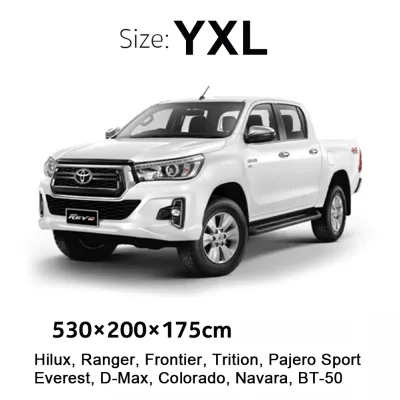
Lastly, check the physical dimensions and securing mechanisms of the cover. A loose cover will flap in the wind, causing the fabric to rub against the paintwork and act like fine sandpaper. Verify that the cover is designed for your specific vehicle model, year, and body style (such as sedan, SUV, or hatchback). Look for elasticized hems at the front and rear, as well as adjustable windproof straps that buckle underneath the chassis. These features ensure the cover remains snug and secure during severe tropical storms.
Inspecting Your MGOB Cover for Real-World Wear and Tear
If you already own an MGOB car cover, regular inspections are vital to ensure it continues to protect your vehicle. Over time, the harsh tropical climate will inevitably degrade even the most durable materials. Start with a visual inspection of the outer fabric. Look for signs of thinning, color fading, or peeling of the reflective silver layer. If the fabric feels brittle to the touch or powdery residue rubs off on your hands, the UV inhibitors have broken down, and the cover is nearing the end of its useful life.
Next, perform a simple water bead test to evaluate the cover’s water-repellent coating. Gently spray water from a garden hose onto the outer surface of the cover while it is on the vehicle. If the water beads up and rolls off cleanly, the hydrophobic coating is still functioning. However, if the water flatly saturates the fabric or dark patches appear where water is soaking through, the waterproof barrier has failed. In this state, the cover will hold moisture against your car’s paint, doing more harm than good.
Pay close attention to the structural integrity of the seams, stitching, and mirror pockets. Inspect these areas for stretching, loose threads, or small tears. Mirror pockets are high-stress points that often show wear first. Any compromise in the stitching can allow water to leak directly onto the vehicle’s body. Also, check the elastic bands and under-car straps to ensure they have not lost their elasticity or suffered dry rot from constant sun exposure.
Finally, examine the inner lining of the cover. High-quality covers usually feature a soft cotton or fleece inner lining designed to protect the car’s clear coat. Over time, this lining can accumulate dirt, dust, and debris. Run your hand along the inside of the cover to check for roughness or embedded grit. If the lining feels abrasive or is heavily soiled, it must be thoroughly cleaned or replaced, as applying a dirty cover to your vehicle will cause micro-scratches on the paintwork.
Maintenance and Care for Tropical Weather Longevity
To maximize the lifespan of your MGOB car cover in Singapore’s demanding climate, establishing a proper maintenance routine is essential. Before applying the cover, always ensure both the vehicle and the cover are completely clean. Putting a cover over a dusty or dirty car traps abrasive particles between the fabric and the paint. As the wind moves the cover, these particles rub against the clear coat, leading to swirl marks and scratches. Additionally, never place a cover on a hot vehicle; allow the engine bay and exhaust system to cool completely to prevent heat damage or fire hazards.
When cleaning the cover, always follow the manufacturer’s specific washing instructions. Avoid using harsh household detergents, bleach, or fabric softeners, as these chemicals can strip away the UV-resistant and water-repellent coatings. Instead, use a mild, pH-neutral soap and a soft sponge or microfiber cloth. Never wash a heavy-duty car cover in a household washing machine or use a high-pressure washer, as the intense mechanical agitation and high-pressure water streams can tear the seams and ruin the waterproof membranes.
Drying the cover properly is critical to preventing mold and mildew growth. After washing, or after a heavy rainstorm, hang the cover to dry completely in a shaded, well-ventilated area. Avoid leaving it bunched up or storing it while still damp. Storing a wet cover in a trunk or storage bag in Singapore’s high humidity will lead to rapid mold infestation and unpleasant odors, rendering the cover unusable.
Eventually, all car covers reach the end of their service life. If you notice persistent leaks, severe fabric tearing, or a degraded inner lining that threatens your paintwork, stop using the cover immediately. Continuing to use a compromised cover can trap moisture permanently against your vehicle, leading to costly paint repairs. When in doubt, consult the manufacturer’s guidelines or invest in a replacement cover to maintain optimal protection.
Frequently Asked Questions (FAQ)
Will a car cover trap heat and damage the paint in Singapore?
Yes, a non-breathable car cover can trap heat and humidity, potentially damaging your vehicle’s paint. In Singapore’s hot and humid climate, moisture from the ground or air can condense underneath a sealed cover. When the sun heats the covered vehicle, this trapped moisture can cause paint blistering or clear coat clouding. To prevent this, always choose a cover with built-in ventilation flaps or micro-porous materials that allow moisture to escape, and avoid covering a wet car.
How often should I wash my MGOB car cover?
You should wash your car cover every few weeks or whenever it becomes visibly soiled, depending on your parking environment. In Singapore, covers are exposed to heavy rain, tree sap, bird droppings, and industrial fallout. These contaminants can clog the fabric’s pores, reducing its breathability and water-repelling capabilities. Always check the manufacturer’s care label and wash the cover gently using mild soap and water to maintain its protective qualities.

Community discussion
Share your experience or ask a question. Comments are reviewed before publication.