
Many Cateye bike lights are highly capable of handling Singapore’s demanding tropical weather, but their long-term durability depends entirely on the specific model’s Ingress Protection (IP) rating and how well you maintain its physical seals. While the brand is widely recognized for producing reliable cycling accessories, there is no single level of weatherproofing applied across their entire product range. Some entry-level models are only designed to resist light splashes, whereas premium options feature robust sealing built to withstand heavy downpours.
Before purchasing any bicycle light for daily commuting, it is essential to verify the manufacturer’s official specifications for water and dust resistance. Consumer bike lights are engineered to shed falling rain and resist environmental moisture, but they are not designed for complete submersion. Understanding the limits of your specific device is the first step toward ensuring it remains functional throughout the wettest months of the year.
Decoding Water Resistance Specs for Heavy Rain
Navigating Singapore’s sudden monsoonal downpours requires a clear understanding of Ingress Protection (IP) ratings. The IP rating system is an international standard that defines how effectively an electrical enclosure seals against foreign bodies and moisture. The first digit (often replaced by an “X” in bike lights) indicates dust protection, while the second digit represents water resistance, ranging from zero to nine.
Products mentioned in this guide
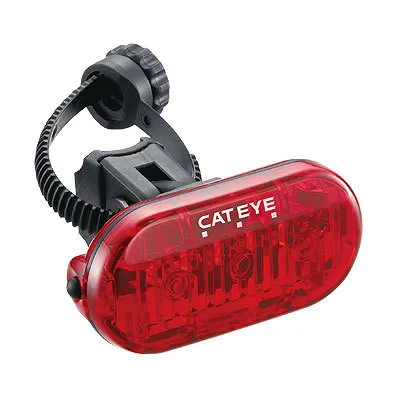
![Cateye Rapid 3 Auto Rear Safety Bike Light Battery [TL-AU630]](https://img.lazcdn.com/g/p/6e0c1525e732215c3785e6b9b1eee08f.png_400x400q80.png_.webp)
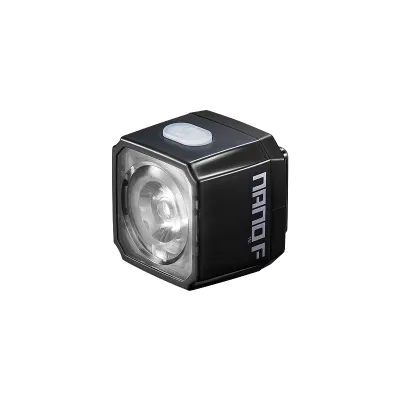
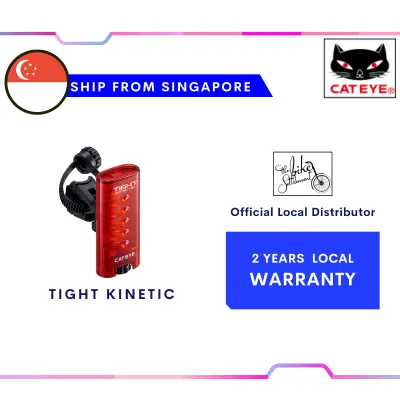
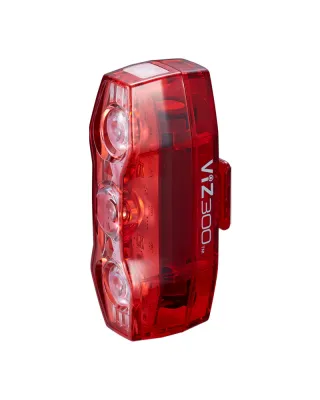
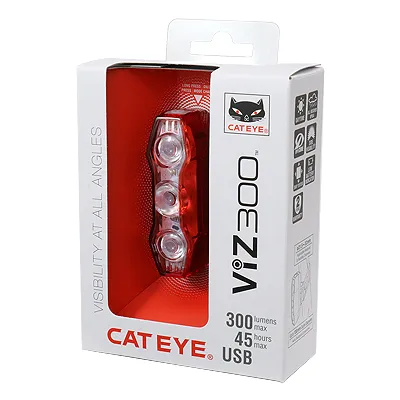
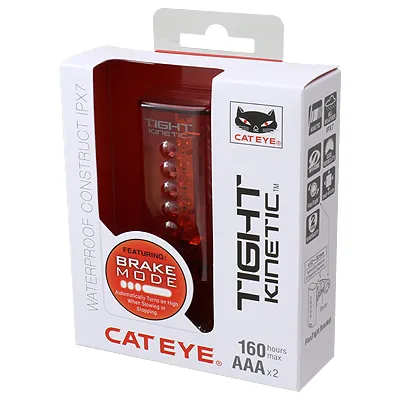
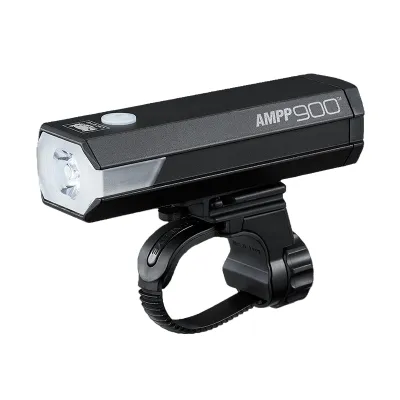
Prices are valid at publication and may change. Please refer to the product page for the latest price.
For cycling in light drizzle, an IPX4 rating is generally sufficient, as it certifies protection against water splashing from any direction. However, during intense tropical storms where water sheets off roads and heavy spray is kicked up by passing vehicles, an IPX4 rating can be pushed to its limits. For reliable daily commuting in all weather conditions, look for models rated at IPX5 (protection against low-pressure water jets) or IPX6 (protection against high-pressure water jets).
When evaluating a Cateye bike light in person or online, pay close attention to several critical physical checkpoints. The most common point of failure for any rechargeable light is the USB charging port. Inspect the rubber or silicone flap covering this port; it should be thick, flexible, and fit tightly into the opening with a distinct, flush seal. If the flap is loose, thin, or easily jarred open, water will inevitably find its way inside during a heavy downpour.
Additionally, examine the battery compartment and housing joints. If the model uses replaceable batteries, verify the presence of a rubber O-ring along the thread or closure seam, which prevents water from seeping into the battery contacts. High-quality lights often utilize sonic-welded plastic housings that minimize the number of open seams, reducing the risk of structural leaks. Always cross-reference these physical features with the official specifications for the exact model you intend to buy, as designs vary significantly across different product lines.
Managing High Humidity and Heat Exposure
Singapore’s climate presents a double challenge: intense rainfall is accompanied by consistently high relative humidity and elevated ambient temperatures. This combination creates a harsh environment for sealed electronic devices. When a bike light is in use, the internal LEDs and circuitry generate heat, causing the air inside the housing to expand.

Once the light is turned off, the internal temperature drops rapidly, creating a slight pressure differential. This pressure drop can draw highly humid ambient air through microscopic gaps in the seals. As this warm, moist air cools inside the light, it condenses into water droplets on the coldest surface, which is typically the inside of the plastic lens. Over time, this trapped moisture can corrode delicate circuit boards and accelerate the degradation of internal lithium-ion batteries.
To protect your equipment, you must learn to recognize the early warning signs of humidity damage. If you notice a fine mist or persistent fogging inside the lens, moisture has already bypassed the seals. Other common indicators include erratic behavior such as flickering, sudden dimming, or the light turning off unexpectedly while riding. Addressing these signs early can prevent permanent electronic failure.
Your storage habits play a major role in mitigating these risks. Avoid leaving your bicycle parked outdoors in direct sunlight for extended periods with the light attached. The intense solar heat can raise the temperature of the light’s housing significantly, which degrades the rubber seals, makes them brittle, and places extreme thermal stress on the battery. Storing the light in a shaded, well-ventilated area when not in use is highly recommended.
Routine Maintenance for Wet and Humid Conditions
Implementing a simple, proactive maintenance routine is the most effective way to extend the lifespan of your bike light in a tropical climate. After completing a ride through a rainstorm, do not leave the light attached to a wet bicycle in a damp parking structure. Take a few minutes to perform basic post-ride care to protect your investment.
First, remove the light from its mounting bracket. Use a clean, dry microfiber cloth to wipe down the entire exterior housing, removing any road grit, mud, and standing water. Pay close attention to the mounting bracket itself, as water often pools in the crevices where the light slides into place. If left wet, this pooled water can degrade the plastic interface or cause any metal mounting screws to rust over time.
Once the exterior is dry, store the light in a well-ventilated, air-conditioned, or dry indoor environment. This allows any residual moisture trapped in the external crevices to evaporate safely. Never store a damp bike light inside a sealed plastic bag or a dark, unventilated drawer, as this creates a high-humidity microclimate that accelerates corrosion.
Before plugging the light into a charger, you must ensure the charging port is completely dry and free of debris. Introducing electrical current to a wet USB port causes rapid galvanic corrosion, which can permanently destroy the delicate metal pins inside the port and render the light unchargeable. If you suspect moisture is inside the port, let it air dry completely, or use a dry cotton swab to gently absorb any visible droplets.
Finally, be mindful of how you clean the device. Never use high-pressure water sprays, such as those found at commercial bike wash stations, directly on the light. The force of the pressurized water can easily bypass rubber seals and flood the electronics. Avoid harsh chemical solvents, degreasers, or alcohol-based cleaners, which can strip away protective coatings and dry out the rubber flaps. A simple wipe down with a damp cloth and mild soapy water is all that is required.
Troubleshooting and Knowing When to Replace
Despite careful maintenance, all electronic accessories eventually wear out. Knowing how to identify irreversible damage is essential for maintaining your safety on the road, as a sudden light failure during a night commute can put you in a hazardous position.
Several definitive failure signals indicate that a bike light is no longer reliable. If persistent internal condensation remains visible inside the lens even after the light has been stored in a dry, air-conditioned room for several days, the weather sealing has failed completely. Similarly, if the battery fails to hold a charge for its rated runtime, or if the light exhibits erratic power cycling—such as turning on or off without input—the internal circuitry has likely suffered water damage.
There is also a strict safety boundary regarding battery health. If you notice the plastic housing bulging, if the light becomes excessively hot to the touch during charging, or if it emits a sweet, chemical, or burning odor, stop using it immediately. These are symptoms of a compromised lithium-ion battery, which poses a serious risk of thermal runaway, leakage, or fire.
When a light reaches this state of failure, replace the unit rather than attempting a do-it-yourself repair. Dismantling a sealed bike light at home will permanently destroy any remaining weatherproofing and void any manufacturer warranties. Investing in a new, fully sealed unit is the only way to guarantee reliable performance and personal safety during your daily commutes.
Frequently Asked Questions (FAQ)
Is it safe to charge my Cateye bike light immediately after riding in the rain?
No, it is not safe to charge the light immediately after a wet ride. You must thoroughly dry the exterior of the housing and inspect the charging port to ensure no moisture is trapped inside before connecting it to a power source. Plugging in a charger while water is present can cause a short circuit, corrode the metal contacts, or permanently damage the internal battery management system.
Should I remove the bike light when parking outdoors in Singapore?
Yes, you should always remove your bike light when parking outdoors. Leaving the light on the bicycle exposes it to prolonged direct sunlight, which degrades the rubber seals and accelerates battery aging due to high heat. Removing the light also prevents opportunistic theft and protects the device from sudden, heavy tropical downpours while the bicycle is unattended.
Community discussion
Share your experience or ask a question. Comments are reviewed before publication.