
A catalytic converter cleaner can help your vehicle pass a failed emissions test in Singapore, but its effectiveness depends entirely on why the vehicle failed in the first place. If the failure is due to minor carbon buildup, soot accumulation, or light residue on the internal catalyst surfaces, a high-quality chemical cleaner can often restore enough efficiency to bring emissions back within legal limits. However, if the failure stems from physical damage, a melted internal substrate, or faulty engine sensors, a chemical additive will not resolve the problem. Understanding the root cause of your vehicle’s high emissions is the first and most critical step before attempting any quick chemical fix.
Understanding Why Your Vehicle Failed the Emissions Test
Before attempting to use any chemical treatment, you must identify why your vehicle failed the emissions test at the inspection centre. Singapore’s Land Transport Authority (LTA) mandates strict limits on exhaust emissions, measuring gases such as carbon monoxide (CO), hydrocarbons (HC), and nitrogen oxides (NOx). A high reading in any of these categories indicates that the combustion process is inefficient or that the exhaust treatment system is compromised.
Common triggers for emission test failures include an overly rich fuel mixture, where too much fuel is injected into the combustion chamber relative to air. This incomplete combustion leaves unburnt hydrocarbons that coat the catalytic converter in soot. Another frequent culprit is excessive engine oil consumption. If your engine has worn piston rings or degraded valve stem seals, engine oil can leak into the combustion chamber and burn along with the fuel. The resulting ash deposits can quickly coat and poison the catalytic converter, preventing it from performing its chemical reactions.
Products mentioned in this guide
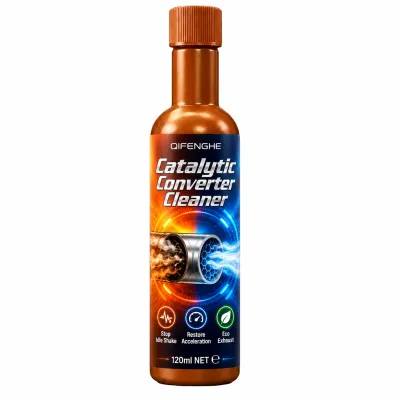
1 Lazada user ratings
The item was well received in the packaging and nicely wrapped. Yet to try, hope quality is good.
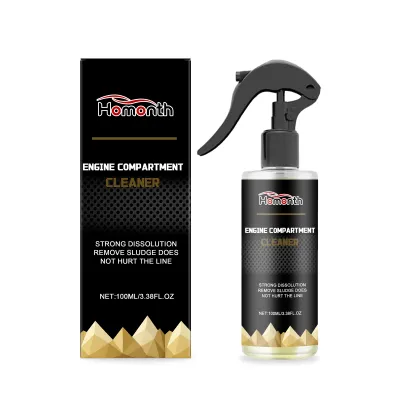
8 Lazada user ratings
Good price and fast delivery. Recommended by friends hope it works well . Will buy more
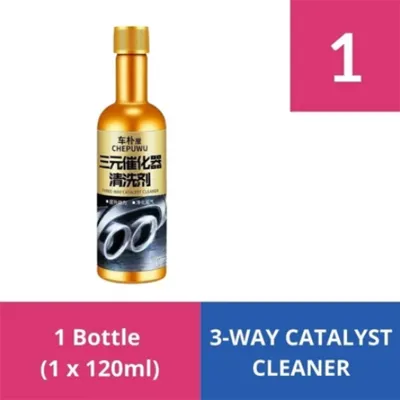
15 Lazada user ratings
Thought was a simple add to fuel like Cataclean but was otherwise. If you r not a DIY Guy than better to get a mechanic to help out.
Received relatively fast. 💪Effectiveness:hope this works to help the engine. hope this works well. havenot try yet.
👌Ease of Use:item well packed and as advertised. delivery also fast. receive within 4days. value for money.
Well packed and Fast delivery!
tight packing , fast delivery
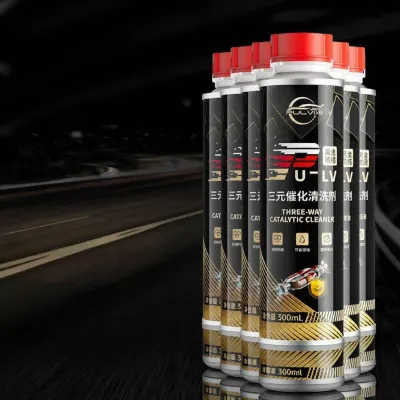
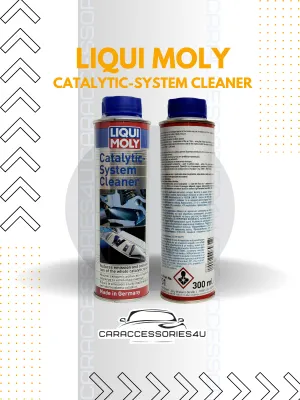
2 Lazada user ratings
The product is definitely worth it, and I'm really happy with the purchase. The seller was friendly, and I had a great shopping experience. …Read full reviewShow less
The product is definitely worth it, and I'm really happy with the purchase. The seller was friendly, and I had a great shopping experience. I'll be back next time I need something!
I think the results are subtle, and the experience was just okay.
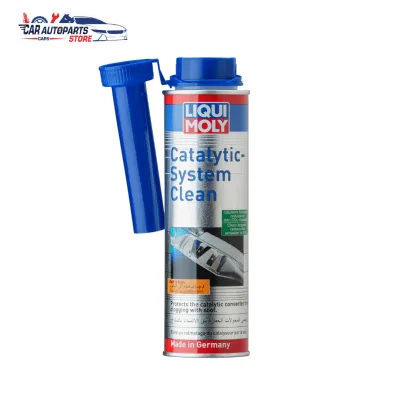
2 Lazada user ratings
Eliane was very helpful with arranging the appointment. Ah Liang, technician is very well versed in Conti cars and they do servicing walnut …Read full reviewShow less
Eliane was very helpful with arranging the appointment. Ah Liang, technician is very well versed in Conti cars and they do servicing walnut flushing as well. You have to book appointment in advance.
Prices are valid at publication and may change. Please refer to the product page for the latest price.
Faulty engine sensors also play a major role in emissions failures. The oxygen sensors and the mass airflow (MAF) sensor monitor the exhaust gases and incoming air to help the engine control unit (ECU) maintain the ideal air-fuel ratio. If these sensors fail or send incorrect data, the engine may run too rich or too lean, leading to elevated emissions that a healthy catalytic converter still cannot fully clean.
To distinguish between minor carbon buildup and severe mechanical failures, you should look for diagnostic clues. If your vehicle’s check engine light is illuminated, you can use an On-Board Diagnostics (OBD2) scanner to retrieve the stored trouble codes. Codes such as P0420 or P0430 specifically point to catalyst system efficiency below the threshold. However, other codes relating to misfires, fuel trim, or sensor faults must be addressed first, as they are often the root causes of the catalyst efficiency drop.
What Catalytic Converter Cleaners Can and Cannot Fix
Catalytic converter cleaners are formulated to target specific types of contamination within the exhaust pathway. These products typically contain active detergents and specialized solvents that survive the high temperatures of the combustion chamber. As these chemicals pass through the exhaust system, they chemically bond with and break down carbon deposits, soot, and light varnish that have accumulated on the ceramic honeycomb structure inside the converter. By clearing these deposits, the cleaner exposes the active precious metals—such as platinum, palladium, and rhodium—allowing them to interact with and neutralize harmful exhaust gases once again.

Despite their chemical capabilities, these cleaners have strict mechanical limitations. They cannot repair physical damage to the catalytic converter. If the ceramic substrate inside the metal casing has melted due to unburnt fuel igniting inside the exhaust, or if it has shattered from physical impact, no chemical additive can restore its structural integrity. Similarly, if the metal casing has developed exhaust leaks or cracks, a cleaner will not seal them.
Furthermore, chemical cleaners cannot fix failing electrical components. If an oxygen sensor has suffered an internal electrical failure or is completely worn out, pouring a cleaner into your fuel tank will not restore its function. You must always check the product labels carefully to understand the intended use cases, active ingredients, and compatibility. Some cleaners are designed solely for carbon removal, while others include fuel system stabilizers or specific detergents meant for diesel particulate filters (DPF).
How to Use a Catalytic Converter Cleaner Safely
Using a catalytic converter cleaner safely requires strict adherence to the manufacturer’s instructions to prevent damage to your engine or exhaust components. The first step is to verify compatibility with your specific vehicle and engine type. Engines run on different fuel types—such as petrol, diesel, or hybrid configurations—and using a cleaner formulated for petrol in a diesel engine can cause severe fuel system damage. Always read the product label and your vehicle’s owner’s manual to confirm that the additive is safe for your specific powertrain.
Verify your vehicle’s model, year, and fuel system specifications from your official documentation before purchasing any additive. Cleaners and care fluids must only be used for their label-authorized purposes; a generic material name does not guarantee safety for sensitive oxygen sensors, internal seals, or fuel system plastics. Ensure the product documentation explicitly states compatibility with your vehicle’s specific fuel system materials to avoid costly damage.
The application method is another critical factor. Most over-the-counter catalytic converter cleaners are fuel tank additives. To use them correctly, you typically need to pour the bottle into a partially empty fuel tank and then refuel with a specific amount of fuel to achieve the correct chemical concentration. Over-concentrating the mixture by adding too much cleaner to too little fuel can damage fuel lines, seals, and fuel injectors. Conversely, under-concentrating the mixture by adding it to a completely full tank may dilute the active ingredients too much, rendering the treatment ineffective.
After applying the cleaner, you must drive the vehicle under specific conditions to allow the chemicals to work. The catalytic converter must reach its optimal operating temperature—typically between 300°C and 800°C—for the cleaning agents to activate and burn off the carbon deposits. In Singapore’s urban environment, short stop-and-go trips will not generate sufficient heat. You should take your vehicle for a sustained drive on the expressway, keeping the engine at a steady operating speed for at least 20 to 30 minutes. This allows the exhaust system to stay hot enough for the cleaner to thoroughly process the accumulated soot.
When to Stop and Seek Professional Exhaust Repair
While DIY chemical treatments are a convenient first step, you must recognize when a catalytic converter is beyond chemical salvage and requires professional repair. There are several clear warning signs of physical catalytic converter failure. If you hear a distinct rattling noise coming from underneath the vehicle when idling or accelerating, the ceramic honeycomb substrate inside the converter has likely shattered. A shattered substrate cannot be cleaned and will eventually block the exhaust flow, leading to severe engine performance issues.
Another warning sign is a drastic loss of engine power, sluggish acceleration, or difficulty starting the vehicle. This often indicates that the catalytic converter is severely clogged or melted, creating excessive exhaust backpressure that prevents the engine from breathing properly. Additionally, a strong, persistent smell of sulfur or “rotten eggs” from the exhaust suggests that the catalyst is no longer converting hydrogen sulfide into odorless sulfur dioxide, indicating complete component failure.
Ignoring these underlying mechanical issues poses significant risks. A clogged exhaust system can cause engine overheating, damaged exhaust valves, and premature wear on other engine components. If you have used a chemical cleaner and the OBD2 diagnostic codes return shortly after clearing them, or if the vehicle continues to run poorly, you must stop using additives. Take your vehicle to a professional workshop where technicians can use advanced diagnostic tools, such as backpressure gauges and exhaust gas analyzers, to physically inspect the exhaust system and determine if a replacement is necessary.
Preparing for Your Next LTA Emissions Inspection
Once you have addressed the potential causes of your emissions failure and applied any necessary treatments, you must prepare your vehicle properly for the re-test at the inspection centre. One of the most common reasons for a borderline emissions failure is presenting a cold vehicle for testing. Catalytic converters require high temperatures to function efficiently. If your vehicle has been idling in a long queue or was only driven a short distance to the testing centre, the catalyst may not be hot enough to convert the exhaust gases effectively.
To prevent this, take your vehicle for a proper warm-up drive immediately before arriving at the inspection centre. Driving on the expressway for 15 to 20 minutes helps ensure that the engine and the entire exhaust system reach their optimal operating temperatures. Keep the engine running while waiting in the queue, if permitted, or ensure the engine is fully warmed up before the inspector begins the test.
Additionally, ensure that basic maintenance items are up to date. Fresh engine oil, clean air filters, and properly functioning spark plugs all contribute to complete combustion, which naturally lowers the level of harmful emissions entering the exhaust system. Remember that chemical cleaners are a maintenance aid designed to support a healthy engine; they are not a guaranteed substitute for replacing worn-out mechanical components or performing required repairs.
Frequently Asked Questions (FAQ)
Will a catalytic converter cleaner turn off the check engine light?
A catalytic converter cleaner will only turn off the check engine light if the warning was triggered by minor carbon buildup that the chemical successfully removed. If the light is on due to a physically damaged converter, a failed oxygen sensor, or an exhaust leak, the error code will remain or reappear quickly after being cleared. You must diagnose the specific OBD2 trouble codes to identify the exact cause of the warning light.
How often should I use a catalytic converter cleaner?
You should strictly follow the usage intervals specified on the product label of the specific cleaner you purchase. Many manufacturers recommend using a cleaner every 3,000 to 5,000 kilometers as a preventive maintenance measure to keep the exhaust system free of carbon buildup. However, frequent chemical use is not a substitute for regular engine servicing, oil changes, and mechanical upkeep.
Can I pass the inspection if my catalytic converter is physically damaged?
No, you cannot pass the emissions inspection if your catalytic converter is physically damaged or has a melted internal substrate. Physical structural failures prevent the precious metals inside the converter from coming into contact with the exhaust gases, rendering the unit useless. No chemical additive can restore or rebuild a broken ceramic structure; the only solution is a complete physical replacement of the component.
Community discussion
Share your experience or ask a question. Comments are reviewed before publication.