
For owners of the BYD Sealion 7, managing cabin heat is a daily priority, especially when navigating tropical climates with intense, year-round solar exposure. Choosing between a front windshield sunshade and a set of side window sunshades often comes down to identifying where your vehicle experiences the greatest thermal load and how you use your car on a daily basis. While both accessories serve to lower interior temperatures, they address different entry points of solar radiation and offer distinct practical advantages.
If you must choose one to purchase first, the front windshield sunshade is generally the most impactful starting point for vehicles parked outdoors. The massive surface area and steep angle of the front glass allow the highest volume of direct sunlight to penetrate the cabin, heating up the dashboard and steering wheel rapidly. However, if your daily routine involves carrying rear passengers who suffer from lateral glare during commutes, or if you primarily park in shaded decks, side window shades may offer more immediate lifestyle benefits.
Heat Rejection and Cabin Temperature Control
The front windshield of the BYD Sealion 7 represents the largest single source of solar heat gain due to its expansive surface area and aerodynamic, raked design. This steep angle positions the glass directly beneath the sun’s path for extended periods, allowing solar radiation to pass through and become trapped inside the cabin. Without a barrier at this primary entry point, the thermal energy quickly transfers to the dark surfaces of the dashboard, steering wheel, and front seats, raising the ambient temperature of the entire vehicle.
Products mentioned in this guide
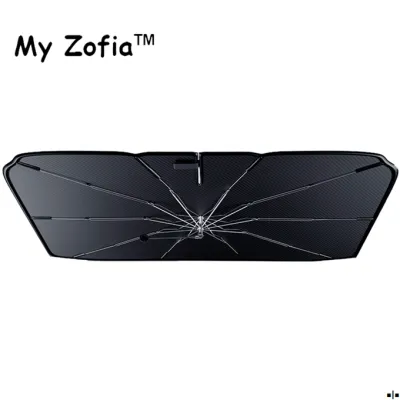

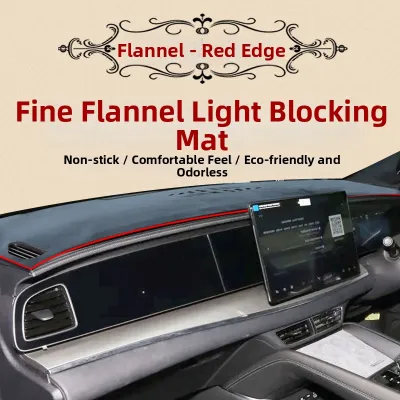
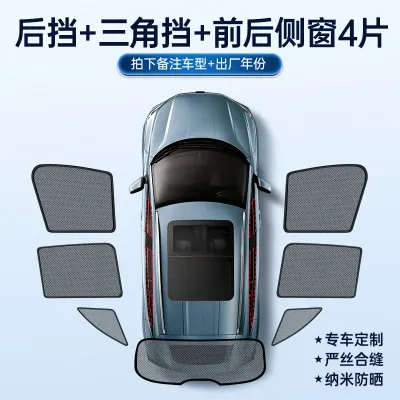
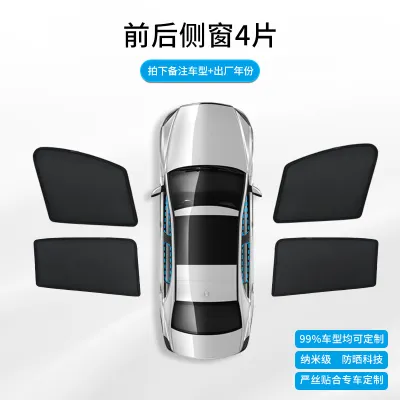
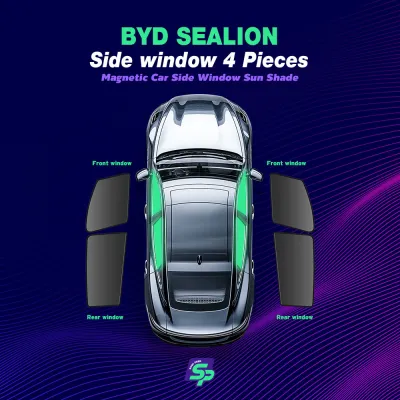
Prices are valid at publication and may change. Please refer to the product page for the latest price.
In contrast, side window exposure is highly dependent on your parking orientation and the time of day. While the side windows have a smaller individual surface area compared to the windshield, they can still accumulate significant heat when the vehicle is parked parallel to the sun’s path. In regions close to the equator, such as Singapore, the afternoon sun strikes at angles that can intensely heat up the rear cabin through the side glass, making the rear seats uncomfortable for passengers before the air conditioning can fully cool the space.
Before prioritizing your purchase, it is essential to verify the specific trim and glass specifications of your BYD Sealion 7. Some model variants come equipped with factory-installed solar-attenuating glass or privacy glass on the rear windows, which inherently rejects a portion of infrared (IR) radiation. Checking your vehicle’s documentation or inspecting the glass markings for solar-control labels will help you determine if your side windows already have a baseline level of thermal protection, which would make a front windshield shade an even clearer first choice.
Interior Protection and Glare Management
Beyond temperature control, sunshades play a critical role in preserving the premium materials inside the BYD Sealion 7. The front windshield directly exposes the vehicle’s large central rotating touchscreen and digital instrument cluster to intense ultraviolet (UV) radiation and extreme heat. Over time, prolonged exposure to these conditions can lead to screen delamination, localized discoloration, or temporary system lag as the electronics struggle to cool down. A high-quality front sunshade acts as a physical shield, keeping these sensitive electronic components within safe operating temperature limits.

Side window sunshades, on the other hand, focus their protective benefits on the cabin’s upholstery and door panels. The lateral sun rays that stream through the side glass can cause leather or synthetic seat bolsters to fade, dry out, and eventually crack. By installing side shades, you safeguard these high-contact areas from premature wear, preserving the aesthetic and resale value of your vehicle’s interior.
Glare management is another area where the two types of shades diverge in utility. Side window shades excel at reducing harsh lateral glare during early morning or late afternoon commutes, providing immediate visual comfort for rear passengers, particularly children or infants in car seats. Conversely, a front windshield sunshade offers no glare reduction while driving, as it must be completely removed and stowed away to maintain a clear, unobstructed view of the road ahead.
Daily Convenience, Storage, and Safety
Integrating sunshades into your daily routine requires evaluating the practical trade-offs of deployment, storage, and safety. Front windshield shades are inherently larger and bulkier due to the dimensions of the glass they must cover. Folding a large, rigid front shade inside the cabin can be cumbersome, especially when passengers are present, and storing it requires dedicated space in the trunk, the rear footwell, or the front trunk if available.
Side window shades offer a more streamlined user experience, particularly those designed with magnetic frames or static-cling materials. Many side shades can remain installed on the rear windows even while driving, eliminating the need for constant removal and storage. However, if you choose to install shades on the front side windows, you must ensure they do not obstruct your view of the side mirrors or blind spots. Driving with obstructed front side windows is a serious safety hazard and is often illegal under local traffic laws; always prioritize an unobstructed line of sight.
Another crucial safety consideration for the BYD Sealion 7 is the placement of advanced driver assistance systems (ADAS) sensors and cameras. These components are housed in the assembly behind the central rearview mirror. When deploying a front windshield sunshade, you must select a design that features a cut-out or flexible section around the mirror housing. Forcing a rigid, poorly fitting shade against this assembly can apply physical pressure to the camera housing, potentially misaligning the sensors or damaging the delicate mounting brackets.
Decision Framework: Which Sunshade to Buy First?
To make the most practical investment for your BYD Sealion 7, use this condition-based framework to determine which sunshade type fits your immediate needs.
You should prioritize the front windshield sunshade if:
- Your vehicle is frequently parked outdoors in open-air parking lots, exposed driveways, or industrial areas without shelter.
- You want to protect the central infotainment screen, digital dashboard, and steering wheel from direct thermal stress and UV degradation.
- Your primary goal is to lower the initial cabin temperature as much as possible before you step inside and turn on the air conditioning.
You should prioritize side window sunshades if:
- You primarily park in sheltered, multi-storey, or underground car parks, meaning your vehicle is rarely exposed to overhead midday sun.
- You regularly travel with rear passengers, children, or pets who require protection from lateral sun glare and heat while the vehicle is in motion.
- You prefer a low-maintenance accessory that can remain semi-permanently installed without requiring daily folding, unfolding, and storage.
Before making your final decision, verify whether your specific BYD Sealion 7 trim already features high-performance factory glass tinting. If your windows have been treated with aftermarket or high-spec factory solar films that offer excellent infrared rejection, the thermal necessity of a front shade is slightly reduced, allowing you to focus on side shades for glare control and privacy.
Pre-Purchase Checklist for Sealion 7 Sunshades
When shopping for sunshades, keeping a few technical specifications in mind will ensure you select a product that is safe, durable, and effective.
- Exact Fitment: Avoid universal "one-size-fits-all" sunshades. The BYD Sealion 7 has specific windshield dimensions and a distinct mirror housing shape. A custom-fit shade designed specifically for this model will prevent light gaps around the A-pillars and ensure the shade stays securely in place without slipping.
- Material Safety: Look for multi-layer reflective materials that utilize high-grade aluminum foil or specialized heat-resistant fabrics. Because cabin temperatures can soar when parked in the sun, cheap materials can degrade and release strong chemical odors or volatile organic compounds (VOCs) into the air. Ensure the product is rated for high-temperature stability.
- Attachment Method: Evaluate how the shade secures to the glass. Suction cups are common but can lose their grip over time due to heat, leaving unsightly circular residues on the glass. Custom-fit rigid frames that wedge securely into the window frame or utilize the vehicle's built-in sun visors for support offer a cleaner, residue-free alternative that is much easier to deploy quickly.
Frequently Asked Questions (FAQ)
Can I use both front and side sunshades together?
Yes, combining both front and side sunshades creates a comprehensive thermal barrier that maximizes heat rejection and interior protection. This full-cabin setup is highly recommended if you regularly park outdoors for long periods in tropical climates, as it blocks solar radiation from all angles and keeps the interior significantly cooler. However, you should consider the cumulative storage space required; packing away a full set of front and side shades can take up valuable space in the cabin or trunk, so look for highly compressible or folding designs.
Do I still need a sunshade if my Sealion 7 has factory privacy glass?
Yes, because factory privacy glass and thermal sunshades serve different purposes. Privacy glass is primarily designed to reduce visible light transmission (VLT) to make the windows darker, but it does not automatically block infrared (IR) heat or ultraviolet (UV) rays unless it is specifically rated as solar-control glass. To determine if you need additional protection, monitor how hot the cabin feels after parking or check the vehicle’s technical specifications; if the interior still absorbs significant heat, adding a dedicated thermal sunshade will provide a noticeable improvement in comfort.
Community discussion
Share your experience or ask a question. Comments are reviewed before publication.