
Quick Answer: Evaluating Brands for the BYD Sealion 7
Selecting the right byd sealion 7 car mat requires looking beyond generic, one-size-fits-all SUV accessories. Because the BYD Sealion 7 features a highly specific right-hand drive (RHD) cabin layout in Singapore, finding a brand that offers an absolute, millimeter-perfect fit is essential for both interior preservation and driving safety. The “best” brand for your vehicle is defined not by marketing claims, but by its use of vehicle-specific 3D laser scanning technology to map the exact contours of the Sealion 7 footwell.
Precise fitment means the mat provides complete coverage of the floor pan without interfering with the electronic accelerator or brake pedals, wraps seamlessly around the center console base, and aligns perfectly with the factory floor retention clips. When evaluating aftermarket brands, look for those that explicitly guarantee a custom mold for the “BYD Sealion 7” rather than bundling it under generic “BYD SUV” categories or templates designed for the Atto 3 or Sealion 6. The floor pans of these vehicles differ significantly due to their distinct platform architectures and powertrain layouts.
For drivers in Singapore, verifying right-hand drive (RHD) compatibility is the single most critical step. Many international listings feature left-hand drive (LHD) configurations where the footrest and pedal clearances are mirrored. Installing an LHD mat in an RHD Sealion 7 is highly dangerous, as the structural molding will block pedal travel and fail to secure to the floor anchors. Prioritize brands that specialize in RHD vehicle accessories and provide clear documentation of their scanning process.
Products mentioned in this guide
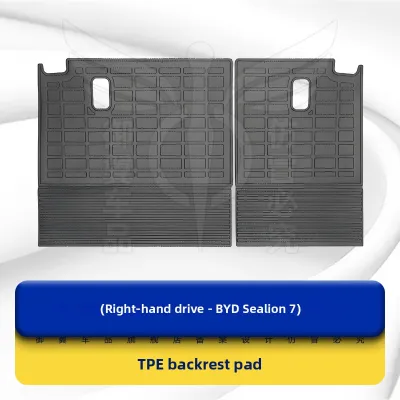
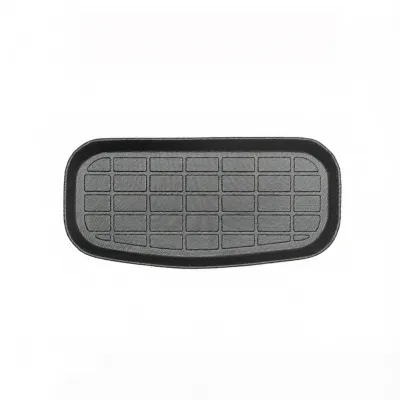
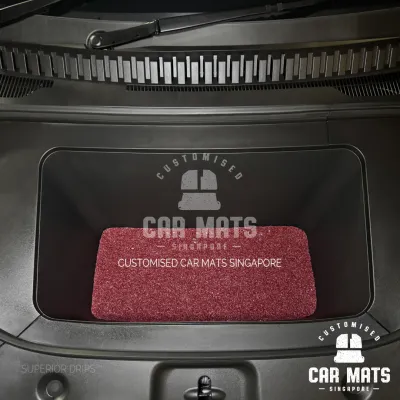
![3D ROYAL Car Mat BYD SEALION 7 [2025 - PRESENT]](https://img.lazcdn.com/g/p/c9fd5365e1afbb08f8dfd62ae0e273af.jpg_400x400q80.jpg_.webp)
Prices are valid at publication and may change. Please refer to the product page for the latest price.
Critical Fit Dimensions for the BYD Sealion 7 Car Mat
To understand why a custom-scanned mat is necessary, you must examine the unique architectural layout of the BYD Sealion 7 footwell. Full-surround mats feature high vertical walls designed to trap dirt and liquid, but these walls must align perfectly with several key interior components to prevent safety hazards and premature wear.

Driver Side Pedal Clearance
The driver’s side footwell is the most safety-critical area of any vehicle interior. The BYD Sealion 7 utilizes a suspended electronic accelerator pedal alongside a traditional brake pedal assembly. A high-quality full-surround mat must feature a precise cutout that allows both pedals to complete their full range of travel without any physical contact with the mat’s vertical lip or floor surface.
Cheap or poorly tailored mats often feature a generic block cutout that can ride up under the dead pedal (the left footrest) or bunch up behind the brake pedal. If a mat is too thick or shifts forward, it can catch the lower edge of the accelerator pedal, potentially holding the throttle open, or restrict the brake pedal from being fully depressed during an emergency stop. The vertical wall adjacent to the accelerator must curve sharply away from the pedal arm to ensure a safe clearance envelope of at least 15mm at all times.
Center Console and Armrest Base
The BYD Sealion 7 features a modern, floating center console design with an open storage area underneath. This architectural element requires a highly complex mat geometry. A true full-surround mat must wrap around the base of this console tightly, ensuring the high vertical edges do not sag or flare outward into the footwells.
In the rear passenger area, the floor is relatively flat due to the dedicated electric vehicle platform, but it still features subtle contours where it meets the rear seat base and the center console’s rear face. The mat must lay completely flat across this central zone without bubbling. Any lifting or bubbling in the center of the rear mat creates a tripping hazard for passengers and causes the edges to pull away from the sides, exposing the factory carpet to dirt and moisture.
Rear Seat Air Vents and Floor Rails
The front seats of the Sealion 7 are mounted on metal adjustment tracks that glide forward and backward via motorized controls. The vertical lips of a full-surround mat must not rise so high that they spill into these tracks. If the mat material is too thick or flares outward, the seat brackets will grind against the mat during adjustment, which can strain the seat motors, damage the mat’s edges, or cause the seat to bind.
Additionally, the rear passenger climate control system relies on air vents located under the front seats. A poorly designed rear mat will block these vents, restricting airflow and reducing the efficiency of the vehicle’s air conditioning system. A premium, custom-scanned mat features precise, low-profile cutouts that sit just beneath these vents, ensuring uninterrupted climate control throughout the cabin.
Door Sill Edge Height
The vertical perimeter of a full-surround mat is designed to meet the plastic door sill plates, creating a protective bucket that traps dirt, mud, and spilled liquids. However, this vertical lip must be engineered to the correct height. If the lip is too low, it fails to protect the carpet from scuffs when passengers enter or exit the vehicle.
Conversely, if the lip is too high or lacks structural rigidity, it will press against the door’s rubber weatherstripping. Over time, this constant pressure can deform the weatherstripping, compromising the cabin’s acoustic seal and leading to increased wind noise at highway speeds. In worst-case scenarios, deformed weatherstripping can allow rainwater to seep into the cabin during Singapore’s heavy monsoon downpours. The mat’s edge must sit flush against the plastic trim, just below the rubber seal.
Material Comparison: TPE vs. XPE vs. Leather for Edge Retention
The material composition of a full-surround mat dictates how well it maintains its shape, traps debris, and resists wear under daily use. In Singapore’s tropical climate, high humidity and extreme cabin heat cycles place unique stresses on automotive materials, making material selection a primary decision factor.
Injection-Molded TPE (Thermoplastic Elastomer)
Injection-molded TPE is widely considered the gold standard for modern, high-precision car mats. TPE is a polymer blend that combines the physical durability of thermoset rubber with the manufacturing precision of injection-molded plastic. Because these mats are molded under immense pressure using steel tools built from 3D scans, they offer unmatched dimensional accuracy.
Pros of TPE mats for the Sealion 7:
- Rigid Edge Retention: TPE mats maintain their vertical wall shape indefinitely, resisting the sagging or flaring common in softer materials.
- Climate Stability: TPE does not warp, crack, or degrade when subjected to intense cabin heat, which can easily exceed 60°C when parked in open-air car parks in Singapore.
- Zero Odor: High-quality TPE is non-toxic and odorless, ensuring no chemical fumes are released into the sealed cabin under high temperatures.
- Easy Maintenance: They can be removed, hosed down, and dried with a microfiber towel in minutes, making them highly practical for daily drivers.
XPE Foam with Coil or Carpet Tops
Multi-layer mats utilizing a Cross-linked Polyethylene (XPE) foam core topped with a vinyl coil (often called “curly mat”) or synthetic carpet layer are popular for their premium look and cushioned feel underfoot. The XPE foam layer provides excellent sound insulation, absorbing road and tire noise that is often more noticeable in quiet electric vehicles like the Sealion 7.
However, these mats rely on heat-pressing to form their vertical edges. While they provide excellent coverage initially, the structural memory of heat-pressed XPE is inferior to injection-molded TPE. Under Singapore’s constant humidity and high cabin temperatures, the internal foam can lose its tension, causing the high side walls to curl inward or sag over time. This curling not only looks untidy but also increases the risk of the mat edges catching on passenger footwear or interfering with pedal travel.
PU Leather with Diamond Stitching
Polyurethane (PU) leather full-surround mats feature a quilted, diamond-stitched pattern that covers almost the entire footwell, extending high up the sidewalls of the center console and transmission tunnel. This style offers a highly customized, luxury aesthetic that completely transforms the look of the interior.
Despite their visual appeal, stitched PU leather mats present significant practical drawbacks in tropical climates. The multiple layers of PU leather, synthetic foam padding, and fabric backing are held together by thread stitching. This stitched construction creates thousands of tiny needle holes. In Singapore’s high relative humidity, these holes can allow moisture from wet shoes or condensation to seep into the inner foam core. Once trapped, this moisture cannot easily evaporate, leading to mold growth, musty cabin odors, and eventual rotting of the underlying factory carpet. Furthermore, the vertical walls of leather mats rely on metal or plastic clips tucked under the plastic interior trim to stay upright; if these clips slip, the heavy leather walls will sag and drape into the footwell.
Climate Context and Material Stability
When choosing a material, consider your parking habits. If your Sealion 7 is primarily parked in shaded, indoor residential and commercial car parks, XPE or premium coil mats can maintain their structural integrity for years. However, if your vehicle is frequently exposed to direct sunlight, the intense heat cycles will rapidly degrade the material memory of non-TPE mats. For long-term precision and safety, injection-molded TPE remains the most stable and reliable choice.
Safety and Installation Checks Before Daily Driving
Installing a new set of full-surround floor mats is a straightforward task, but it requires a systematic safety check before you drive. Because these mats cover a large surface area and sit close to the primary vehicle controls, a minor installation error can have serious safety consequences.
Step 1: Clear the Footwell
Before placing your new full-surround mats into the vehicle, remove all existing floor mats, including the carpet mats provided by the manufacturer. Never stack aftermarket mats on top of factory mats. Stacking prevents the bottom mat from securing to the floor anchors, increases the overall height of the footwell floor, and significantly increases the risk of pedal entrapment.
Step 2: Engage the Factory Retention Clips
The BYD Sealion 7 is equipped with dedicated floor anchor pegs in the driver and front passenger footwells. Your aftermarket mats must feature matching locking rings or retention clips that snap directly onto these pegs. Align the mat carefully and press down firmly until you hear a distinct “click” or feel the clip lock in place. Grasp the mat and pull it forward; if it slides or lifts off the floor easily, the clips are not properly engaged, or the mat’s locking rings are poorly manufactured. Do not drive the vehicle if the driver’s side mat cannot be securely anchored.
Step 3: Conduct the Stationary Pedal Sweep Test
With the vehicle completely powered down (system off) and parked safely, sit in the driver’s seat and perform a manual sweep of the pedals:
- Brake Pedal Check: Depress the brake pedal slowly and firmly to its absolute limit, simulating an emergency stop. Verify that your foot does not catch on the edge of the mat and that the pedal arm does not touch or compress any part of the mat.
- Accelerator Pedal Check: Press the accelerator pedal smoothly all the way to the floorboard. Ensure there is a clear physical gap between the pedal pad and the mat's vertical lip. Release the pedal quickly; it must spring back to its resting position instantly without any friction, sticking, or catching on the mat material.
- Visual Inspection: Use a flashlight to inspect the space behind and around both pedals. If the mat is within 10mm of the pedal's travel path, adjust the mat's positioning or remove it entirely.
Step 4: Verify Seat Track and Door Clearances
Once the mats are secured, adjust both front seats through their full range of motion using the power adjustment controls. Slide the seats fully forward, fully backward, and tilt them to their lowest positions. Listen closely for any grinding, rubbing, or motor strain. If the seat brackets pinch or drag against the mat, the mat must be adjusted or trimmed (only if permitted by the manufacturer’s care instructions) to prevent damage to the seat motors.
Open and close all four doors to ensure the vertical lips of the mats do not catch on the door panels or compress the rubber weatherstripping excessively. The doors should close smoothly with a normal amount of force.
Safety Boundary Warning
If a newly purchased mat fails any of these safety checks—such as causing pedal friction, failing to lock onto the factory pegs, or blocking motorized seat movement—do not attempt to force it to fit by folding, heavy trimming, or using unauthorized adhesives. Unapproved modifications can compromise the structural integrity of the mat and void any product warranties. Remove the non-compliant mat immediately, reinstall your factory mats, and contact the manufacturer or a qualified professional to secure a correctly scanned replacement.
Decision Framework: Choosing the Right Mat Profile
To help you select the ideal byd sealion 7 car mat brand and material profile, use this conditional framework based on your driving habits, maintenance preferences, and parking conditions.
Choose Injection-Molded TPE if:
- You prioritize safety and durability: You want a guaranteed, factory-like fit with rigid vertical walls that will never sag, curl, or slide under the pedals.
- You have an active lifestyle: You frequently track sand from the beach, mud from nature trails, or water from wet umbrellas into the car, and you want a mat that can be hosed off and dried instantly.
- Your car is parked outdoors: Your Sealion 7 is regularly exposed to Singapore's intense midday sun, requiring a material with excellent thermal stability that will not emit chemical odors.
- You prefer a modern, minimalist aesthetic: You like a clean, industrial look that matches the high-tech interior of an electric vehicle.
Choose XPE/Coil Combinations if:
- You prioritize cabin comfort and quietness: You want maximum underfoot cushioning and extra sound dampening to minimize road noise.
- You park mostly in shaded areas: Your vehicle is typically parked in multi-storey or basement car parks, reducing the thermal stress that causes heat-pressed edges to curl.
- You want a softer look: You prefer the traditional feel of carpet or vinyl coils over the utilitarian feel of rubberized TPE.
Avoid Generic "Universal" or Poorly Tailored Leather Mats if:
- You want a hassle-free installation: Generic mats require extensive trimming and rarely align with the Sealion 7's floor anchors, creating immediate safety risks.
- You want to protect your car's resale value: Poorly tailored leather mats can trap moisture underneath, leading to mold growth on the factory carpet that is expensive to remediate.
- You want long-term durability: Cheap leather mats rely on adhesive backings and plastic clips that quickly fail in humid conditions, causing the high side walls to collapse.
The RHD Verification Rule
Before finalizing any online purchase from international marketplaces or local distributors, always cross-reference the product listing with user reviews specifically mentioning the “BYD Sealion 7” in a right-hand drive (RHD) market like Singapore. Ensure the product photos display the driver’s side mat with the dead pedal footrest on the left side and the accelerator cutout on the right. If the seller cannot explicitly confirm RHD compatibility and provide a vehicle-specific fitment guarantee, do not purchase the product.
Frequently Asked Questions (FAQ)
Do I need to remove the factory carpet before installing full-surround mats?
Yes, you must remove the removable factory carpet or fabric floor mats before installing your new full-surround mats. Full-surround mats are engineered to sit directly on top of the vehicle’s permanently installed floor carpeting. Leaving the factory carpet mats underneath prevents the aftermarket mats from laying flat, blocks the factory retention clips from locking securely, and raises the floor height, which can lead to dangerous pedal interference.
Will full-surround mats block the rear AC vents in the BYD Sealion 7?
A properly engineered, 3D-scanned full-surround mat designed specifically for the BYD Sealion 7 will not block the rear passenger AC vents. These vents are located on the floor beneath the front seats. Reputable brands design their rear mats with low-profile vertical walls or specific cutouts in these zones to ensure unrestricted airflow. Always inspect the product photos or consult the manufacturer to verify that these cutouts are present before purchasing.
How do I clean and maintain the edges to prevent them from curling?
To preserve the shape of your mats, avoid using high-pressure jet washers directly on the stitched or heat-pressed edges of XPE and leather mats, as this can delaminate the layers and compromise their structural memory. For TPE mats, standard washing with mild soap and water is perfectly safe. To prevent edge curling on non-TPE mats, avoid leaving the vehicle parked in direct, intense sunlight for extended periods; use a windshield sunshade to lower cabin temperatures, and never fold or crease the vertical walls during removal or cleaning.
Community discussion
Share your experience or ask a question. Comments are reviewed before publication.