
Quick Answer: Choosing the Right Mat for Your Sealion 7
Selecting the ideal floor mats for your BYD Sealion 7 requires balancing interior protection, passenger comfort, and long-term durability. Each common material serves a distinct purpose: TPE (Thermoplastic Elastomer) offers maximum durability and effortless cleaning, XPE (Cross-Linked Polyethylene) provides lightweight cushioning as an internal core layer, and synthetic leather delivers a premium, classic aesthetic.
For Singapore’s hot, humid, and frequently wet climate, high-quality injection-molded TPE is generally the most practical choice. Its waterproof nature, exceptional odor stability under intense cabin heat, and precise 3D-molded fit make it highly effective at containing water and dirt. Synthetic leather mats offer a luxurious look that complements the modern cabin of the Sealion 7, but they require more diligent maintenance to prevent moisture from trapping in the stitching and causing surface wear.
Understanding TPE, XPE, and Leather Mat Construction
To make an informed decision for your vehicle, it is essential to understand how these materials are manufactured and structured. Automotive floor mats are engineered differently depending on whether they prioritize structural rigidity, cushioning, or surface texture.
Products mentioned in this guide
![3D ROYAL Car Mat BYD SEALION 7 [2025 - PRESENT]](https://img.lazcdn.com/g/p/c9fd5365e1afbb08f8dfd62ae0e273af.jpg_400x400q80.jpg_.webp)
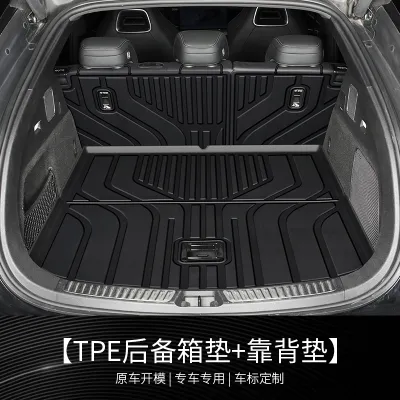
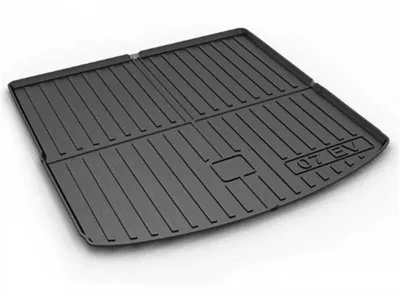
Prices are valid at publication and may change. Please refer to the product page for the latest price.

TPE (Thermoplastic Elastomer)
TPE is a class of copolymer blends that combines the physical durability and chemical resistance of plastics with the flexible, elastic properties of rubber. High-quality TPE floor mats are manufactured using advanced injection-molding processes. This method involves injecting molten material into a high-pressure mold designed specifically for the footwell contours of the BYD Sealion 7.
The resulting product is a single-piece, rigid yet flexible 3D structure with raised walls. Because it is molded as a single continuous sheet, TPE has no seams, stitching, or layered adhesives. This continuous design makes the material inherently waterproof, preventing any liquid from leaking through to the vehicle’s original carpet.
XPE (Cross-Linked Polyethylene)
XPE is a closed-cell foam material recognized for its lightweight properties, thermal insulation, and sound-dampening capabilities. Because of its structural softness, bare XPE foam is rarely used as the top surface of an automotive floor mat, as shoe heels would quickly puncture and wear down the material.
Instead, XPE serves as a crucial middle layer in multi-layer or “sandwich” mat constructions. It provides a comfortable, cushioned feel underfoot and helps block road noise, which is particularly beneficial in a quiet electric vehicle like the BYD Sealion 7. The water-resistant nature of an XPE mat depends entirely on the integrity of the top and bottom layers sealing the foam; if those outer layers are compromised, moisture can eventually find its way into the structure.
Leather (Synthetic/PU Leather)
Most full-surround “leather” car mats are constructed from synthetic polyurethane (PU) leather rather than genuine animal hide. This material is chosen for its ability to mimic the grain, texture, and appearance of luxury upholstery. These mats are typically built using a multi-layer design, featuring a PU leather top surface, a soft foam or XPE core, and a non-slip backing fabric.
These layers are stitched together, often in decorative diamond or hexagonal patterns, to create a tailored, high-end look that matches the premium interior of the Sealion 7. However, this construction introduces physical limitations. The synthetic surface is susceptible to scuffing and scratching from high heels or debris, and the thousands of needle holes created by the decorative stitching can trap dirt, dust, and moisture over time.
Performance in Singapore's Climate and Cabin Safety
Singapore’s tropical environment presents unique challenges for automotive interiors. High ambient temperatures, intense sunlight, sudden downpours, and high humidity levels directly affect how floor mats perform and age inside the cabin.
Heat and Odor Stability
When parked in open-air lots under the tropical sun, cabin temperatures in Singapore can easily exceed 60°C. Under these extreme conditions, low-quality interior accessories can degrade or off-gas, releasing volatile organic compounds (VOCs) and chemical odors into the sealed cabin.
High-quality, automotive-grade TPE is engineered to remain stable and completely odorless across a wide temperature range, ensuring the cabin air remains clean. Conversely, low-grade synthetic leathers, cheap adhesives, or unverified foam backings used in budget mats can soften, warp, or release strong chemical fumes when exposed to high heat. When shopping, always check the manufacturer’s specifications for certified temperature resistance and low-VOC emissions rather than relying on generic marketing claims.
Moisture and Rain Management
Sudden afternoon thunderstorms mean drivers and passengers frequently enter the vehicle with wet shoes and dripping umbrellas. Managing this moisture is critical to preventing mold, mildew, and musty odors inside your EV.
TPE mats excel in wet conditions due to their raised 3D edges, which act as a tray to contain water, mud, and spills. The non-porous surface allows you to easily wipe away pooled water. Synthetic leather mats, however, require careful management. If water sits on a leather mat, it can seep through the stitching lines into the underlying foam core. If the mats are not removed and thoroughly dried, this trapped moisture can cause the synthetic layers to peel, rot, or develop persistent mold.
Pedal Clearance and Anti-Slip Safety
The BYD Sealion 7 is a high-torque electric vehicle that delivers immediate acceleration. Ensuring that your floor mats do not interfere with the pedals is a critical safety requirement.
Rigid, injection-molded TPE mats are structurally stiff enough to maintain their shape over years of use, ensuring they do not warp or curl near the pedals. They are designed to lock directly into the factory floor anchors to prevent sliding. Softer mats, such as multi-layer synthetic leather or XPE-based designs, lack this inherent rigidity. They rely heavily on side clips, Velcro, or high-friction backings to stay in place. If these fasteners wear out or are installed incorrectly, the soft material can bunch up or slide forward, potentially obstructing the accelerator, brake, or dead pedal. Drivers must regularly inspect these mats to ensure they remain securely fastened.
How to Verify Fit, Safety, and Material Quality
Before purchasing or installing any floor mats in your BYD Sealion 7, use the following steps to verify that the product is safe, compatible, and high-quality.
- Verify Vehicle Specificity: The BYD Sealion 7 features a unique electric vehicle floor layout, including specific front seat rail clearances, a flat rear floor, and precise under-seat air vent placements. Never purchase generic mats or mats labeled for other BYD models. Ensure the manufacturer explicitly states compatibility with the Sealion 7.
- Check Material Composition: Review the product label or manufacturer specifications for exact material details. Look for "100% pure TPE" or "medical-grade TPE" rather than vague descriptions like "premium polymer blend" or "eco-friendly plastic," which often mask the use of cheaper, odor-producing PVC.
- Perform a Safety Installation Check: When installing new mats, first remove all existing floor mats. Align the new mats with the factory floor retention clips and press down firmly until they click into place.
- Test Pedal Clearance: Sit in the driver's seat and fully depress the accelerator, brake, and dead pedal one by one. Verify that there is a clear gap of several centimeters between the pedals and the edge of the mat at all points of travel. Ensure the driver's heel pad area lies completely flat against the floor.
Stop Condition: If you notice any pedal obstruction, if the mat shifts during pedal operation, or if the factory clips do not align perfectly, remove the mat immediately and do not drive the vehicle. Consult the manufacturer or vendor to resolve the fitment issue.
Cleaning and Maintenance by Material Type
Proper maintenance preserves the appearance of your mats and extends their service life. Clean your mats using methods tailored to their specific material construction.
TPE Maintenance
TPE mats are the easiest to clean. For light dust, simply wipe the surface with a damp microfiber cloth. For heavier dirt or mud, remove the mats from the vehicle and hose them down with clean water. You can use a mild, pH-neutral car shampoo and a soft-bristled brush to scrub away stubborn grime. Avoid using harsh chemical solvents, bleach, or silicone-based tire dressings, as these can degrade the polymer structure and leave the surface dangerously slippery.
Leather Maintenance
Synthetic leather mats require a gentle cleaning routine to protect the PU surface and stitching. Vacuum the mats regularly to remove loose dirt and grit that can act like sandpaper under your shoes. To clean spills, wipe the surface with a soft microfiber cloth lightly dampened with water or a mild, automotive-specific leather cleaner. Never saturate the mats with water, and avoid using high-pressure washers, as moisture will penetrate the stitching and damage the internal foam layers. Allow them to dry completely in a shaded, well-ventilated area before reinstalling.
Multi-layer/XPE Maintenance
If your Sealion 7 is equipped with multi-layer mats—such as a synthetic leather base with a removable top coil layer—separate the layers during cleaning. Shake out or wash the top coil layer to remove trapped sand and dirt. Vacuum the lower base layer and wipe it down with a damp cloth. Ensure both layers are completely dry before clipping them back together and placing them in the vehicle, as any trapped moisture between the layers will quickly lead to mildew and unpleasant odors in Singapore’s humid climate.
Community discussion
Share your experience or ask a question. Comments are reviewed before publication.