
Singapore’s tropical climate presents a unique challenge for automotive interior accessories, particularly car air fresheners. With ambient outdoor temperatures regularly exceeding 30°C and relative humidity levels hovering around 80%, the interior of a parked vehicle can quickly transform into a high-heat chamber. For drivers considering the Bullsone Grasse diffuser—a popular premium choice known for its sophisticated scent profiles—understanding how these intense environmental factors affect performance is essential. While the diffuser is designed to deliver a refined olfactory experience, Singapore’s relentless heat and moisture directly influence how the fragrance oil evaporates, how the scent notes degrade, and how the physical housing of the diffuser holds up over time. To get the most value out of your purchase, you must evaluate the product’s physical format, verify its temperature limits against manufacturer guidelines, and adopt strategic placement and maintenance habits to prevent rapid depletion or accidental damage to your vehicle’s cabin.
How Tropical Heat and Humidity Affect Car Fragrances
The physical behavior of any liquid- or gel-based car fragrance is governed by thermodynamics, making Singapore’s climate a highly volatile environment for diffusers. When a car is parked under direct sunlight, it experiences a severe greenhouse effect. Solar radiation penetrates the glass windows, heating up the dashboard, seats, and steering wheel, which then radiate heat back into the cabin. Within an hour, the internal temperature of a parked car can rise to over 60°C. Under these extreme conditions, the evaporation rate of the diffuser’s fragrance oils accelerates exponentially. The volatile organic compounds responsible for the scent are forced into the air at a rapid pace, leading to an initial burst of overwhelming fragrance followed by premature depletion of the liquid.
Conversely, when the vehicle is running and the air conditioning system is active, the cabin environment changes dramatically. The air conditioner cools the air and extracts moisture, lowering both the temperature and the relative humidity. This cooling effect slows down the evaporation rate of the fragrance oil, creating a more controlled and subtle scent release. This stark contrast between the hot, stagnant air of a parked car and the cool, dry air of an active cabin means that a diffuser experiences constant thermal cycling. This continuous fluctuation between extreme heat and rapid cooling can destabilize the chemical composition of the fragrance, causing the scent to lose its original balance.
Products mentioned in this guide
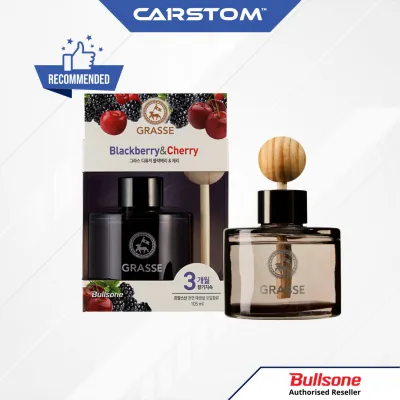
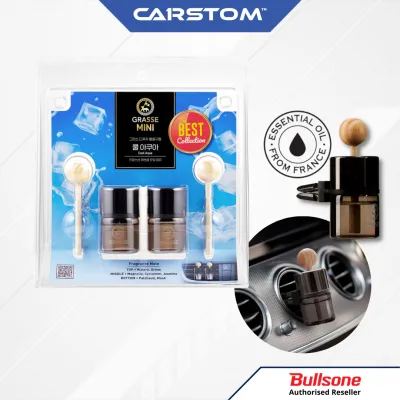
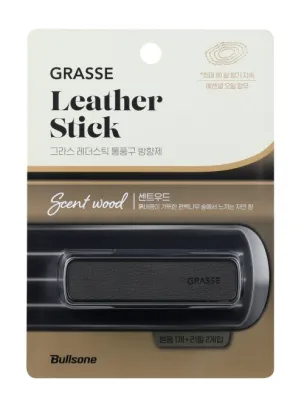
![[Local InStocks 2days Delivery] Bullsone Grasse Diffuser Blackberry & Cherry/Grapefruit/Pure Cotton Aroma](https://img.lazcdn.com/g/ff/kf/Sacb589cd6b794d9c971257c703170f3eY.jpg_400x400q80.jpg_.webp)
![[Local InStocks 2days Delivery] Grasse Blackberry & Cherry 2 Pack Fragrance Diffuser Set](https://img.lazcdn.com/g/ff/kf/S3f444484ffe04be19224d16fc596f111Z.jpg_400x400q80.jpg_.webp)
Prices are valid at publication and may change. Please refer to the product page for the latest price.
Furthermore, high humidity plays a subtle yet significant role in how we perceive fragrances. In a highly humid environment, the air is already saturated with water vapor, which can interfere with the diffusion of lighter, more volatile scent molecules, such as citrus or light floral notes. These delicate top notes may struggle to disperse effectively, leaving only the heavier, more persistent base notes, such as wood or musk, to dominate the cabin. Over time, prolonged exposure to high temperatures and ultraviolet (UV) radiation from the sun can degrade the chemical bonds of the fragrance ingredients. This degradation often alters the scent profile, causing a premium fragrance to lose its complexity and develop a flat, synthetic, or even sour aroma.
Verifying Bullsone Grasse Specifications for Hot Climates
Before installing a Bullsone Grasse diffuser, verify its specific product guidelines and physical characteristics to ensure it can withstand tropical conditions. The Bullsone Grasse lineup features various formats, including liquid diffusers with wood or fiber reeds, gel-based containers, and vent-clip models. Each format reacts differently to sustained heat and humidity, making it essential to understand these physical behaviors.

Carefully inspect the product packaging and the manufacturer’s official documentation for recommended operating and storage temperature ranges. While premium diffusers are formulated to remain stable under typical automotive conditions, extreme tropical heat can push these products to their physical limits. Look for specific warnings regarding maximum temperature thresholds. If the packaging indicates a storage limit lower than the typical 60°C reached inside a sun-exposed parked car, you must take extra precautions to protect the unit when your vehicle is not in use.
The physical state of the diffuser dictates its vulnerability to heat-induced volatility. Liquid diffusers, which rely on capillary action to draw fragrance oil up through reeds, are highly sensitive to temperature. In hot weather, the liquid travels up the reeds much faster, accelerating fluid loss. Gel-based diffusers contain gelling agents that hold the fragrance oils in a semi-solid matrix. Under extreme heat, some gels can melt, shrink excessively, or undergo phase separation, where the oil separates and pools on the surface. This separation compromises scent release and increases spill risks if the container is tilted.
Additionally, examine the casing materials. Premium models often feature glass bottles with plastic or wooden collars, while others use entirely plastic housings. High temperatures can cause certain plastics to soften, warp, or degrade, potentially compromising the seal. Verifying these material specifications helps you choose a format suitable for your daily parking habits.
Strategic Placement for Better Longevity and Scent Quality
Maximizing the lifespan and maintaining the scent quality of your Bullsone Grasse diffuser in Singapore requires strategic placement within the vehicle. The most common mistake drivers make is placing the diffuser directly on the dashboard or securing it to the front windshield area. While this position offers high visibility, it exposes the diffuser to intense direct sunlight and solar heat. The dashboard acts as a heat sink, absorbing thermal energy and transferring it directly to the diffuser’s housing. This localized extreme heat causes rapid, uncontrolled evaporation of the fragrance oil and can warp plastic components or dry out wooden reeds prematurely.
Instead of the dashboard, consider placing the diffuser in areas shielded from direct sunlight but still benefiting from natural cabin airflow. Cup holders located in the center console, door pockets, or a secure spot under the front seats are excellent alternative locations. These positions keep the diffuser in the shade, significantly reducing the thermal stress on the liquid or gel. While the scent may take slightly longer to disperse from a lower position, the overall evaporation rate will be much more stable, extending the life of the product.
If you are using a vent-clip version of the diffuser, you can utilize your vehicle’s air conditioning vents to control scent distribution. When the air conditioning is running, the airflow from the vents helps to carry the fragrance molecules evenly throughout the cabin without relying on high temperatures to vaporize the oil. However, to prevent the airflow from accelerating evaporation too much, make use of any adjustable controls on the diffuser itself. Many vent-clip diffusers feature adjustable vents or dial mechanisms that allow you to restrict or open the exposure of the scent membrane. During the hottest parts of the day, or when parking the car for extended periods, closing these adjustable vents can help preserve the fragrance.
Safety Checks, Maintenance, and Replacement Signals
Operating a car diffuser in a hot climate requires regular safety checks and maintenance to protect your vehicle’s interior. Fragrance oils, particularly those containing natural essential oils or synthetic solvents, can be highly corrosive to automotive materials. If these oils leak or spill onto plastic dashboards, leather upholstery, or synthetic trim, they can dissolve the protective coatings, cause swelling, or leave permanent stains. Therefore, establishing a routine inspection habit is essential.
Every few weeks, perform a quick visual inspection of your diffuser. Check the housing for any signs of warping, cracking, or leakage around the seals. For liquid diffusers, ensure that the wooden reeds or fiber sticks are securely seated and not dripping onto surrounding surfaces. If you notice any condensation or oily residue on the outside of the bottle or on the mounting surface, remove the diffuser immediately and wipe down the area.
You must also pay attention to sensory signals that indicate the fragrance has reached the end of its useful life or has degraded due to heat exposure. If the scent suddenly becomes sour, harsh, or develops a strong chemical undertone that differs from its original profile, the fragrance oils have likely undergone thermal degradation. Continuing to use a degraded diffuser can cause headaches or respiratory discomfort for passengers. When these sensory changes occur, or when the liquid level drops below the manufacturer’s recommended minimum, it is time to replace the unit or the refill cartridge.
In the event of an accidental spill, immediate action is required to prevent permanent damage to your car’s interior. Do not allow the liquid to sit on any surface. Refer to your vehicle’s owner’s manual for specific instructions on cleaning interior materials, as different plastics, leathers, and fabrics require specialized care. As a general safety boundary, immediately blot the spill with a clean, dry microfiber cloth to absorb as much liquid as possible—avoid rubbing, as this can push the oil deeper into the material or spread the damage. Once the excess liquid is removed, clean the area using a mild, material-safe automotive cleaner that is explicitly authorized by the manufacturer for use on that specific surface. Never use harsh household detergents or solvents, as they can exacerbate the damage to delicate automotive plastics and leather coatings.
Frequently Asked Questions (FAQ)
Does leaving the car parked in the sun ruin the fragrance?
Leaving your car parked in direct sunlight can severely compromise the quality and lifespan of the fragrance. The greenhouse effect inside a sealed vehicle can cause cabin temperatures to rise far beyond ambient levels, reaching temperatures that can break down the chemical structure of the fragrance oils. This extreme heat causes the volatile top notes of the scent to evaporate rapidly, leaving behind a flat or distorted aroma. To mitigate this damage, use a high-quality reflective front sunshade to block solar radiation and lower the overall cabin temperature. Alternatively, you can temporarily move the diffuser to a shaded area, such as the glove compartment or center console storage box, when parking the car in unshaded areas for extended periods.
Can I use the diffuser with the air conditioning on recirculation mode?
Yes, you can use the diffuser while the air conditioning is set to recirculation mode, but you should manage the settings to maintain comfortable air quality. Recirculation mode continuously cycles the air already inside the cabin rather than drawing in fresh air from the outside. This causes the fragrance molecules to accumulate, resulting in a much stronger and more concentrated scent. While this can be useful for quickly freshening the cabin, prolonged use of recirculation mode with a high-output diffuser can make the scent overpowering and may cause the oils to settle on interior glass and plastic surfaces. To maintain a balanced environment, alternate between recirculation and fresh air modes during long drives, and adjust the diffuser’s output settings to a lower level when the air conditioning is recirculating.

Community discussion
Share your experience or ask a question. Comments are reviewed before publication.