
Quick Answer: Core Essentials for a Safe Wash
A safe and effective home car wash requires a small, non-negotiable set of tools designed to protect your vehicle’s clear coat. A complete starter car cleaning kit must include a high-quality microfiber wash mitt, a two-bucket system equipped with grit guards, and a dedicated pH-neutral car shampoo. For the drying phase, a plush, high-absorbency microfiber drying towel is essential to prevent water spots. Finally, a separate wheel brush and a non-acidic wheel cleaner are required to tackle brake dust safely.
Skipping these fundamental items and relying on household substitutes or dirty rags introduces abrasive dirt particles to the paint surface. This physical friction leads to unsightly swirl marks, fine scratches, and a dull finish over time. Investing in the correct basic tools is the only way to maintain your vehicle’s aesthetic value and paint health.
Diagnose Your Detailing Needs Before Buying
Before purchasing a pre-packaged car cleaning kit or assembling your own, evaluate your specific vehicle care requirements, environment, and lifestyle. Home car detailing is not a one-size-fits-all task. Your approach will vary depending on whether you perform quick weekly maintenance washes to remove light dust or monthly deep cleans to strip away road grime.
Products mentioned in this guide
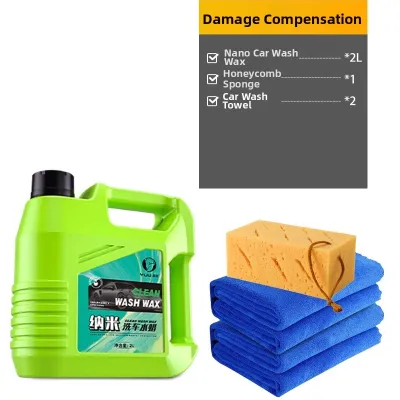
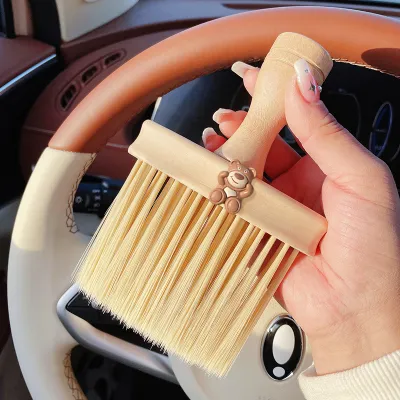
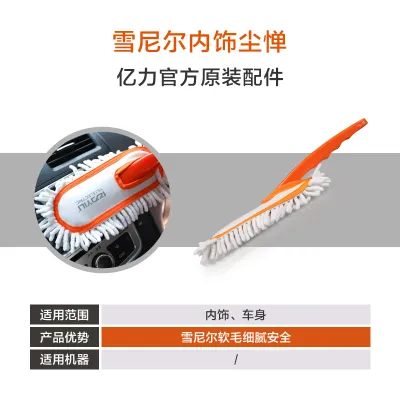
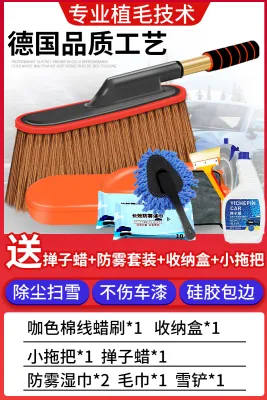
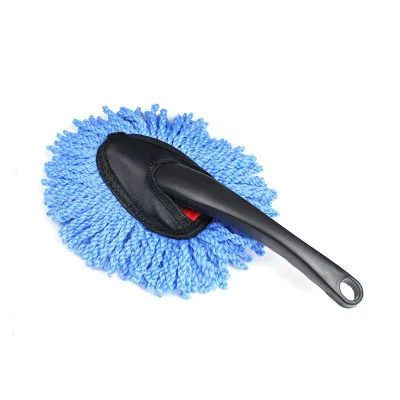
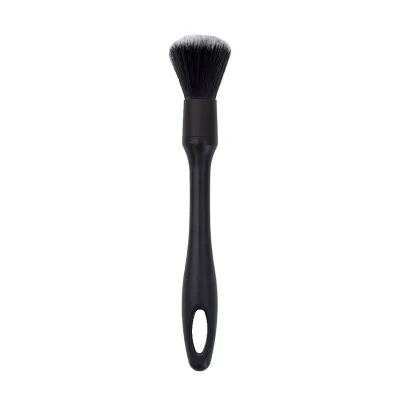
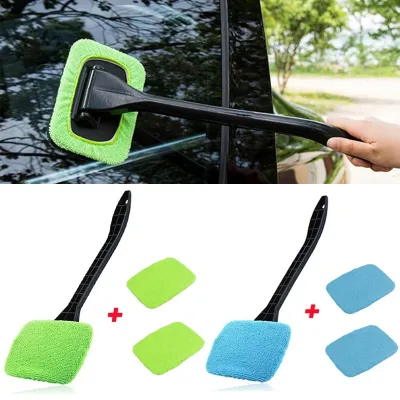
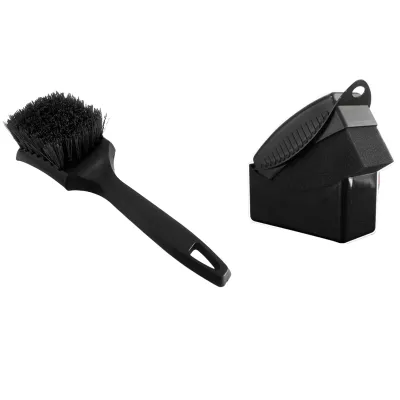
Prices are valid at publication and may change. Please refer to the product page for the latest price.

Assess your vehicle’s current condition. Newer cars with intact paint protection only require gentle maintenance, whereas older vehicles with paint oxidation or neglected leather demand specialized correction compounds and deep-cleaning formulas. Matching your tools to your car’s actual state prevents unnecessary wear on delicate surfaces.
Your physical environment also dictates your tool selection. In tropical climates with intense sun and sudden downpours, water spots can etch into paint quickly if the vehicle is washed in direct sunlight. Furthermore, your housing type determines your water and power access. If you live in an apartment or HDB flat with shared wash bays, a highly portable, bucket-based kit is necessary. If you reside in a landed property with a private driveway, you can utilize a dedicated garden hose, a pressure washer, and a foam cannon setup.
Finally, consider your budget and time commitment. A basic wash-and-go setup requires a modest investment and takes less than an hour per week. A comprehensive paint correction and protection kit, complete with a dual-action polisher, requires a larger financial investment and a commitment of entire weekends. Aligning your kit with these practical realities prevents you from overspending on unnecessary professional-grade tools.
The Essential Exterior Wash and Dry Setup
The foundation of any car cleaning kit is the exterior wash and dry setup, which must prioritize minimizing physical contact friction to prevent paint damage. The gold standard for safe washing is the two-bucket method, utilizing one bucket for soapy water and a second filled with clean water for rinsing, both fitted with grit guards to trap abrasive dirt particles at the bottom.
Your wash mitt should be made of high-quality, long-pile microfiber. This material lifts and traps dirt away from the paint surface, unlike flat sponges that drag dirt across the clear coat. When selecting a car shampoo, look for a pH-neutral formula. These soaps provide excellent lubrication to help the mitt glide smoothly while safely lifting dirt without stripping away existing waxes or sealants. Always check the manufacturer’s label for the recommended dilution ratio.
Wheels and tires require a completely separate set of tools and chemicals due to the highly abrasive nature of brake dust. Never use the same wash mitt or bucket on your paint that you used on your wheels, as this will transfer metallic particles and cause severe scratching. Your kit should include a dedicated wheel bucket, a soft-bristle wheel face brush, and a non-acidic wheel cleaner. Ensure wheel cleaners are used strictly according to the product label instructions to avoid damaging brake components or custom wheel finishes.
Drying is the stage where water spots are most likely to form, especially in warm, humid climates where water evaporates rapidly. To prevent mineral deposits from bonding to your paint, use a large, plush microfiber drying towel. Gently blot or drape it over the surface to absorb water instead of dragging it. Alternatively, a filtered air blower can be used to blow water out of crevices and side mirrors without making physical contact with the vehicle.
Interior and Cabin Care Additions
A clean exterior deserves an equally pristine cabin, which requires tools tailored to the diverse materials found inside your vehicle. The interior of a modern car contains a mix of hard plastics, synthetic fabrics, leather, and glass, each requiring specific care to prevent premature wear.
To address dust in hard-to-reach areas like air vents and dashboard seams, include soft-bristle detailing brushes to agitate debris safely without scratching delicate plastics. For general cleaning, select surface-specific cleaners. A dedicated leather cleaner and conditioner will keep leather seats supple, while an all-purpose interior cleaner diluted according to the manufacturer’s instructions can handle vinyl and hard plastics. Always test any interior chemical on an inconspicuous area first to verify compatibility.
For crystal-clear visibility, your kit must feature a dedicated glass cleaner and streak-free microfiber waffle-weave towels. Waffle-weave towels have a unique texture that traps oils and liquids without leaving lint behind. Avoid using glass cleaners containing ammonia, as they can damage aftermarket window tints and dry out rubber seals.
If your budget and storage space allow, adding a portable wet/dry vacuum to your kit is highly beneficial for extracting loose dirt and sand from carpets and floor mats. For deep stains on fabric upholstery, a dedicated carpet extractor or a fabric cleaning foam with a medium-stiff upholstery brush will help lift embedded grime.
Paint Correction and Protection Upgrades
For car enthusiasts looking to restore a deep, mirror-like shine, upgrading your car cleaning kit with paint correction and protection tools is the next logical step. Over time, improper washing and environmental exposure cause fine scratches and swirl marks that dull the paint’s appearance.
Paint correction physically levels the clear coat to remove defects. The safest tool for beginners is a dual-action (DA) polisher, which oscillates and rotates simultaneously to drastically reduce heat buildup and the risk of burning through paint compared to a rotary polisher. Your correction kit should include a DA polisher, backing plates, and various foam cutting and polishing pads. Always verify compatibility with your vehicle’s specific clear coat type and paint thickness by consulting the manufacturer’s documentation before using mechanical polishers.
When selecting compounds and polishes, match the product’s aggressiveness to the severity of your paint defects. A heavy cutting compound is used for deep scratches, followed by a fine finishing polish to restore gloss. Always perform a test spot first on an inconspicuous area to evaluate the results before polishing the entire vehicle.
Once the paint is corrected, it must be protected from the elements. Your kit should include a high-quality protection product based on your desired durability and application skill. Traditional carnauba waxes offer a warm, deep gloss but require frequent reapplication. Synthetic paint sealants provide longer-lasting protection and are easy to apply. For the ultimate durability, hydrophobic properties, and chemical resistance, ceramic coatings are the premier choice, though they require meticulous surface preparation.
Organizing and Maintaining Your Cleaning Tools
Maintaining and organizing your tools is essential to ensure their longevity and prevent accidental scratches. Cross-contamination is a leading cause of wash-induced paint damage. To prevent this, implement a strict color-coding system for your microfiber towels. For example, reserve blue towels exclusively for paint drying, yellow towels for interior surfaces, and black towels for dirty areas like wheels and door jambs.
Proper care of your microfiber towels is critical to maintaining their softness and absorbency. Wash them separately from household laundry to prevent cotton lint from embedding in the microfiber. Use a dedicated microfiber wash detergent or a gentle, dye-free liquid detergent, and never use fabric softeners or bleach, as these chemicals clog the microscopic fibers. Air dry your towels or tumble dry them on a low, no-heat setting.
Store your detailing chemicals in a cool, dry, climate-controlled environment away from direct sunlight. Extreme heat can cause chemical emulsions to separate, rendering expensive polishes, waxes, and sealants useless. Regularly inspect your brushes, wash mitts, and polishing pads before each use to ensure no abrasive debris has become embedded in them.
Frequently Asked Questions (FAQ)
Can I use household dish soap instead of dedicated car shampoo?
No, household dish soap is formulated as a heavy-duty degreaser to strip grease from dishes. When applied to automotive paint, these harsh surfactants strip away protective wax coatings, paint sealants, and essential oils from rubber trim. Over time, this leaves your clear coat completely unprotected against UV rays and environmental contaminants, leading to premature oxidation, fading, and dry, cracked trim. Dedicated car shampoos are pH-neutral and engineered with high lubricity to safely lift dirt while preserving your vehicle’s protective layers.
Is a pressure washer necessary for a home car cleaning kit?
While a pressure washer is not strictly necessary for a basic home car wash, it is a highly valuable upgrade that improves efficiency and safety. A pressure washer allows you to perform a thorough pre-rinse, removing heavy mud and loose grit before you touch the paint with a wash mitt. It also enables the use of a foam cannon, which coats the vehicle in a thick layer of soap to loosen dirt. If you choose to use a pressure washer, ensure it operates within safe limits for automotive paint—typically between 1,000 and 1,500 PSI—and use a wide-angle nozzle held at a safe distance to avoid damaging paint, decals, or delicate rubber weather stripping. For those with limited water access or washing in shared apartment bays, a standard garden hose with an adjustable spray nozzle remains a perfectly viable and safe alternative.
Community discussion
Share your experience or ask a question. Comments are reviewed before publication.