
Building a comprehensive motorcycle maintenance kit requires selecting products that address the unique mechanical and environmental challenges of two-wheel riding. A complete Muc-Off kit should ideally feature a systematic combination of biodegradable cleaners, heavy-duty degreasers, chain-specific care formulas, protective surface sprays, and non-abrasive application tools. By aligning these chemical categories with your motorcycle’s specific materials and your typical riding environment, you can maintain both the aesthetic appeal and the mechanical integrity of your machine. Rather than relying on a single all-purpose solution, a structured approach ensures that every surface—from delicate matte finishes to high-friction drivetrain components—receives targeted, safe, and effective treatment.
Assessing Your Motorcycle Care Needs
Environmental factors play a decisive role in determining the frequency and intensity of your motorcycle maintenance routine. In tropical urban environments like Singapore, motorcycles are regularly subjected to sudden, heavy downpours, high ambient humidity, and airborne sea salt. These conditions accelerate the accumulation of road grime and increase the risk of surface oxidation and corrosion. Consequently, riders in these regions require a kit that emphasizes robust water-dispersing protectants and highly adhesive chain lubricants that resist being washed away by tropical storms.
Beyond the weather, the specific materials used in your motorcycle’s construction dictate which cleaning agents are safe to use. Modern motorcycles feature a complex mix of surfaces, including matte or gloss paint, anodized aluminum, carbon fiber, exposed plastics, rubber seals, and leather or synthetic seats. Applying a harsh, highly acidic, or alkaline cleaner to an anodized fork leg or a carbon fiber mudguard can cause permanent discoloration or structural degradation. Cataloging these materials beforehand allows you to select pH-neutral formulas that clean effectively without compromising material integrity.
Products mentioned in this guide
![[SG Stock] Muc-Off Dry Chain Lube 4oz/ 120ml original premium quality Local stock Fast Delivery](https://img.lazcdn.com/g/ff/kf/S6e13eb5fdb5a4fd2923c96fe9d6cd848U.jpg_400x400q80.jpg_.webp)
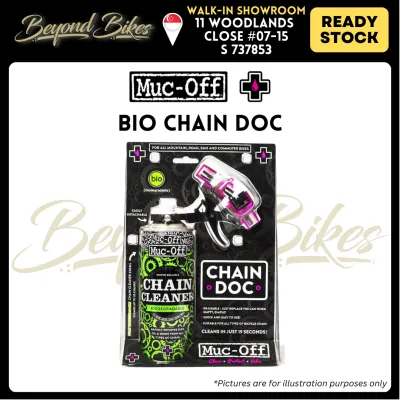
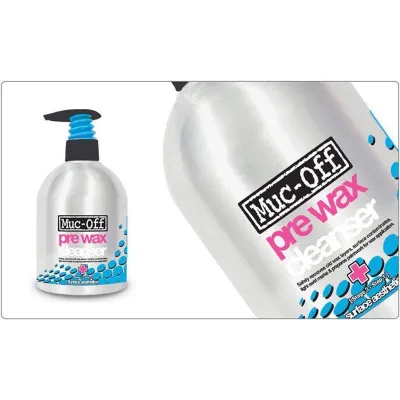
Prices are valid at publication and may change. Please refer to the product page for the latest price.
Practical logistics, such as your available storage space and where you perform maintenance, also influence your kit configuration. For instance, riders who utilize shared wash bays in multi-storey carparks may prefer portable, ready-to-use spray bottles and concentrated refill pouches that are easy to transport. Conversely, those with private garage space might opt for larger bulk containers and specialized pressure washer attachments. Assessing your routine ensures you purchase product volumes and packaging types that fit your lifestyle and storage constraints.
Core Cleaning Essentials for the Toolkit
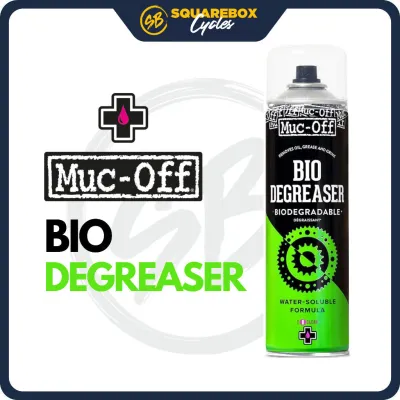
The foundation of any effective motorcycle care kit is a reliable wash solution designed specifically for two-wheelers. Standard motorcycle washes, such as Muc-Off’s pink Biodegradable Motorcycle Cleaner, are formulated to break down dirt, mud, and road film on a molecular level without damaging sensitive components. These formulas differ significantly from heavy-duty degreasers, which are engineered to strip away stubborn grease, oil, and chain fling from the engine block, swingarm, and main frame. Having both categories in your kit ensures you can perform gentle overall washes while still tackling localized, heavy contamination.

When selecting a primary wash, prioritizing pH-neutral, biodegradable formulas is essential for long-term vehicle preservation. Many general household detergents or low-grade automotive soaps contain aggressive chemicals that can strip away protective wax coatings, dry out rubber seals, and etch delicate anodized parts. A high-quality, pH-neutral motorcycle cleaner safely lifts grime from all surfaces, including brake rotors, suspension seals, and exposed wiring harnesses, without leaving behind a corrosive residue or dulling the finish.
Before applying any cleaning chemical, it is vital to check the manufacturer’s label for specific instructions regarding dilution ratios and rinse requirements. Some concentrated cleaners must be mixed with water to prevent surface staining, while others are pre-diluted for direct application. Additionally, pay close attention to the recommended contact time; leaving even a mild cleaner on a hot engine casing or under direct sunlight can cause the product to dry prematurely, leading to unsightly streaks or chemical spots that are difficult to remove.
Drivetrain and Chain Maintenance Products
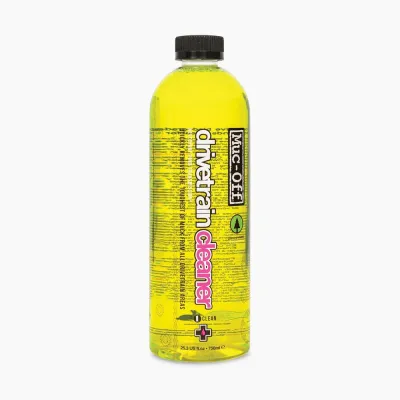
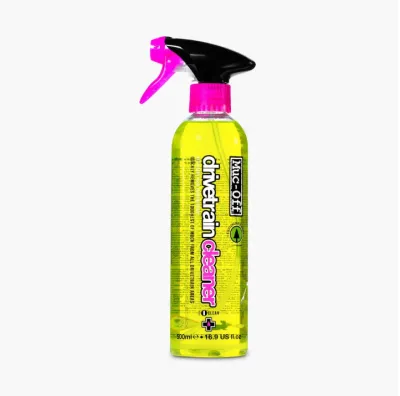
Proper drivetrain care is critical for maintaining smooth power delivery, ensuring rider safety, and extending the lifespan of your chain and sprockets. A dedicated chain cleaner is a non-negotiable component of your kit, as it is specifically formulated to dissolve old, grit-laden grease without degrading the delicate rubber seals found in modern chains. Before purchasing, always verify that the cleaner is explicitly labeled as safe for O-ring, X-ring, and Z-ring chains, as incompatible solvents can cause these internal seals to swell, crack, or fail entirely.
Once the chain is thoroughly cleaned and dried, applying the correct lubricant based on your typical riding conditions is the next step. Wet-weather chain lubricants are formulated with high-adhesion polymers that resist water spray, making them ideal for the frequent downpours experienced in tropical climates. However, these sticky formulas tend to attract dust and sand in dry environments. For dry, dusty conditions, a dry-weather lubricant that goes on wet but cures to a dry, wax-like film is preferable to prevent abrasive grit from adhering to the chain links.
For riders who experience a mix of both environments, an all-weather chain lubricant offers a balanced compromise, providing moderate water resistance while minimizing dust attraction. Regardless of the product you choose, always consult your motorcycle owner’s manual to verify the manufacturer’s recommended chain care specifications and viscosity requirements. Some manufacturers specify particular lubricant types or application intervals that must be followed to maintain your vehicle’s warranty and ensure optimal performance.
Surface Protection and Finishing Touches
Cleaning your motorcycle is only half the battle; protecting the freshly washed surfaces from environmental hazards is equally important. Surface protectants and detailers act as a sacrificial barrier against UV rays, acid rain, road grime, and water spotting. Applying a protective spray, such as Muc-Off Motorcycle Protectant or Silicon Shine, helps prevent dirt from bonding directly to the surfaces, making subsequent washes significantly easier and reducing the mechanical scrubbing required to clean the bike.
It is crucial to match your protective products to the specific finishes on your motorcycle to avoid cosmetic damage. Glossy paints benefit from polishes and waxes that enhance depth and shine, but these same products will ruin a matte or satin finish by creating uneven, glossy patches. For matte paintwork, you must use specialized matte detailers that preserve the flat, non-reflective appearance without leaving streaks or oily residues. Similarly, bare metals like polished aluminum or stainless steel require dedicated metal protectants to prevent oxidation without staining.
Your maintenance kit should also address rider gear, specifically helmet visors and goggles, which require specialized care to maintain optical clarity. Standard glass cleaners or household surface sprays often contain ammonia or alcohol, which can permanently damage the anti-fog and anti-scratch coatings applied to modern visors. Including a dedicated visor and goggle cleaner that is explicitly labeled as safe for these delicate coatings ensures you can safely remove bugs, dust, and oil smudges without compromising your vision on the road.
Application Tools and Accessories
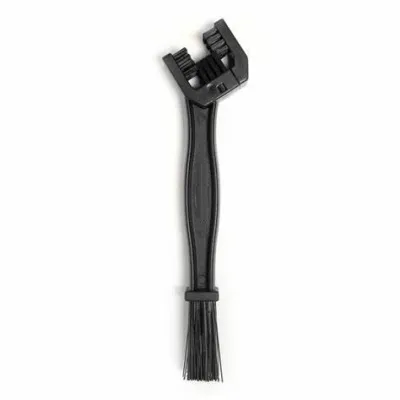
The chemical products in your kit are only as effective as the tools you use to apply and agitate them. Using the wrong brush or cloth can quickly lead to micro-scratches, swirl marks, and permanent surface damage. Your kit should include a variety of brushes tailored to specific tasks: soft-bristled brushes for delicate paintwork, fairings, and instrument screens, and stiffer, specialized brushes—such as a claw brush or a three-sided chain brush—for scrubbing tires, wheels, and greasy drivetrain components.
For drying and buffing, high-quality microfiber cloths and dedicated drying towels are indispensable. Standard cotton rags or paper towels can trap abrasive dirt particles against the paint, leading to fine scratches, and often leave behind unwanted lint. Microfiber cloths feature split fibers that lift and trap dirt away from the surface, while a plush drying towel quickly absorbs water to prevent unsightly water spots, which are particularly common when washing bikes in hard-water areas or under warm conditions.
When applying spray-on protectants, polishes, or chain lubricants, using targeted applicators or protective shields is critical to prevent dangerous overspray. Aerosolized chemicals can easily drift onto braking surfaces, including brake rotors, calipers, and pads, as well as tire treads and footpegs. This overspray can drastically reduce braking efficiency and tire grip, creating an immediate safety hazard. Utilizing specialized overspray guards, or spraying the product directly onto a microfiber cloth before wiping the surface, helps isolate the chemical to its intended target.
Verifying Product Compatibility and Safety
Before integrating any new chemical product into your motorcycle maintenance routine, establishing a strict safety and verification protocol is essential. Always read the product labels, instructions, and safety data sheets (SDS) thoroughly to understand proper handling procedures, ventilation requirements, and potential hazards. Pay close attention to warnings regarding application near hot exhaust pipes, running engines, or sensitive electrical connectors, as some formulas may be highly flammable or electrically conductive.
Even when a product is labeled as safe for general motorcycle use, conducting a spot test on an inconspicuous area is a mandatory step before full application. Apply a small amount of the cleaner, protectant, or polish to a hidden section of the frame, fairing, or engine casing, and allow it to sit for the recommended duration. Rinse or wipe it away as directed, then inspect the area under good lighting for any signs of discoloration, swelling, etching, or unexpected residue.
If you observe any adverse reactions during the spot test or during general application, stop using the product immediately. Do not attempt to neutralize the chemical with other household substances, as this can cause further damage or dangerous chemical reactions. Instead, thoroughly rinse the affected area with clean, cool water and consult either the motorcycle manufacturer or the product manufacturer’s technical support line for guidance on how to safely resolve the issue.
Frequently Asked Questions (FAQ)
Can I use car wash products on my motorcycle instead of motorcycle-specific formulas?
While it may be tempting to share cleaning products between your car and motorcycle, doing so carries significant mechanical and safety risks. Motorcycles feature far more exposed mechanical components, sensitive electrical wiring, and varied material finishes—such as anodized aluminum and bare carbon fiber—than modern cars, which are mostly covered in clear-coated sheet metal. Furthermore, many automotive washes contain gloss enhancers, waxes, or silicone-based agents that can leave a slippery residue. If these chemicals drift onto your motorcycle’s tires, brake rotors, footpegs, or hand grips, they can dangerously compromise your control of the vehicle. Always follow your motorcycle manufacturer’s care guidelines and select products formulated specifically for two-wheelers.
How should I store my motorcycle cleaning kit in a tropical climate?
Storing chemical maintenance products in a hot, humid tropical climate like Singapore requires careful attention to preserve their stability and safety. High ambient temperatures and direct sunlight can cause chemical formulas to degrade, separate, or lose their efficacy over time, and can dangerously increase the pressure inside aerosol cans. Store your cleaning kit in a cool, dry, and well-ventilated area, such as a utility closet or a shaded cabinet, strictly away from direct sunlight, ignition sources, and living spaces. Before each use, inspect your products for any changes in consistency, unusual separation, or off-odors, and check the packaging for expiration dates or signs of swelling to ensure they remain safe to apply to your motorcycle.
Community discussion
Share your experience or ask a question. Comments are reviewed before publication.