
Riding a motorcycle in Singapore requires constant readiness for sudden, intense tropical downpours that can saturate standard clothing in a matter of seconds. To maintain comfort, focus, and control on the road, building a complete waterproof riding setup is essential. A comprehensive wet-weather gear system typically includes a high-quality rain suit, waterproof boot covers, and specialized hand protection. By selecting the right combination of gear, you can help keep water out, allowing you to ride more comfortably through heavy monsoon rains.
When assembling your setup, focusing on how individual pieces interact is key to minimizing leaks. Water has a tendency to find any gap in your defenses, whether it is at the collar, the wrists, or the waistline. Choosing compatible pieces designed to work together creates a continuous barrier against wind-driven rain. This guide outlines the essential components needed for a complete setup, how to verify their technical specifications, and how to maintain them for long-term reliability on Singapore’s roads.
Essential Motowolf Pieces for Full-Body Waterproof Protection
The foundation of any wet-weather riding setup is the rain suit itself, which must shield your torso and limbs from high-velocity rain. Riders generally choose between a two-piece jacket and pant set or a one-piece rain suit. Two-piece sets are highly favored by daily commuters in Singapore due to their convenience and versatility. They are significantly easier to put on quickly by the roadside when a sudden storm hits, and they allow you to wear just the jacket during light drizzles or cooler evening rides.
Products mentioned in this guide
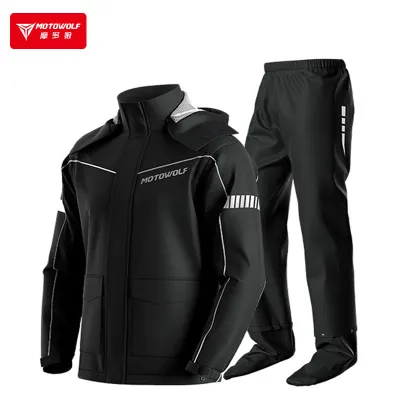
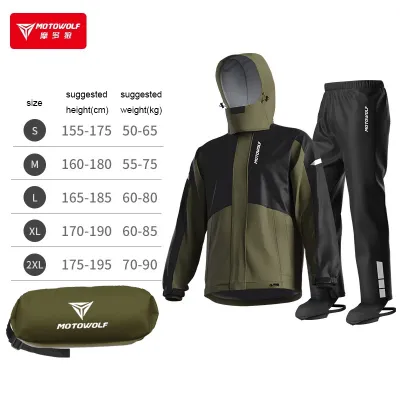
Prices are valid at publication and may change. Please refer to the product page for the latest price.
One-piece suits, while offering reliable protection against water entry at the waist, can be cumbersome to slip over bulky protective riding gear in a hurry. They require more space to maneuver and can trap heat more easily in Singapore’s humid climate. For most riders, a high-quality two-piece set provides a practical balance of quick deployment, ventilation, and reliable water resistance.
Protecting your feet is another critical step, as front tires kick up a constant stream of water directly onto your boots. Standard riding shoes or casual footwear will quickly soak through, leading to discomfort and cold feet. Waterproof boot covers are a highly practical solution that slide directly over your existing footwear. Look for covers with durable, non-slip rubber soles and secure closures at the calf to help block water from splashing up and entering from the top.
Your hands require dedicated protection to maintain precise control over the throttle, brakes, and clutch. Wet hands quickly lose grip and can become numb in cooler, wind-chilled rain. Waterproof glove covers are lightweight, packable options that slide over your regular armored gloves. Alternatively, dedicated waterproof riding gloves offer integrated protection and better tactile feel, though they require more time to dry completely after a heavy downpour.
Finally, maintaining clear vision through your helmet visor is a major safety priority during heavy rain. While not a wearable garment, applying a water-repellent treatment to the exterior of your visor helps water bead up and disperse quickly at speed. Always verify that any visor treatment or anti-fog insert you use is fully compatible with your helmet manufacturer’s guidelines to avoid damaging the optical coatings.
Key Waterproof and Safety Specs to Verify on Product Labels
To ensure your selected gear can withstand intense tropical storms, you must look beyond general marketing claims and verify the technical specifications on the product labels. The most reliable indicator of water resistance is the hydrostatic head rating, which is measured in millimeters (mm). This rating represents the height of a water column that the fabric can support before water begins to penetrate. For riding in heavy rain at highway speeds, look for a rating of at least 5,000mm to 10,000mm to help prevent the material from saturating under pressure.

Even highly water-resistant fabric will leak if the seams are not properly constructed. When examining rain gear, check the interior labels and physical seams to verify they are fully taped, sealed, or welded. This manufacturing process covers the needle holes left by stitching with a waterproof tape, helping prevent water from seeping through high-stress areas like the shoulders, crotch, and underarms.
Visibility is drastically reduced during heavy downpours, making it difficult for other motorists to see you. Your rain gear must feature high-visibility elements to enhance your safety on the road. Look for garments that incorporate retroreflective strips along the back, chest, and limbs, as well as bright contrast paneling in neon yellow or green. These features help you remain visible to drivers in low-light and stormy conditions.
Water often attempts to penetrate through zippers and openings. High-quality rain gear features adjustable storm flaps that fold over the main zippers, securing with hook-and-loop fasteners or snaps to block wind-driven water. Additionally, check for adjustable closures at the neck, wrists, and ankles. These seals allow you to customize the fit, helping prevent water from riding up your sleeves or down your collar while traveling at speed.
Sizing and Fit Adjustments for Layering Over Protective Gear
Rain gear is designed to be worn over your existing protective motorcycle apparel, which often includes bulky armored jackets and pants. Because of this, you should never assume your standard clothing size will fit correctly. Consult the manufacturer’s specific sizing chart and measure yourself while wearing your full riding setup. In many cases, you will need to size up by one or two sizes to ensure the rain gear fits comfortably without restricting your movement.
A proper fit must accommodate your natural riding posture. When trying on rain gear, sit on your motorcycle or mimic your riding position to check for tightness. Look for gear that features expandable gussets, stretch panels, or articulated patterning around the knees, hips, and shoulders. If the gear is too tight, it will pull against your joints, causing discomfort and putting unnecessary stress on the seams, which can lead to premature tearing.
Getting into your rain pants quickly on the side of the road is essential when a storm catches you by surprise. To make this process easier, ensure the pant legs feature sufficiently long zippers or wide gusseted openings at the hem. This design allows you to slide the pants over bulky riding boots without needing to remove your footwear, keeping you dry and saving valuable time.
Once the gear is on, securing any loose fabric is important for aerodynamics and safety. Loose, baggy rain gear will flap violently at highway speeds, which is highly distracting, noisy, and fatiguing over long distances. Look for adjustable waist straps, arm adjusters, and hem drawcords that allow you to cinch the excess material close to your body. This prevents wind from catching the fabric and helps prevent water from being forced upward under the jacket hem.
Care and Storage Practices to Maintain Waterproof Integrity
Proper maintenance is essential to preserve the waterproof coatings and extend the lifespan of your riding gear. Road spray contains oils, grit, and acidic rainwater that can slowly degrade synthetic fabrics and seam tapes. After every wet ride, rinse off any accumulated road grime with clean, cool water. Hang the gear to dry completely in a shaded, well-ventilated area before packing it away, as storing damp gear in a sealed compartment promotes mold, mildew, and unpleasant odors.
Avoid exposing your rain gear to high heat sources or harsh chemical detergents, which can destroy the delicate waterproof membranes. Never put your rain gear in a washing machine or tumble dryer unless the manufacturer’s care label explicitly permits it. Keep the garments away from direct sunlight during drying, and never place them near hot motorcycle components like engines or exhaust pipes, which can melt the synthetic materials.
When storing your gear for extended periods, avoid folding it tightly into a tiny storage pouch, as constant creasing can weaken the waterproof barrier along the fold lines. Instead, store the gear loosely rolled or hung on a wide hanger in a cool, dry closet. This practice helps maintain the flexibility of the polyurethane or polyester coatings, helping them remain waterproof for your next ride.
Finally, perform periodic inspections of your gear to catch any signs of wear before they lead to a wet ride. Check the inner lining for flaking coatings, sticky residues, or peeling seam tape. Test all zippers to ensure they glide smoothly, and apply a zipper lubricant if they begin to stick. Catching these minor issues early allows you to repair or replace the gear before you find yourself caught in a heavy downpour.
Frequently Asked Questions (FAQ)
Is Motowolf rain gear a substitute for armored motorcycle protection?
No, rain gear is designed strictly for weather protection and does not provide impact or abrasion resistance. It is typically constructed from lightweight polyester or nylon, which will tear instantly upon contact with the road surface during a fall. Always wear certified protective motorcycle gear, such as armored jackets, pants, and gloves, underneath your waterproof layer to help protect you against injuries.
How to identify failing waterproof coatings and seam degradation
You can identify failing gear when water stops beading on the outer surface and begins soaking directly into the fabric, a process known as wetting out. On the inside of the garment, look for sticky residues, flaking polyurethane coatings, or visible separation of the seam tape from the fabric. If you observe any of these signs, the waterproof integrity of the gear has compromised, and it should be repaired or replaced.
Managing wind flap and aerodynamics during highway rides
To manage wind flap at higher speeds, check product descriptions for aerodynamic features, wind-flap limits, or heavy-duty material weights. Always secure all adjustable straps, cuffs, and drawcords tightly against your body before setting off. This minimizes loose fabric, reduces wind resistance, prevents fatiguing noise, and stops the gear from ballooning, which can affect your balance and control.
Community discussion
Share your experience or ask a question. Comments are reviewed before publication.