
Setting up a complete home car wash kit requires balancing your physical space, water access, and the specific needs of your vehicle’s surfaces. A functional setup allows you to maintain your car’s aesthetic value, protect its clear coat, and keep the cabin pristine without relying on commercial automatic washes that risk scratching the paint. By selecting the right combination of washing, drying, and pressure management tools, you can achieve professional-grade detailing results right in your own driveway or designated washing bay.
Investing in your own equipment also ensures that only clean, high-quality materials touch your vehicle. Commercial car washes often reuse towels and brushes that have accumulated abrasive road grit, which can quickly dull your paintwork with fine scratches. By building a personalized setup, you control the chemical safety, water pressure, and physical contact methods used on your vehicle.
Defining Your Home Car Wash Needs and Space
Before purchasing any equipment, you must evaluate your physical washing environment and water access. In urban environments like Singapore, housing types heavily dictate your setup. If you live in an apartment or condominium, you will likely utilize designated wash bays, which often feature specific water access rules or coin-operated dispensers. If you reside in a landed property, you have the convenience of a private driveway, but you must still manage water runoff responsibly.
Products mentioned in this guide
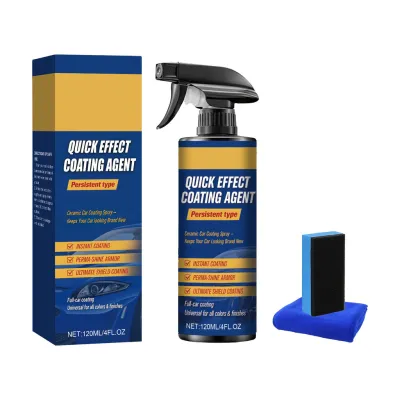
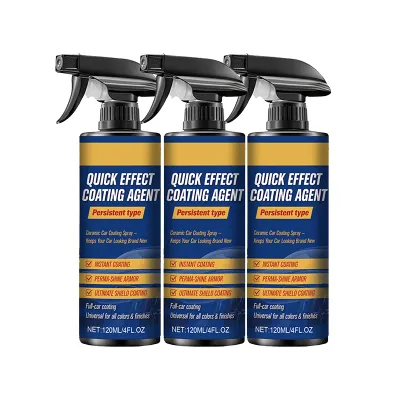
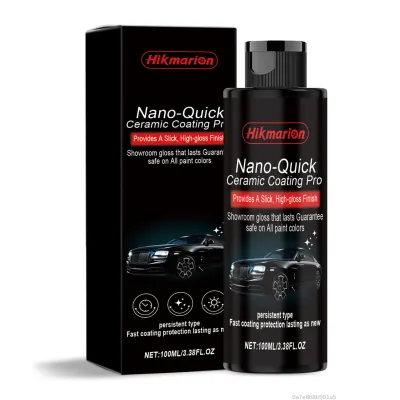
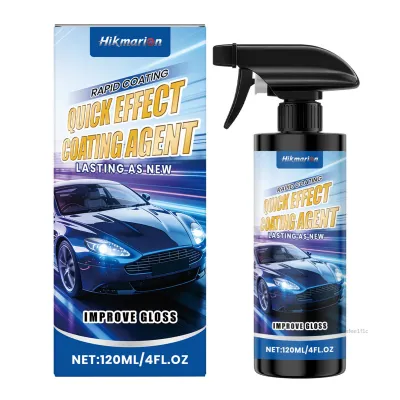
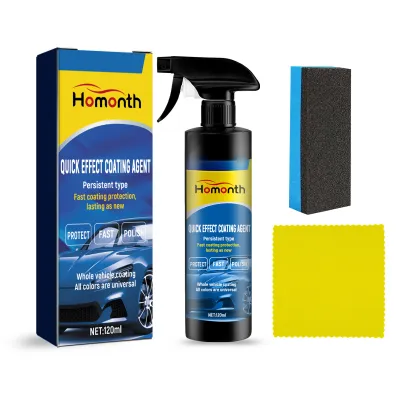
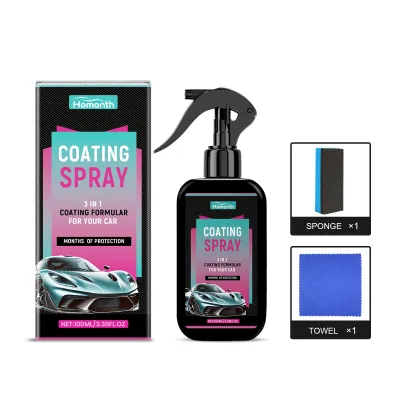
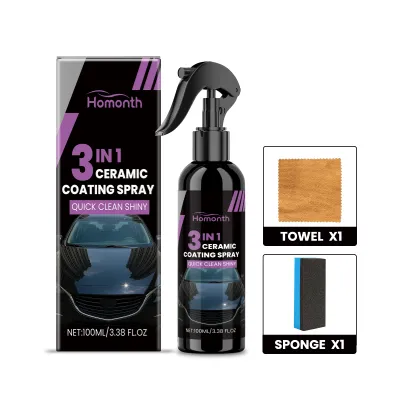
Prices are valid at publication and may change. Please refer to the product page for the latest price.
Environmental regulations are a critical consideration for home detailing. Local utility guidelines often restrict washing cars in public areas where soapy runoff can enter storm drains, which lead directly to natural waterways. Utilizing designated wash bays equipped with proper drainage and silt traps is the most responsible choice. If washing on a private driveway, aim to divert runoff toward grass or gravel areas that can naturally filter the water, or use eco-friendly, biodegradable shampoos.
Storage space is another major factor when planning your setup. Bulky items like pressure washers, long garden hoses, and multiple five-gallon buckets require dedicated storage space in your utility closet or garage. If storage is limited, look for space-saving solutions such as collapsible silicone buckets, wall-mounted hose reels, and compact pressure washers that can be easily tucked away when not in use.
Finally, assess your vehicle type and typical soil levels to determine your equipment needs. A daily commuter parked outdoors in a tropical climate will accumulate road grime, tree sap, and bird droppings, requiring stronger pre-wash agents and more frequent maintenance. Conversely, a weekend car kept in a sheltered garage may only require a light, lubricated wash to remove settled dust.
Essential Exterior Washing and Drying Tools
The foundation of safe exterior washing is preventing swirl marks and micro-scratches, which are commonly introduced during the physical contact phase. This is achieved through the dual-bucket system. One bucket holds your clean, soapy water, while the second bucket contains clean rinse water. Before dipping your wash mitt back into the soapy water, you rinse it in the rinse bucket to release trapped dirt, keeping your wash water clean.

To make this system effective, you must place grit guards at the bottom of both buckets. These plastic grates trap dirt particles at the bottom of the bucket, preventing them from circulating back into the water and onto your wash mitt. By keeping the debris isolated below the guard, you significantly reduce the risk of dragging abrasive road grit across your clear coat.
Your choice of wash mitt material also plays a critical role in paint safety. Chenille microfiber mitts, featuring thick “dreadlock” strands, are highly effective at lifting and trapping dirt away from the paint surface. Alternatively, high-density flat microfiber mitts offer excellent lubrication and glide. Avoid traditional cellulose sponges, which trap dirt on their flat surfaces and grind it into the clear coat like sandpaper.
Drying is where many paint defects are introduced if done incorrectly. To prevent water spots—especially in hot, humid climates where water evaporates rapidly under the sun—you need high-quality microfiber drying towels. Look for twist-loop or plush long-pile microfiber towels with a high density, typically between 500 and 1000 GSM (grams per square meter), for maximum absorbency. Suede or silk-banded edges prevent the towel borders from scratching delicate clear coats.
Car wash soaps must be selected based on chemical compatibility. For regular maintenance, a pH-neutral car shampoo is ideal because it cleans effectively without stripping existing waxes, paint sealants, or ceramic coatings. If you plan to strip old wax to apply a new protective layer, a dedicated strip wash shampoo can be used, but this should not be part of your weekly routine.
Water Supply, Hoses, and Pressure Management
A reliable water delivery system is the backbone of your wash setup. Standard utility hoses can kink easily, restricting water flow and causing frustration during a wash. Look for hybrid polymer or heavy-duty rubber hoses that remain flexible in warm temperatures and resist kinking. A hose diameter of 5/8 inch (approximately 16 mm) is standard for residential use, providing an optimal balance of water volume and pressure.
Deciding between a standard garden hose and a pressure washer depends on your cleaning goals and budget. A garden hose with a multi-pattern spray nozzle is sufficient for basic rinses and light dust. However, a pressure washer is highly recommended for removing stubborn road grime, mud, and brake dust, while also using significantly less water overall than a running garden hose.
When using a pressure washer on automotive surfaces, safety is paramount. High pressure can easily peel paint, damage rubber weather stripping, or force water into sensitive electrical components. Keep the pressure washer’s output between 1000 and 1500 PSI (pounds per square inch) and use a wide-angle nozzle tip, typically 25 or 40 degrees. Never use a pinpoint 0-degree nozzle on a vehicle, and maintain a safe distance of at least 30 cm from the paintwork.
If you use a pressure washer, a foam cannon is a highly beneficial addition. Foam cannons mix car soap with pressurized water and air to produce a thick layer of snow foam that clings to the vehicle. This foam softens and encapsulates dirt before you touch the car with a mitt, reducing the risk of wash-induced scratches. Ensure your foam cannon is compatible with your pressure washer’s fittings, which often require standard 1/4-inch quick-connect adapters or M22 thread fittings.
Interior Cleaning and Detailing Basics
A complete setup must address the cabin, where dust, sweat, and debris accumulate. A powerful vacuum cleaner is the primary tool for interior maintenance. It should feature a flexible hose and a variety of attachments, including a crevice tool for tight gaps between seats, and a soft-bristled dusting brush for delicate dashboard surfaces and air vents.
Detailing brushes are necessary for agitating dust and grime in hard-to-reach areas. Ultra-soft synthetic brushes are ideal for scratch-sensitive glossy plastics, infotainment screens, and instrument clusters. Stiffer boar’s hair brushes can be used on durable surfaces like textured door panels, steering wheel seams, and cup holders.
Microfiber towels for the interior should be categorized by task to prevent cross-contamination. Low-pile, tight-weave microfiber towels are best for cleaning glass without leaving lint or streaks. Medium-pile towels work well for wiping down leather, vinyl, and plastic surfaces. Color-coding your towels ensures you never accidentally use a greasy wheel towel on your interior leather.
When applying liquid cleaners or protectants inside the cabin, safety boundaries must be respected. Never spray liquid products directly onto infotainment screens, steering column switches, or dashboard electronics, as liquid can seep into the circuitry and cause permanent damage. Instead, spray the cleaner onto a microfiber towel first, then gently wipe the surface.
Evaluating Brands and Building Your Kit Over Time
Building a comprehensive car wash setup does not require buying everything at once. Start with the absolute essentials: two buckets, grit guards, a high-quality wash mitt, pH-neutral soap, and a premium drying towel. This basic kit, which can be assembled for under S$100, allows you to safely wash your car by hand without risking paint damage.
As you progress, you can invest in advanced tools like a pressure washer, a foam cannon, and interior detailing brushes. When evaluating brands and pre-packaged kits on the market—such as those from Homonth or other detailing suppliers—look beyond the marketing claims. Focus on objective quality indicators like microfiber density (GSM), the quality of stitching on towel edges, and verified user reviews regarding durability.
Verify warranty terms and the availability of replacement parts, especially for mechanical items like pressure washers or foam cannon orifices. A brand that offers replacement nozzles, O-rings, and adapters ensures your equipment remains functional for years. Avoid cheap, unbranded kits that do not offer replacement parts, as a single failed seal can render the entire tool useless.
Proper maintenance of your tools is just as important as the tools themselves. Microfiber towels and wash mitts must be laundered correctly to maintain their softness and absorbency. Wash them separately from household laundry using a dedicated microfiber wash detergent or a liquid detergent free of dyes and perfumes. Never use fabric softeners or dryer sheets, as they coat the fibers in a hydrophobic layer, ruining their absorbency. Air dry them or tumble dry on a no-heat setting to prevent the synthetic fibers from melting.
Frequently Asked Questions (FAQ)
How often should I replace my microfiber wash mitts and drying towels?
Microfiber tools should be inspected regularly for signs of wear. Replace them when you notice physical changes such as a flattened pile, stiff or scratchy fibers, lingering musty odors, or embedded debris that cannot be washed out. Using a degraded towel or mitt risks scratching your paint. With proper laundering, high-quality microfibers can last dozens of wash cycles, but once they lose their plushness, demote them to dirty tasks like cleaning engine bays, wheels, or exhaust tips.
Can I use household cleaning products instead of dedicated car wash soap?
No, household cleaning products like dishwashing liquid, laundry detergent, or multi-surface sprays should never be used on automotive paint. These products are formulated to strip grease and oils, which means they will quickly strip away protective waxes, sealants, and ceramic coatings. Over time, harsh household chemicals can dry out rubber seals, degrade plastic trim, and cause the clear coat to become dull and cloudy. Dedicated car wash soaps are pH-neutral and highly lubricated, designed specifically to lift dirt safely while preserving your vehicle’s protective layers.
Community discussion
Share your experience or ask a question. Comments are reviewed before publication.