
Building a complete home car washing setup in Singapore requires balancing high-quality cleaning tools with the practical realities of high-density residential living. Whether you park in a Housing & Development Board (HDB) multi-storey car park or a condominium basement, your toolkit must be portable, water-efficient, and highly effective. Visiting an Autobacs retail store allows you to assemble a customized car wash kit tailored to these exact environments. By selecting the right combination of wash mitts, buckets, drying towels, and specialized cleaning solutions, you can maintain your vehicle’s finish safely without violating estate rules or wasting precious space in your home.
Assessing Your HDB or Condo Washing Constraints
Before stepping into an Autobacs outlet, you must evaluate the physical and regulatory limitations of your specific residential parking space. In Singapore, water access is often the primary constraint. HDB multi-storey car parks typically feature wash bays equipped with coin-operated water machines or utility taps, requiring you to carry water in buckets to your vehicle. Condominiums may offer dedicated washing bays with hose connections, but many basement parking areas have no direct water source at all, which dictates whether you can perform a traditional wet wash or must opt for a rinseless or waterless cleaning method.
Estate management rules also heavily influence your tool selection. Town Councils and condominium Management Corporations (MCST) strictly regulate water runoff, drainage, and noise levels. Using high-pressure washing equipment is frequently prohibited in shared residential bays due to the risk of flooding adjacent parking lots, creating slipping hazards, or disturbing residents with motor noise. Consequently, your setup must focus on controlled water usage and efficient containment.
Products mentioned in this guide
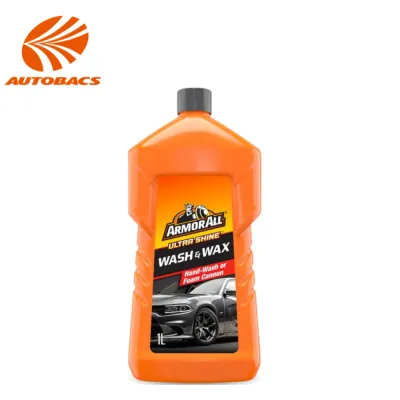
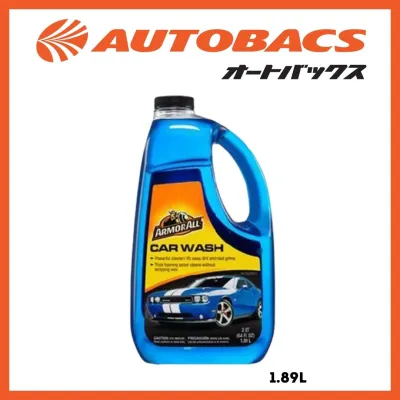
Prices are valid at publication and may change. Please refer to the product page for the latest price.
Power availability is another critical factor. Shared car parks rarely provide accessible electrical outlets for residents’ personal use. This limitation rules out corded vacuum cleaners, polishers, or high-power blowers, making manual tools or battery-operated alternatives the only viable options for basement detailing.
Finally, consider the physical storage limits of your home. Singapore apartments, particularly newer HDB flats and compact condominium units, have limited utility yard space. Your car wash kit must be highly organized, utilizing collapsible buckets, stackable containers, or compact tool bags that can sit neatly in a bomb shelter or service yard without cluttering your living area.
Essential Autobacs Tool Categories for a Complete Setup
To achieve a professional-grade clean at home without inflicting swirl marks or scratches on your paintwork, you need a structured set of tools. A complete DIY setup relies on the classic two-bucket wash system, dedicated wheel cleaning implements, and high-performance drying microfibers. When browsing the aisles at Autobacs, it is vital to look past attractive packaging and focus on the technical specifications, material compositions, and build quality printed on the product labels to ensure they meet the demands of safe automotive detailing.

Wash Mitts, Sponges, and Applicators
The contact stage is where your paint is most vulnerable to micro-scratching. Traditional household sponges should never be used on automotive clear coats; their flat, dense surfaces trap dirt particles directly against the paint, dragging them across the surface like sandpaper. Instead, look for dedicated wash mitts and sponges labeled explicitly for automotive paint care.
- Microfiber Wash Mitts: These are highly recommended for general washing. The long, synthetic fibers are designed to lift and trap dirt deep within the pile, keeping the abrasive particles away from the paint surface until the mitt is rinsed.
- Lambswool Mitts: These offer exceptional softness and hold a significant amount of soapy water for maximum lubrication. However, they require meticulous hand-washing and air-drying after each use to prevent the natural fibers from rotting in Singapore's humid climate.
- High-Grade Synthetic Sponges: Modern porous foam sponges designed for rinseless washing feature deep cross-cut channels. These channels route dirt away from the contact face, offering a safe alternative if you prefer the grip of a traditional sponge.
When inspecting wash mitts at Autobacs, examine the seam construction and edge designs. Avoid mitts with stiff, exposed nylon stitching or hard plastic brand tags along the outer edges, as these can easily mar delicate clear coats during tight cornering.
Buckets, Grit Guards, and Water Management
A safe wash setup requires a reliable water management system to isolate dirt from your clean soapy water. The two-bucket method—using one bucket for your shampoo solution and a second bucket of clean water to rinse your wash mitt—is the standard practice for preventing swirl marks.
- Bucket Capacity: Select buckets that hold at least 10 to 15 liters of water. This volume provides enough dilution to keep dirt suspended safely, yet remains light enough to carry comfortably from a utility tap to your car park lot.
- Grit Guard Inserts: Always verify that your chosen buckets are compatible with grit guards. These radial plastic grids sit at the bottom of the bucket, creating a barrier that prevents your wash mitt from picking up the heavy dirt particles that settle at the bottom.
- Watertight Lids: For HDB and condo residents, buckets with secure, screw-on watertight lids are highly beneficial. They allow you to fill your buckets at home or a central tap and transport them in elevators or your car trunk without spilling water. Additionally, sturdy lids turn your buckets into stackable storage units or convenient seats while cleaning lower vehicle panels.
Drying Towels and Microfiber Cloths
Drying your vehicle quickly is essential in Singapore’s warm climate to prevent mineral-rich water spots from baking onto the paint. The key to safe drying is choosing high-quality microfiber towels with the correct weight and weave.
- Plush Drying Towels (High GSM): Look for towels with a rating of 500 GSM (grams per square meter) or higher. These thick, heavy towels absorb massive amounts of water in a single pass, allowing you to gently glide the towel across the paint without applying downward pressure.
- Waffle-Weave and Twist-Loop Towels: These specialized weaves are excellent for glass and trim. Twist-loop designs offer rapid water absorption with minimal drag, while waffle-weave patterns trap residual moisture without leaving streaks on windows.
- Edgeless Designs: Choose towels with laser-cut edgeless borders or soft silk-banded edges. Standard polyester-stitched edges can be abrasive and may cause fine scratches over time.
Before purchasing, check the care labels on the packaging. Ensure the microfibers can be machine-washed. To maintain their capillary action and absorbency, never wash them with fabric softeners or bleach, which coat the fibers and ruin their performance.
Wheel and Tire Cleaning Brushes
Wheels accumulate highly abrasive brake dust and road grime, requiring dedicated tools that must never be mixed with your paint-washing equipment.
- Soft-Bristle and Microfiber Wheel Brushes: For painted, polished, or clear-coated alloy wheels, select brushes with ultra-soft synthetic bristles or microfiber-wrapped heads. These materials agitate brake dust safely without scratching delicate finishes.
- Barrel Brushes: To clean the inner barrel of the wheel behind the spokes, look for long, flexible barrel brushes. Ensure the brush features a non-marring rubber or plastic tip at the end of the wire core to prevent scratching the wheel if you bottom out.
- Stiff-Bristle Tire Brushes: Tire sidewalls require a completely different approach. Select a dedicated brush with short, stiff nylon bristles. This stiffness is necessary to scrub away road film, old tire dressings, and brown blooming (antiozonant buildup) from the rubber before applying fresh tire shine.
Choosing the Right Car Shampoo and Cleaning Solutions
Your choice of chemical cleaners must align with your water access limitations and local environmental regulations. Shared residential drains often lead directly to public waterways, making chemical selection a matter of both performance and compliance.
- Traditional High-Foam Shampoos: If you have access to a wash bay with a hose or a steady water supply, choose a highly concentrated, high-lubricity car shampoo. These formulas create a thick blanket of suds that encapsulates dirt particles, allowing them to slide off the paint safely.
- Rinseless and Waterless Washes: For basement parking or areas with strict water restrictions, rinseless wash concentrates are highly effective. These specialized formulas use advanced polymers to bond with dirt particles, lubricating them so they can be wiped away safely with a damp microfiber towel, followed immediately by a dry towel, requiring only a single bucket of water and no rinsing.
- pH-Neutral Formulations: Always verify that the shampoo is labeled as pH-neutral. This ensures the cleaner will safely remove dirt without stripping away existing wax, sealant, or ceramic coating layers. Additionally, look for biodegradable certifications on the label to ensure compliance with estate drainage guidelines.
Storage and Maintenance for Compact Living Spaces
Owning high-quality tools is only half the battle; maintaining them properly ensures they remain safe for your vehicle and do not create clutter or odors in your home. Singapore’s high humidity levels present unique challenges for storing damp car care gear.
- Microfiber Care: After every wash, wash your microfiber towels and wash mitts using a dedicated microfiber wash or a gentle, dye-free liquid detergent. Hang them to dry completely in a well-ventilated indoor area away from direct sunlight, which can make the fibers stiff and scratchy. Never store them damp, as mold and mildew will quickly ruin the fabric.
- Air-Drying Sponges and Brushes: Thoroughly rinse all wash mitts, foam applicators, and wheel brushes in clean water to remove residual shampoo and grime. Squeeze out excess water and allow them to air-dry completely before placing them in any closed storage containers to prevent bacterial growth and unpleasant odors.
- Smart Storage Solutions: Utilize your wash buckets as storage bins. Place dry towels, mitts, and brushes inside the buckets, seal them with their watertight lids, and stack them vertically in your service yard or utility closet. Wall-mounted hooks or pegboards are also excellent for hanging brushes and spray bottles, keeping your car care kit organized, dry, and ready for your next wash day.
Frequently Asked Questions (FAQ)
Can I use a pressure washer at my HDB or condo car park?
Most HDB and condominium management councils do not permit the use of standard, mains-powered pressure washers in shared parking areas. These units require direct connections to outdoor electrical outlets and water taps, which are rarely available for public use, and their high noise levels can disturb residents. Additionally, the high volume of water runoff can pool in adjacent parking lots, creating safety hazards. If you want pressurized water, consider practical alternatives such as manual pump sprayers or low-pressure, battery-operated portable washers that draw water directly from your bucket. These options provide sufficient rinsing power while remaining quiet, self-contained, and compliant with estate rules.
How often should I replace my microfiber wash mitts and towels?
There is no fixed timeline for replacing your microfiber tools, as wear depends on wash frequency and maintenance habits. Instead, monitor them for clear physical indicators of degradation. Replace your wash mitt or drying towel immediately if you notice flattened or matted fibers that no longer loft, embedded debris (such as small twigs, seeds, or metal shavings) that cannot be washed out, or a significant loss of water absorbency. To maximize your investment, downgrade older, slightly worn drying towels to less sensitive tasks, such as cleaning door jambs, engine bays, or wheel faces, rather than discarding them immediately.
Community discussion
Share your experience or ask a question. Comments are reviewed before publication.