
BlackVue has long been a prominent name in the premium dash cam market, particularly favored by Singapore drivers who value a sleek, screen-less design and advanced cloud connectivity. However, as the local market expands, several other Land Transport Authority (LTA) compliant brands have emerged, offering diverse feature sets that cater to different budgets and preferences. While BlackVue excels in providing seamless remote monitoring and a highly discreet profile, alternative brands often compete strongly on integrated physical screens, competitive entry-level pricing, or simplified local-storage setups. Navigating these choices requires a clear understanding of how these systems perform under local driving conditions and how they align with Singapore’s regulatory frameworks.
Verifying LTA Compliance and Basic Eligibility
In Singapore, any aftermarket accessory installed on a vehicle must comply with LTA guidelines to ensure road safety. For dash cams, the primary regulatory concern is driver visibility. The device must be mounted in a position that does not obstruct the driver’s forward view of the road. Typically, this means placing the camera high up on the front windscreen, often directly behind or adjacent to the rearview mirror, outside the primary line of sight.
Additionally, installers must ensure that the wiring is neatly routed behind the interior trim panels and does not interfere with the deployment of side curtain airbags or other safety systems. Beyond physical placement, wireless-enabled dash cams must meet the radio frequency standards set by the Info-communications Media Development Authority (IMDA). When shopping for a dash cam, drivers should look for official compliance labels or verify with local authorized distributors that the specific model is registered for sale in Singapore.
Products mentioned in this guide
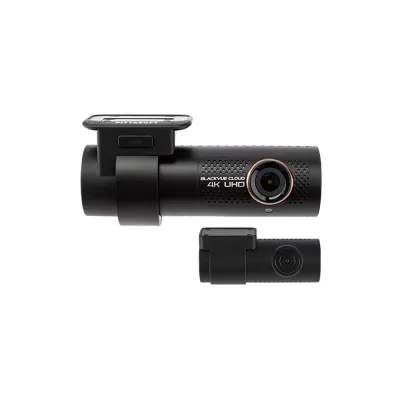
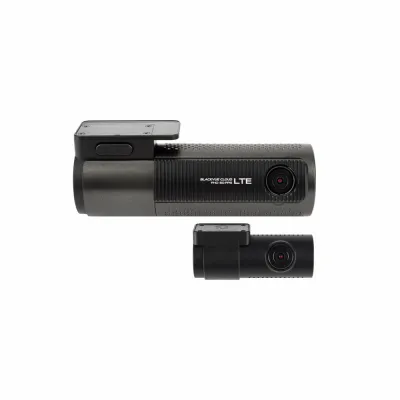
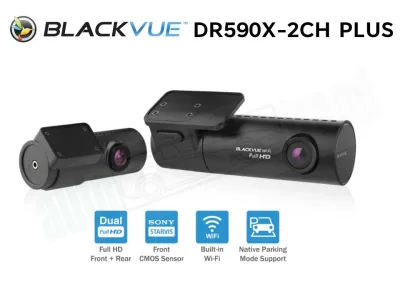
Prices are valid at publication and may change. Please refer to the product page for the latest price.
Prioritizing regulatory compliance is a non-negotiable first step. Non-compliant devices or improper installations can lead to vehicle inspection failures, voided insurance policies, or safety hazards during sudden braking. By filtering your choices through these basic eligibility criteria first, you ensure that whichever brand you choose remains legal and safe on local roads.
Critical Comparison Dimensions for Local Driving Conditions
Singapore’s unique driving environment presents specific challenges that demand robust hardware performance. The most critical factor is heat management. Parking a vehicle in open-air carparks or unsheltered industrial areas exposes the cabin to intense tropical heat, with internal temperatures easily exceeding 60 degrees Celsius. Under these conditions, dash cams powered by traditional lithium-ion batteries run a high risk of swelling, leaking, or failing entirely. Consequently, premium brands like BlackVue and high-quality competitors utilize supercapacitors, which are significantly more heat-resistant and ensure the camera shuts down safely without losing the last recorded file.

Parking surveillance is another key consideration for local drivers. Monitoring your vehicle while parked requires a continuous power source, which can put a strain on the car’s main battery. A reliable dash cam system must feature intelligent voltage monitoring to cut off power automatically before the car battery drops below a critical threshold, preventing a flat battery. Alternatively, drivers can opt for dedicated external battery packs designed specifically for automotive use.
Video clarity is equally vital, especially when navigating Singapore’s extensive network of tunnels, such as the Marina Coastal Expressway (MCE) or Kallang-Paya Lebar Expressway (KPE). Rapid transitions from bright sunlight to dim tunnel lighting require advanced High Dynamic Range (HDR) processing to prevent overexposure and ensure license plates remain legible. Furthermore, capturing clear footage at night under varied street lighting demands high-quality image sensors and optimized frame rates.
Finally, connectivity plays a major role in user experience. While basic models require physical removal of the microSD card to retrieve footage, modern systems offer Wi-Fi connectivity to stream or download videos directly to a smartphone. The stability of the mobile app, the speed of the Wi-Fi connection (with 5GHz bands offering faster transfer speeds than standard 2.4GHz), and the availability of cloud features are key differentiators when comparing brands.
Assessing BlackVue's Feature Set Against Market Alternatives
BlackVue’s product lineup is characterized by its signature cylindrical form factor. This design is exceptionally discreet, allowing the camera to blend seamlessly into the windshield area without drawing unwanted attention or blocking the driver’s view. In contrast, many alternative brands utilize a wedge-shaped design or feature built-in LCD screens. While screens offer the convenience of immediate on-device playback and easier menu navigation, they also result in a larger physical footprint on the glass and can be a visual distraction while driving at night.
Cloud connectivity is where BlackVue traditionally sets itself apart from many competitors. With its dedicated cloud ecosystem, select models allow drivers to access a live video feed of their vehicle, receive real-time push notifications of impacts while parked, and automatically back up critical footage to the cloud. While some alternative brands have introduced cloud-lite features, they often require a constant connection to a third-party mobile hotspot, whereas premium BlackVue models frequently offer built-in LTE slots or highly integrated SIM card solutions.
Power management solutions also vary across brands. BlackVue offers proprietary hardwiring kits and specialized external battery packs utilizing Lithium Iron Phosphate (LiFePO4) chemistry. These batteries are engineered to withstand extreme cabin temperatures and charge rapidly during short commutes, providing up to 24 hours of parking surveillance without drawing power from the vehicle’s main battery. While alternative brands also support hardwiring, their proprietary battery options may be less integrated, requiring users to rely on third-party power solutions.
The user interface represents a significant point of divergence. Because BlackVue cameras are screen-less, all settings, live views, and video playbacks are managed via their mobile application. This requires a stable Wi-Fi connection between your phone and the camera. For tech-savvy users, this app-centric approach is highly intuitive and keeps the hardware minimal. However, drivers who prefer a plug-and-play experience without relying on a smartphone may find alternative models with physical screens and tactile buttons more straightforward to operate.
Installation, Maintenance, and After-Sales Support
Installing a dash cam, particularly one with parking mode capabilities, involves tapping into the vehicle’s electrical system via the fuse box. Because of the safety risks associated with automotive electrical work, professional installation is highly recommended. Incorrectly routing cables can block side curtain airbags, while improper fuse connections can lead to electrical faults or void the manufacturer’s vehicle warranty. Always consult your vehicle’s original manual and seek out certified installers who are experienced with your specific car make and model.
Maintenance is another critical aspect of long-term reliability. Dash cams subject microSD cards to continuous, high-speed write cycles, which can cause standard memory cards to fail prematurely. To ensure uninterrupted recording, drivers must use high-endurance microSD cards designed specifically for video surveillance. Additionally, establishing a regular maintenance schedule—such as formatting the memory card once a month via the camera’s app or physical button—helps prevent file corruption and extends the lifespan of the card.
After-sales support and warranty terms should also influence your purchasing decision. Buying through official, authorized local distributors in Singapore ensures access to valid local warranties and professional technical support. While importing a dash cam from overseas online marketplaces might offer a lower initial purchase price, it often leaves the buyer without local recourse if the device develops a fault, requiring shipping the unit back to the country of origin for repairs.
Building Your Final Decision Shortlist
To make an informed choice, drivers should evaluate their specific priorities, budget, and vehicle setup.
Choose BlackVue if you prioritize a highly discreet, screen-less design that blends into your vehicle’s interior, require advanced cloud features like remote live-view and instant impact notifications, and prefer managing your device entirely through a polished mobile application.
Choose alternative brands if you prefer a physical screen for instant playback and setting adjustments, are looking for a more budget-friendly entry point without premium cloud subscriptions, or do not require remote monitoring features.
Verify first if you are unsure about your vehicle’s electrical compatibility for hardwiring, especially if you drive a hybrid or electric vehicle, and ensure that any model you consider carries the necessary local compliance markings and is backed by an authorized local warranty.
Frequently Asked Questions (FAQ)
Do I need to declare my dash cam to the authorities?
In Singapore, there is no requirement to register or declare your dash cam to the Land Transport Authority (LTA) or other traffic authorities. However, you must ensure that the camera is installed in compliance with safety regulations. This means the device must not obstruct your view of the road, must be securely mounted to prevent it from becoming a projectile during an accident, and all wiring must be safely tucked away to avoid interfering with vehicle controls or safety systems.
Can I use a standard power bank for parking mode?
Using a standard consumer power bank to power your dash cam in parking mode is highly discouraged. Standard power banks typically use lithium-ion batteries, which are not designed to withstand the extreme heat that builds up inside a parked car in Singapore’s tropical climate. Exposing these batteries to high temperatures can lead to swelling, leakage, or fire hazards. For safe parking mode operation, use manufacturer-approved hardwiring kits with voltage-cutoff features or dedicated automotive-grade external batteries designed to handle high cabin temperatures.
Community discussion
Share your experience or ask a question. Comments are reviewed before publication.