
Selecting a dashcam for Singapore’s roads requires balancing regulatory compliance, high-temperature durability, and reliable surveillance features. While BlackVue is a prominent name in the premium dashcam market, local drivers must evaluate how its features compare to alternative brands that also meet Land Transport Authority (LTA) guidelines. The ideal choice depends on your specific parking situation, budget, and whether you require real-time cloud alerts or simple, local video retrieval. By examining how different brands handle the intense tropical heat and vehicle battery management, you can make an informed decision that protects both your vehicle and your investment.
Verifying LTA Compliance and Installation Rules
Before comparing specific brands, every driver in Singapore must understand the regulatory framework established by the Land Transport Authority (LTA). The LTA does not issue a list of pre-approved dashcam brands; instead, compliance is determined by how and where the device is installed. The primary rule is that any mounted device must not obstruct the driver’s forward view or interfere with the operation of safety systems, such as airbags or sensor arrays mounted near the rearview mirror. Generally, this means the dashcam should be positioned high up on the windshield, ideally behind the rearview mirror, within a designated zone that does not impede your line of sight.
Furthermore, safety regulations focus heavily on the physical stability of aftermarket electronics. Because vehicles parked in Singapore are regularly exposed to intense sunlight and high ambient temperatures, the internal power source of the dashcam is a critical safety consideration. Devices must comply with general consumer product safety standards to prevent overheating, swelling, or thermal runaway. When purchasing a dashcam from overseas online marketplaces, you must verify that the product carries recognized safety certifications, such as the CE or FCC marks, and that the packaging includes clear technical specifications. Retaining these documents is highly recommended, as they serve as proof of compliance and safety during periodic vehicle inspections or in the event of an insurance inquiry.
Products mentioned in this guide
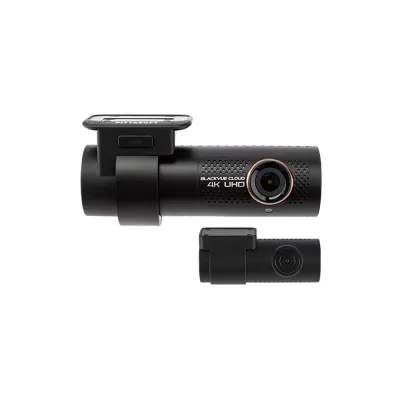
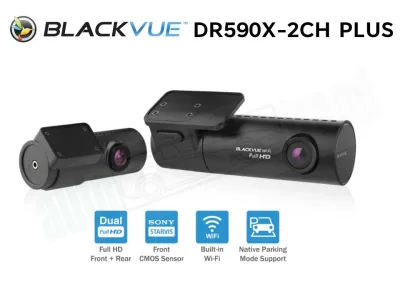
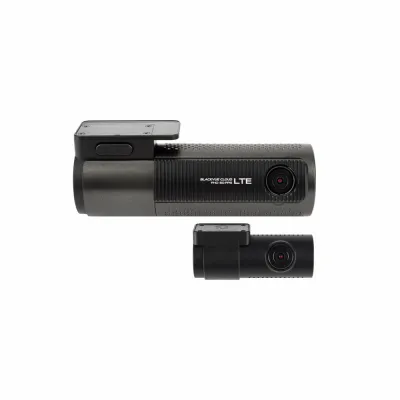
![[Authorised Dealer] BlackSys CW-100 1CH Dash Cam (No Warranty)](https://img.lazcdn.com/g/p/77fc223bf1e997e169cb42f4f2a6c0e9.jpg_400x400q80.jpg_.webp)
Prices are valid at publication and may change. Please refer to the product page for the latest price.
BlackVue Dashcam Profile: Strengths and Limitations
The BlackVue brand has established a distinct identity in the car electronics market, primarily characterized by its sleek, cylindrical form factor. Unlike traditional dashcams that feature built-in LCD screens, most BlackVue models omit the screen entirely to maintain a low profile. This design allows the camera to sit discreetly behind the rearview mirror, minimizing driver distraction and reducing the likelihood of attracting unwanted attention when the vehicle is parked. For drivers who prefer a clean, factory-installed look, this minimalist aesthetic is a significant advantage.

A core strength of the BlackVue ecosystem is its advanced cloud telematics integration. Higher-tier models are designed to connect to the internet, allowing you to view live feeds, receive instant impact notifications, and back up footage automatically to remote servers. However, this level of connectivity relies heavily on a stable mobile network. To utilize these features, you must either install a model with a built-in SIM card slot or provide an active mobile hotspot within the vehicle, which introduces additional hardware and data subscription considerations.
It is also important to note that features vary significantly across the brand’s product tiers. While premium models offer high-resolution sensors and robust cloud capabilities, entry-level options may lack these advanced remote features entirely. Therefore, you must carefully review the specific model specification sheets rather than assuming all BlackVue devices share the same capabilities. This variation makes it essential to compare individual models against alternative brands that might offer similar basic recording functions at a different price point.
Comparing Key Features for Singapore's Climate and Traffic
To determine which dashcam brand best suits your daily commute, you must evaluate how different systems perform under local environmental pressures. Singapore’s tropical climate and dense urban traffic place unique demands on car electronics. Comparing these devices requires looking closely at three main performance pillars: thermal management, parked vehicle surveillance, and remote access capabilities.
Heat Tolerance and Power Source
The intense heat inside a car parked under the Singapore sun can easily exceed 60 degrees Celsius, making thermal tolerance a primary safety and reliability concern. When comparing dashcams, the type of internal power source is the most critical factor. Budget-friendly models often use traditional lithium-ion batteries, which are highly susceptible to heat degradation, swelling, and in extreme cases, leakage or combustion. Premium brands, including BlackVue and several high-quality competitors, utilize supercapacitors instead. Supercapacitors do not store energy chemically; they hold a charge electrostatically, allowing them to withstand much higher operating temperatures and shut down safely without risking damage to the vehicle.
To verify a dashcam’s suitability for local conditions, you should check the manufacturer’s stated operating temperature range on the product label or user manual. Reliable models typically specify an operating limit of at least 70 degrees Celsius. Additionally, look closely at the physical design of the camera casing. Models designed with ample ventilation grilles, metallic heat sinks, or specialized thermal cutout software are better equipped to dissipate heat during prolonged exposure to direct sunlight, ensuring continuous operation without unexpected system restarts.
Parking Mode Reliability
Parking mode is essential for capturing incidents while your vehicle is unattended, but it requires a reliable power management strategy to avoid draining your car’s main battery. There are two primary methods for powering a dashcam during parking mode: direct hardwiring to the vehicle’s fuse box or using a dedicated external dashcam battery pack. Direct hardwiring relies on the car’s lead-acid battery, which requires the dashcam to have a built-in low-voltage cutoff setting. This feature automatically shuts down the camera when the car battery drops below a specific threshold (such as 12.0V or 12.4V) to ensure you can still start your engine.
However, frequent deep discharging can shorten the lifespan of your car’s main battery. For maximum reliability, many drivers opt for an external lithium-iron-phosphate (LiFePO4) battery pack. These specialized packs charge while you drive and power the dashcam exclusively when parked, completely isolating the vehicle’s electrical system. Because improper installation can void your vehicle’s manufacturer warranty or cause electrical faults, you should check if your car brand requires professional installation or certified components before proceeding with any hardwiring modifications.
Cloud Connectivity and App Integration
The convenience of retrieving footage and receiving alerts depends heavily on the dashcam’s wireless capabilities and app design. Some premium models feature built-in LTE connectivity, allowing the camera to remain online independently by using a dedicated nano-SIM card. Other models rely on local Wi-Fi, requiring you to stand near the vehicle or use an in-car mobile router to download videos. If you prioritize real-time push notifications for parking impacts, a cloud-enabled system is highly beneficial, though it requires a continuous mobile data plan.
When comparing app integration across brands, evaluate the user interface and the responsiveness of the connection. Some brands offer seamless direct Wi-Fi connections that allow quick downloads to your smartphone, while others may suffer from slow transfer speeds or clunky pairing processes. Additionally, you must check whether the cloud storage features require an ongoing monthly subscription. Some manufacturers offer a basic free tier with limited storage and daily download caps, while advanced fleet tracking or unlimited backups require paid plans that add to the long-term cost of ownership.
Assessing True Value and Long-Term Ownership Costs
When calculating the total cost of owning a dashcam in Singapore, the initial purchase price of the hardware is only one part of the equation. Professional installation is highly recommended for dual-channel (front and rear) systems to ensure clean cable routing and safe electrical integration. In Singapore, professional installation fees at local automotive workshops typically range from S$50 to over S$150, depending on the complexity of your vehicle’s trim panels and whether you are installing a hardwire kit or an external battery pack. You should factor these service fees into your overall budget.
Another recurring expense is the replacement of the storage medium. Dashcams write data continuously, subjecting microSD cards to extreme wear and tear. Standard memory cards often fail prematurely under these conditions, leading to corrupted files or complete recording failures. To prevent this, you must purchase high-endurance microSD cards specifically designed for continuous loop recording. These cards carry a higher initial cost and typically need to be replaced every one to two years, depending on your daily driving duration.
Finally, consider the ongoing costs associated with cloud connectivity. If you choose a dashcam that relies on remote monitoring, you must account for the monthly cost of a secondary SIM card data plan, as well as any premium subscription fees charged by the dashcam manufacturer for cloud storage. If these recurring fees do not align with your budget, a non-cloud model that offers high-resolution local recording via Wi-Fi may provide better long-term value.
Decision Framework: Choosing the Right Dash Cam
To finalize your decision, you should evaluate your specific driving habits, parking environment, and technical preferences against the strengths of each system. A premium, cloud-connected brand like BlackVue is highly suitable if you frequently park in unsecured public areas, require instant remote alerts, and prefer a discreet, screenless design that blends into your car’s interior. This setup is ideal for drivers who are comfortable managing a secondary mobile data plan and potential manufacturer subscription fees to maintain constant remote access.
Conversely, alternative LTA-compliant brands may be more appropriate if you prefer a straightforward, set-and-forget system. If your primary goal is to have reliable local evidence in the event of an accident, a model that focuses on high-resolution local recording, fast Wi-Fi direct downloads, or a built-in screen for instant playback might offer better value. These alternatives often eliminate recurring monthly fees while still providing excellent video quality and thermal stability.
Before making any purchase, always verify your vehicle’s electrical compatibility. Some modern vehicles, particularly electric vehicles or those with complex start-stop systems, have strict power management protocols that make traditional fuse-box hardwiring difficult or risky. In such cases, using an external dashcam battery pack is often the safest path to enable parking mode without compromising your car’s electrical integrity or warranty.
Frequently Asked Questions (FAQ)
Do I need a specific LTA approval sticker for my dash cam?
No, the Land Transport Authority (LTA) does not issue physical approval stickers or certifications for individual dashcams. Compliance is determined by ensuring the device is mounted in a position that does not obstruct your view of the road or interfere with safety equipment like airbags. To ensure peace of mind during vehicle inspections, it is advisable to retain your purchase receipt and the product manual, which demonstrate that the device complies with standard electrical and safety regulations.
Can I install a hardwired parking mode dash cam myself?
While DIY installation is possible, it is generally not recommended unless you have experience with automotive electrical systems. Improperly tapping into your vehicle’s fuse box can lead to blown fuses, electrical faults, or a drained car battery. Furthermore, unauthorized electrical modifications can void your vehicle’s manufacturer warranty. Consulting a certified professional installer ensures that the wiring is safely routed, properly fused, and compliant with your car manufacturer’s guidelines.
Community discussion
Share your experience or ask a question. Comments are reviewed before publication.