
Choosing the right paint protection method for your vehicle depends on how much time, effort, and budget you are willing to invest to combat harsh environmental elements. While traditional wax offers a classic, warm shine and polish restores the paint’s clarity by removing defects, a bio nano ceramic coating provides a semi-permanent chemical bond that shields your car’s clear coat from intense tropical UV rays, acidic rain, and industrial fallout. Understanding the fundamental differences between these three treatments is essential to preserving your vehicle’s aesthetic appeal and resale value in a high-cost car market.
Understanding How Polish, Wax, and Ceramic Coatings Work
To make an informed decision, you must first understand that polish, wax, and ceramic coatings serve entirely different purposes. Comparing them directly without knowing their functions often leads to disappointing results or damaged paintwork.
Car polish is not a protective layer; rather, it is an abrasive corrective treatment. When applied to a vehicle’s clear coat, polish uses microscopic abrasives to gently shave down a tiny fraction of the clear coat. This leveling process removes fine scratches, swirl marks, oxidation, and water spots, restoring a perfectly flat and reflective surface. Polishing is a subtractive process, meaning it prepares the paint but leaves it completely bare and vulnerable to the elements if not followed by a protective sealant.
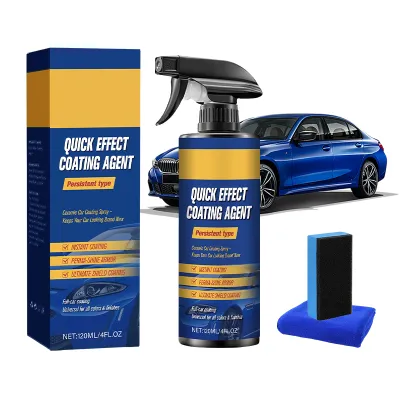
Products mentioned in this guide
![[SG In Stock]Car Ceramic Coating Automotive Coating Nano Car Care Polish 500ML Nano Ceramic Coating Spray/Automotive Care](https://img.lazcdn.com/g/p/83567248d0f46fa4511871a48952c5d4.jpg_400x400q80.jpg_.webp)
![🇸🇬[Ready Stock] 500ml Car Ceramic Coating/ Nano Ceramic Coating Spray/ Automotive Coating Nano Car Care Polish](https://img.lazcdn.com/g/p/8402606e26c8ebca5ebe2713e17ad7a2.jpg_400x400q80.jpg_.webp)
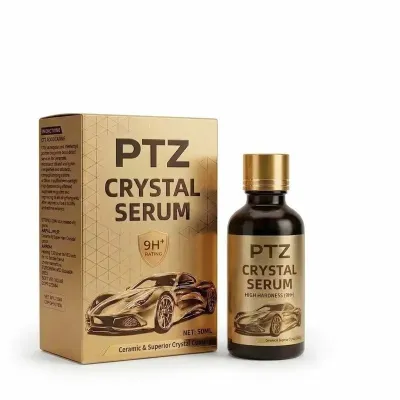
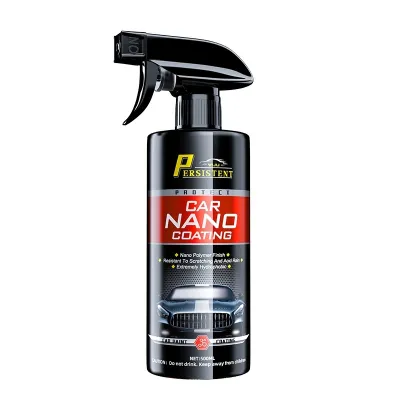
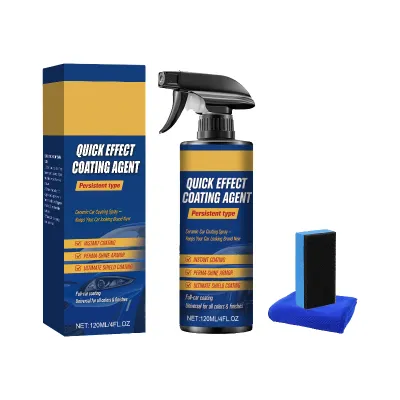
Prices are valid at publication and may change. Please refer to the product page for the latest price.
Traditional car wax acts as a temporary, sacrificial physical barrier that sits on top of the clear coat. Typically formulated from natural carnauba or synthetic polymers, wax fills in minor microscopic imperfections to create a smooth surface. Because it does not chemically bond with the paint, it remains highly sensitive to heat, environmental acids, and detergents. Over a relatively short period, this physical layer naturally degrades and washes away, requiring regular reapplication to maintain any level of protection.
In contrast, a bio nano ceramic coating is a liquid polymer that utilizes nanotechnology to penetrate and chemically bond with the vehicle’s clear coat. The “bio” aspect often refers to advanced organic-inorganic hybrid carriers designed to be more environmentally friendly while maintaining high performance. Once applied, the coating cures to form a semi-permanent, hydrophobic glass-like layer. This layer does not simply sit on the paint; it becomes an extension of the clear coat itself, altering the surface properties at a molecular level to repel water, dirt, and environmental contaminants.
Comparing Durability and Routine Maintenance
The lifespan of your paint protection dictates how often you will need to spend time or money on upkeep. Traditional wax and bio nano ceramic coatings sit on opposite ends of the durability spectrum, making your maintenance habits a deciding factor.

Traditional wax typically requires reapplication every few weeks to a couple of months, depending on exposure to the elements. In tropical climates with intense sun and heavy downpours, a standard wax barrier can degrade even faster. On the other hand, a properly applied bio nano ceramic coating can last for several years. Because durability ratings vary widely based on the specific chemical formulation, you should always check the manufacturer’s label or consult your detailer to verify the rated lifespan of the product you choose.
Maintaining a ceramic coating requires a specific routine to preserve its hydrophobic properties. You must use pH-neutral car shampoos that do not contain added waxes or gloss enhancers, as these additives can clog the microscopic pores of the coating and diminish its water-beading performance. Additionally, periodic maintenance washes using dedicated ceramic booster sprays are often recommended to rejuvenate the coating’s top layer and extend its overall lifespan.
It is a common misconception that ceramic coatings make a vehicle completely scratch-proof. While they offer a higher level of resistance against light marring and chemical etching than traditional wax, neither option can prevent scratches from improper washing. To avoid introducing swirl marks, you must still practice safe washing techniques. This includes using the two-bucket wash method, utilizing grit guards to keep dirt at the bottom of your buckets, and washing with high-quality microfiber mitts.
Evaluating Visual Finish and Paint Correction Needs
The final appearance of your vehicle depends heavily on the preparation work and the type of protection you apply. Understanding how each product interacts with light and your paint’s current condition will help you achieve the desired visual outcome.
Polishing is the single most important step for achieving a show-car shine. If your paint suffers from swirl marks, oxidation, or light scratches, applying a wax or ceramic coating directly over these defects will only highlight them. Polishing levels the clear coat, allowing light to reflect evenly off the surface, which restores the paint’s depth and clarity. Without this crucial preparation step, any protective layer you apply will look dull and uneven.
Once the paint is corrected, the choice of protection determines the character of the gloss. Carnauba-based traditional waxes are celebrated for producing a deep, warm, and “wet” look that enhances the natural color of the paint, making it a favorite for classic cars and weekend cruisers. Conversely, bio nano ceramic coatings deliver a sharp, highly reflective, glass-like gloss. This modern finish gives the vehicle a clinical, mirror-like appearance that excels at highlighting the sharp body lines of modern vehicles.
You must remember that both ceramic coatings and waxes are designed to seal the surface, meaning they will lock in whatever paint condition exists underneath them. If you bypass the polishing stage and apply a durable ceramic coating over swirl marks or water spots, those imperfections will remain visible beneath the hardened barrier. Removing the coating to fix the paint later requires intensive machine polishing, making it essential to address paint correction before applying any long-term protection.
Assessing Costs, Application, and Long-Term Value
Evaluating the financial investment and application process is crucial to determining which method offers the best long-term value for your lifestyle. The upfront costs of these treatments vary significantly, as do the skills required to apply them.
Applying traditional wax or consumer-grade ceramic detail sprays is highly feasible for DIY enthusiasts. These products are forgiving, require basic microfiber towels, and can be applied safely in a standard driveway or multi-storey car park. Professional-grade bio nano ceramic coatings, however, demand strict environmental controls. They require a dust-free, temperature-controlled indoor environment, specialized surface prep solvents, and precise application techniques to prevent “high spots”—areas where excess product cures unevenly, leaving dark or hazy patches that can only be removed by machine polishing.
When considering professional application, you should obtain local detailing quotes in S$ to compare your options. In Singapore, professional ceramic coating packages can range from a few hundred to over a thousand S$. When comparing these quotes, always verify exactly what level of paint correction is included. A high-quality job requires hours of meticulous polishing before the coating is even opened, so a cheaper package may cut corners on the essential preparation work.
Applying a long-term ceramic coating over an unpolished, contaminated, or failing clear coat is a waste of resources. If your vehicle’s clear coat is peeling, thinning, or severely damaged, a ceramic coating cannot bond correctly and will fail prematurely. In such cases, investing in paint repair or a simple, budget-friendly wax is a more practical approach than attempting to apply a premium coating to a compromised surface.
Decision Framework: Choosing the Right Protection
To finalize your choice, evaluate your vehicle’s current condition, your budget, and how much time you want to spend on routine maintenance. This framework will guide you to the most practical solution for your car.
You should prioritize a multi-stage polish if your vehicle’s paint has visible defects, heavy swirl marks, or oxidation. Polishing is not optional if you want to restore the original color and clarity of your paintwork before sealing it with any form of protection.
Choose traditional wax if you enjoy hands-on weekend detailing, prefer a warm, classic gloss, and are working with a limited budget. Waxing is an excellent, low-risk therapy for car enthusiasts who do not mind dedicating a few hours every month to maintaining their vehicle’s shine.
Opt for a bio nano ceramic coating if you want long-term hydrophobic protection, easier weekly washing, and are willing to make the upfront investment in professional paint correction. This option is ideal for busy car owners who want their daily driver to stay cleaner for longer with minimal effort.
Before making your final decision, verify the vehicle’s ownership and storage conditions. If the car is leased and must be returned in a few years, a high-end professional coating might not offer a justifiable return on investment compared to regular waxing. Conversely, if your car is parked outdoors in open-air HDB car parks, exposed to harsh tropical sunlight, tree sap, and bird droppings, the robust chemical resistance of a bio nano ceramic coating becomes highly valuable in protecting your asset.
Frequently Asked Questions (FAQ)
Can I apply wax over a bio nano ceramic coating?
Applying traditional wax over a bio nano ceramic coating is generally not recommended. Traditional paste or liquid waxes can clog the microscopic pores of the ceramic coating, which temporarily masks and reduces its highly hydrophobic, self-cleaning properties. Instead of repelling water and dirt, the surface may begin to exhibit the slower water-sheeting behavior of the wax. For routine maintenance and to boost the shine of your coating, you should use dedicated, ceramic-specific silica or quartz-based booster sprays designed to bond harmoniously with the existing ceramic layer.
Does bio nano ceramic coating protect against rock chips?
No, a bio nano ceramic coating does not provide protection against rock chips or heavy physical impacts. While these coatings are often marketed with hardness ratings like 9H, this scale refers to pencil hardness, which measures resistance to light surface scratching and marring rather than high-velocity impacts. The cured ceramic layer is incredibly thin—measured in microns—and lacks the physical thickness and elasticity required to absorb the energy of flying road debris. If preventing rock chips and physical road rash is your primary goal, you should consider installing Paint Protection Film (PPF), which is a much thicker, polyurethane-based barrier.

Community discussion
Share your experience or ask a question. Comments are reviewed before publication.