
Protecting your car’s paintwork is essential for maintaining its aesthetic appeal and resale value, yet the sheer variety of detailing products can make the choice confusing. Many car owners struggle to distinguish between polishing, waxing, and applying advanced ceramic coatings. Using the wrong product at the wrong stage can lead to wasted effort, poor bonding, or even unintended paint wear.
To make an informed decision, you must understand that these three methods serve entirely different purposes. Polish is a corrective treatment designed to restore paint clarity, while wax and bio nano ceramic coatings are protective barriers. Choosing the right approach depends on your vehicle’s current paint condition, your budget, and how much time you want to spend on ongoing maintenance.
How Bio Nano Ceramic 5, Wax, and Polish Actually Work
To set realistic expectations for your vehicle’s finish, it is crucial to understand the fundamental science behind each detailing step. Polish is not a protective layer; it is an abrasive compound. Its primary job is to remove a microscopic layer of your car’s clear coat to level out fine scratches, swirl marks, and oxidation. Polishing restores the paint’s optical clarity and gloss, but it leaves the surface completely bare and vulnerable to environmental damage if not followed by a protective sealant.
Products mentioned in this guide
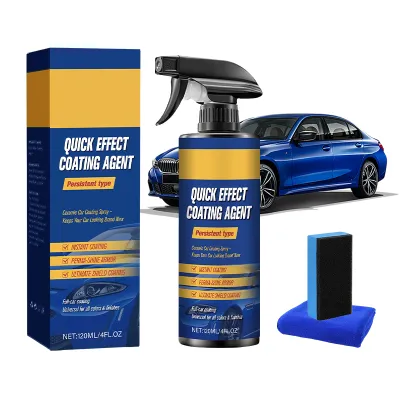
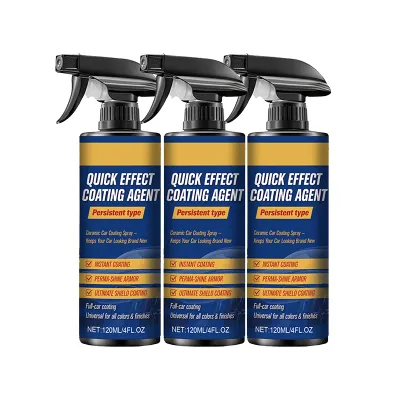
![[SG In Stock]Car Ceramic Coating Automotive Coating Nano Car Care Polish 500ML Nano Ceramic Coating Spray/Automotive Care](https://img.lazcdn.com/g/p/83567248d0f46fa4511871a48952c5d4.jpg_400x400q80.jpg_.webp)
![🇸🇬[Ready Stock] 500ml Car Ceramic Coating/ Nano Ceramic Coating Spray/ Automotive Coating Nano Car Care Polish](https://img.lazcdn.com/g/p/8402606e26c8ebca5ebe2713e17ad7a2.jpg_400x400q80.jpg_.webp)
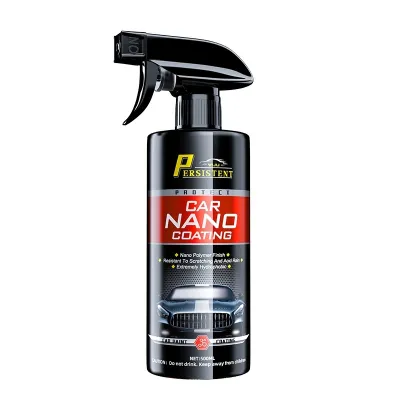
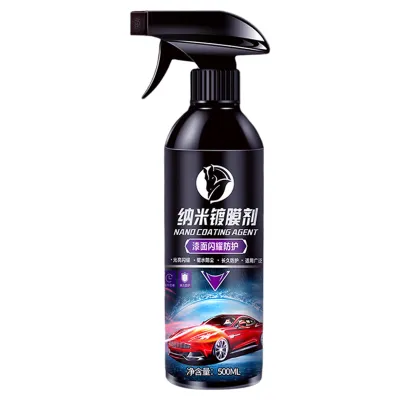
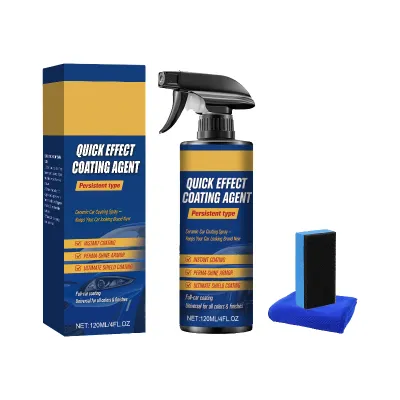
Prices are valid at publication and may change. Please refer to the product page for the latest price.
Traditional car wax acts as a temporary, sacrificial barrier that sits on top of the clear coat. Typically formulated from natural carnauba or synthetic polymers, wax fills in microscopic pores and imperfections in the paint surface. This creates a smooth, reflective finish that temporarily repels water and contaminants. Because wax does not form a chemical bond with the paint, it gradually wears away under the influence of heat, rain, and car wash detergents.
Bio nano ceramic coatings represent a more advanced chemical approach to paint protection. These liquid formulations utilize nanotechnology to penetrate the microscopic pores of the clear coat and form a semi-permanent chemical bond with the paint. The “bio” designation typically refers to organic-inorganic hybrid structures designed to improve flexibility and adhesion.
When evaluating products like Bio Nano Ceramic 5, the number “5” often refers to a manufacturer’s claimed lifespan of five years or a specific hardness rating on the pencil hardness scale. Because marketing terms vary widely across different brands, you must verify the exact specifications and performance claims on the product label before application.
Comparing Durability, Protection, and Application Effort
When choosing between these methods, you must evaluate how they perform across practical ownership dimensions, starting with durability. Traditional wax offers the shortest lifespan, typically requiring reapplication every four to twelve weeks. In tropical climates with high humidity, intense sunlight, and frequent heavy rain, natural carnauba wax can degrade in as little as a month, making it a high-maintenance option for long-term protection.

A quality bio nano ceramic coating offers significantly greater durability, often lasting several years when properly maintained. Because the coating chemically fuses with the clear coat, it cannot be washed away by rain or standard detergents. This long-term stability makes ceramic coatings highly appealing for drivers who want a “set-and-forget” solution for paint preservation.
In terms of protection, ceramic coatings outperform traditional wax by providing superior resistance to ultraviolet (UV) rays, chemical stains from bird droppings or tree sap, and acidic rainfall. The intense hydrophobic effect of a ceramic coating causes water to bead tightly and roll off the surface, carrying loose dirt and road grime with it. Traditional wax provides moderate UV protection and water beading, but it easily succumbs to high heat and alkaline cleaning chemicals.
Application effort is where these methods diverge most significantly. Waxing is highly DIY-friendly, requiring minimal specialized equipment and allowing for easy correction if you make a mistake. Ceramic coatings, however, demand meticulous surface preparation. Any swirl marks, dust, or oils left on the paint will be locked beneath the cured ceramic layer.
Applying a ceramic coating requires a multi-step preparation process, including a thorough wash, clay bar decontamination, paint correction polish, and an isopropyl alcohol (IPA) wipe to strip remaining oils. The coating must then be applied in a controlled environment to prevent premature curing or “high spots”—dark, uneven patches that occur if the product is not leveled correctly. Because of these technical demands, professional installation is highly recommended for optimal bonding and performance.
Evaluating Cost, Maintenance, and Long-Term Value
The financial investment required for paint protection varies widely depending on whether you choose a DIY approach or professional detailing services. Traditional wax is highly economical upfront. A high-quality tub of wax or synthetic sealant generally costs between S$20 and S$60 and can provide dozens of applications over several years, making the cost per application incredibly low.
DIY ceramic coating kits are available on online marketplaces for approximately S$50 to S$150. However, the true cost of a successful DIY ceramic application includes the necessary preparation products, such as clay bars, polishes, dual-action pads, and prep solvents. If you choose professional detailing packages in Singapore, prices typically range from S$400 to over S$1,500, depending on the vehicle’s size, the extent of paint correction required, and the specific coating tier selected.
Maintenance routines also differ significantly after application. A waxed car can be washed with standard automotive shampoos, though you must avoid harsh dish soaps or highly alkaline cleaners that strip the wax. Ceramic-coated vehicles require specific care to prevent the microscopic pores of the coating from becoming clogged with road film or mineral deposits.
To maintain a ceramic coating, you must use pH-neutral car shampoos that do not contain added waxes, gloss enhancers, or silicones, as these additives can interfere with the coating’s natural hydrophobic properties. Additionally, manufacturers often recommend applying a dedicated silica-based ceramic booster spray every few months to rejuvenate the hydrophobic top layer and extend the coating’s lifespan.
To calculate the true long-term value, consider your planned ownership duration and detailing habits. While a professional ceramic coating requires a substantial upfront investment, dividing that cost over a verified three-to-five-year lifespan can make it highly cost-effective compared to the cumulative cost of frequent professional waxing sessions. For owners who plan to keep their vehicle for several years and want to minimize weekly washing effort, the ceramic coating offers excellent value.
Decision Framework: Which Method Suits Your Vehicle?
To finalize your paint protection strategy, evaluate your vehicle’s current condition, your budget, and your willingness to perform ongoing maintenance.
Choose Polish if your vehicle’s paintwork exhibits visible swirl marks, light scratches, oxidation, or a dull appearance. Polishing is a corrective process, not a protective one, so you must always apply a wax, sealant, or ceramic coating immediately afterward to seal the newly corrected clear coat.
Choose Traditional Wax if you enjoy hands-on weekend detailing, prefer a low upfront cost, and want a straightforward DIY process. Wax is also highly suitable for classic cars or vehicles with older, single-stage paint systems where modern chemical coatings may not bond correctly or could cause damage.
Choose Bio Nano Ceramic 5 if you want long-term, high-performance protection, exceptional water beading, and a vehicle that is significantly easier to wash. This option is best if you are willing to invest in professional-grade paint preparation and commit to a strict, pH-neutral maintenance routine.
Verify first before committing to any product or service. Inspect your vehicle’s paint under direct sunlight or a detailing light to determine if paint correction is required. Always check the manufacturer’s product documentation to ensure compatibility with your specific paint type, matte finishes, or vinyl wraps, and only use care products for their label-authorized applications.
Frequently Asked Questions (FAQ)
Can I apply Bio Nano Ceramic 5 over existing wax?
No, you cannot apply a ceramic coating over an existing layer of wax. Ceramic coatings require a completely bare, clean paint surface to form a proper chemical bond with the clear coat. Wax acts as a physical barrier that prevents the ceramic nanoparticles from adhering to the paint. If applied over wax, the coating will fail to bond and will wash away quickly. You must thoroughly strip all existing wax using a dedicated prep solvent, clay bar, or polish before applying the coating.
Does polish remove ceramic coating?
Yes, abrasive polishes will degrade or completely remove a ceramic coating. Because polish is designed to level the clear coat using micro-abrasives, it will quickly wear away the thin ceramic layer. If your ceramic-coated vehicle develops scratches or swirl marks over time, polishing the affected area will remove the coating, meaning you will need to prep and reapply the ceramic product to that specific section afterward.
Is a 5-year ceramic coating completely scratch-proof?
No ceramic coating is completely scratch-proof. While high-quality coatings increase surface hardness and help mitigate light wash marring, fine swirl marks, and micro-scratches, they cannot protect your paint from deep scratches, stone chips, or key marks. The primary benefits of a ceramic coating are chemical resistance, UV protection, ease of cleaning, and intense hydrophobicity, rather than physical impact resistance.

Community discussion
Share your experience or ask a question. Comments are reviewed before publication.