
Finding the best front windshield sun shade for your 2019 Hyundai Avante requires balancing physical dimensions, material efficiency, and ease of daily use. Because of the Avante’s specific windshield geometry and Singapore’s intense tropical heat, a high-quality reflective shade is essential to protect your dashboard and keep cabin temperatures manageable. While universal medium-sized shades can work if carefully fitted, a vehicle-specific custom shade designed for the sixth-generation Avante (AD facelift) offers the most seamless edge-to-edge protection.
Why the 2019 Hyundai Avante Needs a Dedicated Windshield Sun Shade
Singapore’s tropical climate presents a constant challenge for vehicle owners. With near-equatorial sunshine, high humidity, and an ultraviolet (UV) index that regularly climbs into the extreme range, parked cars absorb an immense amount of solar energy.
This is particularly true in common local parking scenarios, such as the exposed top decks of Housing & Development Board (HDB) multi-storey car parks or uncovered outdoor commercial lots. In these environments, a vehicle left unprotected for even an hour can quickly transform into a high-temperature oven.
Products mentioned in this guide
Prices are valid at publication and may change. Please refer to the product page for the latest price.
The 2019 Hyundai Avante (the facelifted sixth-generation AD model) is highly susceptible to this heat soak due to its specific interior geometry and cabin layout. The Avante features a sleek, aerodynamic silhouette with a raked, sweeping front windshield.
While this design enhances fuel efficiency and reduces wind noise, it also creates a massive glass aperture directly above a deep, dark-colored dashboard. Because the windshield is positioned at a sharp angle, solar radiation strikes the dashboard surface almost perpendicularly during peak daylight hours.
When sunlight passes through the glass, the dark materials of the dashboard absorb the shortwave radiation and convert it into longwave infrared heat. This heat is then trapped inside the sealed cabin—a phenomenon known as the greenhouse effect.
The surface temperature of the dashboard can easily exceed 70 degrees Celsius under direct sunlight. This intense heat causes the plasticizers in the dashboard material to break down over time, leading to premature fading, warping, or a sticky surface texture.
Additionally, the steering wheel and front seats become uncomfortably hot to touch, and the vehicle’s air conditioning system must work under extreme load to cool the cabin down, increasing fuel consumption. A dedicated front windshield sun shade acts as a crucial barrier, intercepting this solar radiation before it can penetrate the interior cabin mass.
Custom-Fit vs. Universal Sun Shades: Getting the Right Size for the Avante
When selecting a sun shade for your 2019 Hyundai Avante, the most critical decision factor is the quality of the fit. A sun shade can only perform effectively if it covers the entire surface area of the glass.

Even minor gaps around the edges allow direct sunlight to stream in, creating localized hot spots and reducing the overall thermal efficiency of the shade.
Custom-Fit (Vehicle-Specific) Shades
Custom-fit sun shades are engineered using precise digital templates of the 2019 Avante’s windshield. These shades are cut to match the exact curvature, height, and width of the glass, ensuring a snug, edge-to-edge fit that eliminates peripheral light leaks.
This precise coverage is particularly important around the upper corners and the bottom edge where the windshield meets the dashboard.
Another key advantage of a custom-fit shade is the integration of a tailored cutout for the rearview mirror assembly. The 2019 Avante features a prominent mirror base mounted on the glass, which may also house rain sensors or safety camera modules depending on the specific trim level (such as the Elite or S trims).
A custom-fit shade features a dedicated slot and often a hook-and-loop strap that wraps securely around this assembly. This prevents the shade from sagging or falling down under its own weight.
When ordering a custom shade from online automotive retailers, always verify that the product is specified for the 2019 model year (AD facelift) to ensure that the dimensions and mirror cutout align perfectly with your vehicle’s configuration.
Universal Fit Shades
If custom-fit options are unavailable, out of stock, or outside your budget, a universal-fit sun shade is a practical alternative.
To choose the correct universal size, you must first measure the interior dimensions of your 2019 Avante’s windshield. Use a flexible tape measure to record the maximum width along the bottom edge near the dashboard, as well as the vertical height from the base of the glass to the top edge near the headliner.
For the 2019 Avante, a medium or standard-sized universal shade is typically required.
When choosing between two universal sizes, the golden rule is to opt for the slightly larger option rather than the smaller one. A universal shade that is slightly too large can be adjusted during installation.
The flexible outer wire frames or soft fabric edges can be overlapped slightly in the center or tucked firmly into the A-pillar weather stripping. This extra material ensures that the entire glass surface is covered, preventing any direct sunlight from bypassing the shade.
Conversely, a shade that is too small will leave significant gaps along the sides, allowing heat to bypass the barrier and warm the cabin.
How to Evaluate Heat and UV Protection Materials
Not all sun shades are created equal. The effectiveness of a sun shade depends entirely on its material composition and structural design.
To find a shade that can withstand Singapore’s intense heat, you must look past marketing buzzwords and evaluate the actual physical properties of the materials.
The first line of defense is the reflective outer layer. High-quality sun shades utilize a highly reflective material, such as premium aluminum foil laminates or metallized polyester (PET) films.
These materials are designed to reflect both visible light and near-infrared radiation back out through the windshield glass before it can be absorbed by the dark interior surfaces. Cheap, non-reflective fabric shades merely absorb the heat and radiate it directly into the cabin, offering minimal temperature reduction.
The second critical component is the inner insulating layer, which provides thermal resistance (R-value). Reflection alone cannot block all thermal energy; some heat will inevitably conduct through the outer layer.
A high-quality shade features a thick, multi-layered core to slow down this heat transfer. Closed-cell foam is highly recommended as an insulating core because its tiny, independent air pockets provide excellent resistance to heat conduction.
Alternatively, double-bubble or honeycomb air-cushion layers offer a lightweight and highly effective thermal barrier, though they may be slightly less durable over years of repeated folding.
The inner-facing side of the shade should feature a soft, non-abrasive backing fabric, such as felt or non-woven polyester, to protect the dashboard from scratches and direct contact with the hot insulating core.
When evaluating sun shades, also pay close attention to UV protection ratings. Look for products that state a clear Ultraviolet Protection Factor (UPF) rating, such as UPF 50+, which indicates that the material blocks more than 98% of harmful UVA and UVB rays.
This protection is essential for preventing the fading and cracking of the Avante’s steering wheel, seats, and dashboard trim.
Avoid low-quality, unbranded shades made from cheap plastics or low-grade nylon. Under prolonged exposure to extreme tropical heat, these inferior materials can warp, degrade, or off-gas volatile organic compounds (VOCs).
This off-gassing often produces an unpleasant, chemical odor inside the cabin and can leave a stubborn, hazy residue on the inside of your windshield glass.
Recommended Sun Shade Styles for Daily Parking and Commuting
Sun shades come in several physical form factors, each offering distinct trade-offs in terms of storage convenience, ease of deployment, and structural rigidity. Understanding how you use your vehicle daily will help you choose the style that best fits your lifestyle.
Umbrella-Style Sun Shades
Umbrella-style sun shades are a relatively modern design that functions similarly to a standard rain umbrella. They feature a central shaft, tensioned metal or fiberglass ribs, and a highly reflective fabric canopy that pops open to cover the windshield.
- Pros: These shades offer exceptional convenience for daily commuters. They can be deployed with one hand in seconds and fold down into a highly compact form factor. When closed, they slide easily into a storage sleeve that can be kept in the door pocket, glovebox, or center console of your Avante, keeping the cabin clutter-free.
- Cons: The primary drawback of this design is the potential for interior damage. The central metal shaft and the tips of the tensioned ribs can easily scratch the Avante's dashboard trim or its high-mounted infotainment screen if not handled with care. Additionally, the rigid metal frame can be difficult to maneuver around the rearview mirror housing, sometimes leaving small gaps near the top-center of the windshield.
Accordion-Fold (Reflective) Shades
Accordion-fold shades are a traditional, time-tested design. They consist of semi-rigid panels laminated with reflective foil and a foam core, which fold flat along pre-creased lines.
- Pros: These shades provide outstanding thermal performance and durability. Because the panels are semi-rigid, they do not sag or droop, ensuring uniform coverage across the entire windshield. The thick closed-cell foam or bubble wrap core provides a superior thermal barrier compared to thin fabric alternatives, making them ideal for long-term outdoor parking.
- Cons: The main disadvantage is their bulkiness. When folded, an accordion shade remains a long, stiff rectangle that can be awkward to store inside the compact cabin of the Avante. Owners typically have to place them on the floor of the rear seats or in the boot, which can be inconvenient when carrying passengers. They also require two hands to unfold and position properly.
Roll-Up and Retractable Shades
Roll-up shades are made of flexible, thin reflective materials that roll into a tight cylinder. Retractable variants are semi-permanently mounted to one side of the windshield using suction cups or adhesive brackets, allowing you to pull the shade across the glass and hook it into place.
- Pros: These shades offer a very small storage footprint. Retractable models are incredibly fast to use, as they remain mounted to the windshield frame and require only a single pull to deploy, making them highly convenient for quick stops.
- Cons: Because the materials must be highly flexible to roll up, they are generally much thinner than accordion shades, offering less thermal insulation. Over time, the flexible material is prone to sagging in the middle of the wide, sloped Avante windshield, creating gaps that let in heat. Furthermore, suction cups can lose their grip and fail under intense, direct heat, causing the shade to fall off the glass while the car is parked.
Safe Installation, Storage, and Dashboard Protection
To maximize the lifespan of both your sun shade and your 2019 Hyundai Avante’s interior, you must follow proper installation, storage, and maintenance practices. Careless handling can lead to cosmetic damage to your cabin surfaces or premature wear of the shade itself.
When installing your sun shade, always begin by resting the bottom edge flat against the base of the windshield, pushing it as close to the junction of the glass and the dashboard as possible. Once the bottom is positioned, gently press the top of the shade against the upper edge of the glass. Pull down both the driver and passenger sun visors to press the shade firmly against the windshield, securing it in place and preventing it from sliding down. If your shade features a cutout for the rearview mirror, carefully guide the material around the mirror stem and fasten any integrated hook-and-loop straps. Never force or jam the shade into place, as this can stress the mirror mount or damage the headliner fabric.
To prevent scratches, pay close attention to the contact points between the sun shade and your car’s interior. If you are using an umbrella-style shade, choose a model that features a flexible, bendable shaft or a protective rubberized handle. Ensure that the metal tips of the ribs do not press directly against the soft-touch plastics of the dashboard or the delicate glass of the infotainment screen. For accordion or roll-up shades, regularly inspect the outer fabric binding. If the internal wire frame or sharp plastic edges become exposed due to wear, replace or repair the shade immediately to avoid gouging your dashboard or tearing the upholstery.
Proper storage is equally important. When you return to your vehicle, the outer reflective surface of the sun shade will be extremely hot. Avoid tossing the hot shade directly onto your leatherette seats, as the intense heat can degrade the synthetic material or weaken the adhesives holding the seat covers in place. Instead, fold or roll the shade immediately, place it back into its protective sleeve, and store it in a cool area such as the boot or the floor behind the front seats.
Finally, maintain the shade’s reflectivity by keeping it clean. Dust, fingerprints, and road film can accumulate on the reflective surface, reducing its ability to bounce away solar radiation. Periodically wipe down the reflective side with a dry or slightly damp microfiber cloth. Avoid using harsh chemical cleaners, glass cleaners, or solvents, as these can strip away the specialized metallized coatings or degrade the synthetic fabric borders. Always allow the shade to dry completely in a shaded area before folding and storing it to prevent mold or mildew growth.
Frequently Asked Questions (FAQ)
Will a windshield sun shade interfere with the ERP In-Vehicle Unit (IU)?
No, a front windshield sun shade will not interfere with your Electronic Road Pricing (ERP) In-Vehicle Unit (IU). In Singapore, the IU is typically mounted on the lower right or lower center of the front windshield. Because a sun shade is strictly a parking accessory, you only install it when your vehicle is stationary and turned off. You must completely remove and store the sun shade before you begin driving. Consequently, the shade will never block the IU’s signal when passing through active ERP gantries, nor will it obstruct your line of sight or interfere with any smart entry sensors while the vehicle is in motion. When installing the shade, simply take care not to forcefully push the material against the IU bracket to avoid loosening its adhesive mount.
Do I still need a sun shade if my 2019 Avante has factory-tinted windows?
Yes, a physical sun shade is still highly recommended even if your 2019 Avante is equipped with factory-tinted windows or aftermarket solar films. While high-quality window tints and films are excellent for reducing glare and filtering out a significant portion of ultraviolet (UV) rays while driving, they are passive barriers. When your car is parked in direct sunlight for extended periods, solar energy still penetrates the glass. This energy is absorbed by the dark, dense materials of your dashboard, steering wheel, and seats, which then heat up and radiate thermal energy throughout the cabin. A physical, opaque sun shade acts as an active thermal block. By reflecting the sunlight back out through the windshield before it can strike the dashboard, it prevents the interior materials from absorbing heat in the first place, resulting in a significantly cooler cabin.
Can I use the same sun shade on the rear window?
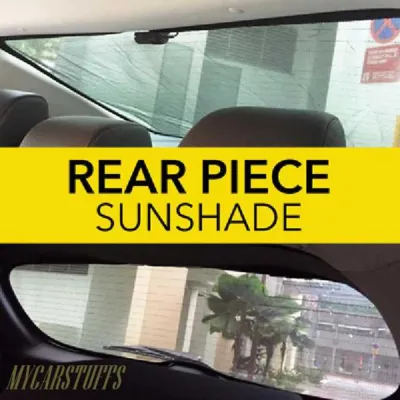
No, you should not use a front windshield sun shade on the rear window of your 2019 Avante. The rear windshield has completely different physical dimensions, a much steeper angle of slope, and features an integrated defroster grid. A front-specific sun shade is specifically shaped with a cutout for the front rearview mirror and is sized to cover the deep front dashboard, meaning it will not fit the rear window opening properly. Using a front shade in the rear can also pose a safety hazard if it slips and blocks your rearward visibility while driving. For the rear window, you should purchase dedicated rear-windshield shades or custom-fit magnetic side-window shades that are specifically designed to match the rear passenger area of the Avante.
Community discussion
Share your experience or ask a question. Comments are reviewed before publication.