
Finding the right window shades for a Honda Fit in Singapore requires balancing precise physical dimensions with high-performance thermal protection. Because of the Honda Fit’s unique cab-forward design, which features an exceptionally large, steeply raked front windshield and deep front quarter windows, standard universal shades often fail to provide adequate coverage. To keep your cabin cool under the intense tropical sun, the most effective solution is a set of custom-fit, multi-layered reflective shades tailored specifically to your vehicle’s generation.
Core Criteria for Choosing Honda Fit Window Shades
When selecting window shades for your Honda Fit, the primary objective is to block solar radiation before it heats up your cabin’s interior surfaces. The Honda Fit’s expansive glass area acts like a greenhouse, rapidly trapping heat when parked in open-air spaces such as HDB multi-storey car parks. Therefore, your first consideration must be coverage. A shade that leaves even minor gaps allows sunlight to directly strike the dashboard, steering wheel, and seats, significantly reducing the overall cooling effect.
Material performance is the next critical factor. To combat Singapore’s high UV index and ambient temperatures, look for shades that incorporate highly reflective outer coatings. These materials bounce solar energy away from the glass rather than absorbing it.
Products mentioned in this guide
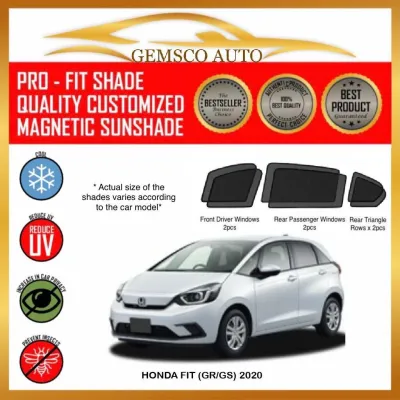
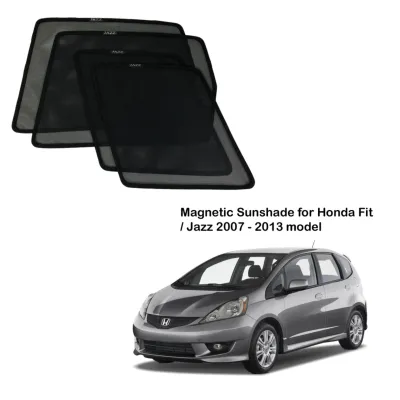
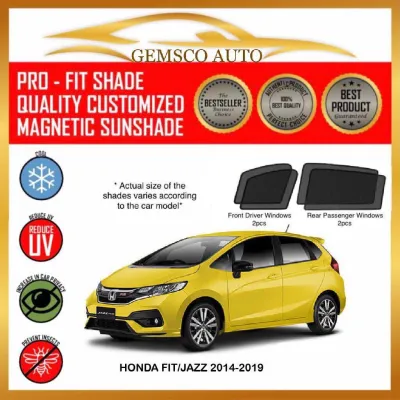
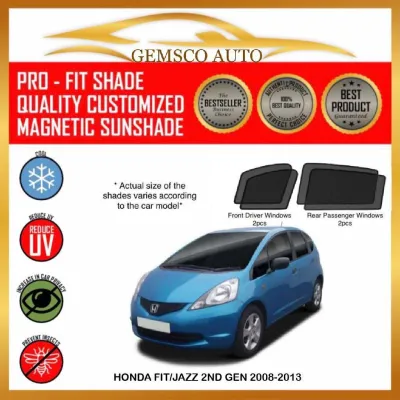
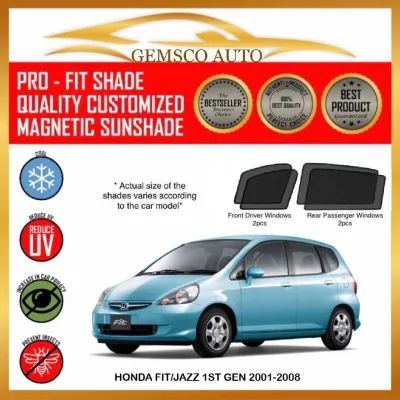
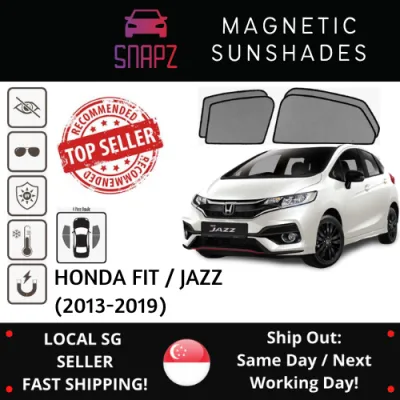
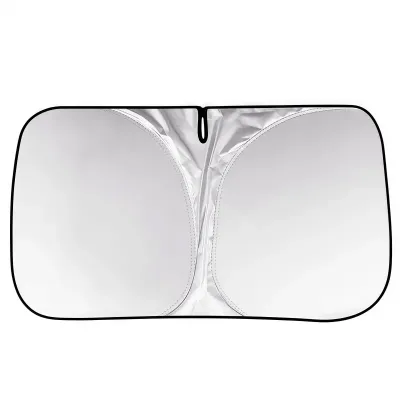
Prices are valid at publication and may change. Please refer to the product page for the latest price.
Additionally, the shades must be easy to deploy and store. Since the Honda Fit is a compact hatchback, cabin storage is highly optimized. Heavy, rigid shades that do not fold down compactly will clutter your passenger space or boot, making them inconvenient for daily use.
Comparing Types of Window Shades for Honda Fit
Different window shade formats offer distinct advantages depending on your daily driving habits, parking situations, and storage preferences.

Foldable accordion windshield shades are a highly popular choice for the front glass. These shades feature a rigid, segmented structure that allows them to stand upright against the windshield without sagging, even when subjected to intense heat over several hours. They typically use a reflective silver coating on the outside and a soft fabric backing on the inside to protect your dashboard from scratches. While they offer excellent coverage and structural stability, they do require some space to fold and store, usually fitting best along the passenger footwell or in the boot.
Retractable roller shades offer a semi-permanent mounting solution. These shades attach to the top or bottom of the windshield frame using suction cups or brackets, allowing you to pull them across the glass in a single motion. While they provide unmatched convenience for quick stops, they often leave small gaps at the edges of the Honda Fit’s wide windshield and can create minor visual obstructions near the A-pillars when retracted.
For the side windows, you have several options to consider:
- Magnetic Screens: These shades feature a flexible frame with embedded magnets that snap directly onto the metal door frame of your Honda Fit. They are highly favored because they allow you to roll down the window glass for ventilation while keeping the shade securely in place to block insects and sunlight.
- Static Cling Films: These are thin, adhesive-free plastic sheets that apply directly to the glass using static electricity. They offer a clean, low-profile look and do not interfere with window operation, but they are not designed for frequent removal and reinstallation.
- Suction Cup Meshes: These are budget-friendly, temporary options that attach directly to the glass. However, they often leave circular marks on the windows and can lose their grip in high-humidity environments, causing them to fall off unexpectedly.
Essential Features for Tropical Heat Protection
To ensure your window shades survive the demanding Singapore climate, you must look closely at their material specifications and construction quality.
A high-quality sunshade relies on a multi-layer construction to block heat effectively. The outermost layer should feature a highly reflective material, such as aluminum foil or silver-coated polyester, which reflects visible light and infrared radiation. Beneath this reflective surface, a core layer of closed-cell foam or air-bubble insulation acts as a thermal barrier, preventing heat from transferring through the shade into the cabin. The innermost layer should be a dark, non-reflective fabric that absorbs any stray light and protects your interior trim from abrasion.
When evaluating products, check the manufacturer’s labels for verified UV and infrared rejection ratings. High-quality shades often specify their protection levels, helping you identify materials that offer genuine thermal defense rather than simple light shading.
Furthermore, pay close attention to the edge binding. In high-humidity environments, cheap shades with raw, unstitched edges can quickly fray, delaminate, or warp. Look for shades with robust fabric borders and double-stitched seams to ensure long-term durability.
Another critical factor is material stability under extreme heat. Low-grade plastics, adhesives, and synthetic fabrics can degrade when exposed to high temperatures, leading to off-gassing. This process releases volatile organic compounds into the cabin, resulting in an unpleasant chemical smell and leaving a greasy, hard-to-clean film on the inside of your windshield. Opting for heat-stable, odorless materials certified for automotive use is essential for maintaining healthy cabin air quality.
Verifying Fitment and Compatibility
Because the Honda Fit has been produced across multiple generations—including the GD, GE, GK, and the newer GR models—windshield dimensions, glass angles, and A-pillar designs vary significantly between model years. A shade designed for a GK5 model will not fit a GR3 model properly. Therefore, verifying exact compatibility is crucial before making a purchase.
Start by checking your vehicle’s log card or chassis code to identify its exact generation and model year. When measuring your windshield manually, measure the maximum height from the base of the dashboard to the top of the glass, and the width from the left A-pillar to the right A-pillar. Keep in mind that the Fit’s windshield is highly curved, so a flat tape measurement may slightly underestimate the actual surface area.
Next, inspect the area around your rearview mirror. Modern Honda Fit models equipped with advanced driver-assistance systems feature a large camera and sensor housing mounted on the windshield behind the mirror. Your front sunshade must have a deep, flexible cutout to accommodate this housing. A shade without a proper cutout will either put dangerous pressure on the camera mount or fail to sit flush against the glass, leaving a large gap that lets in heat.
For side window shades, ensure that the mounting mechanism does not interfere with the window glass, rubber weatherstripping, or door seals. If you choose magnetic shades, verify that your specific Honda Fit model has exposed metal frames on the inside of the doors, as some trim levels may feature plastic cladding that prevents magnets from sticking. If you have installed aftermarket accessories like dashcams, phone mounts, or custom wide-angle rearview mirrors, verify that the shade’s placement will not knock these devices out of alignment.
Purchasing Channels and Pre-Order Checks
When sourcing window shades for your Honda Fit in Singapore, you can choose between local physical retailers and online marketplaces.
Visiting specialized automotive accessory shops in industrial hubs like Ubi, Toh Guan, or Kaki Bukit offers a distinct advantage: you can often test-fit the shades on your vehicle before buying. This eliminates the risk of purchasing an ill-fitting product and allows you to inspect the material quality firsthand.
If you prefer the convenience of online marketplaces or specialized ecommerce platforms, take the time to read user reviews carefully. Look specifically for feedback from other Honda Fit or Honda Jazz owners, as the Jazz is the local dealer-spec equivalent of the parallel-import Fit. Pay attention to comments regarding how well the shades cover the small triangular A-pillar windows and whether the frames retain their shape after months of daily use in the sun.
Before finalizing your purchase, verify the seller’s return and exchange policies. Because fitment can vary slightly due to aftermarket modifications or minor trim differences, a flexible return policy is essential. Additionally, check if the product comes with any warranty coverage against material peeling, frame bending, or stitching failure, which serves as a good indicator of the manufacturer’s confidence in their product’s durability.
Frequently Asked Questions (FAQ)
Will universal sunshades fit a Honda Fit windshield properly?
Universal sunshades rarely provide a satisfactory fit for the Honda Fit. Due to the vehicle’s cab-forward design, the windshield is exceptionally deep and steeply sloped compared to standard hatchbacks. Universal shades are typically either too short to reach the top of the glass or too narrow to cover the sides, leaving significant gaps. These gaps allow direct sunlight to hit your dashboard, raising cabin temperatures and exposing your interior trim to UV damage. For effective heat protection, generation-specific custom shades are highly recommended.
Can window shades damage tinted windows or interior trim?
Yes, certain types of window shades can cause damage if used or installed incorrectly. Shades that rely on strong suction cups can pull on aftermarket window tint films, potentially causing bubbling, peeling, or creasing over time. To protect your tints, it is safer to use magnetic shades that attach to the metal door frame or static-cling options. Additionally, in Singapore’s humid climate, storing damp or wet shades inside the cabin can trap moisture against the glass or door panels, leading to mold growth on fabric trims. Always ensure your shades are dry before storing them.
Community discussion
Share your experience or ask a question. Comments are reviewed before publication.