
Selecting the right wheel cleaner is one of the most critical decisions you will make when assembling a home car wash toolkit. Your wheels are subjected to the harshest operating conditions of any part of your vehicle, constantly exposed to extreme heat, road debris, and highly corrosive brake dust. While a pristine set of wheels defines the overall aesthetic of a well-maintained vehicle, using the wrong cleaning agent can lead to permanent surface damage, costly refinishing bills, or degraded braking performance.
To build an effective and safe home detailing setup, you must understand that wheel cleaning is fundamentally a chemical challenge rather than a mechanical one. The ideal product for your toolkit must balance aggressive cleaning power with absolute safety for your specific wheel finish. By matching the chemical properties of your cleaner to your vehicle’s wheels, washing frequency, and typical driving conditions, you can maintain a showroom shine while protecting your automotive investment.
Why Standard Car Soap Is Not Enough for Wheels
Many car owners assume that the soapy runoff from washing their car’s body panels is sufficient to clean their wheels. However, standard car wash shampoos are formulated primarily to lift loose organic dirt, dust, and pollen from painted surfaces. They rely on high lubricity and mild, pH-neutral surfactants to clean without stripping waxes or sealants. While this gentle chemistry is perfect for delicate clear coats on body panels, it is entirely inadequate for the severe, chemically complex contamination that accumulates on wheels.
Products mentioned in this guide
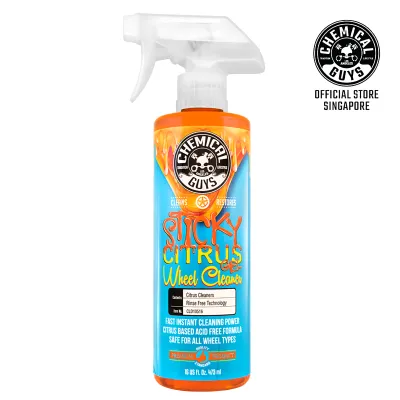
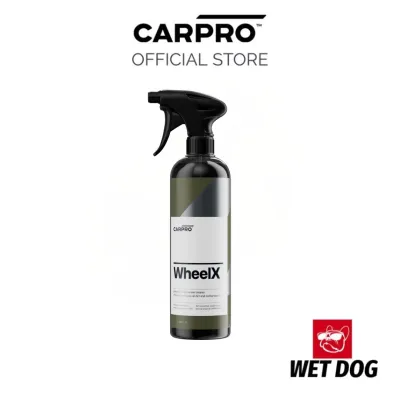
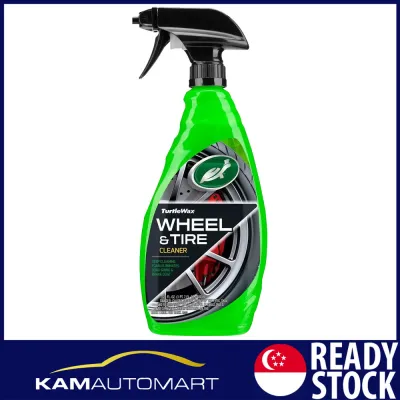
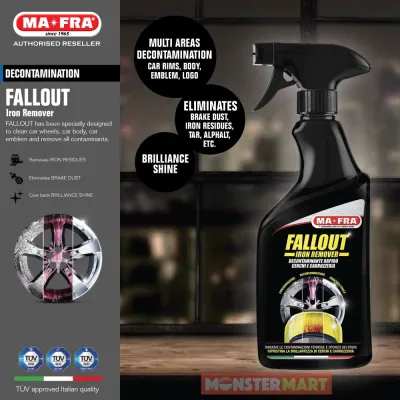
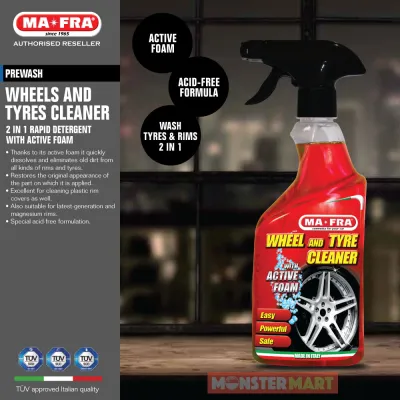
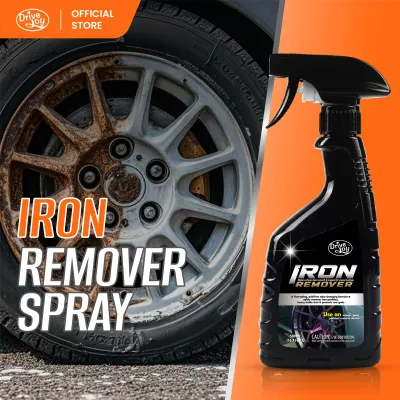
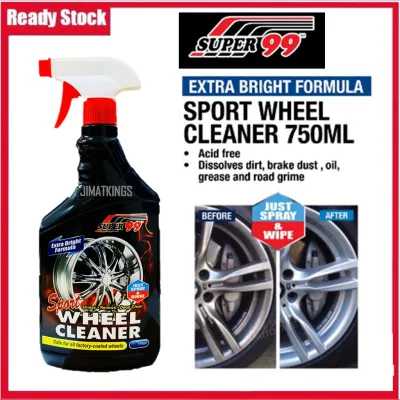
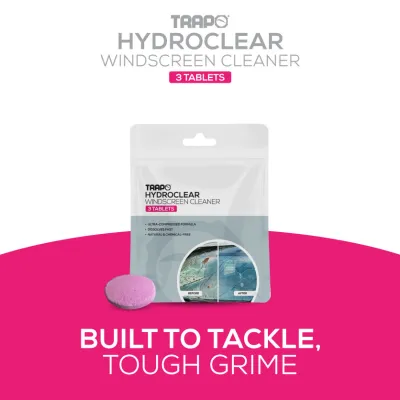
Prices are valid at publication and may change. Please refer to the product page for the latest price.
Wheel grime is fundamentally different from the dirt found on the rest of your vehicle. The primary culprit is brake dust, which is a highly destructive mixture of carbon fibers, adhesive resins, and microscopic metallic iron particles. When you apply your brakes, the friction between the brake pads and cast-iron rotors shears off tiny, jagged metal filaments. These particles fly off at extremely high temperatures, allowing them to melt directly into the soft clear coat or bare metal of your wheels. Once cooled, they thermally bond to the surface, creating a rough, dark layer that standard car soap cannot dissolve or safely lift.
In addition to brake dust, wheels are constantly bombarded by road tar, tire rubber residue, and asphalt oils. Over time, these organic and inorganic contaminants form a highly resilient, baked-on crust. Attempting to scrub this stubborn layer away using only standard car soap and physical force is a recipe for disaster. The abrasive iron particles will be dragged across the wheel surface under the pressure of your brush or mitt, creating deep swirl marks, scratches, and micro-marring that dull the finish.
Furthermore, resorting to aggressive household cleaners or unapproved degreasers as a substitute for dedicated products introduces severe risks. Many household detergents contain highly concentrated alkaline builders or harsh solvents that can quickly strip the protective clear coat off alloy wheels. This leaves the underlying aluminum vulnerable to rapid oxidation, cloudiness, and unsightly white rust. Investing in a dedicated wheel cleaner is the only way to chemically break the bond of metallic and organic contaminants, allowing you to rinse them away safely with minimal physical contact.
Matching Wheel Cleaner Chemistry to Your Wheel Finish
Before adding any chemical to your detailing shelf, you must identify the exact material and finish of your wheels. Modern vehicles come equipped with a wide variety of wheel types, including painted and clear-coated alloys, chrome, polished bare aluminum, anodized finishes, and matte or satin powder coats. Each of these surfaces reacts differently to chemical pH levels. Always consult your vehicle owner’s manual or aftermarket wheel manufacturer documentation to verify compatibility before applying any product.

pH-Neutral and Iron Removers
For the vast majority of modern daily drivers, pH-neutral iron removers represent the safest and most technologically advanced choice. These products are formulated with active ingredients, such as sodium thioglycolate, which specifically target and react with iron oxide (rust) and raw iron particles. When sprayed onto a wheel, the chemical selectively binds with the embedded brake dust, dissolving the iron into a water-soluble complex without attacking the underlying clear coat, paint, or metal.
One of the most satisfying aspects of using a pH-neutral iron remover is the visual feedback. As the chemical reaction occurs, the product undergoes a dramatic color change, typically turning from clear to a deep purple or blood red. This color change indicates that the iron particles are being successfully dissolved and suspended, ready to be rinsed away. Because these formulations maintain a neutral pH of approximately 7, they are exceptionally safe for painted, clear-coated, chrome, and even delicate powder-coated finishes, making them the ideal default option for standard maintenance.
Alkaline Cleaners
Alkaline wheel cleaners generally operate at a pH level between 8 and 11. These formulations rely on alkaline builders and heavy-duty surfactants to break down organic matter, greasy road film, and stubborn road tar. They are particularly effective at tackling “tire blooming,” which is the brown discoloration that occurs on tire sidewalls when antiozonants in the rubber oxidize upon exposure to the elements.
While alkaline cleaners are highly efficient at cleaning both the wheel and the tire sidewall in a single step, they require careful handling. If allowed to dry on a warm wheel, or if used in an excessively concentrated form, highly alkaline chemicals can dull or stain delicate finishes, particularly bare polished aluminum or anodized surfaces. When using an alkaline cleaner, it is crucial to verify that the product is labeled as safe for your specific wheel finish, strictly adhere to recommended dilution ratios, and rinse the surface thoroughly with clean water.
Acidic Cleaners
Acidic wheel cleaners are highly aggressive products formulated with strong acids, such as phosphoric or hydrochloric acid, operating at a very low pH. These chemicals work by micro-etching the surface of the metal to instantly release heavy corrosion, deep-seated mineral deposits, and severely baked-on brake dust that has been neglected for years. They are incredibly fast-acting and require almost no physical agitation to clean heavily soiled wheels.
However, the use of acidic cleaners carries strict safety boundaries and is generally not recommended for routine home detailing. Acidic solutions can cause immediate, irreversible damage to painted, clear-coated, polished, anodized, or chrome wheels, leaving behind cloudy white patches, etched water spots, and ruined center caps. They can also accelerate the corrosion of brake calipers, suspension components, and wheel bolts. If you are uncertain of your wheel finish, do not use an acidic cleaner; instead, stop and consult the wheel manufacturer’s care instructions or seek professional detailing assistance.
Practical Features to Look for in a Wheel Cleaner
When evaluating different wheel cleaners for your home wash toolkit, the physical behavior of the product is just as important as its chemical strength. Choosing a formulation with the right practical features can dramatically reduce your physical effort, save you time, and prevent product waste during your detailing sessions.
One of the most important characteristics to look for is the viscosity of the fluid, which determines its “dwell time.” Standard liquid cleaners are thin and watery; when sprayed onto a vertical wheel face, they quickly run off and pool on the ground, leaving little time for the active ingredients to react with the grime. To combat this, many premium manufacturers offer gel or foaming formulations. These thicker products cling tightly to the vertical spokes, complex crevices, and deep inner barrels of the wheel. By resisting gravity, they remain in contact with the contaminants for several minutes, maximizing chemical breakdown and minimizing the need for heavy scrubbing.
Color-changing indicators, common in iron-active formulas, are another highly practical feature. Beyond the visual appeal, this color shift serves as a functional timer. It tells you exactly when the chemical reaction has peaked and when the product is ready to be agitated and rinsed. It also highlights areas of heavy contamination that you might have missed during application, ensuring a more thorough and even clean across the entire wheel assembly.
Another key decision point is choosing between ready-to-use (RTU) spray bottles and concentrated formulas. Ready-to-use products offer ultimate convenience, as they are pre-diluted to a safe, effective strength and come packaged with a spray trigger. They are perfect for casual weekend washers who want a straightforward, hassle-free process. Conversely, concentrated formulas are highly favored by enthusiast detailers and those maintaining multiple vehicles. While they require manual mixing with water, concentrates are incredibly cost-effective over the long term. They also allow you to customize the strength of the solution—such as mixing a mild 1:10 ratio for light weekly dust, or a stronger 1:4 ratio for heavy periodic cleaning.
Finally, pay attention to the spray nozzle design. A high-quality trigger spray should offer an adjustable nozzle that can transition between a wide fan pattern and a concentrated stream. A wide fan is ideal for achieving rapid, even coverage across the outer face of the wheel. A targeted stream is essential for shooting the chemical deep into the inner barrels, behind tight spoke designs, and around the lug nut recesses where brake dust tends to accumulate in heavy concentrations.
Which Wheel Cleaner Category Fits Your Washing Routine
Your choice of wheel cleaner should align closely with how often you wash your vehicle, the type of car you drive, and your overall maintenance goals. Rather than buying a product simply because it is highly rated, select the category that matches your realistic detailing habits.
For Regular Weekly Washers
If you wash your vehicle every week or two, brake dust and road grime never have the opportunity to bake deeply into the wheel finish. For this routine, a mild, pH-neutral, non-acidic daily maintenance wheel cleaner is the perfect fit. These products are designed to gently lift light surface dust and fresh road film without stripping away any wheel wax, sealant, or ceramic coating you have applied.
Using a mild maintenance cleaner weekly ensures that your wheel’s protective layers remain intact, making subsequent washes even easier. Because these formulas are gentle, they carry virtually zero risk of etching or staining, even if used in warm tropical climates like Singapore’s. They are also highly cost-effective, as they require minimal active chemical concentration to achieve excellent results on lightly soiled wheels.
For Periodic Deep Detailing
For car owners who wash their vehicles less frequently—perhaps once a month or quarterly—or those looking to perform a thorough seasonal detail, a dedicated color-changing iron remover is indispensable. Over several weeks of driving, microscopic metallic particles will inevitably embed themselves into the clear coat, bypassing mild maintenance soaps.
An iron-removing gel is the ultimate tool for these deep-cleaning sessions. The high-viscosity gel clings to the wheel, giving the active ingredients ample time to dissolve stubborn, bonded brake dust. This deep chemical decontamination is highly recommended before applying any new protective wax, sealant, or ceramic coating to your wheels, ensuring the protection bonds directly to a perfectly clean, bare surface.
For Heavy-Duty or Off-Road Vehicles
If you drive an off-road vehicle, a commercial van, or a car that frequently encounters heavy mud, thick grease, and severe road grime, your primary challenge is organic dirt rather than just brake dust. In this scenario, an alkaline-based heavy-duty cleaner or degreaser is the most effective choice.
Alkaline cleaners excel at emulsifying thick grease, cutting through road tar, and stripping away brown tire blooming to restore a deep black finish to your tire sidewalls. However, because these formulas are highly active, you must strictly follow the manufacturer’s dilution instructions on the product label. Always perform a spot test on a small, inconspicuous area of the wheel first to verify compatibility, particularly if you are dealing with aftermarket wheels or custom finishes.
Safe Application Steps and Brush Pairings
To achieve professional-grade results at home without risking damage to your wheels, braking system, or suspension components, you must follow a disciplined, systematic application process. Before beginning, always review the safety boundaries and instructions printed on your specific wheel cleaner’s label, as well as your vehicle’s care guidelines.
- Work on Cool, Shaded Wheels: This is the absolute golden rule of wheel cleaning. Never apply chemicals to wheels that are hot from driving or sitting in direct sunlight. The extreme heat will cause the cleaner to evaporate rapidly, leaving behind highly concentrated chemical residues that can permanently stain, spot, or etch the wheel finish and brake components. If the wheels are warm to the touch, spray them down with cool water first and allow them to rest in the shade.
- Pre-Rinse Thoroughly: Use a pressure washer or a strong hose stream to pre-rinse the wheel, tire, and wheel well. This step is critical because it flushes away loose sand, grit, and abrasive dirt. Removing this loose debris beforehand prevents you from dragging it across the wheel face during the agitation step, which would otherwise cause fine scratches and swirl marks.
- Apply the Cleaner Strategically: Spray your chosen wheel cleaner evenly across the entire surface, starting from the bottom of the wheel and working your way up to prevent uneven running lines. Ensure you spray deep into the inner barrel and around the lug nuts. Allow the product to dwell for the manufacturer's specified time—typically 2 to 5 minutes. Monitor the wheel closely to ensure the chemical does not begin to dry on the surface.
- Agitate with Dedicated, Safe Tools: While the chemical does the heavy lifting, mild agitation is usually required to completely free bonded grime. To do this safely, you must pair your cleaner with the correct detailing brushes:
- For the Inner Barrels: Use a long, flexible, soft microfiber barrel brush (often called a wheel woolie). This tool allows you to reach deep behind the spokes to clean the entire barrel without scratching the surface.
- For the Wheel Faces: Use a highly lubricated microfiber wash mitt or an ultra-soft, feathered-tip boar's hair detailing brush. These gentle fibers will clean painted or polished faces without leaving micro-scratches.
- For Lug Nuts and Crevices: Use a small, soft-bristled detail brush to gently agitate the tight recessed areas around the lug nuts and center caps.
- For the Tires: Use a stiff-bristled tire brush. Note that this stiff brush must only be used on the rubber tire sidewall to scrub away grease and blooming; never let it touch the delicate wheel face.
- Perform a Thorough Final Rinse: Rinse the entire wheel, tire, and brake assembly thoroughly with a high-pressure stream of clean water. Pay close attention to flushing out the lug nut holes, the brake calipers, and the crevices behind the spokes where chemical residue can easily pool and hide. Leaving active chemicals trapped in these areas can lead to localized corrosion over time.
- Dry the Wheels: Do not let the wheels air-dry, especially in regions with hard water, as this will leave unsightly mineral spots. Use a dedicated, clean microfiber drying towel (separate from the towel used on your car's body paint) to dry the wheel completely. Once dry, you can apply a quality wheel sealant or tire dressing to lock in the clean look.
Frequently Asked Questions (FAQ)
Can I use regular car wash soap instead of a dedicated wheel cleaner?
While regular car wash soap is highly safe and effective for removing loose surface dirt during a routine wash, it lacks the specific chemical agents required to break down baked-on brake dust. Brake dust contains metallic iron particles and adhesive resins that thermally bond to the wheel surface under extreme heat. Standard pH-neutral car shampoos do not have the chemical capacity to dissolve these metallic bonds, meaning you would have to resort to aggressive scrubbing, which can severely scratch and damage your wheel’s clear coat. A dedicated wheel cleaner chemically suspends these contaminants, ensuring a safe, scratch-free cleaning process.
Is it safe to clean wheels when they are still hot from driving?
No, you should never apply wheel cleaner to wheels that are hot from driving. The heat stored in your brake rotors, calipers, and wheels will cause the cleaning solution to evaporate almost instantly upon contact. This rapid drying leaves behind highly concentrated chemical residues, active acids, or alkaline builders that can permanently stain, spot, or etch the wheel’s finish. Additionally, spraying cold water onto hot brake rotors can cause thermal shock, potentially leading to warped rotors and compromised braking safety. Always allow your wheels to cool completely in a shaded area before starting the wash process.
How often should I apply an iron remover to my wheels?
For a daily driver, applying a dedicated color-changing iron remover every 2 to 3 months—or during your deep seasonal detailing sessions—is generally sufficient to keep metallic contamination under control. Between these deep cleans, you can use a mild, pH-neutral maintenance wheel cleaner or standard car soap for your weekly washes. However, if you drive a high-performance vehicle equipped with aggressive semi-metallic brake pads that generate heavy dust, you may benefit from using an iron remover on a monthly basis. Always refer to the specific frequency guidelines and safety instructions provided on your product’s label to ensure optimal results.
Community discussion
Share your experience or ask a question. Comments are reviewed before publication.