
To protect your Honda in Singapore’s intense tropical climate, the best choice for a honda boot cover combines a custom-fit Thermoplastic Elastomer (TPE) trunk tray for floor-level waterproofing with a UV-resistant, retractable polyester or canvas cargo shade for upper-level sun protection. Singapore’s unique combination of sudden, heavy downpours and unrelenting solar radiation requires accessories designed to withstand extreme humidity and heat. Investing in high-quality, model-specific protection prevents permanent cabin damage and preserves your vehicle’s resale value.
How Singapore’s Tropical Weather Affects Your Honda’s Boot
The UV index frequently reaches extreme levels in Singapore, sending intense solar radiation through the large glass panes of rear windscreens. This constant exposure degrades the polymers in your vehicle’s interior, causing cheap plastics to warp, fabrics to fade, and sensitive cargo to overheat. For Honda sedans and hatchbacks alike, unprotected boots act like greenhouses, trapping heat and accelerating the deterioration of the original equipment manufacturer (OEM) carpeting.
Monsoon seasons bring torrential rains that make loading and unloading cargo a wet affair. Placing wet umbrellas, damp grocery bags, or soggy sports gear directly onto the fabric floor allows water to seep deep into the boot’s fiber layers. Over time, this moisture compromises the adhesive backings of the vehicle’s insulation and leads to permanent staining.
Products mentioned in this guide
Prices are valid at publication and may change. Please refer to the product page for the latest price.
Furthermore, Singapore’s high ambient humidity, which regularly hovers above 80 percent, creates a breeding ground for biological growth. When moisture becomes trapped beneath poorly ventilated or non-breathable mats, it cannot evaporate efficiently. This trapped dampness rapidly develops into mold, mildew, and persistent, musty odors that are incredibly difficult to extract from the cabin’s upholstery.
These environmental factors turn interior protection from a cosmetic preference into a functional necessity. Without adequate barriers, the combination of intense heat and moisture accelerates wear and tear, eventually requiring expensive professional detailing or complete carpet replacement.
Identifying the Right Type of Honda Boot Cover for Your Needs
To select the correct honda boot cover, you must first distinguish between the different types of protective accessories available and how they serve your specific Honda model.

Boot Liners and Trays: These heavy-duty floor covers are engineered specifically to shield the bottom of your boot from liquid spills, dirt, and physical wear. Featuring raised outer lips, they act as shallow basins that contain liquids, preventing rainwater or spilled groceries from reaching the underlying fabric. They are highly recommended for every vehicle class, from compact hatchbacks to large family SUVs.
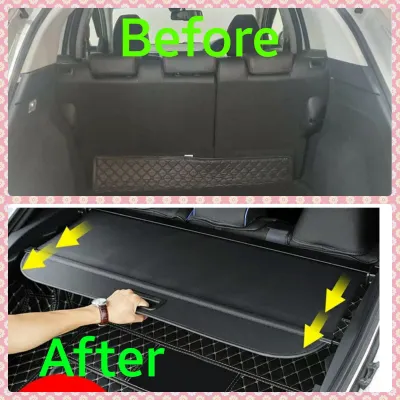
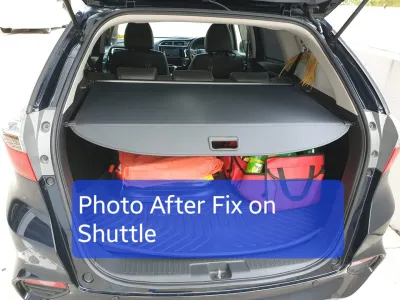
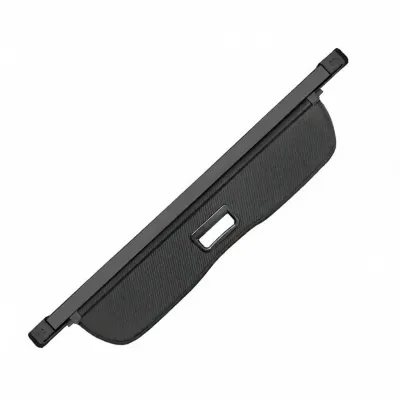
Cargo Covers and Retractable Shades: Positioned at the window line, these horizontal screens shield the contents of your boot from direct sunlight and prying eyes. They are particularly vital for Honda SUVs and multi-purpose vehicles (MPVs), such as the CR-V, HR-V, or Freed, where the cargo area is completely open to the cabin. By blocking direct solar rays, they protect sensitive luggage, groceries, and electronics from heat damage while enhancing cabin privacy.
Full Boot Enclosures and Cargo Nets: While cargo nets excel at securing loose items during transit and full fabric liners protect the side walls, they offer limited defense against liquid spills or intense UV radiation. They are best used as secondary accessories alongside a primary waterproof tray or retractable shade, rather than standalone climate solutions.
Evaluating your daily routine and vehicle body style will dictate the ideal setup. For instance, a Honda Civic sedan owner may only require a custom-formed TPE tray, whereas a Honda CR-V owner will benefit immensely from pairing a waterproof floor liner with a retractable UV-blocking cargo shade.
Material Specifications to Look For in a Tropical Climate
When browsing online marketplaces or local automotive accessory shops in Singapore, you will encounter various materials marketed as “weatherproof.” Understanding the technical differences is key to choosing a product that will not degrade under local conditions.
Waterproofing Standards: For floor trays, prioritize Thermoplastic Elastomer (TPE) or high-density vulcanized rubber. TPE is a modern polymer blend that offers the durability of rubber with the lightweight, flexible properties of plastic. Unlike cheap Polyvinyl Chloride (PVC), high-quality TPE is completely odorless, meaning it will not release toxic chemical fumes when your car is parked under the hot sun. If you prefer fabric-based liners, ensure they are constructed from high-density Oxford cloth (such as 600D or higher) backed by a thick Polyurethane (PU) waterproof coating.
UV Resistance Indicators: For overhead cargo shades, look for multi-layered fabrics treated with UV inhibitors. Premium shades often feature an aluminum foil reflective underlayer or a specialized carbon-fiber weave that reflects solar radiation rather than absorbing it. The frame of the retractable shade should consist of powder-coated aluminum or UV-stabilized polymers to prevent warping, cracking, or jamming when exposed to cabin temperatures that can easily exceed 60 degrees Celsius.
Materials to Avoid: Steer clear of untreated polyester or cheap nylon covers, which readily absorb ambient moisture and promote mold growth in high humidity. Additionally, avoid low-grade PVC or vinyl liners. Under intense heat, these materials tend to release plasticizers, causing them to warp, become brittle, or develop a sticky, oily residue that can permanently stain your Honda’s original carpet.
Always inspect the manufacturer’s product label and technical specifications for temperature tolerance ratings. Reliable manufacturers will explicitly state that their materials are rated for high-temperature stability and are free from volatile organic compounds (VOCs).
Ensuring Proper Fitment and Safety for Honda Models
Selecting a high-quality material is only half the battle; ensuring a precise fit is critical for both protection and safety.
When purchasing a honda boot cover, you must verify compatibility with your exact vehicle model, generation, and model year. For example, a boot liner designed for a tenth-generation Honda Civic sedan will not fit an eleventh-generation Civic, nor will it fit a Civic Hatchback variant. A loose or poorly fitted tray allows water to pool in unsecured corners, defeating the purpose of a waterproof barrier.
For owners of modern Honda hybrid vehicles, such as the e:HEV variants of the Fit, Civic, or HR-V, fitment requires extra caution. Many hybrid models house their auxiliary batteries or power electronics near the boot floor, utilizing dedicated cooling vents. You must ensure that any aftermarket floor liner does not block these ventilation paths, as restricted airflow can cause the hybrid system to overheat and trigger dashboard error codes. Additionally, the cover must not obstruct access to under-floor storage compartments, tire repair kits, or spare tire wells.
When installing retractable cargo covers in SUVs, verify that the unit mounts securely into the factory-designated slots without obstructing rearward visibility. The housing must not interfere with the deployment path of side curtain airbags or block any interior sensors.
Before purchasing or installing any aftermarket accessory, always consult your Honda owner’s manual and the accessory manufacturer’s fitment documentation to confirm compatibility and safe installation boundaries. If you are unsure about installation or compatibility, seek assistance from a qualified automotive professional.
Maintaining and Cleaning Boot Covers in High Humidity
Singapore’s humid climate requires regular maintenance of your interior accessories to prevent the build-up of bacteria, mold, and unpleasant odors.
Routine Cleaning for Liners and Trays: Remove the TPE or rubber tray from your Honda’s boot at least once a month. Hose it down with clean water and use a mild, pH-neutral car shampoo if necessary. Crucially, allow the mat to dry completely in a shaded, well-ventilated area before reinstalling it. Placing a damp mat back into the boot traps moisture underneath, creating a humid microclimate that will rapidly ruin the OEM carpet.
Fabric and Shade Care: Clean fabric liners and retractable cargo shades by vacuuming away loose dust and debris. For light stains, wipe the surface with a damp microfiber cloth and a mild, non-bleach fabric cleaner. Never saturate retractable shades with water, as moisture can penetrate the internal spring mechanism and cause rust or mechanical failure. Ensure the shade is fully extended and completely dry before retracting it.
Inspection Routine: Periodically check your boot accessories for signs of degradation. Look for curling edges, warping, or a sticky surface texture. These are clear signs that UV exposure or heat has compromised the material’s structural integrity, indicating that it is time for a replacement.
If you discover that mold or deep water stains have already penetrated the underlying OEM carpet, stop cleaning the cover yourself. Consult a professional automotive detailer to treat the vehicle’s interior safely and prevent structural damage or health hazards.
Frequently Asked Questions (FAQ)
Can I use a universal boot mat instead of a custom-fit one for my Honda?
While universal mats are generally less expensive, they rarely provide adequate protection in Singapore’s wet weather. Universal options must be cut to size or left folded, creating gaps where spilled liquids and rainwater can easily bypass the mat and pool on the original carpet. Custom-fit TPE trays are specifically molded to the contours of your Honda model, featuring high, raised edges that fully contain messes and prevent liquid run-off.
Will a dark-colored boot liner absorb more heat and damage the car floor?
Although dark colors naturally absorb more visible light and heat, your Honda’s boot floor is largely shielded from direct sunlight by the rear parcel shelf or cargo cover. The temperature of the boot floor is determined primarily by ambient cabin heat rather than direct solar absorption. Therefore, the material’s inherent thermal tolerance—such as high-grade TPE versus cheap, heat-sensitive PVC—is far more critical than its color in preventing warping or chemical off-gassing.
Community discussion
Share your experience or ask a question. Comments are reviewed before publication.