
The best waterproof and UV-resistant boot covers for Honda cars in Singapore are custom-molded thermoplastic elastomer (TPE) or thermoplastic olefin (TPO) liners. If you are looking for a high-quality honda boot cover, choosing a custom-fit TPE liner with raised 3D edges ensures that heavy rain, wet umbrellas, and grocery spills do not seep into the original carpet, protecting your vehicle’s interior from mold and structural degradation. These materials outperform traditional rubber and PVC by offering complete water resistance, high UV stability to withstand the intense tropical sun, and zero toxic off-gassing in hot cabins. For popular Honda models like the Jazz, HR-V, and CR-V, these liners provide the ultimate defense against the local climate.
How Singapore’s Weather Affects Your Honda’s Boot Area
In automotive terminology, a “boot cover” can refer to a trunk liner, cargo mat, or boot tray designed to shield the rear storage floor. For owners of Honda hatchbacks, crossovers, and SUVs—such as the Honda Jazz, HR-V, and CR-V—the cargo area is directly open to the passenger cabin. Unlike traditional sedans with isolated trunks, any environmental stress, moisture, or odor originating in the boot directly impacts the air quality and comfort of the entire cabin. Therefore, selecting an effective protective barrier is not just about keeping the car clean; it is about maintaining a healthy and comfortable driving environment.
Singapore’s equatorial climate presents a dual challenge of extreme solar radiation and high ambient temperatures. The expansive rear windshields characteristic of modern Honda hatchbacks and SUVs act as magnifying glasses, focusing intense UV rays and heat directly onto the boot floor. When your vehicle is parked in open-air HDB carparks or roadside spaces, interior cabin temperatures can rapidly climb to over 60 degrees Celsius. Low-quality plastics and untreated synthetic materials degrade quickly under this constant thermal stress, leading to cracking, fading, and warping. Furthermore, cheap materials often release volatile organic compounds (VOCs), resulting in unpleasant and potentially harmful chemical odors circulating through the air conditioning system.
Products mentioned in this guide
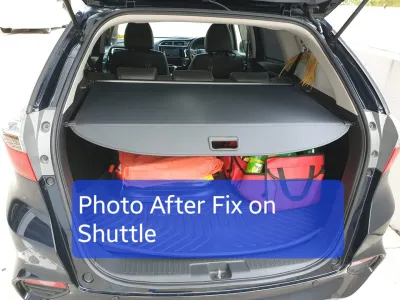
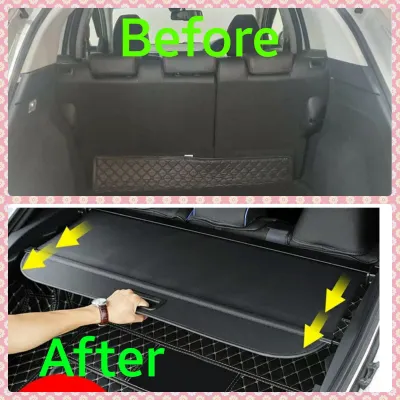
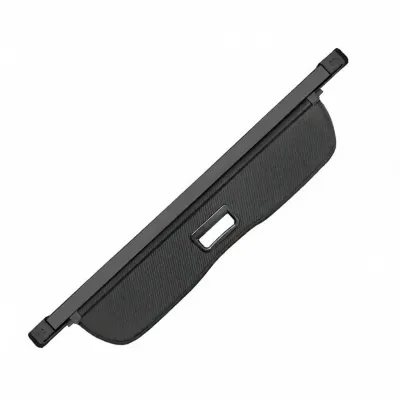
Prices are valid at publication and may change. Please refer to the product page for the latest price.
In addition to intense heat, Singapore is famous for its sudden, heavy monsoon downpours and high relative humidity, which frequently exceeds 80 percent. Drivers regularly load wet umbrellas, damp groceries, waterlogged sports gear, or muddy shoes directly into the cargo area. Without a reliable waterproof barrier, this moisture seeps into the original fabric carpet of your Honda. Trapped moisture in a hot, dark environment creates the perfect breeding ground for mold, mildew, and persistent musty smells. Once these fungal spores establish themselves in the vehicle’s thick carpet underlay, they are incredibly difficult and expensive to eradicate, often requiring professional deep cleaning or complete carpet replacement.
Essential Features for Waterproof and UV-Resistant Honda Boot Covers
When shopping for a honda boot cover, selecting a custom-molded design tailored to your specific model and year is the most critical decision. Universal mats are often marketed as one-size-fits-all, but they inevitably leave gaps along the wheel arches, rear seats, and tailgate latch. These gaps allow spilled liquids, dirt, and sand to slide off the edges and accumulate on the original carpet underneath, rendering the cover ineffective. A custom-fit liner contour-matches every curve of your Honda’s cargo floor, ensuring complete edge-to-edge coverage and preventing any shifting during transit. Before purchasing, always verify your vehicle’s exact model year, trim level, and hybrid status from the official vehicle documentation, as interior dimensions can vary significantly between generations.

A truly effective waterproof liner must feature a raised outer lip, typically between two to five centimeters high. This 3D perimeter wall acts as a reliable dam, containing liquid spills, melting ice from grocery bags, or rainwater dripping from umbrellas. Deep channels molded into the surface of the mat are equally important, as they route liquids away from your luggage and keep your cargo dry while driving through Singapore’s winding roads and frequent stop-and-go traffic.
The intense heat of Singapore requires a boot cover with high thermal stability. Look for products that explicitly state their temperature tolerance limits and UV-resistance ratings. High-quality materials will not warp, curl at the edges, or become brittle when exposed to temperatures that can exceed 60 degrees Celsius inside a parked car. A stable cover maintains its shape and protective seal over years of daily exposure, ensuring the raised edges remain flush against the boot walls.
A sliding cargo mat is not only annoying but can also be dangerous if it interferes with the rear seat latching mechanisms or damages the interior trim. Choose a boot cover equipped with a textured, high-friction underside or built-in nibs that grip the original carpet fibers securely. Avoid covers that rely on adhesive backing or cheap double-sided tape, as these adhesives will melt under Singapore’s extreme cabin heat, leaving a sticky, ruined residue on your Honda’s original carpet.
Comparing Boot Cover Materials for Tropical Climates
To find the ideal boot cover for a Honda in Singapore, you must evaluate materials based on three critical performance axes: waterproofing capability, UV and heat resistance, and the risk of chemical off-gassing in an enclosed cabin.
TPE and TPO (Thermoplastic Elastomers)
Thermoplastic Elastomers (TPE) and Thermoplastic Olefins (TPO) represent the gold standard for modern automotive cargo liners. These advanced hybrid materials combine the durability of plastic with the flexibility of rubber, making them highly resilient to temperature fluctuations. Under Singapore’s intense sun, TPE and TPO liners do not warp, crack, or lose their shape, maintaining their protective 3D contours indefinitely. Crucially for family cars, high-quality TPE is completely odorless and non-toxic, meaning it will not release harmful chemical fumes or unpleasant smells when your Honda is parked under the sun for hours. These materials are also completely non-porous, providing a perfect waterproof barrier that is exceptionally easy to spray clean and dry quickly.
Heavy-Duty Rubber
Traditional heavy-duty rubber mats offer excellent waterproofing and a rugged, durable surface that can handle heavy, abrasive cargo. However, natural and synthetic rubber compounds tend to retain heat and can become stiff or brittle over years of exposure to UV radiation. The most significant drawback of traditional rubber in Singapore’s climate is the strong, characteristic rubber odor that can intensify dramatically when the cabin heats up. In hatchbacks and SUVs where the boot air circulates with the cabin, this persistent smell can cause discomfort for passengers during long drives.
PVC and Hard Plastics
Polyvinyl Chloride (PVC) and low-grade hard plastics are common in budget-friendly, universal boot liners available on online marketplaces. While they initially offer decent waterproofing, these materials degrade rapidly under prolonged UV exposure and high temperatures, leading to cracking, splitting, and curling edges. As PVC degrades, it often releases plasticizers and other chemical compounds, resulting in a strong chemical smell and a greasy film on the inside of your rear windshield. Given the harshness of the local climate, budget PVC liners often require frequent replacement, making them a poor long-term investment for your Honda.
Carpet and Fabric Blends
Some drivers prefer the premium look of carpeted or fabric-blended boot mats, which often feature embroidered brand logos or matching trim colors. While carpet mats can absorb minor vibrations and prevent cargo from sliding, they are highly unsuitable as a primary waterproof layer in humid environments. Fabric fibers trap moisture from wet umbrellas or condensation, taking an exceptionally long time to dry in Singapore’s high humidity. This trapped dampness inevitably leads to the growth of mold, mildew, and foul odors, which can eventually ruin both the mat and the underlying vehicle carpet.
Maintaining Your Boot Cover to Prevent Mold and Odors
To keep your Honda’s boot area fresh and hygienic, establish a regular cleaning schedule. Remove the boot cover from the vehicle carefully to avoid spilling any accumulated dirt or debris onto the original carpet. Shake off loose dust, sand, or leaves, then rinse the cover using a low-pressure garden hose or wipe it down with a damp microfiber cloth. Before using any cleaning agents, always check the manufacturer’s care instructions; for most TPE or rubber liners, a mild dish soap diluted in warm water is sufficient to remove stubborn grime without degrading the material.
Never reinstall a damp boot cover into your Honda. In Singapore’s highly humid climate, trapping even a small amount of moisture beneath a waterproof liner creates a sealed, humid microclimate. This trapped water cannot evaporate, leading to mold growth on the original vehicle carpet and potential rust on the metal boot floor. Always allow the clean liner to air-dry completely in a shaded, well-ventilated area. Avoid placing the liner in direct, unshaded sunlight to dry, as extreme concentrated solar heat can cause some materials to warp unnecessarily.
Accidental spills of groceries, muddy water, or acidic liquids like fruit juices or cleaning chemicals require immediate attention. Wipe up the bulk of the spill with paper towels or a clean cloth as soon as possible to prevent the liquid from sloshing over the raised edges during transit. Once home, remove the liner and wash the affected area thoroughly with mild soap and water. Prompt action prevents staining and ensures that acidic or oily substances do not slowly degrade the UV-resistant topcoat of your liner.
To preserve the lifespan and protective qualities of your boot cover, avoid using harsh chemical solvents, bleach, or abrasive scrubbing pads, which can strip away UV-resistant coatings and scratch the surface. Never use high-pressure washers at extremely close range, especially on liners with multi-layer bonded seams, as the intense pressure can delaminate the materials. Additionally, avoid loading sharp, unprotected metal objects or heavy tools directly onto the liner without a protective buffer, as deep punctures will compromise its waterproofing capability.
Frequently Asked Questions (FAQ)
Will a waterproof boot cover trap moisture and cause rust on my Honda's boot floor?
A waterproof boot cover itself does not generate moisture, but it can trap existing dampness if installed incorrectly. If you place a waterproof liner over a carpet that is already wet from a spill or rain, the moisture will be sealed underneath with no way to evaporate. Over time, this trapped humidity can lead to mold, mildew, and eventually rust on the metal floor panels of your Honda. To prevent this, always ensure that your car’s original boot carpet is completely dry and clean before laying down your waterproof cover, and inspect the area periodically during routine car maintenance.
Do I need a UV-resistant boot cover if my Honda has tinted rear windows?
Yes, a UV-resistant boot cover remains highly recommended even if your Honda is equipped with high-quality window tinting. While window films can block a significant percentage of ultraviolet rays and reduce solar heat transmission, they do not eliminate thermal energy entirely. The temperature inside a car parked in Singapore’s open carparks can still rise sufficiently to cause non-UV-stabilized materials to warp, curl, or release toxic chemical odors. Utilizing a dedicated UV-resistant and heat-stable boot liner provides a crucial secondary layer of defense, ensuring the accessory maintains its custom shape and protective qualities over years of ownership.
Community discussion
Share your experience or ask a question. Comments are reviewed before publication.