
Finding the right sucker holder to organize your car’s interior depends entirely on the specific surfaces you target. While a suction mount can provide a convenient, tool-free way to hang accessories or mount passenger entertainment screens, using the wrong type of mount on an incompatible surface leads to frustrating drops, damaged cargo, or ruined interior trim. To organize your vehicle effectively, you must match the suction technology to the specific material of your seat backs or trunk panels.
The front seat backs of modern vehicles typically feature smooth, non-porous materials such as leather, synthetic vinyl, or hard plastic panels. These surfaces are highly receptive to certain vacuum-based suction systems. In contrast, car trunks are dominated by textured, highly porous fabrics, felt linings, and woven carpets designed to absorb noise and resist wear. Because standard suction cups require an airtight seal to maintain a vacuum, they are fundamentally incapable of adhering directly to these trunk fabrics. To organize your trunk, you must look for specialized adhesive-backed suction bases or transition to mechanical alternatives.
Quick Guide: Matching Suction Holders to Car Surfaces
To select the correct sucker holder for your vehicle, you must first evaluate the texture and porosity of the mounting surface. Suction relies on atmospheric pressure; when you press a flexible cup against a surface and expel the air, the higher external atmospheric pressure holds the cup in place. If the surface is porous or textured, air slowly leaks back under the cup, equalizing the pressure and causing the mount to fall off.
Products mentioned in this guide
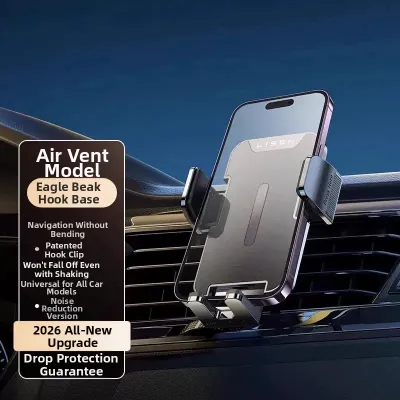
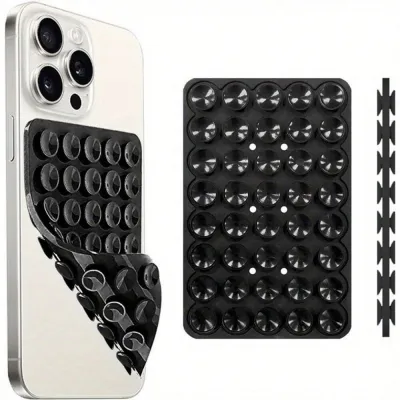
Prices are valid at publication and may change. Please refer to the product page for the latest price.
Understanding these material differences prevents you from purchasing accessories that fail to stick. The table below outlines how different suction technologies perform across common automotive surfaces, along with realistic weight capacities and recommended applications.
| Surface Material | Surface Texture | Recommended Suction Technology | Typical Weight Limit | Primary Application |
|---|---|---|---|---|
| Hard Plastic Seat Back | Smooth, non-porous | Traditional Silicone Vacuum Cup | Up to 1.5 kg | Tablet mounts, phone cradles |
| Synthetic Leather (Vinyl) | Smooth to micro-textured | Nano-Gel Adhesive Suction Mount | Up to 1.0 kg | Light accessory hooks, utility pockets |
| Genuine Leather | Smooth, slightly porous | Traditional Silicone (Short-term only) | Up to 0.8 kg | Temporary passenger device mounts |
| Smooth Trunk Trim (ABS) | Smooth, hard plastic | Adhesive-Backed Suction Base | Up to 2.5 kg | Small storage baskets, spray bottle holders |
| Trunk Carpet / Felt | Highly textured, porous | Hook-and-Loop (Velcro) / Cargo Clips | Up to 5.0 kg | Heavy cargo organizers, emergency kits |
When selecting a sucker holder, always prioritize the safety of your passengers and the integrity of your vehicle’s interior. A heavy tablet mounted to a weak suction cup on a textured seat back can easily detach during sudden braking, turning a convenient entertainment setup into a dangerous projectile.
Best Suction Cup Holder Types for Seat Back Organization
Organizing the space behind the front seats is an excellent way to keep the cabin tidy, especially when carrying rear-seat passengers or children. However, because seat backs are subject to constant movement, vibration, and passenger contact, choosing the right category of suction mount is critical for stability and safety.

Silicone Vacuum Suction Mounts for Tablets and Phones
Traditional silicone vacuum suction mounts use a mechanical lever or button to pull the center of the cup upward, creating a powerful internal vacuum. This technology performs exceptionally well on hard, smooth plastic panels often found on the rear of SUV or MPV front seats. It is also highly effective on tight, non-porous synthetic leather surfaces that mimic the smoothness of glass.
These mounts are ideal for holding passenger entertainment screens, tablets, and smartphones. By securing a stable vacuum seal, they can support the weight of a standard tablet even when driving over uneven road surfaces or speed bumps.
However, traditional silicone cups have notable limitations. If your car seats are upholstered in heavily textured synthetic leather, the microscopic valleys in the material will allow air to seep under the seal, causing the mount to drop unexpectedly. Additionally, silicone is highly sensitive to temperature fluctuations. When a parked car heats up under the sun, the air remaining inside the vacuum chamber expands, reducing the pressure differential and causing the cup to lose its grip.
Nano-Gel Adhesive Suction Hooks for Light Accessories
Nano-gel adhesive suction mounts, often made from polyurethane (PU) gel, offer a hybrid solution. These mounts combine a flexible suction cup with a sticky, reusable gel layer that physically fills the microscopic textures and pores of synthetic leather and vinyl. This allows them to create an airtight seal on surfaces where traditional silicone cups fail.
These mounts are highly suited for hanging lightweight, everyday accessories. They excel at holding face masks, small umbrellas, light shopping bags, or charging cables within easy reach of rear passengers.
Despite their versatility, nano-gel mounts require careful handling. Over time, the sticky gel can collect dust and lint, which reduces its adhesive properties. Furthermore, while the gel is designed to be residue-free, prolonged exposure to high cabin temperatures can cause the adhesive compounds to break down. This can leave a sticky, difficult-to-clean residue on sensitive leather or vinyl finishes, and in some cases, may even strip away the protective topcoat of the upholstery.
Safety and Placement Boundaries
Before installing any suction accessory on your seat backs, you must identify and respect the vehicle’s safety boundaries.
- Airbag Deployment Zones: Modern vehicles are equipped with side-impact airbags, which are frequently housed within the outer edges of the front seat backrests. Refer to your vehicle's owner's manual to locate these deployment zones precisely. Never place a hard plastic suction mount, hook, or tablet holder anywhere near these areas, as a deploying airbag will launch the accessory into the cabin with extreme force, risking severe injury.
- Upholstery Damage: Avoid leaving strong suction mounts or nano-gel hooks on genuine leather seats for extended periods. The constant pulling force of a vacuum cup can permanently stretch and deform natural leather fibers. Additionally, the chemicals in adhesive gels can react with leather dyes and finishes, leading to permanent discoloration, peeling, or cracking.
Trunk Storage Suction Holders: Overcoming Surface Challenges
The trunk is the primary storage hub of your vehicle, but its carpeted and felt-lined surfaces present a major challenge for suction-based organizers. Because these fabrics are highly porous, traditional suction cups cannot hold any weight in this area. To organize your trunk safely, you must adapt your strategy.
Adhesive-Backed Suction Bases for Smooth Trunk Trims
If you want to use suction holders in your trunk, you must target the smooth, non-porous areas of the cargo space. Many vehicles feature hard ABS plastic panels, wheel well covers, or painted metal surfaces along the sides or corners of the trunk. For these areas, adhesive-backed suction bases are the most reliable option.
These systems use a semi-permanent, automotive-grade adhesive disc that bonds securely to the hard plastic trim. Once the disc is installed, it provides a perfectly smooth, glass-like surface onto which a standard suction cup holder can be mounted. This setup is excellent for holding small items like cleaning sprays, microfiber cloths, or tire pressure gauges.
Before applying an adhesive disc, always check the compatibility of the adhesive with your vehicle’s interior plastics. High-strength adhesives can sometimes react with the plasticizers in automotive trim, leading to permanent staining or melting of the plastic. Additionally, observe the manufacturer’s specified weight limits; most adhesive-backed bases are rated for light to medium loads and should not be overloaded.
When Suction Fails: Hook-and-Loop and Clip Alternatives
When dealing with the carpeted liners that cover the majority of your trunk, suction holders are simply the wrong tool. Attempting to force a suction cup onto a carpeted surface is guaranteed to fail, potentially damaging your cargo when the mount collapses.
For these fabric surfaces, automotive-grade hook-and-loop (Velcro-style) organizers are far more effective. The hook side of the fastener grips directly into the loops of the trunk carpet, providing a secure, high-weight-capacity bond without requiring any adhesives or vacuum seals. These are perfect for securing heavy cargo organizers, fire extinguishers, or emergency tool kits.
Alternatively, you can utilize cargo net clips and anchors. Most modern vehicles come equipped with metal cargo tie-down points built into the trunk floor or sides. Utilizing heavy-duty clips or cargo nets attached to these factory anchor points is the safest way to secure bulky, heavy, or oddly shaped items.
Cargo Shifting and Driving Safety
The dynamics of a moving vehicle require a cautious approach to trunk organization.
- Projectile Risks: During sudden braking, emergency swerving, or a collision, any unsecured object in the trunk can shift violently. A suction cup holder mounted to a plastic trim piece is subject to high lateral G-forces. If the mount fails, the attached items can become dangerous projectiles, especially in hatchbacks, SUVs, or station wagons where the cargo area is open to the passenger cabin.
- Weight Restrictions: Restrict the use of suction holders in the trunk to lightweight, non-hazardous, and soft items. Never use suction cups to secure heavy tools, sharp objects, or chemical liquids that could spill and damage the vehicle's electrical systems or upholstery if the mount detaches.
Installation, Heat Resistance, and Safe Removal
Proper installation and maintenance are essential to ensure your suction holders remain secure, especially when subjected to challenging environmental conditions.
Surface Preparation
A clean surface is the foundation of a strong suction bond. Dust, skin oils, and interior detailing sprays (such as silicone-based protectants) leave a microscopic film that prevents suction cups from forming an airtight seal.
- Before cleaning, check your vehicle's manufacturer instructions for interior care to ensure compatibility with cleaning agents.
- Wipe the mounting surface with a clean microfiber cloth dampened with a mild soap solution to remove loose dust.
- For non-porous plastic or glass surfaces, use a small amount of isopropyl alcohol on a clean cloth to strip away oils and detailing residues. Warning: Do not use isopropyl alcohol on genuine leather or delicate soft-touch plastics, as it can strip the protective finish or cause discoloration. Always test any cleaner in an inconspicuous, hidden area first.
- Allow the surface to dry completely before pressing the suction cup firmly onto the area and engaging the vacuum lever.
Heat and Climate Considerations
In tropical climates like Singapore, vehicle interiors are subjected to extreme thermal stress. When parked under direct sunlight, cabin temperatures can easily exceed 60°C.
This intense heat causes the air trapped inside a vacuum suction cup to expand, which weakens the pressure differential holding the cup in place. Furthermore, high temperatures soften polyurethane nano-gels, making them gooey and reducing their structural integrity. Conversely, rapid cooling from the vehicle’s air conditioning system or nighttime temperature drops can cause materials to contract, leading to sudden suction failure. To mitigate this, choose high-grade, heat-resistant silicone mounts rather than cheap PVC alternatives, and avoid mounting heavy items when the vehicle is parked in direct sunlight.
Safe Removal Techniques
Forcefully pulling a strong suction cup or adhesive mount off a car surface can easily crack plastic trim, stretch leather, or tear vinyl upholstery.
- Suction Release: Always release the mechanical vacuum lever first. Use the integrated pull tab on the edge of the suction cup to let air enter the chamber, which instantly breaks the seal.
- Adhesive Removal: For adhesive-backed bases or stubborn nano-gel mounts, do not pry them off with metal tools. Instead, slide a piece of dental floss or thin fishing line behind the adhesive pad and use a sawing motion to gently slice through the bond.
- Residue Cleanup: If any sticky residue remains, consult the vehicle manufacturer's guidelines before applying a dedicated adhesive remover. Clean the area gently with a mild soapy cloth to avoid damaging the surface finish.
Maintenance
Over time, reusable silicone and nano-gel suction cups collect dust, which ruins their gripping power. To restore their performance, remove the mount and wash the suction pad under warm running water. Use a drop of mild dish soap if necessary to remove oils, but avoid abrasive sponges. Let the pad air-dry completely; do not wipe it with a towel or paper tissue, as this will transfer lint back onto the sticky surface. Once dry, the gel’s natural stickiness will be fully restored.
Frequently Asked Questions (FAQ)
Can suction cups damage leather car seats?
Yes, suction cups can cause physical and chemical damage to leather car seats if left in place for extended periods. The localized vacuum pressure pulls on the leather fibers, which can stretch and permanently deform the upholstery, leaving an unsightly circular bulge. Additionally, the chemical adhesives used in nano-gel suction pads can react with the protective clear coat and dyes applied to genuine leather, leading to peeling, cracking, or discoloration when the mount is removed.
How do I stop my suction cup from falling off in hot weather?
To prevent suction cups from detaching in high temperatures, start by selecting mounts made from high-grade silicone rather than standard PVC, as silicone maintains its shape and flexibility better under thermal stress. Ensure the mounting surface is thoroughly cleaned and free of any oily detailing products before installation. Additionally, try to park in shaded areas or use a reflective front windshield sunshade to lower the overall cabin temperature, reducing the thermal expansion of the air trapped inside the suction chamber.
Are suction holders safe near side-curtain airbags?
Suction holders are not safe if placed within or near the deployment paths of side-curtain or side-torso airbags. Airbags deploy with explosive speed and immense force; any aftermarket accessory positioned in their path will be launched violently into the cabin, posing a severe risk of injury to passengers. Always consult your vehicle’s owner’s manual to locate the exact positions of all airbags, and ensure any mounted accessories are kept well clear of these safety zones.
Community discussion
Share your experience or ask a question. Comments are reviewed before publication.