
The Tesla Model Y has become a highly popular electric vehicle in Singapore, praised for its minimalist design, impressive range, and expansive panoramic glass roof. While this glass roof creates an airy, spacious cabin environment, it also presents a significant thermal challenge under Singapore’s relentless tropical sun. To maintain a comfortable cabin temperature and protect your vehicle’s interior, selecting a high-quality aftermarket roof shade is a highly practical decision.
Why the Model Y Glass Roof Needs Extra Protection in Singapore
Singapore’s climate is characterized by high temperatures, high humidity, and intense solar radiation year-round. When a vehicle is parked in unsheltered areas, such as open-air Housing & Development Board (HDB) estates or outdoor condominium parking lots, it quickly becomes a solar heat trap. The panoramic glass roof acts as a giant window for solar energy, leading to a rapid rise in cabin temperature through the greenhouse effect.
To understand why an aftermarket physical barrier is necessary, it is important to differentiate between ultraviolet (UV) protection and infrared (IR) heat rejection. The factory glass on the Tesla Model Y is highly engineered and incorporates advanced laminates that block approximately 99% of harmful UVA and UVB rays. This protection is highly effective at preventing sunburn and minimizing the fading of interior upholstery. However, UV protection does not prevent the transmission of infrared radiation, which is the primary source of radiant heat. Without an additional physical barrier, this infrared heat radiates directly onto the heads and shoulders of the driver and passengers, creating a persistent feeling of warmth even when the air conditioning is running.
Products mentioned in this guide
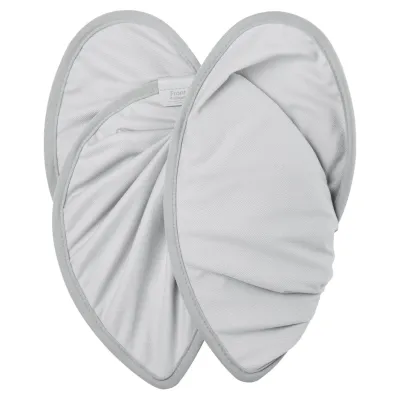
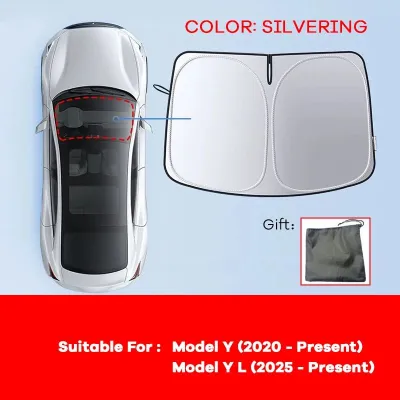
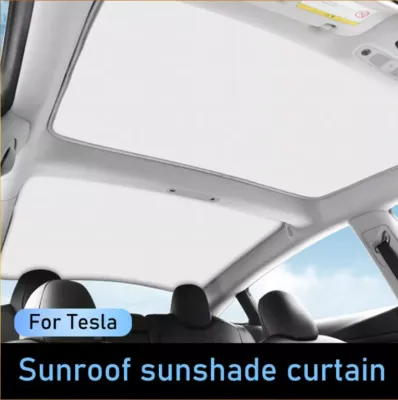
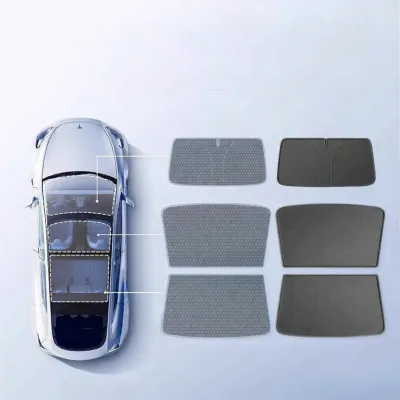
Prices are valid at publication and may change. Please refer to the product page for the latest price.
This continuous influx of radiant heat has a direct impact on the vehicle’s operation and longevity. To counteract the heat, the Model Y’s Heating, Ventilation, and Air Conditioning (HVAC) system must work significantly harder. This increased thermal load leads to higher energy consumption from the battery pack, which can noticeably reduce the vehicle’s driving range during hot daytime commutes. Furthermore, prolonged exposure to extreme cabin temperatures can accelerate the natural degradation of interior materials, including the synthetic leather seats, dashboard plastics, and adhesive bonds within the headliner.
Core Criteria for Evaluating Roof Shade Options
When shopping for a tesla model y roof shade, evaluating products based on clear, functional specifications is essential to avoid low-quality accessories that fail to deliver thermal comfort.

Material and Heat Rejection Technology
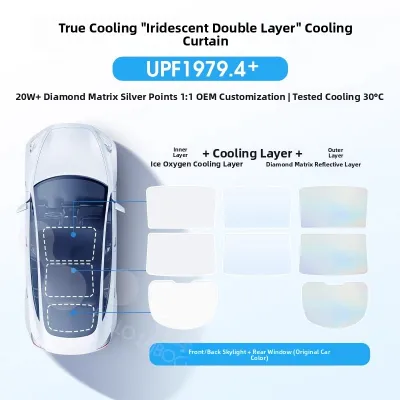
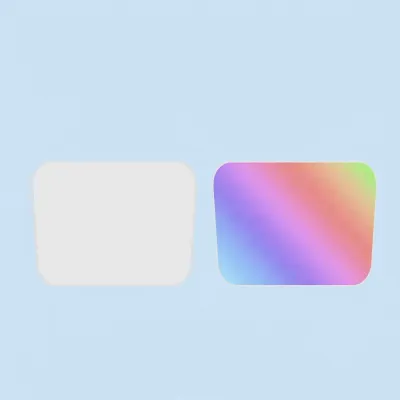
The thermal performance of a roof shade depends heavily on its material construction. Single-layer mesh shades are common and budget-friendly, but they primarily function by diffusing direct sunlight rather than blocking heat. For superior thermal insulation, look for multi-layer designs. These typically feature an outer reflective layer (often treated with a silver or aluminum-based coating to reflect solar radiation back through the glass), an insulating middle layer (such as a high-density cellular or honeycomb fabric that traps air), and an inner fabric lining designed to match the Tesla’s original headliner. When comparing products, prioritize those that specify their Infrared Rejection (IRR) or Total Solar Energy Rejection (TSER) capabilities, as these metrics directly correlate with a cooler cabin.
Fitment and Sagging Prevention
The Model Y’s glass roof is exceptionally large and lacks a physical metal support beam running across the center of the glass. Consequently, any physical shade must span a wide surface area without losing its structural integrity. Cheaper, poorly constructed shades frequently sag in the middle over time, especially when exposed to high cabin temperatures. This sagging reduces headroom for taller passengers and disrupts the clean, modern aesthetic of the interior. To prevent this, opt for shades constructed with high-tensile memory wire frames or rigid fiberglass-reinforced borders. These materials maintain outward tension against the roof trim, keeping the shade taut and flat against the glass surface.
Ease of Installation and Storage
In Singapore, weather conditions can change rapidly, and some drivers may prefer to remove the roof shade during the rainy monsoon season or for night driving. Therefore, the installation and storage mechanisms are highly important. Most roof shades utilize specialized plastic clips that slide into the narrow gaps between the glass roof and the interior headliner trim. Ensure these clips are made of non-marring materials to prevent scratching the glass or deforming the soft headliner. Some premium options offer magnetic mounting systems, which provide quick attachment but may require adhering small metal tabs to the vehicle’s trim. Additionally, consider how easily the shade can be folded. A good shade should use a twist-and-fold design, allowing it to be collapsed into a compact shape that fits easily into the frunk or sub-trunk.
Comparing Common Types of Model Y Roof Shades
Understanding the physical design categories of available roof shades helps you select an option that aligns with your daily usage habits and aesthetic preferences.
Rigid Folding Panels
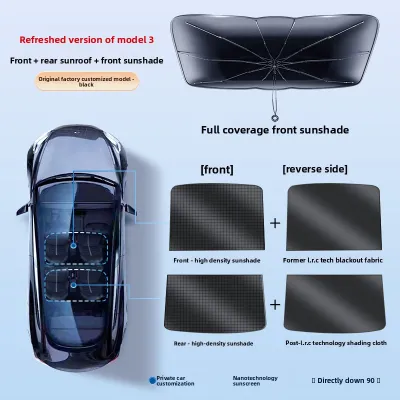
Rigid folding panels are constructed from semi-rigid, lightweight materials wrapped in high-quality fabric. These shades are typically designed as a two-piece system to match the front and rear portions of the panoramic roof, divided by the vehicle’s structural crossmember. Because of their inherent rigidity, they offer exceptional resistance to sagging and provide a highly integrated, OEM-like appearance. When paired with a reflective backing, they provide excellent heat rejection. The primary trade-off is storage size; because they do not twist-fold into a small circle, they must be stored flat, which occupies more space in the trunk.
Retractable Fabric Shades
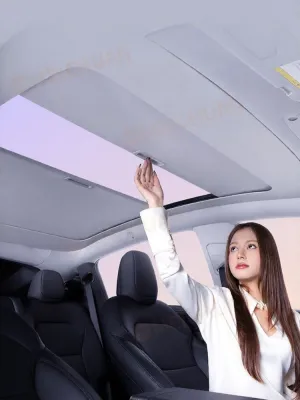
Retractable fabric shades feature a roller-blind mechanism mounted along the sides of the roof frame. This innovative design allows you to open or close the shade with a simple sliding motion, providing immediate flexibility. This is highly convenient in Singapore’s unpredictable weather, allowing you to block the intense midday sun and open the roof to enjoy cooler evening breezes. However, retractable shades are more complex to install, often requiring semi-permanent adhesive tracks or mechanical brackets. They also add slightly more weight to the upper frame and can marginally reduce headroom due to the physical housing of the roller mechanism.
Reflective Foil Inserts
Reflective foil inserts are highly practical, budget-friendly options designed for maximum thermal insulation. These inserts typically consist of a multi-layered foil sheet with a bubble-core or foam-core center that presses directly against the glass roof. The highly reflective silver surface bounces solar energy directly back out through the glass, making them incredibly effective at keeping the cabin cool when parked. However, they are less aesthetically pleasing from the inside and completely block all natural light, creating a dark cabin environment that some drivers may find claustrophobic during daily commutes. They are best used in combination with a standard mesh shade or deployed primarily when the vehicle is parked outdoors for extended periods.
Comparison Matrix
| Shade Type | Heat Reflection Efficiency | Headroom Impact | Aesthetic Integration | Installation Effort |
|---|---|---|---|---|
| Rigid Folding Panels | High to Very High | Minimal | Excellent (OEM-like) | Low (Simple clips) |
| Retractable Fabric Shades | Moderate to High | Moderate | Very Good | High (Requires tracks) |
| Reflective Foil Inserts | Maximum | Minimal | Low | Moderate (Frequent setup) |
Installation Checks and Safety Boundaries
To ensure a safe and hassle-free ownership experience, it is vital to follow proper installation practices and recognize the safety boundaries of aftermarket accessories.
Clearance and Visibility
Before purchasing any roof shade, verify that it is fully compatible with your specific Model Y model year, as minor interior trim updates can affect how clips attach. Once installed, perform a physical check from the driver’s seat. Ensure the shade does not sag or obstruct your view through the rearview mirror. While the Model Y provides advanced digital camera views, maintaining a clear physical line of sight through the rear glass is a critical safety backup. Additionally, verify that the shade does not significantly reduce headroom, particularly if you frequently carry taller passengers in the rear seats.
Attachment Safety and Surface Protection
Always refer to the accessory’s installation manual and your vehicle’s documentation before mounting. Never apply strong, unapproved chemical adhesives, permanent glues, or heavy-duty double-sided tapes directly to the glass roof or the delicate headliner fabric. These substances can leave permanent residues, cause the headliner fabric to sag or delaminate, or damage the glass coatings upon removal. Instead, rely on non-destructive, precision-engineered clips designed specifically to fit the Model Y’s trim gaps. When inserting these clips, be extremely gentle to avoid deforming the weather stripping or pinching any underlying wiring harnesses.
Sensor and Camera Clearance
The interior of the Model Y contains several sensitive electronic components. The cabin camera, located directly above the rearview mirror, must remain completely unobstructed to ensure driver monitoring and safety systems function correctly. Furthermore, ensure the edges of the roof shade do not block or interfere with the overhead reading lights, the hazard light switch, or any ambient light and temperature sensors located near the front console assembly.
Maintenance and Care
Proper care will extend the lifespan of your roof shade and maintain its thermal performance. When folding twist-and-fold wire frames, do not force the frame into unnatural shapes, as this can permanently warp the metal and lead to future sagging. If the fabric accumulates dust or light stains, spot clean it using a damp microfiber cloth and a mild, pH-neutral fabric cleaner. Avoid machine washing or submerging rigid panels in water, as moisture can degrade the internal structural layers and weaken the adhesive bonds holding the fabric to the frame.
Frequently Asked Questions (FAQ)
Does the factory glass roof already block UV rays?
Yes, the Tesla Model Y’s factory panoramic glass roof is highly advanced and engineered to block approximately 99% of harmful ultraviolet (UV) radiation (both UVA and UVB). This protection is highly effective at preventing sunburn and protecting the interior upholstery from premature fading and cracking. However, UV protection does not equate to complete thermal insulation. The glass still absorbs and transmits a substantial amount of infrared (IR) radiation, which is the primary source of radiant heat. A physical roof shade acts as a secondary barrier, blocking this infrared energy before it can radiate down onto the occupants.
Will a roof shade keep the car cool when parked in the sun?
No passive sunshade can keep a vehicle completely cool when parked under direct Singapore sunlight for extended periods. Over time, heat will naturally transfer through the metal body panels, doors, and side windows, eventually raising the cabin’s ambient air temperature. However, a high-quality roof shade dramatically reduces the radiant heat load on the seats, dashboard, and steering wheel. This prevents these surfaces from becoming scorching hot to the touch and allows the vehicle’s air conditioning system to cool the cabin down much faster and more efficiently once you start driving.
Can I use a generic sunshade instead of a Model Y-specific one?
We strongly advise against using generic or universal sunshades. The Tesla Model Y has a uniquely shaped, massive panoramic roof with specific curves and a central structural crossmember. Generic shades will not have the correct dimensions, leading to severe sagging, light leaks around the edges, or a complete failure to stay secured. A poorly fitting shade can slip while driving, creating a dangerous distraction or blocking the driver’s view. Investing in a custom-designed shade ensures a precise fit, maximum coverage, secure mounting, and a clean aesthetic that complements the vehicle’s modern interior.
Community discussion
Share your experience or ask a question. Comments are reviewed before publication.