
Equipping your Volkswagen ID. Buzz with extra luggage space requires a careful understanding of roof geometry, mounting systems, and local physical constraints. Finding a compatible volkswagen id buzz cargo cover or roof box is not as simple as buying a universal kit; you must account for the vehicle’s unique height, rear-hatch swing, and the specific requirements of electric vehicle aerodynamics. In Singapore, where low-clearance multi-storey carparks are the norm, choosing the wrong setup can lead to severe structural damage. This guide provides the essential technical specifications, clearance calculations, and product comparisons to help you select a safe, aerodynamic, and practical roof cargo solution.
Understanding the VW ID. Buzz Roof System and Singapore Clearance Limits
The Volkswagen ID. Buzz features a distinctive, retro-futuristic roofline that requires specific hardware for any cargo installation. Depending on the exact trim and market specification imported to Singapore, the vehicle’s roof is equipped with either integrated flush roof rails or factory-installed fixed mounting points. These mounting points are typically concealed under protective rubber strips along the roof ditch. Unlike traditional SUVs with raised side rails that allow generic clamps to wrap around them, the ID. Buzz’s flush system requires a vehicle-specific fit kit. This kit serves as the structural interface, securing the footpacks of your aftermarket crossbars directly to the vehicle’s reinforced roof pillars.
You must install compatible aftermarket crossbars before mounting any cargo box, bag, or cover. Attempting to clamp or strap cargo directly to the bare roof is impossible and highly dangerous. Furthermore, if your ID. Buzz is equipped with the optional panoramic glass roof, you must exercise extreme caution. Placing any direct physical stress, weight, or pressure on the smart-glass panel can cause catastrophic cracking, resulting in an incredibly expensive replacement process.
Products mentioned in this guide
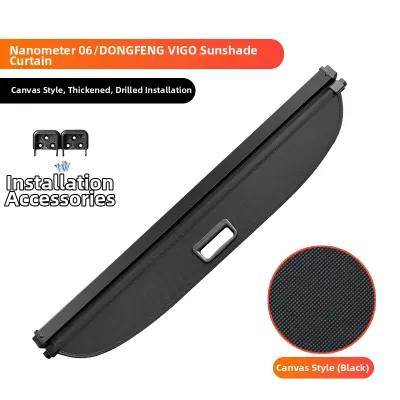
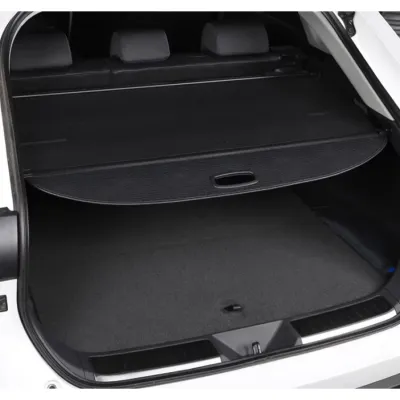
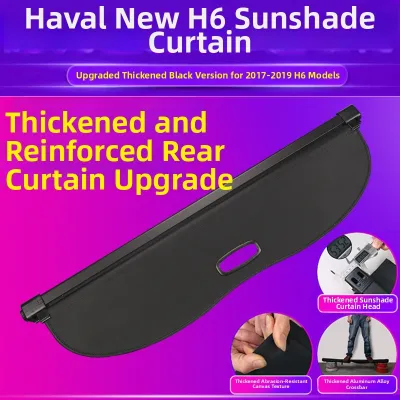
Prices are valid at publication and may change. Please refer to the product page for the latest price.
Height clearance is the most critical factor for Singapore drivers. The base height of the Volkswagen ID. Buzz is approximately 1.93 meters (1,937 mm). This height already limits your access to certain older buildings. Once you add aftermarket crossbars, you typically add 8 to 12 centimeters of vertical height. Mounting a standard hard-shell cargo box adds another 35 to 50 centimeters. Doing the math reveals a major challenge:
- Base Vehicle Height: 1.93 meters
- Aftermarket Crossbars: ~0.10 meters
- Standard Cargo Box: ~0.45 meters
- Total Combined Height: ~2.48 meters
In Singapore, the vast majority of Housing & Development Board (HDB) multi-storey carparks, condominium basements, and shopping mall parking structures (particularly older ones along Orchard Road or in historic districts) have strict height limits ranging from 1.85 meters to 2.1 meters. Even newer commercial buildings often cap basement clearances at 2.1 or 2.2 meters. Driving a vehicle measuring 2.48 meters into a 2.1-meter carpark will cause severe structural damage to your vehicle’s roof, the cargo box, and the building’s overhead sprinkler pipes or electrical cable trays. You must plan your parking strategy accordingly or opt for low-profile cargo solutions.
Finally, you must consider the aerodynamic impact of roof loads on an electric vehicle. The ID. Buzz is engineered with a relatively low coefficient of drag to maximize its driving range. Mounting a large, bulky object on the roof disrupts this airflow, creating a high-pressure zone at the front of the vehicle and significant turbulence behind the box. This increased aerodynamic drag forces the electric motors to draw more energy from the battery pack to maintain speed, resulting in a noticeable drop in efficiency and range, particularly during highway driving.
Essential Fitment Criteria for ID. Buzz Cargo Solutions
To ensure your roof cargo setup is safe, legal, and functional, you must evaluate several technical fitment criteria before making a purchase.

Crossbar Compatibility
Your choice of crossbars dictates what type of cargo systems you can mount. Crossbars generally fall into two categories: aerodynamic wing-shaped bars and traditional square or round bars. Aerodynamic bars (such as those from premium brands like Thule or Yakima) feature a tapered profile that minimizes wind resistance and cabin noise. However, they are wider than square bars, often measuring 80 mm or more across. You must verify that the mounting clamps of your chosen cargo box or soft bag are wide enough to span these aerodynamic profiles. Many modern cargo boxes feature adjustable claw clamps that accommodate wide bars, while older or budget-friendly models may rely on narrow U-bolts that only fit traditional square bars.
Weight Limits
You must strictly differentiate between the weight capacity of the cargo box itself and the maximum dynamic roof load limit of the Volkswagen ID. Buzz. The dynamic load limit is the maximum allowable weight on the roof while the vehicle is in motion, which is typically specified in your owner’s manual (often ranging between 75 kg and 100 kg). This limit represents the total combined weight of:
- The aftermarket crossbars and mounting footpacks (typically 5 to 8 kg).
- The empty hard-shell cargo box or soft-sided bag (typically 15 to 25 kg for boxes).
- The actual gear, luggage, or equipment packed inside.
If your vehicle’s dynamic limit is 100 kg, and your empty rack and box weigh 30 kg combined, your actual maximum payload capacity is 70 kg. Exceeding this limit raises the vehicle’s center of gravity, which compromises handling, increases body roll in corners, and can interfere with the vehicle’s electronic stability control systems during emergency maneuvers.
Hatch Clearance
The ID. Buzz features a nearly vertical rear tailgate that swings upward and outward when opened. If a cargo box is too long or mounted too far back on the roof, the top edge of the open tailgate or its integrated spoiler will collide with the rear of the box. This hatch interference can damage the tailgate’s paint, bend the hinges, or crack the cargo box. To prevent this, you must measure the distance from the center of your front crossbar to the rear roof hinge line. Compare this measurement with the “front clearance” specification provided by the cargo box manufacturer to ensure the tailgate can open fully without obstruction.
Mounting Systems
Different cargo solutions utilize different mounting mechanisms to secure themselves to the crossbars:
- Quick-Mount Claws: These systems feature integrated dial knobs inside the box that tighten claw-like clamps around the crossbars. They often feature torque indicators that click when the correct tightness is reached, making installation fast and tool-free.
- U-Bolt Kits: A traditional system where metal U-shaped bolts wrap around the crossbars from underneath and are secured inside the box using wing nuts or brackets. This system is highly secure and has a lower physical profile inside the box, but it takes longer to install and remove.
- T-Track Adapters: These slide directly into the dedicated T-slot channel on top of aerodynamic crossbars. This provides the cleanest, most secure, and most aerodynamic connection, though it requires compatible crossbars and matching hardware.
Comparing Hard-Shell Boxes and Soft-Sided Volkswagen ID Buzz Cargo Covers
Choosing between a rigid hard-shell cargo box and a flexible soft-sided cargo bag involves weighing security and aerodynamics against storage convenience and height clearance.
Hard-Shell Cargo Boxes
Hard-shell cargo boxes are constructed from rigid, impact-resistant plastics such as ABS or co-extruded PMMA/ABS. These materials are highly durable and designed to withstand intense UV exposure from Singapore’s equatorial sun without warping or becoming brittle.
Aerodynamic efficiency is a primary benefit of premium hard-shell boxes. They are sculpted in wind tunnels with tapered rears, drop-down bases that sit closer to the roofline, and integrated air-channeling grooves. This careful styling minimizes wind resistance, which is essential for preserving the electric driving range of your ID. Buzz during long-distance trips up north to Malaysia.
Security is another major advantage. Hard-shell boxes feature multi-point locking systems where a single key actuates heavy-duty locking pins along the length of the lid. Most designs employ safety locks that prevent the key from being removed unless every locking point is fully engaged, ensuring you never accidentally drive off with an unlatched lid. Additionally, the rigid shell provides excellent weatherproofing against heavy tropical downpours, utilizing overlapping lids and rubber gaskets to keep water out.
The primary trade-off is height and storage. Because these boxes are rigid, they cannot be compressed. If you live in an HDB flat or a condominium with a 1.9-meter basement carpark, a mounted hard-shell box will prevent you from parking at home. You will have to remove the heavy box and find a large storage space for it in your home when it is not in use. To mitigate this, look for specialized “alpine” or “slim” low-profile cargo boxes. These models are wider and longer but have a much shallower height (often under 30 cm), keeping your total vehicle clearance closer to 2.2 meters.
Soft-Sided Cargo Bags and Protective Covers
Soft-sided cargo bags are constructed from heavy-duty, flexible fabrics such as double-coated PVC or high-denier polyester with welded seams. They offer a highly practical alternative for occasional travelers.
The greatest advantage of a soft cargo bag is storage convenience. When empty, the bag can be unzipped, folded flat, and stored in a compact carrying case inside your trunk or a home cupboard. This means you do not have to drive around Singapore with a permanent height-extending fixture on your roof, allowing you to maintain full access to low-clearance carparks for your daily commute.
However, you must never mount a soft cargo bag directly onto the bare roof of your ID. Buzz. The weight of the luggage will flex the roof metal or damage the panoramic glass. You must mount the bag onto a set of crossbars or a dedicated metal roof basket. This keeps the bag elevated and prevents it from scratching the paintwork.
Weatherproofing is another consideration. While high-quality soft bags feature waterproof zippers, welded seams, and wide storm flaps that velcro down over the zipper track, they are rarely 100% waterproof in a severe tropical monsoon downpour. Moisture can eventually seep through if water pools on top of the bag. It is highly recommended to pack your clothing and electronics inside internal dry bags or heavy-duty plastic bins before loading them into a soft cargo bag.
In this category, “cargo cover” can also refer to protective covers designed to shield your empty roof rack system or crossbars when the main box is removed. Wind fairings (air deflectors) can also be mounted to the front crossbar. These fairings redirect airflow up and over the rack, significantly reducing wind whistle and improving the vehicle’s aerodynamic efficiency during daily driving when you are not carrying cargo.
Step-by-Step Compatibility Checklist Before You Buy
To prevent costly purchasing mistakes, follow this systematic checklist before buying any roof cargo system for your Volkswagen ID. Buzz.
Step 1: Consult the Owner's Manual
Locate your Volkswagen ID. Buzz owner’s manual and navigate to the roof luggage section. Verify the exact dynamic roof load limit specified for your model year and trim. Pay close attention to any specific restrictions regarding the panoramic glass roof, as vehicles equipped with glass roofs often have lower allowable dynamic load limits than those with solid steel roofs.
Step 2: Use Manufacturer Fitment Tools
Do not rely on generic product descriptions on online marketplaces. Visit the official websites of reputable roof rack manufacturers and use their vehicle selector tools. Input “Volkswagen”, “ID. Buzz”, your specific model year, and your roof type (flush rails or fixed points). Write down the exact part numbers for the recommended fit kit, footpacks, and crossbars. This ensures a secure, engineered fitment that complies with road safety standards.
Step 3: Measure the Physical Roof
Once your compatible crossbars are installed, use a tape measure to take two critical physical measurements:
- Crossbar Spread: Measure the distance from the center of the front crossbar to the center of the rear crossbar. Ensure this distance falls within the acceptable mounting range specified by your chosen cargo box or bag.
- Front Clearance: Measure from the center of the front crossbar to the rear tailgate hinge. This measurement must be greater than the cargo box's front clearance specification to prevent hatch interference when opening the trunk.
Step 4: Calculate Total Height
Use the following clearance formula to determine your vehicle’s maximum height:
$$\text{Total Clearance} = \text{Base Vehicle Height (1.93m)} + \text{Crossbar Height} + \text{Cargo Box/Bag Height}$$
For example, if your crossbars add 10 cm (0.10m) and your cargo box is 42 cm (0.42m) tall, your total clearance is 2.45 meters. Compare this number against the physical height limits of your home, workplace, and frequently visited shopping malls in Singapore. If the total height exceeds your local carpark limits, you must plan to park in open-air lots or opt for a collapsible soft bag setup.
Safe Installation and Driving Adjustments for EV Roof Loads
Operating a tall, heavy electric vehicle like the ID. Buzz with a loaded roof rack requires specific safety precautions and adjustments to your driving habits.
Installation Safety
When installing your crossbars and cargo box, always use a torque wrench to tighten all mounting hardware to the manufacturer’s exact specifications (typically between 3 and 6 Nm). Under-tightening can cause the rack to slide or shift under heavy braking, while over-tightening can crush the integrated flush rails or damage the vehicle’s structural pillars. If you are using a soft cargo bag, ensure all mounting straps are pulled tight and that any excess strap length is securely tied down. Loose straps flapping at high speeds can damage your vehicle’s paintwork, create an incredibly loud vibrating noise in the cabin, and degrade aerodynamic efficiency.
Always check the security of your mounts after driving the first 10 to 15 kilometers, and perform a quick physical check at every rest stop during longer journeys.
Driving Dynamics
Carrying cargo on the roof raises the ID. Buzz’s center of gravity. Although the heavy battery pack located in the vehicle’s floor keeps the overall center of gravity relatively low, a loaded roof box will still increase body roll when cornering, negotiating roundabouts, or changing lanes quickly.
Additionally, the added mass and wind resistance will increase your braking distances. You must increase your following distance behind other vehicles. Be prepared for increased sensitivity to strong crosswinds, which is especially noticeable when driving across open coastal flyovers, bridges, or elevated expressways like the East Coast Parkway (ECP) in Singapore.
Range Management
Because aerodynamic drag increases exponentially with speed, your driving speed is the single greatest factor influencing your electric range. On local expressways like the Pan Island Expressway (PIE) or Ayer Rajah Expressway (AYE), keeping your speed to the legal limit of 80 km/h or 90 km/h will significantly conserve battery life compared to driving faster.
If you are planning a cross-border road trip up the North-South Highway in Malaysia, driving at a steady 100 km/h instead of 110 km/h or 120 km/h can save up to 10% to 15% of your battery capacity. Expect an overall range reduction of roughly 15% to 25% when driving at highway speeds with a fully loaded hard-shell cargo box. Plan your charging stops accordingly, and always remove the cargo box and crossbars when they are not in active use to restore your ID. Buzz’s factory-designed efficiency.
Frequently Asked Questions (FAQ)
Does a roof cargo box significantly reduce the ID. Buzz's electric range?
Yes, a roof cargo box will noticeably reduce your electric range, particularly during highway driving. The box increases the vehicle’s frontal area and disrupts its aerodynamic profile, creating substantial drag. While driving at low speeds in urban Singapore has a negligible impact on range, sustained driving on expressways or long-distance highway trips can reduce your battery range by 15% to 25%. To minimize this penalty, choose a low-profile, aerodynamic cargo box, maintain moderate driving speeds, and always remove the box and crossbars when they are not in use.
Can I install a soft cargo bag directly on the ID. Buzz roof without crossbars?
No, you must never install a soft cargo bag directly on the bare roof of the Volkswagen ID. Buzz. The vehicle’s roof panels, especially if configured with the panoramic glass roof, are not designed to bear concentrated physical loads directly on their surface. Furthermore, routing mounting straps through the door frames will compress the rubber weather stripping, which can damage the seals, lead to cabin water leaks during heavy tropical rainstorms, and potentially interfere with the proper deployment of the vehicle’s side-curtain airbags. Always install a set of properly rated crossbars to support and elevate your cargo bag safely.
Community discussion
Share your experience or ask a question. Comments are reviewed before publication.