
Selecting the right obu card holder for your vehicle is more than just a matter of aesthetic preference—it directly impacts your daily commute, road safety, and interior preservation. With Singapore’s transition to the ERP 2.0 system, drivers must accommodate the new On-Board Unit (OBU) touchscreen display within their cabin. While the processing unit is typically tucked away in the passenger footwell, the display unit—which houses the payment card slot for your NETS Motoring Card or EZ-Link CEPAS card—needs to be easily accessible and clearly visible. Finding a mounting solution that secures this device without damaging your dashboard or blocking your line of sight requires understanding the mechanics of different mount types and how they interact with your car’s interior materials.
OBU Placement Rules and Safety Boundaries in Singapore
Before purchasing any aftermarket mounting accessory, you must understand the strict safety and functional boundaries established by the Land Transport Authority (LTA). The OBU system relies on a dedicated antenna unit to communicate with Electronic Road Pricing (ERP) gantries and parking barrier systems across the island. Officially, the antenna is designed for windscreen mounting to ensure a direct, uninterrupted line of sight to the overhead gantry sensors.
If you choose to mount the touchscreen display unit on your dashboard using an aftermarket holder, you must ensure it does not impede the antenna’s signal path or block your view of the road. A poorly positioned display can create a significant blind spot, especially on vehicles with steep windscreen angles or thick A-pillars.
Products mentioned in this guide
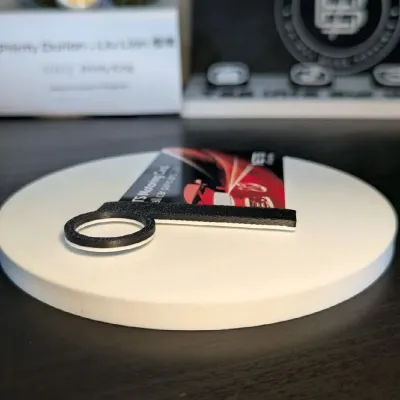
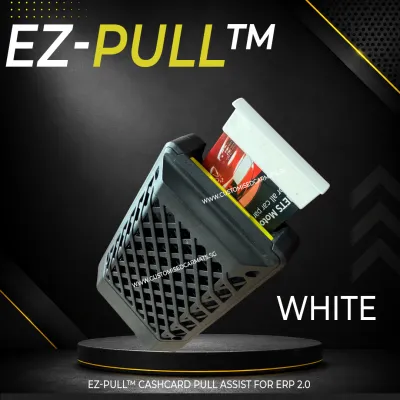
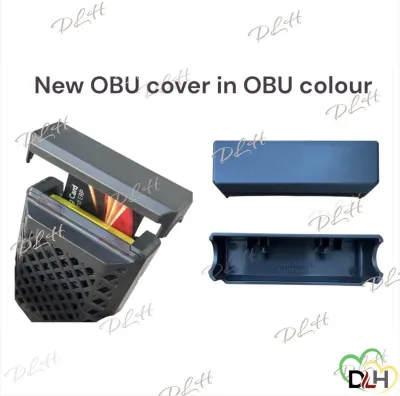
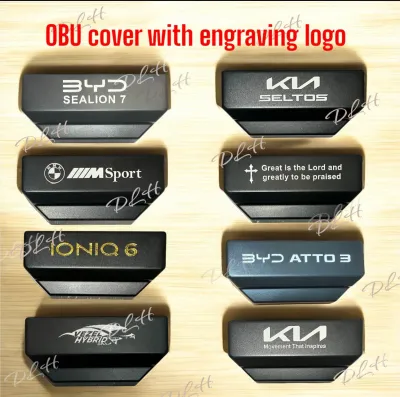
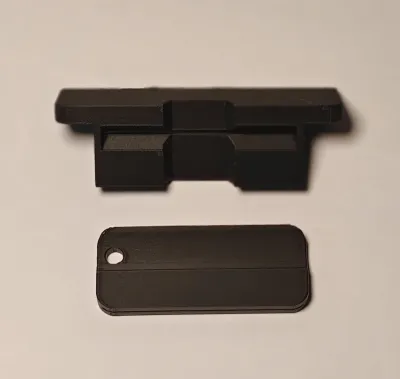
Prices are valid at publication and may change. Please refer to the product page for the latest price.
Furthermore, passenger safety must remain your absolute priority. Modern vehicles are equipped with complex supplemental restraint systems (SRS), including passenger-side front airbags and side-curtain airbags that deploy from the dashboard and A-pillars. Never place an OBU holder or any accessory within the designated airbag deployment zones outlined in your vehicle’s owner manual. During a collision, a deploying airbag expands with explosive force; any object placed in its path will be launched into the cabin as a high-velocity projectile, risking severe injury to occupants. Always consult your vehicle’s manual and official LTA installation advisories to verify that your chosen mounting position is legally compliant and physically safe.
Choosing the Right OBU Card Holder: Comparing the 4 Main Types
To find the ideal mounting solution, you must evaluate the four primary categories of holders available on the market. Each design uses a distinct mechanism to secure the device, presenting unique trade-offs in terms of stability, ease of removal, and long-term durability under local climate conditions.

Adhesive Mounts (3M Tape and Sticky Pads)
Adhesive-based holders are among the most common and cost-effective options. These mounts typically utilize double-sided acrylic foam tape, such as 3M VHB (Very High Bond), to semi-permanently bond the holder directly to the dashboard surface.
- Pros: They offer an exceptionally low profile, keeping the OBU display close to the dashboard surface for a clean, integrated look. When properly cured, high-quality acrylic adhesives provide a highly secure hold that eliminates vibration and rattling, even when driving over speed bumps or rough road surfaces.
- Cons: The primary drawback of adhesive mounts is their potential to cause permanent damage to premium interior surfaces. When exposed to Singapore's intense tropical heat, cabin temperatures in parked cars can easily exceed 60 degrees Celsius. This extreme thermal stress can cause the adhesive chemicals to break down or migrate into soft-touch plastics, synthetic leather, or genuine leather dashboards, leaving permanent stains, discoloration, or tearing the material upon removal. Additionally, once removed, these mounts cannot be easily repositioned without applying a completely new adhesive pad.
Suction Cup Mounts
Suction cup holders use atmospheric pressure to create a tight vacuum seal between the mount’s flexible silicone or rubber base and the mounting surface. Many modern variants feature a sticky polyurethane gel lining on the suction cup to improve the seal on slightly curved surfaces.
- Pros: These mounts are highly adjustable, reusable, and leave absolutely no permanent chemical residue on your vehicle's interior. They allow you to easily reposition the OBU display to find the perfect viewing angle or transfer the holder to another vehicle if you drive a rental or share a car.
- Cons: Standard suction cups rely on an airtight seal, meaning they inherently fail on textured, porous, or matte-finished dashboards. Small pockets of air trapped within the texture will eventually break the vacuum. Under the hot Singapore sun, the air inside the suction cup expands, and the silicone material can lose its elasticity, causing the mount to suddenly detach while driving. To use a suction cup on a textured dashboard, you generally need to install a smooth, adhesive-backed plastic dashboard pad first, which reintroduces the risks associated with adhesives.
Magnetic Holders
Magnetic mounting systems consist of a base unit containing powerful rare-earth magnets (usually neodymium) and a thin metal plate that adheres to the back of the OBU touchscreen display.
- Pros: Magnetic holders offer unparalleled convenience. They allow you to attach or detach the OBU display in a single, effortless motion. This is particularly useful if you prefer to remove the display and store it in your glove box when parked in open-air lots to protect it from extreme heat or theft. The mounts themselves are often compact and minimalist, preserving the clean lines of your dashboard.
- Cons: A magnetic holder requires you to stick a metal plate directly onto your OBU casing, which some drivers find visually unappealing. Furthermore, the base mount itself must still be secured to the dashboard using either an adhesive pad or a suction cup, meaning you do not entirely escape the mounting limitations of those systems. While some drivers worry that magnetic fields might interfere with the internal electronics of the OBU or corrupt the data on CEPAS smart cards, modern contactless cards rely on high-frequency RFID chips that are highly resistant to static magnetic fields. However, you should always verify compatibility and check for manufacturer warnings before using strong magnets near electronic devices.
Clip-On, Visor, and Non-Slip Dash Mats
For drivers who refuse to apply adhesives or suction cups to their dashboard, alternative mounting solutions like clip-on brackets and weighted silicone friction mats offer a non-invasive alternative.
- Pros: Weighted non-slip dash mats rely on a high-friction silicone base and a heavy core to sit securely on top of flat dashboard sections without any chemical bonding. They cause zero damage to delicate leather or soft-touch materials and can be lifted off instantly. Clip-on mounts, which attach to the instrument cluster cowl or air vent louvers, keep the dashboard surface entirely clear.
- Cons: Clip-on mounts are highly vehicle-specific; they require a prominent lip or robust vent slats to latch onto, and the weight of the OBU display can put excessive stress on delicate plastic vent mechanisms, potentially snapping them over time. Non-slip mats, while safe for the material, offer the lowest level of mechanical security. During emergency braking, sharp evasive maneuvers, or when driving up steep, winding multi-storey car park (MSCP) ramps, the inertial forces can overcome the static friction of the mat. This risks sending the OBU sliding across the dashboard, potentially distracting the driver or falling into the footwell where it could obstruct the brake pedal.
How to Match the Holder to Your Dashboard Material
To prevent costly damage to your car’s interior, you must match the mounting mechanism to the specific material of your dashboard. Car manufacturers use a wide variety of materials, ranging from hard, utilitarian plastics to delicate, hand-stitched leather.
| Dashboard Material | Recommended Holder Type | Risk Level | Key Considerations |
|---|---|---|---|
| Genuine or Synthetic Leather | Weighted Non-Slip Mat (with lip) or Windscreen Suction Mount | High Risk (for adhesives) | Adhesives will permanently stain, stretch, or tear leather fibers. Suction cups will not seal on leather. |
| Soft-Touch / Foamed Plastic | Windscreen Suction Mount or Vent Clip-on | Medium-High Risk | Soft-touch coatings can peel off or discolor when exposed to adhesive chemical migration under high heat. |
| Hard Textured Plastic | Adhesive Mount (with high-quality acrylic tape) | Low-Medium Risk | Suction cups will fail due to air leaks. High-quality adhesive tape works well but leaves residue that requires careful cleanup. |
| Smooth Gloss Plastic / Glass | Suction Cup (with gel base) or Adhesive Mount | Low Risk | Provides an ideal airtight seal for suction cups. Adhesive residue can be easily cleaned without damaging the surface. |
If your vehicle features a premium leather or soft-touch dashboard, you should completely avoid adhesive-based holders. The combination of chemical adhesives and intense solar radiation creates a process known as plasticizer migration, where the chemical softeners in the dashboard material react with the adhesive, leading to a sticky, degraded surface that is impossible to repair without replacing the entire dashboard panel. For these sensitive interiors, a weighted non-slip mat with a deep retaining lip or a high-quality windscreen-mounted suction arm is the safest choice.
Conversely, if your dashboard is constructed from hard, textured plastic, standard suction cups will continually lose suction and fall off. In this scenario, a high-quality adhesive mount applied to a thoroughly cleaned, flat section of the plastic is often the most reliable option, provided you accept that removing the adhesive in the future will require patient cleaning with specialized automotive-safe residue removers.
Quick Recommendation Guide: Which Mount Should You Choose?
To simplify your decision, identify which of the following scenarios best describes your vehicle ownership and daily driving habits:
- Best for Rental Cars, Car-Sharing, and Fleet Drivers: Suction Cup Mount with a Gel Base (or Windscreen Mount). If you frequently switch between vehicles, you need a holder that can be uninstalled in seconds without leaving a trace. A gel-assisted suction cup mounted directly to the windscreen or a smooth trim piece ensures your OBU display is secure and easily transferable.
- Best for a Clean, Permanent, and Vibration-Free Setup: Adhesive Mount (Restricted to Hard Plastic Surfaces). If you own your vehicle and want a minimalist, factory-like installation, a low-profile adhesive mount is ideal. Ensure you mount it on a hard plastic trim piece rather than a soft-touch dashboard panel to protect your car's resale value.
- Best for Luxury Vehicles and Delicate Interiors: Weighted Silicone Friction Mat with a Protective Lip. If your car features a leather-wrapped or premium soft-touch dashboard, preserve its pristine condition by using a weighted silicone mat. Choose a model with a raised front lip to physically prevent the OBU display from sliding forward during sudden stops.
Regardless of which type you choose, remember that signal clarity and driver visibility must always take precedence over cabin aesthetics. Never compromise your line of sight or block your vehicle’s safety sensors just to hide the OBU display from view.
Installation Tips and Heat Management for Dashboard Mounts
Singapore’s tropical climate poses a constant challenge for interior car accessories. The combination of high humidity and intense solar radiation can rapidly degrade plastics, rubbers, and adhesives. To maximize the lifespan and security of your OBU holder, follow these professional installation and maintenance steps:
- Prepare the Surface Meticulously: Before applying any adhesive mount or suction cup, the mounting surface must be completely free of dust, oils, and dashboard protectants (such as silicone-based interior shines). Clean the specific mounting area with a microfiber cloth lightly dampened with a 70% isopropyl alcohol solution. Allow the surface to dry completely for several minutes. Caution: Always test the alcohol on a small, hidden area of your dashboard first to ensure it does not discolor or strip the matte finish of your plastic.
- Allow Adhesives to Cure: If you are using an adhesive mount, do not attach the heavy OBU display immediately after sticking the mount to the dashboard. Most high-performance acrylic tapes require at least 24 hours to achieve their full bonding strength. Applying weight too early will cause the adhesive bond to fail prematurely.
- Avoid Air Vent Extremes: If you use a clip-on mount, avoid placing it directly in front of air conditioning vents that blast cold air. Rapid temperature fluctuations between the cold air conditioning and the intense heat of a parked car can cause condensation to form inside the mount, weakening adhesives and potentially damaging the OBU's electronic components.
- Mitigate the Greenhouse Effect: When parking in open-air car parks, use a high-quality, reflective front windscreen sunshade. This physically blocks UV rays and significantly lowers the dashboard surface temperature, preventing adhesive melt and preserving the vacuum seal of suction cups.
- Perform Regular Safety Checks: Make it a habit to gently wiggle your OBU holder once a month. Adhesives can dry out and suction cups can slowly leak air over time. Detecting a loose mount while parked is far safer than having your OBU detach and fall under your feet while navigating a busy expressway.
Frequently Asked Questions (FAQ)
Can I legally place my OBU on the dashboard instead of the windscreen?
The Land Transport Authority (LTA) recommends mounting the OBU antenna on the windscreen to guarantee optimal signal transmission with ERP gantries. However, the touchscreen display unit, which houses the card slot, can be mounted on the dashboard using a suitable holder, provided it does not obstruct the driver’s view of the road, block any safety sensors, or interfere with airbag deployment zones. Ensure that whatever mount you choose keeps the display stable and visible without violating these safety parameters.
Will a magnetic holder erase my CEPAS card or damage the OBU?
No, standard consumer magnetic holders will not erase your NETS Motoring Card, EZ-Link, or other CEPAS smart cards, nor will they damage the OBU electronics. Modern smart cards utilize solid-state EEPROM memory and high-frequency RFID technology, which are unaffected by the static magnetic fields produced by typical mounting magnets. However, as a best practice, avoid placing extremely powerful industrial neodymium magnets directly against the card’s metallic contact chip, and always check the OBU manufacturer’s guidelines for any specific warnings regarding magnetic accessories.
How do I safely remove adhesive residue from my car dashboard?
To safely remove stubborn adhesive residue without damaging your dashboard, start by softening the adhesive with warm, soapy water or a mild, automotive-safe adhesive remover. Apply the liquid to a clean microfiber cloth rather than spraying it directly onto the dashboard to prevent it from seeping into seams or electronics. Gently rub the residue in a circular motion. Never use harsh household solvents like acetone, nail polish remover, mineral spirits, or abrasive plastic scrapers, as these chemicals will permanently dissolve soft-touch coatings, melt plastics, and discolor leather.
Community discussion
Share your experience or ask a question. Comments are reviewed before publication.