
When navigating Singapore’s sudden tropical downpours, the best motorcycle handle grip material is a high-quality thermoplastic elastomer (TPE) or a dual-compound synthetic rubber. These materials strike the ideal balance between wet-weather tackiness, structural durability, and resistance to environmental degradation. Unlike porous foams that absorb water or bare metals that become dangerously slick, specialized synthetic compounds maintain reliable friction even when fully submerged. Selecting the right motorcycle handle grip is a critical safety decision that directly impacts your ability to manage throttle, braking, and steering inputs when riding on wet roads.
How Singapore's Climate Affects Handle Grip Performance
Riding a motorcycle in Singapore presents a unique set of environmental challenges that can rapidly compromise your control interface. The local climate is defined by high temperatures, intense ultraviolet (UV) radiation, and persistent relative humidity that frequently exceeds 80 percent. Additionally, sudden and heavy downpours, such as those brought by Sumatra squalls or the northeast monsoon, can turn dry expressways into hazardous, low-visibility watercourses within minutes. Under these conditions, standard or worn-out grips quickly fail to provide the reliable tactile feedback required for safe riding.
When heavy rain hits, water forms a microscopic lubricating film between your riding gloves or bare hands and the surface of the grip. This film drastically reduces the coefficient of friction, making the throttle tube slip under your hand and forcing you to grip the handlebars with excessive force. This extra tension leads to rapid muscle fatigue, arm pump, and delayed reaction times during emergency maneuvers. In dense, fast-moving traffic on expressways like the Pan Island Expressway (PIE) or Central Expressway (CTE), a split-second delay in throttle roll-off or brake lever application can have severe consequences.
Products mentioned in this guide
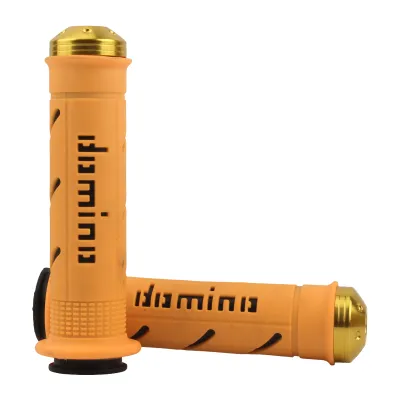
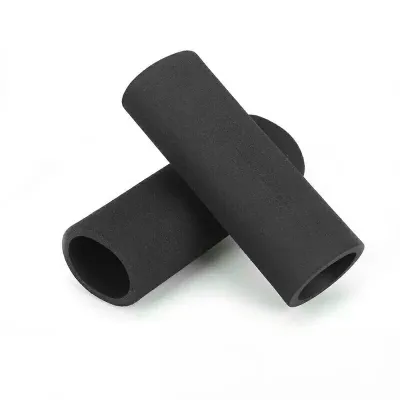
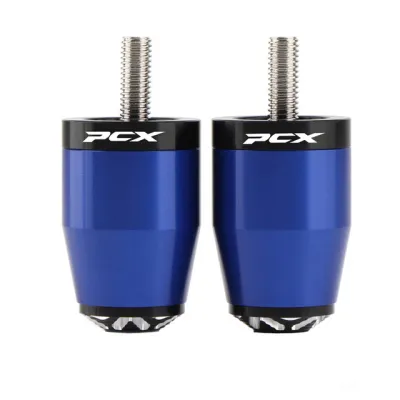
Prices are valid at publication and may change. Please refer to the product page for the latest price.
Beyond immediate wet-weather slip, Singapore’s relentless humidity and UV exposure accelerate the chemical breakdown of many common polymers. This process, often referred to as polymer degradation or hydrolysis, causes cheap rubber compounds to lose their structural integrity. Over time, the material may become excessively hard and brittle, or conversely, turn into a sticky, gummy residue that rubs off on your hands and offers zero traction. Understanding how different materials interact with this harsh environment is the first step in choosing a grip that keeps you safe.
Comparing Common Motorcycle Handle Grip Materials for Wet Conditions
Selecting the right material requires evaluating how different compounds react to water, sweat, heat, and UV exposure. While aesthetics and comfort are important, wet-weather performance and long-term durability in tropical climates should be your primary criteria.

Standard and Synthetic Rubber Compounds
Standard rubber and synthetic compounds, such as thermoplastic vulcanizates (TPV) and thermoplastic elastomers (TPE), represent the most versatile options for daily commuting. When evaluating these materials, the pure chemical name is often less critical than the compound’s durometer, which measures material hardness, and its surface design. Manufacturers frequently offer these grips in soft, medium, or hard compounds to suit different riding preferences. Premium dual-compound grips typically range from S$20 to S$50 in local motorcycle accessory shops.
Soft compounds provide exceptional initial tackiness and a highly secure feel, even when riding in torrential rain without gloves. However, they are highly susceptible to the degrading effects of Singapore’s heat and UV rays, meaning they may need replacement every six to twelve months as they soften and become sticky. Harder compounds offer excellent longevity and resist UV degradation much better, but they rely entirely on aggressive surface texturing to provide grip when wet. For the best of both worlds, dual-compound grips feature a hard inner sleeve to prevent slipping on the handlebar and a softer outer layer to maximize hand traction.
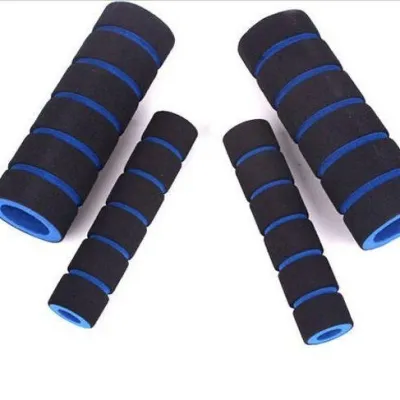
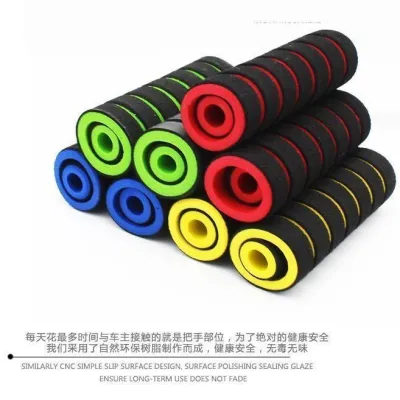
Foam, Sponge, and EVA Materials
Foam, sponge, and ethylene-vinyl acetate (EVA) grips are popular among long-distance touring riders due to their excellent vibration-damping properties and plush feel. In dry conditions, they offer a comfortable, high-friction interface that reduces hand numbness over long journeys. However, their physical structure makes them highly impractical for Singapore’s weather.
Because these materials are highly porous, they act like sponges when exposed to rain or hand sweat. Once saturated, they retain moisture for extended periods due to the high ambient humidity, making your hands feel cold and damp long after the rain has stopped. Furthermore, trapped moisture combined with warm tropical temperatures creates an ideal breeding ground for mold, mildew, and bacteria, which rapidly rot the material from the inside out. If you park your motorcycle in open-air HDB carparks or commute daily through the monsoon seasons, foam and sponge grips are generally unsuitable.
Metal and Aluminum Grips
Machined aluminum and chrome-plated metal grips are often chosen for custom cruisers, streetfighters, and aesthetic upgrades. While they are exceptionally durable and completely impervious to UV degradation or rot, bare metal is one of the worst materials for wet-weather riding. When wet, polished metal surfaces lose almost all friction, becoming incredibly slippery and dangerous.
If you choose metal grips, they must feature deep, aggressive knurling or integrated rubber and TPE inserts that provide the actual contact surface for your hands. The depth of the metal machining is critical; shallow patterns will quickly polish smooth under the friction of your gloves, rendering them useless in the rain. Additionally, metal grips provide virtually no vibration damping, which can increase rider fatigue during long commutes.
Key Design Features That Matter More Than Material
While material composition dictates how a grip ages and feels, the physical design of the surface is what actually breaks the water film to maintain traction. When shopping for a wet-weather motorcycle handle grip, you should prioritize specific structural features over brand names or basic material labels.
Water-Channeling Grooves Just like the tread on a motorcycle tire, deep, directional grooves on a grip are designed to disperse water away from the contact patch. When you squeeze the handlebar, water is forced into these channels and directed outward, preventing a continuous film of water from forming between your glove and the grip. Look for patterns with clear, unobstructed exit paths for water to drain.
Micro-Textures Surface patterns such as diamond, waffle, or half-waffle designs provide mechanical grip by physically biting into the palm of your glove. This mechanical interlocking is crucial when wet conditions reduce chemical adhesion. A half-waffle design, which features a smooth top and a textured underside, is highly favored by off-road and wet-weather riders because it provides aggressive finger traction where you pull, while maintaining comfort on the palm.
Flanged Ends and Open Designs Large inner flanges act as physical barriers that prevent water, mud, and road spray from sliding from your switchgear onto the gripping surface. Additionally, if you use bar-end weights, mirrors, or handguards, ensure the grips have clean, open-ended designs. This prevents water from pooling inside the grip sleeve, which can lead to internal corrosion of the throttle tube or handlebar.
To inspect these features before purchase, run your fingernail across the grip’s pattern. You should feel a distinct, sharp resistance from the ridges. If your nail slides smoothly over the texture, or if the grooves are shallow and flexible, the grip will likely struggle to shed water effectively during a heavy downpour.
Maintenance and Care for Grips in High Humidity
Over time, road film, exhaust soot, atmospheric grime, and natural oils from your hands accumulate in the micro-textures of your grips. In dry weather, this buildup might go unnoticed, but as soon as it rains, this mixture emulsifies into a slick, soapy layer that severely reduces traction. Regular maintenance is essential to preserve the safety and performance of your grips.
To clean your grips safely, use a mild dishwashing liquid or dedicated motorcycle wash mixed with warm water. Apply the soapy water and scrub the grip thoroughly using a soft-bristled nylon brush, paying close attention to the water-channeling grooves and textured areas to lift embedded dirt. Rinse the grips completely with clean water to ensure no soap residue remains, as dried soap will become highly slippery when wet.
Never use tire shine, silicone-based protectants, WD-40, or harsh petroleum solvents on your motorcycle handle grips. While these products might make the grips look clean and shiny, they leave behind a slick, non-drying chemical residue that is incredibly dangerous. Furthermore, harsh solvents can chemically dissolve synthetic rubbers and TPE, accelerating the sticky, gummy degradation process.
To determine when your grips require replacement, perform a regular inspection using this checklist:
- Glazing: Check if the surface has developed a shiny, hard, or smooth texture where the original pattern has worn flat.
- Stickiness: Feel if the material leaves a dark, gummy residue on your hands or gloves, indicating UV and humidity breakdown.
- Cracking: Inspect the ends and high-stress areas near the throttle housing for deep cracks or splits that could allow water to seep underneath.
Whenever possible, park your motorcycle in shaded areas, such as multi-storey carparks, or use a breathable, UV-resistant motorcycle cover. Protecting your handlebars from the intense midday sun and sudden rain cycles will significantly extend the lifespan of your grips.
Installation Safety and Wet-Weather Riding Checks
Installing a new set of grips requires precision to ensure they do not become a safety hazard, especially when exposed to moisture. A loose grip can twist or slide off the handlebar during sudden braking or acceleration, leading to a complete loss of control.
Before installing new grips, verify that the inner diameters match your motorcycle’s handlebars. Most motorcycles use a 22mm (7/8 inch) handlebar, which requires a slightly larger inner diameter grip for the right-side throttle sleeve (usually 25mm or 1 inch) and a smaller one for the left clutch side. Never force a mismatched grip onto a handlebar, and always refer to your vehicle’s original manufacturer documentation for exact dimensions.
To prevent water from seeping between the grip and the handlebar—which acts as a lubricant and causes the grip to spin—always use a high-quality, dedicated motorcycle grip adhesive. For extra security in wet conditions, professional riders often safety-wire the grips using stainless steel wire wrapped tightly in the designated grooves.
The most critical safety check involves the throttle tube. Once the new right-side grip is installed, you must verify that it does not bind or rub against the bar-end weights, handguards, or the switch housing. Ensure the throttle snaps back to the fully closed position instantly and smoothly when released, regardless of whether the handlebars are turned fully to the left or right. If the grip is pushed too far onto the throttle tube, it can rub against the housing and stick open, creating an extreme hazard. If you experience any resistance, binding, or feel unsure about the installation process, consult a qualified motorcycle mechanic at a professional workshop to complete the job safely.
Frequently Asked Questions (FAQ)
How do I know if my current grips are unsafe for wet riding?
You can perform a simple physical test to check your grips. Wet your riding gloves or bare hands thoroughly, grip the handlebars, and attempt to twist your hand with moderate force. If your hand slips easily over the surface without rotating the throttle, or if the entire grip sleeve twists on the handlebar itself, your grips are unsafe and need immediate attention. Visually, if the textured patterns have worn flat or if the rubber feels hard, glazed, or sticky to the touch, the material has degraded and can no longer shed water or provide mechanical friction.
Will wearing waterproof riding gloves solve the problem of slippery grips?
While high-quality waterproof riding gloves with silicone-printed palms or clarified leather overlays significantly improve your control, they cannot compensate for worn-out, glazed, or chemically degraded grips. Grip and glove materials work as a system; the glove’s textured palm requires a corresponding, deep texture on the grip to establish mechanical interlocking. If your grips are smooth or coated in a slippery road film, even the most advanced riding gloves will slide over them during heavy rain. For optimal safety, you must maintain both high-traction gloves and well-maintained, textured grips.
Community discussion
Share your experience or ask a question. Comments are reviewed before publication.