
Navigating Singapore’s roads during a sudden monsoonal downpour requires absolute concentration and precise vehicle control. Whether you are commuting along the Pan Island Expressway (PIE) or navigating tight urban corners in the Central Business District, your primary points of contact with your motorcycle—your hands—must remain securely anchored. When heavy rain hits, standard handlebar grips can quickly become slick, compromising your ability to modulate the throttle and front brake safely.
To maintain optimal control in wet conditions, choosing the right material for your motorcycle grips is essential. For Singapore’s unique combination of torrential rain, intense UV exposure, and high humidity, dual-compound rubber and high-quality silicone stand out as the superior choices. Dual-compound rubber combines a rigid inner core for structural stability with a soft, tacky, water-channeling outer layer. High-quality silicone repels water naturally, maintains its tackiness when wet, and resists the environmental degradation common in tropical climates. Selecting the correct material, paired with an effective tread design, ensures your hands stay firmly in control regardless of the weather.
How Rain and Humidity Affect Motorcycle Grip Performance
Riding in wet weather introduces physical forces that actively work to reduce your control over the motorcycle. Understanding how water and humidity interact with your grips is the first step in choosing a material that can withstand Singapore’s demanding climate.
Products mentioned in this guide
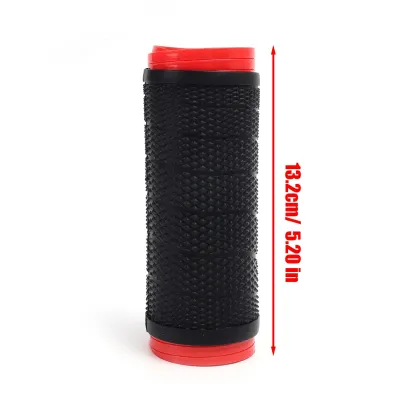
![[SG INSTOCKS] MOTORCYCLE HANDLEGRIPS SPONGE GRIP PUPPIES MOTOR HANDLE BAR](https://img.lazcdn.com/g/p/36bdc50da7bdf87165cf1ed74feab8b6.jpg_400x400q80.jpg_.webp)
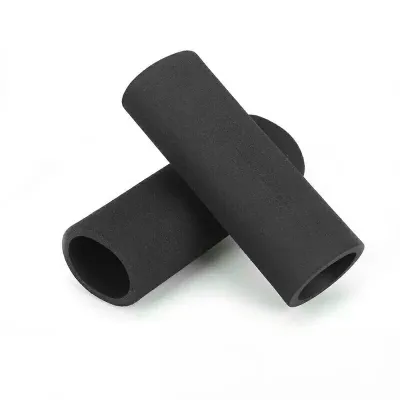
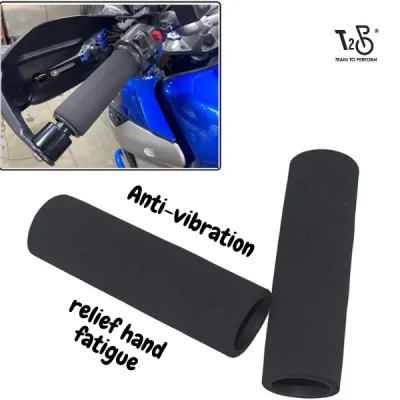
![⭐️ [SG SELLER] ⭐️ 1 Pair Comfort Foam Handlebar Cover Motorcycle Handlebar Grips Sponge Covers Universal Standard Size Grips Sleeve Anti Vibration Non-Slip Motorbike Accessories](https://img.lazcdn.com/g/p/0988d392b05606dbf2c04a5e45ccf5ba.jpg_400x400q80.jpg_.webp)
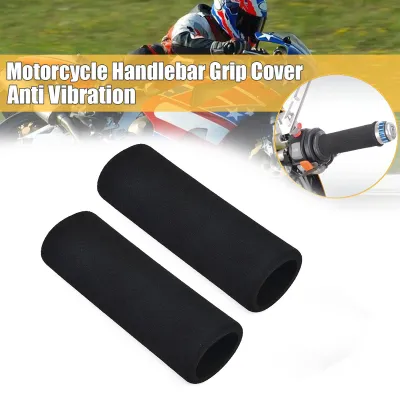
Prices are valid at publication and may change. Please refer to the product page for the latest price.
The Hydroplaning Effect on Hands
Just as a motorcycle tire can lose contact with the road due to a layer of water, your hands or gloves can experience a similar phenomenon on your grips. When rain falls, a micro-layer of water acts as a lubricant between your palm and the grip surface. This boundary layer lubrication significantly reduces the coefficient of friction. Without adequate water displacement, your hands will slip, forcing you to grip the handlebars with excessive force. This physical strain leads to rapid hand fatigue, arm pump, and a dangerous reduction in your ability to make fine, split-second adjustments to the throttle and front brake.
The Impact of Tropical Humidity
Singapore’s relative humidity consistently hovers between 80% and 100%. This constant moisture in the air, combined with high ambient temperatures, accelerates a chemical process known as hydrolysis, which breaks down cheap polymer compounds. Over time, this causes standard rubber grips to undergo photodegradation and chemical breakdown, resulting in a sticky, gooey texture that leaves a black residue on your hands. Furthermore, porous materials left in humid, unventilated environments—such as under a motorcycle cover in a warm HDB multi-storey carpark—readily trap moisture, turning the grips into breeding grounds for mold, mildew, and bacteria.
Gloves versus Bare Hands
Your choice of riding gear also dictates how your grips should perform. During daily dry commutes, many riders in Singapore prefer riding bare-handed or with lightweight, ventilated gloves. However, when the monsoon season arrives, switching to heavy-duty waterproof gloves becomes necessary. Waterproof gloves often feature palms made of thick leather, synthetic leather, or specialized textiles. These materials do not grip surfaces in the same way human skin does. A grip material must be versatile enough to provide mechanical interlocking with wet glove fabrics while remaining comfortable and non-abrasive when ridden bare-handed during dry spells.
Evaluating Motorcycle Grip Materials for Wet Conditions
Not all grip materials are created equal when it comes to managing moisture and humidity. Evaluating the strengths and weaknesses of common materials will help you make an informed decision for your daily rides.

Rubber Compounds (Soft vs. Hard)
Standard rubber grips are generally categorized by their density, with soft and hard compounds offering distinct trade-offs in tropical wet weather.
Soft rubber compounds, such as those made from thermoplastic elastomers (TPE), provide exceptional initial tackiness. The material easily conforms to the shape of your hand, offering excellent vibration dampening and immediate mechanical friction. However, soft rubber is highly susceptible to environmental wear. In Singapore’s intense heat and constant humidity, soft rubber grips tend to degrade rapidly, becoming soft, sticky, and structurally weak within a matter of months, especially if the bike is parked outdoors.
Hard rubber compounds offer excellent durability and resistance to UV and chemical breakdown. They maintain their structural integrity for years and do not become sticky. However, hard rubber has a much lower natural coefficient of friction. When wet, a smooth, hard rubber grip becomes incredibly slippery. To be safe for wet-weather riding, hard rubber grips must feature aggressive, deeply molded tread patterns to compensate for the material’s lack of inherent tackiness.
For the ideal balance, dual-compound rubber grips are highly recommended. These grips feature a firm, durable inner core that bonds securely to the handlebar and throttle tube to prevent slipping, wrapped in a softer outer layer designed with deep water-evacuation channels. This hybrid design delivers the comfort and wet-weather traction of soft rubber alongside the durability and structural safety of a harder compound.
Silicone and Synthetic Blends
High-quality silicone has become a popular alternative to traditional rubber for riders seeking long-term durability in tropical climates.
Unlike petroleum-based rubbers, silicone is chemically inert and highly resistant to UV radiation, ozone, and extreme humidity. It does not dry out, crack, or undergo hydrolysis, meaning it will not become sticky or degrade even when subjected to years of outdoor parking in Singapore.
In terms of wet traction, silicone performs exceptionally well. The material is naturally hydrophobic, meaning it repels water and prevents a continuous liquid film from forming on the surface. This allows your hand or glove to make direct contact with the silicone material, maintaining a high level of tackiness even in torrential downpours.
The primary limitation of silicone and synthetic blends is their tactile feel. Some pure silicone grips can feel quite firm or thin, transmitting more engine vibration to the rider’s hands than plush, thick rubber. For long-distance commuters or riders of high-vibration single-cylinder motorcycles, it is important to select ergonomically shaped, textured silicone grips designed specifically to balance vibration dampening with weather resistance.
Foam and Sponge Grips
While foam grips are often praised for their superior vibration isolation and comfort on dry touring rides, they present significant drawbacks in wet and humid climates.
Most standard foam grips utilize an open-cell construction, which behaves like a household sponge. During a heavy downpour, open-cell foam rapidly absorbs rainwater, becoming heavy, waterlogged, and cold. Squeezing a waterlogged grip forces water out onto your gloves and completely eliminates any tactile feedback from your throttle. Additionally, the trapped moisture combined with Singapore’s warm climate creates a perfect environment for mold and mildew to grow inside the foam, leading to unpleasant odors and rapid material rot.
Closed-cell foam, such as dense neoprene, is a much safer alternative because its closed molecular structure prevents water absorption. The surface remains relatively dry, and the material does not harbor mold. However, closed-cell foam lacks the sharp, defined tread patterns found on rubber or silicone grips. Consequently, its surface traction in heavy rain is still inferior to textured rubber, and it is generally not recommended for daily wet-weather commuting unless specifically sealed and textured by the manufacturer.
Metal and Knurled Grips
Billet aluminum, chrome, and other metal grips are popular on custom cruisers and retro-styled motorcycles, but they pose serious safety risks in wet conditions.
Bare, polished metal becomes extremely slippery when wet. Water acts as a highly effective lubricant on smooth metal, making it incredibly difficult to maintain a secure hold on the throttle or to apply steady pressure to the front brake lever. This lack of friction can lead to accidental throttle slippage during emergency maneuvers, presenting a major safety hazard.
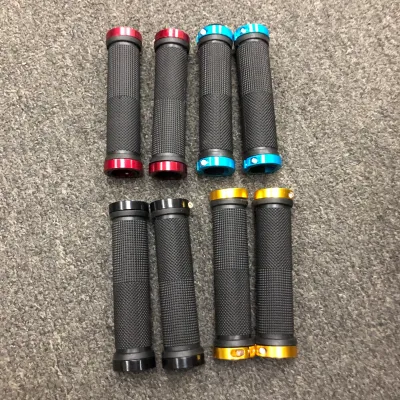
To address this, some metal grips feature machined “knurling”—a pattern of small, raised diamonds cut directly into the metal. While knurling provides mechanical bite, riding bare-handed on knurled metal in the rain can be highly abrasive and painful. Furthermore, if water pools within the fine grooves of the knurling, slippage can still occur.
If you choose to run metal grips, you must treat heavily textured, high-grip riding gloves as mandatory safety gear. Metal grips are highly unsuitable for riders who occasionally ride bare-handed or with lightweight, smooth-palmed gloves in wet weather.
Crucial Design Features for Wet-Weather Traction
While material selection is foundational, the physical design and surface texture of the grip play an equally critical role in dispersing water and maintaining control.
Tread Patterns and Grooves
Just like the tread on your motorcycle’s tires, the grooves molded into your grips are designed to manage water. Deep, strategically placed channels allow water to be squeezed away from the contact patch when you grip the handlebar. This prevents the formation of a slippery water barrier, allowing the grip material to make direct contact with your glove or hand. Look for grips with multi-directional grooves that channel water outward and away from the center of the grip.
Waffle and Diamond Patterns
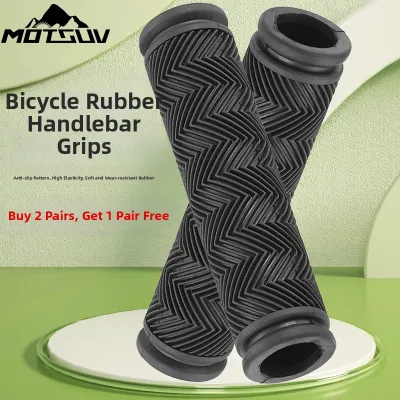
Raised geometric patterns are highly effective at generating mechanical grip in wet conditions. Half-waffle patterns (which feature a grid-like structure on the underside of the grip) and full-diamond patterns (fine, raised diamond shapes across the entire surface) bite into the fabric or leather of your riding gloves. This mechanical interlocking ensures that even if the grip surface is wet, your hand cannot easily slide or spin around the handlebar.
Flange and End Design
The design of the grip ends and flanges is critical for preventing water from pooling and causing internal damage. A raised inner flange helps block rainwater from running down your arm or the handlebars and seeping directly into the throttle housing or switchgear. Additionally, the outer ends of the grips must be properly sealed. If you use open-ended grips with bar-end weights or mirrors, ensure they are tightly sealed to prevent water from entering the handlebar tube, which can lead to internal corrosion or interfere with the throttle tube’s smooth operation.
Throttle Tube Compatibility
When upgrading your grips, you must verify that the new grips are fully compatible with your motorcycle’s throttle tube and handlebar dimensions. Most street motorcycles use a 22mm (7/8-inch) handlebar, where the left grip has a 22mm inner diameter and the right (throttle) grip has a slightly larger 24mm inner diameter to fit over the throttle tube. The grip must fit snugly without binding, pinching, or causing the throttle to stick when wet or slightly swollen from humidity. Always consult your vehicle’s original documentation to verify compatibility, and ensure that the throttle snaps back freely to the closed position after installation.
Maintenance and Inspection for Humid Climates
In Singapore’s high-humidity environment, regular maintenance and inspection are vital to ensure your grips remain safe, hygienic, and functional over their lifespan.
Cleaning Routines
Over time, road grime, engine oil, chain lube, sweat, and environmental dirt accumulate in the grooves of your grips. This buildup creates a slick, greasy film that becomes incredibly dangerous when mixed with rainwater. Clean your grips regularly using mild dish soap and warm water, scrubbing the grooves gently with a soft-bristled brush. Avoid using harsh chemical solvents, gasoline, or penetrants like WD-40, as these chemicals can break down rubber and silicone compounds, making them permanently sticky, brittle, or prone to tearing. Always refer to the grip manufacturer’s care instructions before applying any cleaning agents.
Checking for Degradation
Perform a visual and tactile inspection of your grips at least once a month. Look for signs of physical degradation, such as cracking along the water-channeling grooves, peeling at the ends, or areas where the textured pattern has worn completely smooth. A smooth, polished surface indicates that the material has lost its ability to disperse water and must be replaced immediately to maintain riding safety.
Proper Drying
If your motorcycle is parked in an unventilated area, such as an enclosed garage or under a heavy waterproof cover after a ride in the rain, take a moment to dry the grips with a clean microfiber cloth. Trapped moisture underneath the grip or inside the throttle sleeve can degrade the grip adhesive, cause internal corrosion of the handlebar, or lead to mold growth.
Safety Boundary
Crucial Safety Warning: If a grip shows any signs of slipping, twisting, or rotating on the handlebar tube or throttle sleeve, do not ride the motorcycle. A slipping grip can cause the throttle to stick open or prevent you from executing emergency steering maneuvers, presenting an extreme safety hazard. Ensure your grips are securely bonded using specialized motorcycle grip adhesive or secured with safety wire according to the manufacturer’s instructions. If you are unsure about the installation process or if your throttle does not operate smoothly, have the grips installed by a qualified professional at a local motorcycle workshop.
Frequently Asked Questions (FAQ)
Do I need heated grips for riding in Singapore's rain?
While heavy monsoonal downpours can cause your hands to feel cold due to wind chill, Singapore’s tropical ambient temperature—which rarely drops below 24°C even during storms—means heated grips are generally unnecessary. Heated grips also add electrical complexity and draw power from your motorcycle’s battery, which can be a liability in wet conditions if the wiring is not properly sealed. Instead of heated grips, invest in a pair of high-quality, breathable, waterproof riding gloves. These will keep your hands dry and shielded from wind chill without the need for electrical modifications.
Can I use skateboard grip tape for better wet traction?
Using skateboard grip tape on motorcycle handlebars is a highly discouraged DIY workaround. While grip tape provides intense friction, it is designed for shoes, not hands or riding gloves. The coarse silicon carbide grit will rapidly shred your riding gloves and cause painful abrasions on bare skin. Additionally, the adhesive backing on skateboard tape is not designed to withstand constant tropical humidity and rainwater; it will quickly peel off, leaving a sticky, messy residue on your handlebars that can interfere with your throttle tube and control switches. Always stick to purpose-built, textured motorcycle grips.
Community discussion
Share your experience or ask a question. Comments are reviewed before publication.