
Selecting the best mini electric pump for maintaining car and motorcycle tire pressure in Singapore requires finding a device that balances high-accuracy digital sensors, reliable battery performance in tropical climates, and a compact form factor that fits into tight storage spaces. For the vast majority of local motorists, a high-quality cordless mini electric pump equipped with an automatic shutoff mechanism and a clear digital display is the ultimate solution. These pocket-sized powerhouses eliminate the frustration of hunting for functioning air compressors at local petrol stations, allowing you to maintain optimal tire pressure directly from your HDB multi-storey car park or condominium parking lot.
Maintaining correct tire pressure is not just a matter of vehicle efficiency; it is a fundamental safety requirement. In Singapore’s dense traffic and unpredictable weather, having immediate access to a portable inflation tool ensures that your vehicle remains roadworthy at all times. Whether you are navigating daily commutes on the Pan Island Expressway (PIE) or preparing for a weekend ride, a reliable mini inflator offers peace of mind and complete self-reliance.
Why Routine Tire Pressure Checks Matter in Singapore
Singapore’s year-round tropical climate, with ambient temperatures regularly exceeding 30 degrees Celsius, has a direct and pronounced impact on tire pressure. As your tires roll over hot asphalt on major expressways like the PIE, KPE, or CTE, the friction combined with high ambient heat causes the air inside the tires to expand rapidly. Conversely, when your vehicle is parked overnight in a shaded or damp basement car park, the air cools and contracts, leading to significant pressure drops. This constant thermal cycling accelerates natural pressure loss, which can average around 1 to 2 PSI per month under normal conditions.
Products mentioned in this guide
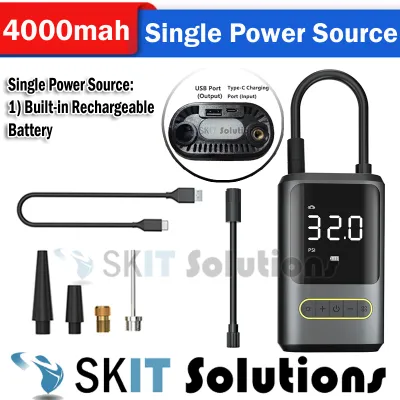
![[SG Seller]Portable Car Electric Inflator portable air pump car electric pump wireless air pump car electric pump汽车充气泵](https://img.lazcdn.com/g/p/11d7062f8a657612c19945cd3cdafcdb.jpg_400x400q80.jpg_.webp)
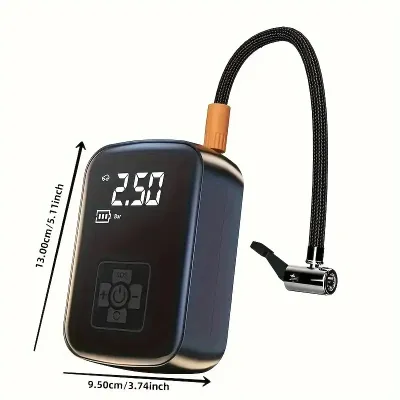
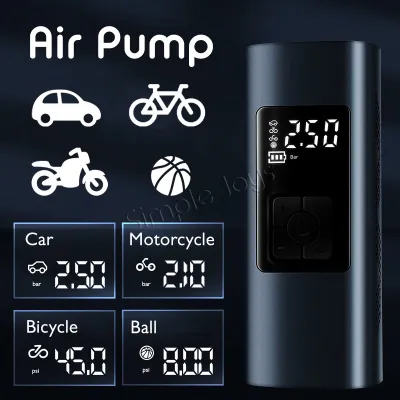
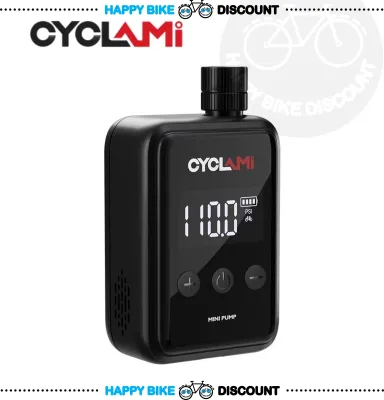
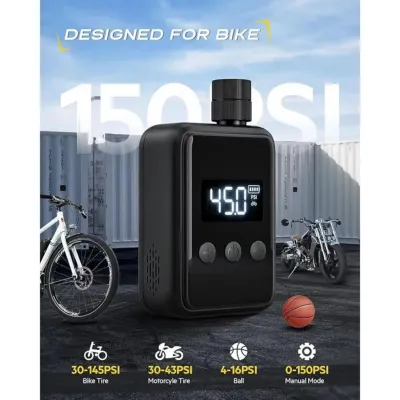
Prices are valid at publication and may change. Please refer to the product page for the latest price.
Relying solely on petrol station air compressors for routine maintenance presents several practical challenges. Many public air pumps at local petrol stations suffer from heavy usage, leading to worn-out nozzle seals, inaccurate pressure gauges, or out-of-service units. Furthermore, peak hours often bring long queues, forcing you to wait in the heat just for a simple top-up. Checking your tire pressure at a petrol station also means your tires are already hot from driving, which skews the pressure reading and can lead to under-inflation once the tires cool down.
A mini electric pump provides the ultimate convenience, allowing drivers and motorcyclists to perform routine top-ups in the comfort of their own parking space when the tires are cold and the readings are most accurate. These devices are designed to be highly portable, easily fitting into a car trunk organizer or under a motorcycle seat. By integrating regular tire pressure checks into your weekend routine, you can ensure optimal handling, maximize fuel efficiency, and significantly extend the lifespan of your tire tread.
Core Features to Evaluate Before Buying a Mini Inflator
Maximum PSI and Flow Rate
While passenger cars typically operate within a pressure range of 30 to 35 PSI, motorcycles and certain performance bicycles often require much higher pressures, sometimes reaching 40 to 50 PSI or more. The maximum PSI rating of a mini electric pump indicates its structural capacity, but the flow rate—measured in liters per minute (L/min)—is what dictates how quickly the pump can inflate a tire. A higher flow rate means less time spent crouched beside a hot wheel on the roadside. For routine maintenance, a flow rate of 15 to 25 L/min is generally sufficient for passenger vehicles and motorcycles.

Auto-Shutoff Accuracy
Precision is paramount when dealing with tire inflation. Over-inflating a tire reduces the contact patch with the road, leading to a harsh ride, uneven tread wear, and compromised traction, which is exceptionally dangerous on wet Singapore roads during sudden afternoon downpours. Conversely, under-inflation increases rolling resistance, raises fuel consumption, and causes excessive heat buildup that can lead to tire failure. Modern mini electric pumps feature integrated digital pressure gauges that monitor pressure in real-time. The auto-shutoff mechanism allows you to preset your desired pressure, automatically cutting power once the target is reached. Always verify your vehicle’s recommended tire pressures by consulting the manufacturer’s placard, typically located on the driver’s side door B-pillar for cars, or on the swingarm or chain guard for motorcycles, rather than relying on generic estimates.
Valve Compatibility
Most passenger cars and motorcycles in Singapore utilize standard Schrader valves. However, if you also plan to use the pump for road bicycles, you will encounter Presta valves, which require a specialized adapter. High-quality mini electric pumps usually ship with a variety of nozzle attachments, including brass Schrader-to-Presta adapters, ball needles, and balloon nozzles. Ensure the adapters are made of durable materials like brass or high-grade aluminum, as cheap plastic adapters can easily strip threads or leak air during high-pressure operation.
Usability Features
A clear, high-contrast digital LCD screen is essential for visibility under the intense glare of the midday sun. The display should show both the current pressure and the preset target pressure simultaneously. Additionally, integrated LED work lights are highly beneficial for nighttime emergencies or dimly lit multi-storey car parks. Intuitive button layouts that allow you to switch easily between pressure units (PSI, Bar, KPA, or kg/cm²) ensure a seamless user experience.
Cordless vs. 12V Plug-In: Which Power Source Fits Your Ride?
Cordless (USB-Rechargeable)
Powered by internal lithium-ion batteries, cordless mini electric pumps offer unparalleled portability and freedom of movement. They are particularly popular among motorcyclists and scooter riders because they do not require access to a physical power outlet or the vehicle’s electrical system. You can easily walk around your vehicle, topping up all four tires without wrestling with tangled cables. This makes them exceptionally convenient for tight parking spaces in HDB multi-storey car parks where parking next to a pillar might restrict physical access.
12V Plug-In (Cigarette Lighter)
These units draw power directly from your car’s 12V accessory socket. The primary advantage of a 12V plug-in pump is unlimited runtime; as long as your vehicle’s engine is running (to prevent draining the car battery), the pump will operate at peak performance without power degradation. This makes them highly reliable for emergency roadside situations where a cordless pump’s battery might be flat. However, they are restricted by the length of their power cord, which must be long enough to reach all four wheels. Furthermore, most standard motorcycles do not feature 12V accessory sockets, rendering these pumps impractical for two-wheeler riders unless they install aftermarket wiring.
Hybrid Options
For motorists who want the ultimate peace of mind, hybrid mini electric pumps combine both power sources. They contain an internal rechargeable battery for quick, cordless top-ups but also include a detachable 12V power cable that can be plugged into a car’s accessory socket if the internal battery runs dry. While hybrid models are slightly larger and more expensive, they offer the most versatile solution for multi-vehicle households.
Top Mini Pump Categories for Cars and Motorcycles
Selecting the right mini electric pump involves matching the device’s capabilities with your specific vehicle type and usage habits. Below are the primary categories of mini inflators available on the market, detailed by their physical design, performance characteristics, and ideal user profiles.
Ultra-Compact Cordless Pumps for Motorcycles and Scooters
These models prioritize a lightweight, highly compact design that can easily slip into a rider’s backpack, tank bag, or under-seat storage compartment. They are engineered to provide high pressure in a minimal physical footprint.
- Pros: Extremely portable, often weighing less than 500 grams; simple USB-C charging capability; sleek cylindrical or pocket-sized form factor.
- Cons: Smaller internal battery capacity (typically 2000mAh to 2500mAh); slower inflation speeds for high-volume car tires; can heat up quickly during extended operation.
- Ideal User: Motorcyclists, scooter riders, and active commuters who require an emergency backup tool that takes up minimal physical space.
- Specific Limitations: These pumps are designed for minor adjustments and top-ups. Attempting to inflate multiple large SUV tires from scratch will quickly deplete the battery and may trigger thermal protection shutoffs.
Balanced Handheld Pumps for Daily Car Commuters
These pumps represent the sweet spot for the average car owner, offering a robust handheld design with a larger battery capacity and improved thermal management.
- Pros: Balanced weight and size; larger battery capacity (often 4000mAh to 5000mAh); faster inflation times; more robust heat dissipation fins.
- Cons: Slightly heavier and bulkier than pocket-sized models; usually more expensive; may require dedicated storage cases to prevent damage in the boot.
- Ideal User: Daily car commuters who want a reliable, standalone tool for monthly tire maintenance and minor pressure corrections.
- Specific Limitations: While highly capable, they still rely on battery power. If stored uncharged for several months, the battery may self-discharge, leaving you without power during an emergency.
High-Capacity Hybrid Pumps for Multi-Vehicle Households
Designed for maximum versatility, these units cater to households with a mix of cars, motorcycles, and recreational inflatables.
- Pros: Dual-power capability (cordless battery plus 12V plug-in); high flow rates; robust build quality; comprehensive accessory kits with multiple adapters.
- Cons: Notably larger and heavier; higher initial purchase price; less convenient for quick motorcycle trips due to their physical footprint.
- Ideal User: Families owning multiple vehicles, or automotive enthusiasts who require a single, heavy-duty tool for all inflation tasks.
- Specific Limitations: The increased weight and size make them less suitable for carrying on a motorcycle or bicycle. They are best kept permanently in a car boot or garage.
Safe Storage and Battery Care in Singapore's Heat
Singapore’s tropical climate presents unique challenges for storing electronic devices equipped with lithium-ion batteries. When a vehicle is parked under direct sunlight, interior cabin temperatures can easily soar past 60 degrees Celsius. This extreme heat is highly detrimental to lithium-ion batteries, accelerating chemical degradation, reducing overall lifespan, and in severe cases, causing battery swelling, leakage, or thermal runaway (fire risks).
To mitigate these hazards, never leave your cordless mini electric pump on the dashboard, rear parcel shelf, or in direct sunlight. Instead, store the device in a shaded area of the vehicle, such as the glove compartment, center console, or a dedicated storage pocket in the boot. For motorcyclists, avoid storing the pump in under-seat compartments that sit directly above a hot engine or exhaust pipe immediately after a ride; wait for the bike to cool down or carry the pump in a riding backpack.
Additionally, perform regular maintenance checks on your pump. Lithium-ion batteries naturally self-discharge over time, even when not in use. It is highly recommended to inspect the battery level every three to six months and top it up to around 60% to 80% capacity for optimal long-term storage health. Avoid storing the battery completely flat or fully charged at 100% for extended periods. When using the pump, always allow the unit to cool down completely before packing it away in its storage case, and inspect the air hose periodically for signs of dry rot, cracking, or thread wear.
Frequently Asked Questions (FAQ)
Can a mini electric pump inflate a completely flat car tire?
Yes, a mini electric pump can technically inflate a completely flat car tire from 0 PSI to its recommended operating pressure, but it is not the ideal tool for this task. Because passenger car tires hold a large volume of air, inflating one from scratch requires a prolonged duty cycle. Most mini pumps are designed for short bursts of operation and may overheat or deplete their entire battery charge before completing a full inflation. If you must use a mini pump in an emergency to inflate a flat tire, operate it in intervals—allowing the motor to cool down for a few minutes after every 5 to 10 minutes of continuous use—to prevent permanent thermal damage to the internal components.
Do I need a special adapter for motorcycle tires?
While almost all motorcycles use the standard Schrader valve found on cars, physical clearance can be a major obstacle. The space around a motorcycle wheel is often highly restricted by large brake discs, spokes, chain guards, or sprocket assemblies. This tight clearance can make it incredibly difficult to screw or clamp a straight pump nozzle onto the valve stem without bending or damaging it. To resolve this, it is highly recommended to use a 90-degree angled brass valve adapter. This simple adapter screws onto your tire valve, redirecting the connection point outward and allowing you to connect the mini electric pump’s hose easily and safely without putting structural stress on the tire’s valve stem.
Community discussion
Share your experience or ask a question. Comments are reviewed before publication.