
Achieving a flawless, swirl-free finish on your vehicle requires more than just high-quality car shampoo and wax; it demands a precise understanding of your wiping tools. Using a single, generic microfiber cloth for car care is one of the most common mistakes vehicle owners make, often leading to fine scratches, swirl marks, and hazy paintwork. To protect your car’s delicate clear coat and sensitive interior surfaces, you must match the specific type of microfiber cloth to the task at hand—whether you are lifting heavy road grime, drying off rainwater, buffing away polish, or wiping down a leather dashboard.
Why Task-Specific Microfiber Cloths Matter for Car Paint and Interiors
Microfiber is a synthetic blend of polyester and polyamide. During manufacturing, these fibers are split, creating millions of tiny microscopic hooks and channels. These channels act like magnets, utilizing capillary action to lift and trap dirt, moisture, and oil deep within the cloth’s structure, rather than pushing them across the surface like traditional cotton towels.
However, this incredible trapping ability is a double-edged sword when it comes to cross-contamination. If you use the same cloth to clean brake dust off your alloy wheels and then use it to wipe down your exterior paint, you will drag highly abrasive metallic particles across your clear coat. This creates micro-scratches and unsightly swirl marks that require expensive machine polishing to correct.
Products mentioned in this guide
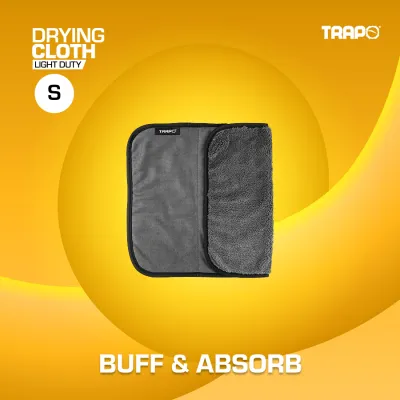
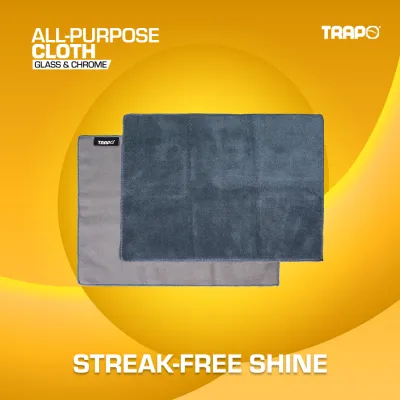
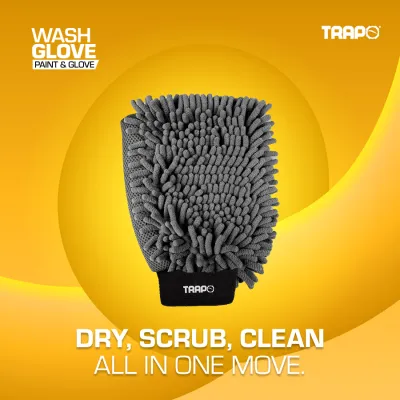
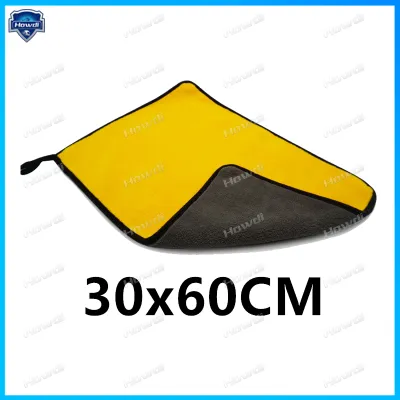
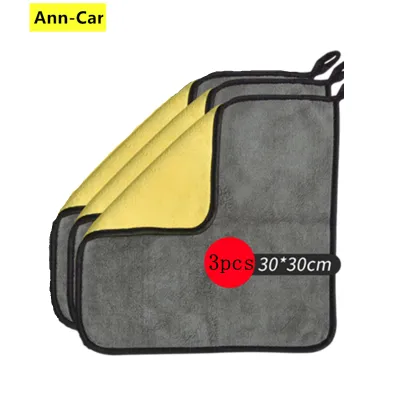
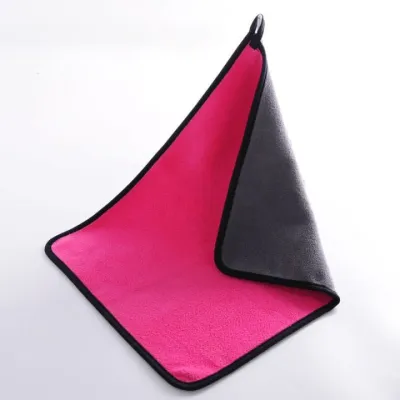
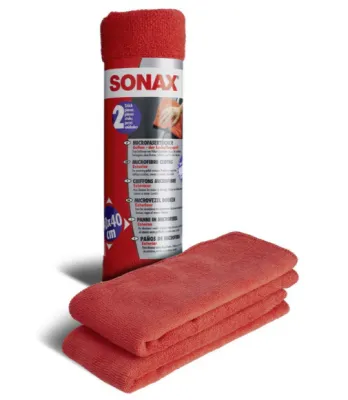
![[SG SELLER] Original MagicFiber Microfiber Cleaning Cloths Car Screen Display Spectacles Glasses Camera Lens Phone Screen TVs Jewelry Cloth Gaming Monitor Cleaner EV](https://img.lazcdn.com/g/p/224c68f2d3ec242b0736446348930468.png_400x400q80.png_.webp)
Prices are valid at publication and may change. Please refer to the product page for the latest price.
Matching the cloth’s pile height, weight (measured in grams per square meter, or GSM), and edge construction to each specific detailing stage is the most effective way to safeguard your vehicle’s finish. By isolating your tools for specific tasks, you ensure that abrasive particles never travel from dirty utility areas to your pristine exterior panels.
Matching Microfiber Cloths to Your Detailing Tasks
Washing: Lifting Dirt Without Scratching the Clear Coat
During the contact wash stage, your primary goal is to safely lift abrasive road grime, grit, and dust off the paint without grinding them into the clear coat. For this high-risk step, you need a deep-pile or plush microfiber cloth, typically ranging from 300 to 500 GSM. The long, fluffy fibers provide a deep cushioning zone, allowing dirt particles to sink safely away from the paint surface while you glide the cloth across the wet panels.

Edge design is equally critical during the wash phase. Standard stitched edges can be relatively stiff and abrasive, which can easily scratch warm paintwork. Opt for cloths featuring soft satin-bound edges or completely edgeless designs to minimize friction.
While flat plush cloths are highly effective, many car care enthusiasts prefer high-quality microfiber wash mitts for exterior washing. Mitts offer superior ergonomics, fitting securely over your hand to prevent accidental drops onto dirty ground, and they hold a larger volume of soapy water to ensure maximum lubrication as you clean.
Drying: Maximizing Absorbency to Prevent Water Spots
In hot, humid tropical climates like Singapore, tap water left on a car’s surface after washing will evaporate rapidly, leaving behind unsightly mineral deposits known as water spots. To prevent this, you must dry the vehicle quickly and thoroughly using a dedicated drying towel. This task requires a heavy, high-density microfiber towel, typically between 800 and 1200 GSM, or a specialized twisted-loop weave.
Twisted-loop towels feature long, twisted fibers that maximize surface area, allowing them to absorb massive quantities of water without becoming saturated. This design allows you to dry an entire vehicle without needing to constantly wring out the cloth mid-task.
Size is another important variable when choosing a drying towel. Opting for larger dimensions, such as 30 by 60 inches (approximately 75 by 150 centimeters), allows you to drape the towel across large panels like the bonnet or roof and gently pull it toward you. This drag-drying technique minimizes the friction caused by repetitive rubbing.
Never use standard, low-pile utility cloths for drying your car’s exterior. These thin towels lack the capacity to hold water, meaning they will quickly saturate and simply push water around the surface. This prolonged contact and increased friction significantly elevate the risk of dragging missed dirt particles across the paint, causing fine scratches.
Polishing and Wax Removal: Lint-Free and Gentle Buffing
Removing cured wax, paint sealants, or polishing compounds requires a completely different type of microfiber cloth. Here, you need a short-pile or low-nap microfiber cloth, generally with a weight of 200 to 350 GSM. The shorter, tighter loops provide the necessary bite to break down and lift off sticky wax residues or oily polishing oils without clogging or smearing the product across the panel.
When buffing fresh paintwork, any hard surface on the cloth can ruin hours of careful work. This is why laser-cut, edgeless microfiber cloths are absolutely essential for polishing and wax removal. Because these cloths have no stitched hems or fabric borders, there is zero risk of a hard edge coming into contact with your freshly polished clear coat.
Additionally, look for a tight, high-quality weave that is explicitly labeled as lint-free. Cheaper, low-grade cloths often shed tiny synthetic fibers that stick to the fresh wax or sealant layer, leaving a frustrating, dusty residue that is incredibly difficult to remove without re-washing the vehicle.
Interior Detailing: Safe Surfaces for Glass, Leather, and Plastics
The interior of a modern vehicle is a complex mix of delicate materials, including soft leather, textured plastics, high-gloss piano black trim, and sensitive infotainment screens. To protect these surfaces, you must use specialized cloths and maintain a strict separation from your exterior cleaning tools.
For interior glass, mirrors, and window films, a standard plush cloth will often leave behind streaks and lint. Instead, use a specialized waffle-weave or ultra-short-pile glass microfiber cloth. The unique indented pattern of a waffle-weave towel traps glass cleaner and oils efficiently, leaving a crystal-clear, streak-free finish. If your vehicle has aftermarket window tinting, always verify the film manufacturer’s cleaning instructions first, as some films can be easily damaged by aggressive scrubbing or incompatible cleaning agents.
For leather upholstery, vinyl dashboards, and plastic trim, a medium-pile cloth (300 to 400 GSM) is ideal. These cloths are soft enough to glide safely over delicate leather without causing abrasion, yet they possess enough grab to lift dust and grime from textured plastic surfaces. When cleaning sensitive infotainment screens or instrument clusters, apply very light pressure to prevent scratching the soft plastic lenses.
To manage these diverse tasks safely, implement a strict color-coding system. For example, assign blue cloths exclusively for glass, yellow for interior plastics, green for leather, and black or grey for dirty areas like door jambs and wheels. This simple visual cue prevents you from accidentally using a cloth contaminated with greasy dashboard protectant on your exterior glass or delicate paintwork.
Key Specifications to Check on the Label
When shopping for a microfiber cloth for car care, look past vague marketing claims like “super soft” or “professional grade” and focus on the technical specifications listed on the label. Understanding these key metrics will help you make an informed decision.
GSM (Grams per Square Meter): This measures the weight and density of the cloth. Low GSM (200–300) is ideal for glass, interior screens, and buffing off waxes or polishes. Medium GSM (300–500) is highly versatile, making it perfect for contact washing, quick detailer sprays, and general interior cleaning. High GSM (800+) is extremely plush and absorbent, reserved almost exclusively for drying wet exterior paintwork.
Blend Ratio: Microfiber is made from a blend of polyester (which provides structure and scrubbing power) and polyamide (which provides softness and water absorption). Look for an 80/20 or 70/30 polyester-to-polyamide ratio. A 70/30 blend indicates a higher polyamide content, making the cloth softer, more absorbent, and safer for delicate automotive paint.
Edge Construction: The way a cloth’s edges are finished dictates its safety level on delicate surfaces. Budget-friendly cloths often feature standard overlock stitching, which can scratch clear coats if pressed too hard. Safer options include silk-banded or suede-banded edges, where a soft fabric strip covers the stitching. For the absolute safest performance during polishing or final buffing, choose edgeless, laser-cut cloths.
| Task | Recommended GSM | Pile Type | Edge Style |
|---|---|---|---|
| Washing | 300–500 GSM | Deep-pile / Plush | Edgeless or Satin-bound |
| Drying | 800–1200 GSM | Twisted-loop or Ultra-plush | Suede-banded or Edgeless |
| Polishing / Waxing | 200–350 GSM | Short-pile / Low-nap | Edgeless / Laser-cut |
| Glass Cleaning | 200–300 GSM | Waffle-weave or Flat | Overlocked or Edgeless |
| Interior Plastics | 300–400 GSM | Medium-pile | Satin-bound or Edgeless |
How to Wash and Maintain Your Microfiber Cloths
The longevity and safety of your microfiber cloths depend entirely on how you wash and store them. Over time, improper washing can ruin the split fibers, turning a soft, paint-safe towel into a scratchy hazard.
Always wash your microfiber cloths separately from regular household laundry, especially cotton towels. Cotton sheds lint, which will immediately clog the split channels of your microfiber cloths, rendering them ineffective and highly abrasive.
Never use fabric softeners or bleach. Fabric softeners work by coating fibers with a thin layer of silicone or chemicals to make them feel soft, which completely clogs the microscopic pores of the microfiber and destroys its absorbency. Bleach, on the other hand, is highly corrosive and will break down the synthetic polyester and polyamide fibers, causing them to shed and lose their structural integrity.
Wash the cloths in warm water using a dedicated microfiber wash solution or a mild, fragrance-free liquid detergent. Avoid powdered detergents, as un-dissolved powder particles can become trapped inside the fibers and scratch your car’s paint during the next use.
When drying, the safest method is to air dry the cloths in a clean, dust-free environment. If you use a tumble dryer, select a low-heat or no-heat setting. High heat can easily melt the ultra-fine synthetic fibers, fusing them together into hard, scratchy spots that will permanently ruin the cloth’s paint-safe qualities.
Frequently Asked Questions (FAQ)
Can I use one microfiber cloth for both washing and drying?
No. Doing so is highly discouraged. A cloth used during the wash phase inevitably traps tiny particles of dirt and grit. Even if you rinse the cloth, some microscopic particles may remain embedded deep within the fibers. If you then use that same cloth to dry your car, you will drag those trapped contaminants across the dry paint, creating fine scratches and swirl marks. Always use separate, dedicated cloths for washing and drying.
How do I know when it is time to throw away a microfiber cloth?
Pay attention to the texture and performance of your cloths. If a microfiber towel feels stiff, crunchy, or rough to the touch even after a proper wash, the fibers have likely melted or become permanently clogged. Other warning signs include a significant loss of absorbency, persistent odors, or visible debris like tiny twigs or seeds that cannot be washed out. When a cloth is no longer safe for your car’s exterior paint, do not throw it away immediately; instead, downgrade it for use on dirty, low-risk areas like engine bays, exhaust tips, or household cleaning.
Community discussion
Share your experience or ask a question. Comments are reviewed before publication.