
Choosing the right tesla model y steering cover in Singapore is a decision that directly impacts your daily driving comfort, interior aesthetics, and road safety. The Tesla Model Y features a minimalist cabin with a synthetic vegan leather steering wheel that, while modern, presents unique challenges in tropical environments. For most owners, a custom-fit, sew-on steering wheel cover crafted from premium Nappa leather or genuine Alcantara offers the ultimate solution. These covers provide a snug, non-slip fit that preserves the tactile feedback of the steering system while protecting the original material from premature wear.
How Singapore's Climate Affects Your Steering Wheel Material Choice
Singapore’s tropical climate is characterized by high ambient temperatures, intense ultraviolet (UV) radiation, and year-round high humidity. When a Tesla Model Y is parked in open-air spaces, such as outdoor HDB carparks or uncovered commercial lots, the cabin acts as a greenhouse. The steering wheel surface can quickly absorb solar radiation, reaching temperatures that make it uncomfortable or even painful to touch upon entry. Standard synthetic materials tend to retain this heat, forcing drivers to wait for the cabin air conditioning to cool the surface before starting their journey.
In addition to thermal stress, Singapore’s relative humidity frequently hovers above 80%. This atmospheric moisture, combined with natural oils and sweat from the driver’s hands, creates a slick film on non-porous steering wheel surfaces. During daily commutes along busy expressways like the PIE or CTE, a compromised grip can reduce steering precision and increase driver fatigue. Selecting a material that actively manages moisture—either through perforation or inherent fiber absorption—is essential for maintaining a secure hold on the wheel.
Products mentioned in this guide
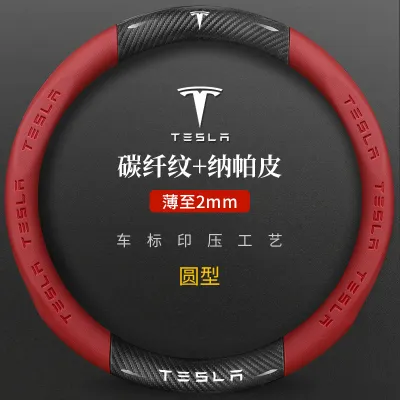
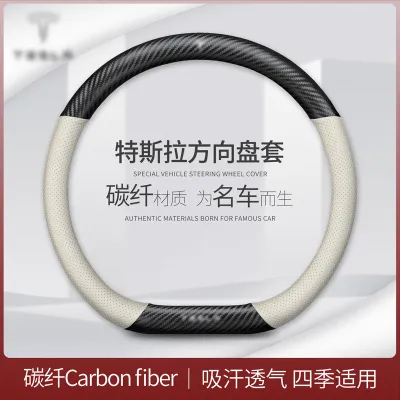
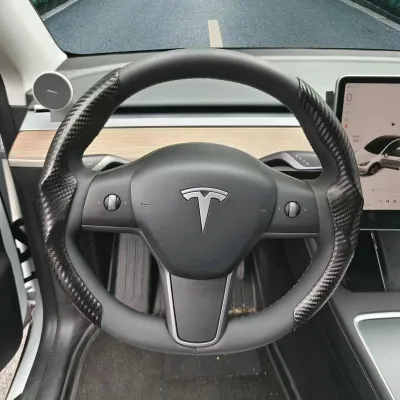
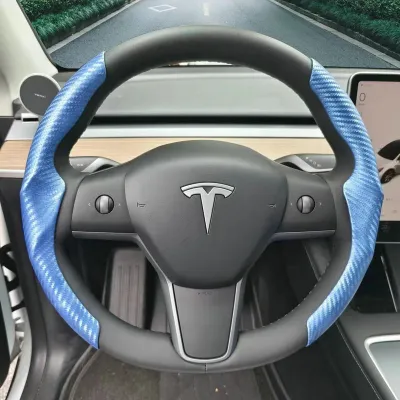

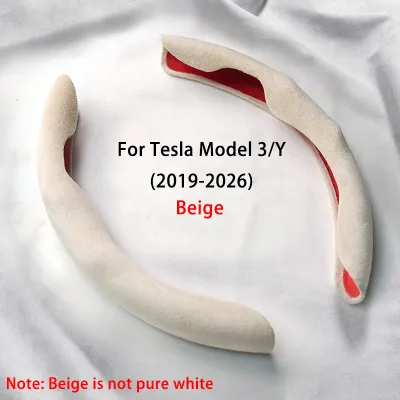
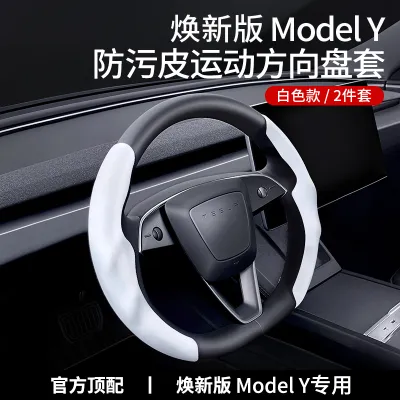
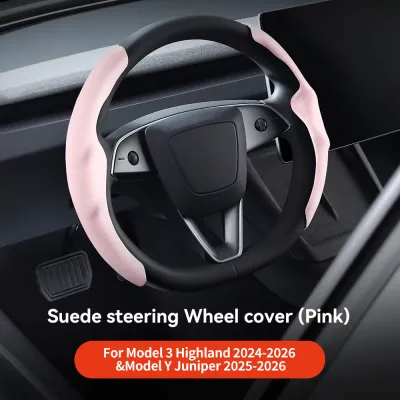
Prices are valid at publication and may change. Please refer to the product page for the latest price.
Another factor to consider is the Model Y’s built-in steering wheel heating element. While heated steering wheels are primarily designed for colder climates, some drivers in Singapore utilize them during heavy monsoon downpours or early morning drives when the cabin air conditioning is running exceptionally cold. Installing an excessively thick or poorly insulated cover can act as a thermal barrier, trapping the heat underneath the cover and preventing it from reaching the driver’s hands. This insulation effect can also cause the heating elements to work harder, potentially leading to localized overheating and premature degradation of the original steering wheel materials.
Critical Fitment and Autopilot Safety Checks Before Buying
Before purchasing a tesla model y steering cover, verifying the exact specifications of your vehicle’s steering wheel is paramount. The Tesla Model Y has seen minor design updates across different production years and manufacturing facilities. While most Model Y vehicles are equipped with a standard circular steering wheel, some owners install aftermarket Yoke steering wheels. A cover designed for a round wheel is entirely incompatible with a Yoke wheel, and attempting to stretch or force a mismatched cover can damage the steering wheel frame or cause the cover to slip during operation.

Safety is the most critical consideration when modifying any steering component, especially in a vehicle equipped with advanced driver assistance systems. Tesla’s Autopilot and Full Self-Driving (FSD) suites rely on torque sensors located within the steering column to monitor whether the driver’s hands are on the wheel. These sensors measure the subtle rotational resistance applied by your hands. If a steering wheel cover is too thick, heavy, or loose, it can dampen these micro-inputs or cause your hands to slip when you need to take immediate manual control. To maintain the safety boundaries established by the manufacturer, any aftermarket cover must fit tightly enough to prevent any independent rotation or slippage. Always consult your Tesla owner’s manual regarding any modifications to the steering assembly.
Understanding the differences between installation types is key to choosing a safe and durable cover:
- Sew-on (Custom-fit): This design requires you to stitch the cover directly over the original wheel using pre-punched holes. It offers a razor-thin profile, wraps completely around the spokes, and provides the highest level of safety because it cannot slip or shift.
- Slip-on: These are thick, pre-formed rings that stretch over the wheel. While easy to install, they add significant bulk, can block access to the scroll wheels, and the inner rubber lining can degrade and slip under Singapore's high cabin temperatures.
- Snap-on/Clip-on: These multi-piece covers clip onto the sides of the wheel. They are highly convenient but leave large sections of the wheel exposed and can shift under heavy steering loads.
For the best safety, tactile feedback, and aesthetic integration, a custom-fit sew-on wrap is highly recommended over generic slip-on alternatives.
Best Leather Steering Wheel Cover Profiles for Model Y
For drivers who prefer a classic, premium executive feel that matches the Model Y’s clean interior, high-quality leather covers are an excellent choice.
Profile 1: Custom-Fit Microfiber or Nappa Leather (Sew-on)
A custom-fit sew-on wrap made from top-grain Nappa leather or high-grade microfiber leather is the premier choice for achieving an OEM-like appearance. Microfiber leather is a synthetic material that closely mimics the structure of natural leather while offering enhanced resistance to UV radiation and moisture degradation. Nappa leather provides an incredibly soft, smooth texture that elevates the tactile experience of driving. Because these wraps are custom-patterned specifically for the Model Y steering wheel, they maintain a slim profile that does not alter the original grip ergonomics. This profile is ideal for drivers who want long-term durability and a cover that is easy to maintain with simple, periodic wiping.
Profile 2: Perforated Leather with Heat-Transfer Design
Perforated leather covers feature a matrix of tiny, laser-cut holes across the surface. This design is highly functional in Singapore’s humid climate, as the perforations allow sweat and moisture from the driver’s palms to evaporate quickly, preventing the wheel from becoming slick. Furthermore, if you occasionally use the Model Y’s heated steering wheel feature, the perforated design allows heat to transfer efficiently through the cover without trapping thermal energy underneath. This prevents localized heat buildup, protecting both the original steering wheel and the cover’s backing material from heat-induced adhesive failure.
Buying Checklist
When selecting a leather cover, ensure it meets the following criteria before making a purchase:
- Pre-punched stitching holes: The edges of the cover must feature high-strength, pre-punched stitching loops to facilitate a tight, uniform sew-on installation.
- Precise scroll wheel cutouts: The Model Y relies on two multi-function scroll wheels on the steering spokes. The cover must feature exact, clean cutouts that do not restrict the rotation or clicking of these controls.
- Non-slip inner lining: Ensure the cover features a high-temperature resistant, rubberized mesh or silicone inner lining to prevent the cover from rotating independently of the steering wheel core.
Best Suede and Alcantara Steering Wheel Cover Profiles for Model Y
Drivers seeking a sportier aesthetic and maximum tactile grip often turn to suede or Alcantara. Alcantara is a premium, proprietary synthetic material composed of polyester and polyurethane, engineered to deliver the feel of suede with significantly higher durability.
Profile 1: Full Suede/Alcantara Custom Wrap
A full Alcantara or suede custom wrap is the ultimate choice for performance-oriented drivers. The unique fibrous texture of Alcantara provides exceptional friction, ensuring your hands remain firmly planted on the wheel during quick maneuvers or long highway drives. One of the greatest advantages of Alcantara in Singapore is its low thermal conductivity. Unlike leather, which can become burning hot when exposed to direct sunlight, Alcantara remains relatively cool to the touch, allowing you to drive off immediately without waiting for the cabin to cool down.
Profile 2: Hybrid Material Design (Leather sides, Suede top/bottom)
The hybrid design offers a balanced compromise by combining different materials on different sections of the wheel. Typically, these covers feature high-grip suede or Alcantara at the top and bottom (or at the 10 and 2 o’clock positions where drivers naturally grip the wheel) and durable, easy-to-clean leather on the sides. This configuration places the high-friction material exactly where you need it for steering control, while utilizing low-maintenance leather on the areas most prone to collecting dirt and oils from casual driving.
Maintenance and Climate Warning
While suede and Alcantara offer superior grip and aesthetics, they require a commitment to regular maintenance, especially in Singapore’s humid environment. The open-fiber structure of these materials acts like a sponge, absorbing oils, sweat, dead skin cells, and moisture from your hands. Over time, this accumulation causes the fibers to flatten and mat down, resulting in a greasy, shiny appearance and a harsh texture. In high humidity, trapped moisture can also lead to mold growth. To prevent this, owners must commit to weekly brushing with a soft-bristle suede brush and periodic cleaning with specialized, Alcantara-approved cleaners.
Leather vs. Suede: Quick Comparison for Daily Driving
To help you decide between these two premium materials, the following table compares their performance across key daily driving dimensions in Singapore:
| Feature | Nappa / Microfiber Leather (Custom Sew-On) | Perforated Leather (Custom Sew-On) | Alcantara / Suede (Custom Sew-On) | Hybrid Leather & Suede (Custom Sew-On) |
|---|---|---|---|---|
| Surface Temp in Direct Sun | Absorbs heat; hot to touch | Moderate heat absorption | Remains relatively cool | Moderate to cool |
| Grip When Sweaty | Can become slick | Good grip; breathable | Excellent grip; high friction | Balanced grip |
| Long-term Durability | Very high; resists wear | High; requires clean pores | Moderate; prone to matting | High durability on sides |
| Cleaning Effort | Low; wipe with damp cloth | Low to moderate | High; requires brushing | Moderate; dual-care routine |
| Heated Wheel Compatibility | Good thermal transfer | Excellent thermal transfer | Moderate thermal transfer | Good thermal transfer |
| Installation Difficulty | High; requires 2-3 hours | High; requires 2-3 hours | High; requires 2-3 hours | High; requires 2-3 hours |
For low-maintenance daily commuters who prioritize longevity, ease of cleaning, and a classic executive look, Nappa or perforated leather is the most practical choice. Conversely, driving enthusiasts who want maximum grip, a sporty cockpit feel, and are willing to perform regular material maintenance will find Alcantara or suede wraps highly rewarding.
Installation Tips and Maintenance for Longevity
Installing a custom-fit sew-on steering wheel cover requires patience and precision. Before beginning the installation, always read the cover manufacturer’s instructions and consult your Tesla Model Y owner’s manual regarding any safety warnings related to the steering wheel assembly. If the instructions conflict, or if you are unsure of the process, consult a qualified professional installer.
To install a sew-on cover safely and securely:
- Align the center: Begin by aligning the top center mark of the cover with the top dead center of the steering wheel. Use temporary double-sided adhesive tape (if supplied) to secure the cover in place, ensuring it does not shift as you stitch.
- Check clearances: Verify that the cover material does not obstruct the left and right scroll wheels, the horn pad, or the steering column stalks. The cover must sit flush against the spokes without bunching.
- Pull taut: As you thread the needle through the pre-punched loops, pull the thread taut at every stitch. This ensures the material stretches evenly over the wheel, eliminating wrinkles and preventing the cover from slipping during driving.
Proper maintenance is essential to preserve the appearance and safety of your chosen material:
- Leather Care: Clean the cover periodically using a mild, pH-neutral leather cleaner. Apply a dedicated UV protectant authorized for automotive leather to prevent drying, fading, and cracking from sun exposure. Always check the cleaner's label to ensure compatibility with synthetic or natural leathers.
- Suede and Alcantara Care: Use a dedicated soft-bristle suede brush weekly to gently lift the flattened fibers and restore the nap. Avoid water-based or harsh household chemical cleaners, which can cause permanent staining or flatten the fibers. Only use cleaners explicitly labeled as safe for Alcantara or synthetic suede, and perform a test on a small, hidden area first.
Frequently Asked Questions (FAQ)
Will a steering wheel cover void my Tesla warranty?
Adding an aftermarket cosmetic accessory like a steering wheel cover does not void your overall Tesla vehicle warranty. However, any direct damage caused by the accessory will not be covered. For example, if a low-quality cover scratches the original vegan leather, if chemical adhesives damage the steering wheel surface, or if a poorly fitted cover physically jams the electronic scroll wheels, Tesla will exclude those specific repairs from warranty coverage. Always choose high-quality, non-destructive attachment methods.
Can I use a universal steering wheel cover on the Tesla Model Y?
It is highly recommended to avoid universal steering wheel covers. The Tesla Model Y steering wheel has specific dimensions, a unique rim thickness, and integrated scroll wheels that universal covers cannot accommodate. Universal covers are typically bulky slip-on designs that can easily slide or rotate on the wheel frame, presenting a severe safety hazard during sudden steering maneuvers. They also tend to block the scroll wheels, making it difficult to adjust autopilot settings, volume, or mirrors.
Does a thick cover affect Autopilot steering torque?
Yes, a thick or heavy cover can indirectly affect Autopilot performance. Tesla’s Autopilot and FSD systems do not use capacitive touch sensors on the Model Y steering wheel; instead, they rely on torque sensors in the steering column to detect the physical resistance applied by your hands. An excessively thick, heavy, or loose cover can absorb your hand’s micro-inputs or cause your hands to slip when applying torque. This can lead to frequent hands-on-wheel warnings or accidental disengagements. To maintain optimal safety and system responsiveness, choose a slim, custom-fit sew-on cover.
Community discussion
Share your experience or ask a question. Comments are reviewed before publication.