
Upgrading your Tesla Model Y with a steering wheel cover in Singapore requires balancing aesthetic integration with the demanding realities of a tropical climate. The ideal cover must preserve the vehicle’s minimalist cabin design, maintain compatibility with advanced safety sensors, and withstand high humidity and intense cabin heat. Selecting the wrong material or an improper fit can lead to rapid degradation, compromised grip, or even interference with your vehicle’s driver-assist systems.
Genuine perforated leather and high-grade microfiber suede (such as Alcantara) stand out as the top choices for Singaporean drivers, each serving distinct driving styles and parking situations. Finding the right tesla model y steering wheel cover involves understanding how these premium materials perform under daily sun exposure and learning how to verify a secure, slip-free fit.
Leather vs. Suede: Which Material Suits Singapore's Climate?
Singapore’s tropical climate features year-round high humidity and intense solar radiation. When a car is parked in open-air lots, cabin temperatures can soar rapidly, turning the steering wheel into an uncomfortable touchpoint. Evaluating how solid leather and suede manage this thermal energy is the first step in making an informed purchase.
Products mentioned in this guide
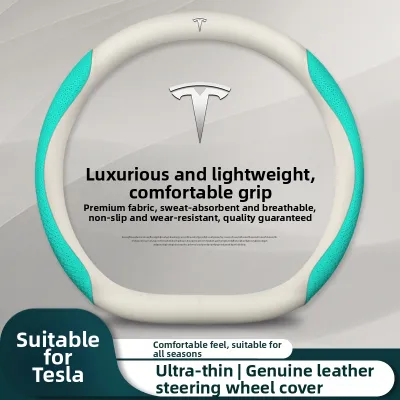
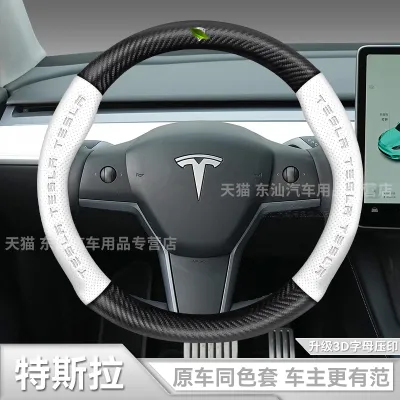
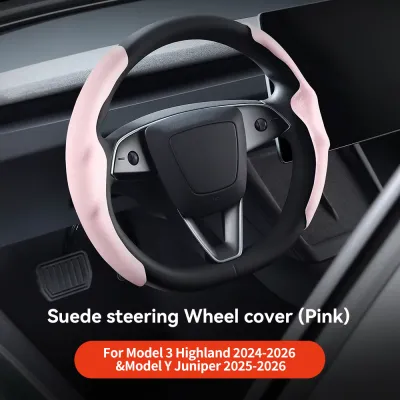
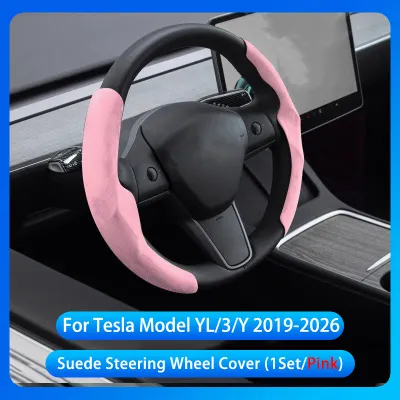
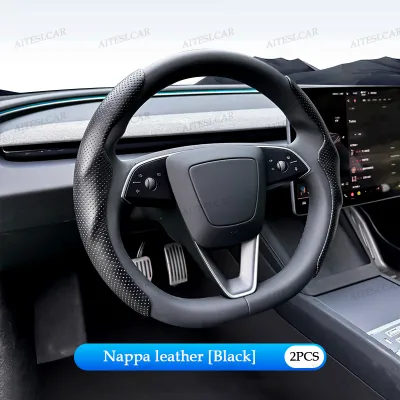
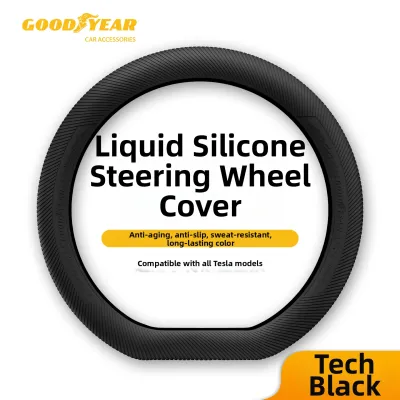
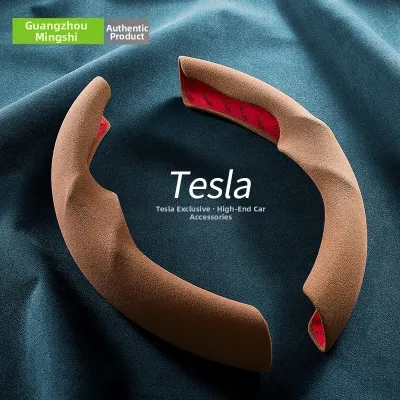
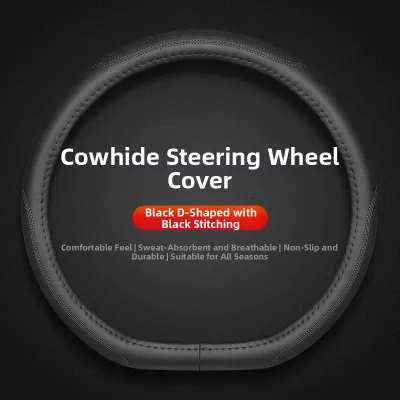
Prices are valid at publication and may change. Please refer to the product page for the latest price.
Solid leather absorbs and retains thermal energy quickly under direct sunlight. Touching a solid, non-perforated leather wheel after your car has sat in an open-air surface lot can be highly uncomfortable. Perforated leather mitigates this issue by incorporating micro-holes that allow trapped heat to dissipate more rapidly. Microfiber suede, by contrast, has lower thermal conductivity. It does not feel exceptionally hot to the touch even after hours of sun exposure, making it highly comfortable the moment you enter the vehicle.
Humidity and perspiration also play a critical role in material selection. Suede provides exceptional dry grip because its textured nap creates high surface friction, making it popular among drivers who prefer a sporty feel. However, suede acts like a sponge, absorbing oils, sweat, and atmospheric moisture, which can lead to material degradation and bacterial growth over time. Treated genuine leather naturally resists moisture absorption, allowing sweat to sit on the surface where it can be easily wiped away. The trade-off is that smooth leather can become slippery when wet, potentially compromising steering precision if your hands are sweaty.
Both materials are vulnerable to UV-induced aging. Prolonged exposure to UV rays breaks down the chemical bonds in natural leather, causing it to dry out, stiffen, and crack. Suede can suffer from severe fading and a loss of its soft texture, eventually turning stiff or “bald” in high-contact areas. To protect your investment, using a high-quality windshield sunshade when parked outdoors in Singapore is highly recommended, alongside regular material-specific UV treatments.
| Feature / Condition | Perforated Genuine Leather | Microfiber Suede (Alcantara-style) | Hybrid (Leather + Suede) |
|---|---|---|---|
| Primary Parking | Open-air or shaded lots | Shaded carparks preferred | Versatile / Mixed parking |
| Sweaty Palm Resistance | High (easy to wipe clean) | Low (absorbs moisture, needs cleaning) | Moderate (wipeable sides, high-grip top/bottom) |
| Tactile Grip Level | Moderate, smooth texture | Extremely high, high-friction nap | Balanced (high-grip contact points) |
| Maintenance Effort | Low to moderate (periodic conditioning) | High (regular brushing and specialized cleaning) | Moderate (requires dual-material care) |
How to Verify Fitment for Your Model Y Steering Wheel
Before purchasing any steering wheel cover, verifying physical compatibility with your specific Tesla Model Y variant is paramount. A poorly fitting cover is not just an aesthetic issue; it can pose a serious safety hazard if it slips during sudden maneuvers.

Shape Identification Tesla Model Y steering wheels have undergone subtle design variations depending on the production year and manufacturing origin. While standard factory models feature a round steering wheel, aftermarket modifications or specific yoke-style replacements exist. Always inspect your steering wheel’s shape and rim thickness, and consult the cover manufacturer’s documentation to ensure the cover is explicitly molded for your exact model year. Never attempt to force a round cover onto a flat-bottom D-shape wheel, as this creates loose gaps that compromise control.
Autopilot and Sensor Clearance Modern Tesla vehicles utilize advanced driver assistance systems (Autopilot) that monitor driver engagement. Depending on your Model Y’s production year, the steering wheel may utilize capacitive touch sensors or torque-based sensors to detect your hands. Covers that add excessive bulk—especially bulky, thick slip-on options—can damp the sensitivity of these sensors or alter your natural grip at the 9 o’clock and 3 o’clock positions. Choose a streamlined, low-profile cover that wraps tightly around the rim to ensure seamless communication with the vehicle’s safety systems.
Heated Steering Wheel Compatibility Many Model Y units delivered in Singapore come equipped with a factory-heated steering wheel. Adding a thick, multi-layered cover acts as a thermal barrier, insulating the heating elements and preventing warmth from reaching your hands. If you plan to use this feature, verify the product specifications for heat-transfer compatibility. Thin, custom-fit stitch-on wraps are highly recommended as they allow heat to pass through efficiently without overloading the heating system.
Aesthetic Matching The Model Y cabin is celebrated for its clean, minimalist aesthetic. A flashy, over-designed steering wheel cover can easily disrupt this visual harmony. For a cohesive look, select covers with understated stitching colors that complement your interior. White stitching pairs beautifully with Tesla’s ultra-white interior option, while subtle black or dark grey stitching maintains the sleek look of the all-black cabin. Carbon fiber accents can add a sporty touch, but ensure they are integrated smoothly to avoid creating rough edges that irritate your palms.
Top Leather and Suede Steering Wheel Cover Styles to Consider
Perforated Genuine Leather for Breathability
For drivers seeking a classic, premium executive feel, perforated genuine leather is the standout option. The defining characteristic of this style is the presence of thousands of micro-perforations across the surface. These tiny holes allow air to circulate between your hands and the wheel rim, significantly reducing the build-up of sweat and heat during long drives along the CTE or PIE.
In terms of tactile feedback, genuine leather offers a firm, substantial grip that feels integrated with the vehicle’s chassis. It aligns perfectly with the premium build of the Model Y, offering a sophisticated look that synthetics struggle to replicate. The material naturally softens over time, molding to your grip and developing a unique character without losing its structural integrity.
However, natural leather is highly susceptible to the harsh tropical environment of Singapore. It requires regular maintenance to prevent drying, hardening, and cracking caused by intense sun exposure and cabin heat. When shopping, always read product descriptions carefully to verify the material is labeled “genuine leather,” “top-grain leather,” or “nappa leather.” Avoid cheap polyurethane (PU) synthetic alternatives, which degrade rapidly, peel, and become sticky when exposed to Singapore’s heat.
Microfiber Suede for Sporty Grip
If your driving style favors a sporty, high-performance feel, microfiber suede (often referred to under brand names like Alcantara) is an exceptional choice. This material provides an unmatched level of friction, ensuring your hands remain securely planted on the wheel even during sharp cornering or sudden evasive maneuvers.
A major visual benefit of microfiber suede is its matte, non-reflective finish. Unlike glossy leather, which can catch the glare of the bright Singapore sun and distract the driver, suede absorbs light, contributing to a focused, race-inspired cockpit environment. It also remains remarkably temperature-neutral, meaning it won’t burn your hands after your car has been parked in an open lot.
The primary drawback of microfiber suede is its vulnerability to contamination. The fine fibers easily trap sweat, skin oils, dust, and sunscreen. Over time, this buildup matts down the texture, turning the soft suede into a flat, shiny, and slippery surface. To preserve its performance, you must commit to regular maintenance using dedicated suede cleaners and specialized brushes. Look for suede covers that feature factory-applied moisture-resistant coatings to help repel initial sweat and oil penetration.
Hybrid Leather and Suede for Balanced Performance
For many Model Y owners, the hybrid design represents the ultimate compromise, blending the durability of leather with the high-grip performance of suede. This style strategically places different materials on specific sections of the steering wheel to maximize utility.
Typically, these covers feature robust, easy-to-clean leather on the sides (the 9 o’clock and 3 o’clock positions) where your hands rest during standard driving. This ensures that the areas most exposed to palm sweat and friction are highly durable and simple to wipe down. Meanwhile, luxury microfiber suede is placed at the top (12 o’clock) and bottom (6 o’clock) positions, providing excellent grip when turning and adding a striking visual contrast that breaks up the monotony of the minimalist cabin.
When selecting a hybrid cover, pay close attention to the construction quality. Read customer reviews specifically focusing on the transition seams where the leather meets the suede. High-quality covers feature flat, double-stitched seams that lie completely flush against the wheel. Poorly manufactured covers may have raised, bulky ridges at these joints, which can rub uncomfortably against your fingers and distract you while driving.
Installation and Long-Term Care in Tropical Weather
Proper installation and consistent maintenance are critical to protecting both your new cover and the original factory steering wheel underneath. Following a methodical process ensures safety and preserves the premium feel of your selected materials.
Preparation Before installing any cover, you must thoroughly clean and degrease the Model Y’s original steering wheel. Use a mild, interior-safe automotive cleaner to remove accumulated hand oils, dust, and residues. Failing to do so can trap moisture and organic matter beneath the cover, creating a breeding ground for mold, mildew, and bacteria in Singapore’s humid climate, which can permanently damage the original material.
Installation Types You will generally choose between slip-on (stretch) covers and lace-up (stitch-on) wraps. Slip-on covers are convenient to install but often add significant bulk, look less integrated, and run the risk of slipping around the wheel rim during emergency maneuvers. For a truly seamless, original equipment manufacturer (OEM) appearance and maximum safety, a custom-molded, stitch-on wrap is highly recommended. While stitching the cover yourself requires patience and precision—often taking several hours—the result is a tight, flush fit that behaves as a single unit with the steering wheel.
Leather Care To maintain a genuine leather cover, apply a high-quality, non-greasy leather conditioner equipped with UV-blocking agents every two to three months. This keeps the leather supple, prevents it from drying out under the Singapore sun, and shields it from fading. Always verify the conditioner’s label to ensure it is authorized for use on your specific leather type. Avoid greasy dressings that leave a slippery residue, as these compromise your grip and safety.
Suede Care Suede requires a completely different approach. Never use standard interior wet wipes, harsh chemical cleaners, or oily conditioners on microfiber suede, as these will ruin the delicate texture. Instead, use a soft-bristle suede brush weekly to gently lift the nap and dislodge dust. For deeper cleaning, use a specialized waterless suede foam cleaner according to the product label’s instructions to lift oils without saturating the fabric.
Safety Boundary Always prioritize safety during installation. If you encounter excessive resistance, or if the cover appears too small and requires extreme force that could bend the steering wheel frame or damage the internal wiring (such as the heating elements or airbag modules), stop immediately. Consult the cover manufacturer’s guide or seek assistance from a professional automotive upholstery installer in Singapore to ensure a safe, secure fit.
Frequently Asked Questions (FAQ)
Will a thick cover affect the Tesla Model Y's heated steering wheel?
Yes, adding any physical barrier to your steering wheel will act as an insulator. Thick, padded, or multi-layered slip-on covers will significantly delay or entirely block the transfer of heat from the wheel’s internal elements to your hands. If you frequently utilize the heated steering wheel feature, look for ultra-thin, custom-fit, stitch-on leather or single-layer suede wraps that are explicitly marketed as heat-compatible. These designs minimize insulation, allowing the heat to radiate through the material efficiently.
How do I clean sweat and sunscreen off a suede steering wheel cover?
To remove sweat and sunscreen from microfiber suede, avoid using household soaps, wet wipes, or excessive water, which can leave unsightly water spots and stiffen the fibers. Begin by using a dedicated microfiber suede eraser to gently rub away dried, localized stains. Next, use a soft suede brush in light, circular motions to lift the flattened nap. For stubborn sunscreen residue or deep-set oils, apply a specialized, waterless suede foam cleaner onto a clean microfiber cloth, work it gently into the affected area according to the product label’s instructions, and allow it to air dry completely before brushing again.
Community discussion
Share your experience or ask a question. Comments are reviewed before publication.