
Finding the ideal steering wheel cover for your BMW requires balancing tactile luxury with precise engineering. Because BMW steering wheels feature highly specific contours, varying grip thicknesses, and integrated electronics, standard universal covers often slip, look bulky, or obstruct crucial controls. For most BMW owners, custom-molded, chassis-specific stitch-on wraps made from genuine leather or premium Alcantara offer the best fit, maintaining the original ergonomics and safety of the vehicle. For those with standard round wheels who prefer a quick installation, high-end slip-on covers with anti-slip inner linings provide a practical alternative, provided the dimensions are verified exactly.
Understanding BMW Steering Wheel Shapes and Fitment
BMW steering wheels are not uniform across models, and understanding their unique geometry is the first step to choosing a compatible cover. The brand utilizes several distinct steering wheel designs depending on the model line, year, and trim package. Standard luxury trims typically feature a uniform, round steering wheel with relatively smooth grip sections. In contrast, vehicles equipped with the M Sport or M Performance packages feature highly contoured wheels with pronounced thumb rests at the 10 and 2 o’clock positions, thicker grips, and sometimes a flat-bottomed shape.
These complex shapes mean that a generic, one-size-fits-all cover will fail to conform to the wheel’s contours. On an M Sport wheel, a universal cover cannot sit flush against the deeply recessed thumb rests, leaving air gaps that compromise your grip. Furthermore, many modern BMW wheels feature integrated multi-function button arrays, paddle shifters, and driver-assistance sensors that must remain entirely unobstructed. A cover that is too thick or poorly aligned can overlap these buttons or restrict the movement of the paddle shifters, presenting a direct safety hazard.
Products mentioned in this guide
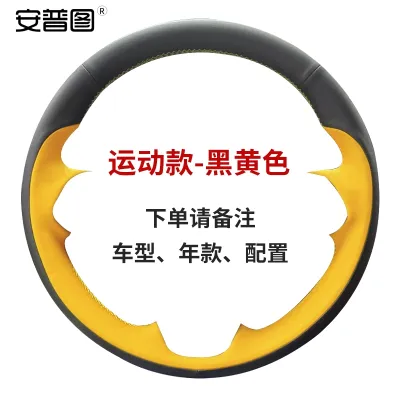
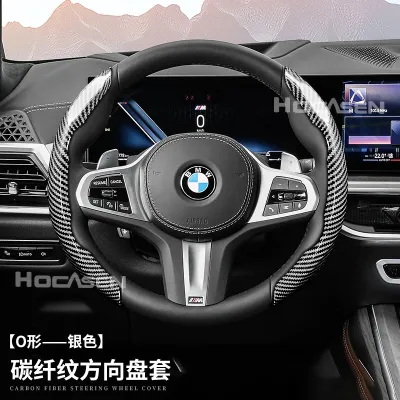
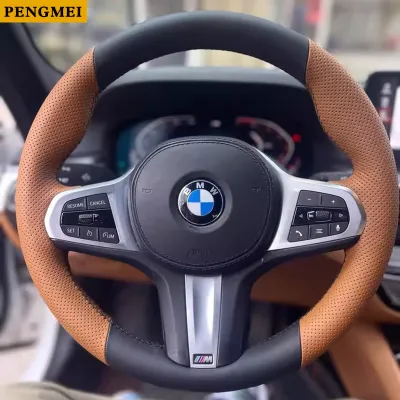
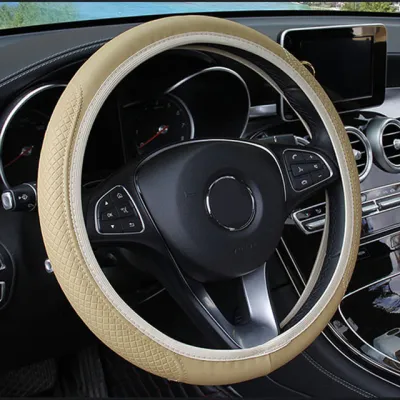
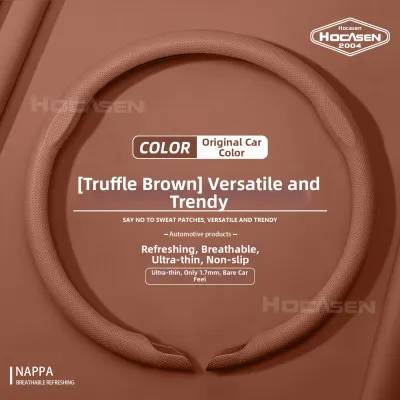
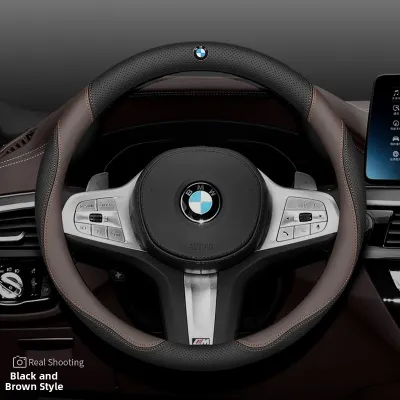
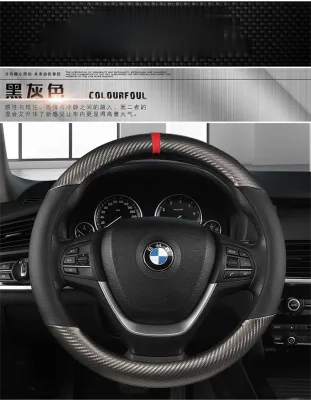
Prices are valid at publication and may change. Please refer to the product page for the latest price.
Slipping is the most significant risk associated with an ill-fitting steering wheel cover. If a cover slides around the wheel rim during a sudden turn or emergency maneuver, you can lose control of the vehicle. Additionally, an oversized cover can block your view of the digital instrument cluster or the Head-Up Display projection area, forcing you into an awkward seating posture.
To ensure a safe and visually seamless fit, you must match any cover or wrap to your specific BMW chassis code (such as the G20 for the 3 Series, F30 for the older generation, or G30 for the 5 Series) rather than relying on generic “BMW compatible” claims. The steering wheel architecture changes significantly between generations, and even within the same model year, a standard trim and an M Sport trim will require completely different cover designs.
Genuine Leather vs. Suede: Choosing the Right Material
Choosing between genuine leather and suede (including synthetic alternatives like Alcantara) depends heavily on your driving style, aesthetic preferences, and willingness to perform regular maintenance. Both materials offer distinct tactile benefits, but they behave very differently under daily use.

Genuine leather remains the benchmark for classic luxury and long-term durability. It offers a smooth, firm grip that gradually conforms to the shape of your hands over time, developing a unique patina. High-quality leather is exceptionally resilient against friction and resists the natural oils and sweat from your palms. Cleaning is straightforward, requiring only a gentle wipe with a damp cloth or a dedicated automotive leather cleaner. However, leather is highly sensitive to temperature; if your car is parked in direct sunlight, the steering wheel can become uncomfortably hot to the touch.
Suede and Alcantara, on the other hand, provide an immediate sporty aesthetic reminiscent of track-focused M Performance models. These materials offer exceptional grip, particularly during spirited driving where hand sweat might cause slip on smooth leather. They are also highly temperature-neutral, remaining comfortable to touch even after hours of exposure to intense sunlight. It is important to note that while genuine suede is made from animal hide, Alcantara is a proprietary synthetic microfiber. Alcantara is generally preferred for steering wheels because it is engineered to be more durable and resistant to matting than natural suede.
Despite their performance advantages, suede and Alcantara require a strict maintenance routine. The fibrous nap of these materials easily traps hand oils, dirt, and dead skin cells. Over time, this buildup causes the fibers to mat down, turning the soft grip into a slick, shiny, and unappealing surface. To prevent this, you must regularly use a specialized soft-bristle brush and a dedicated suede cleaner to lift the fibers and extract oils. If you prefer a low-maintenance cabin, genuine leather is the more practical choice for a daily commuter.
Slip-On vs. Stitch-On: Which Installation Method is Best?
The installation method directly impacts both the appearance and the safety of your steering wheel cover. You must choose between the convenience of a slip-on cover and the permanent, factory-like finish of a stitch-on wrap.
Slip-on covers are designed for rapid installation, stretching over the existing steering wheel in a matter of minutes. They are highly convenient if you want a temporary solution or wish to protect the original leather for resale. However, slip-on covers have distinct drawbacks. They add significant bulk to the steering wheel, which can feel uncomfortable for drivers with smaller hands and can dull the feedback you receive from the road. Because they rely solely on tension and an inner rubber grip to stay in place, they are prone to shifting over time, especially on contoured M Sport wheels where they cannot make full contact with the rim.
Stitch-on wraps represent the gold standard for aftermarket steering wheel customization. These kits are custom-patterned to wrap tightly around the entire circumference of your specific wheel model, including the spokes and thumb rests. Once hand-stitched into place, the wrap becomes an extension of the wheel itself, preserving the original ergonomics, grip diameter, and tactile feedback. Because they are secured with high-strength thread laced through pre-punched holes, there is zero risk of the wrap slipping or shifting during driving.
For any BMW owner—particularly those with M Sport or M Performance wheels—a custom stitch-on wrap is highly recommended. While a slip-on cover can suffice for standard, uniform round wheels, it cannot accommodate the complex contours of a performance-oriented BMW wheel without looking bulky and fitting loosely. The seamless integration of a stitch-on wrap preserves the premium interior design that defines the BMW driving experience.
Recommended Steering Wheel Cover Solutions for BMW
When selecting a steering wheel cover solution, you must match the product type to your specific steering wheel design, your installation comfort level, and your vehicle’s integrated technology.
Custom Stitch-On Wraps (Ideal for M Sport and Contoured Grips)
Custom stitch-on wraps are engineered to provide a factory-installed appearance. These kits are laser-cut to match the exact chassis code and steering wheel variant of your BMW, ensuring that the material wraps perfectly around the back of the spokes and lines up flush with the multi-function button trim.
These kits typically include high-strength waxed thread, specialized blunt-tip sewing needles, a thimble, and thin double-sided adhesive tape. The tape is applied sparingly to key areas of the steering wheel to prevent the leather or suede from twisting while you perform the stitch work. The stitching process does not require piercing the leather itself; instead, you thread the needle through the existing, pre-punched borders of the wrap, pulling the two edges tightly together.
While the result is visually stunning and highly secure, it requires patience. Completing a full stitch-on wrap typically takes between one and three hours of meticulous hand-stitching. If you are uncomfortable with DIY projects, you can purchase the kit and have it fitted by a professional automotive upholstery or trim shop to ensure a flawless finish around the spoke transitions. These custom kits are highly affordable, typically ranging from S$30 to S$80, making them a cost-effective way to achieve a premium interior upgrade.
Premium Slip-On Covers (Best for Standard Round Wheels)
If you opt for a slip-on cover for a standard round BMW steering wheel, you must avoid cheap, bulky universal options. Look for premium, ultra-thin profiles made from genuine leather or high-grade microfiber suede. These high-end options utilize a thin, odorless, and eco-friendly inner rubber lining that provides high friction against the original wheel without adding excessive thickness.
A premium slip-on cover should maintain a sleek profile that does not interfere with your grip or make the wheel feel unnaturally thick. When purchasing, you must check the outer diameter of your steering wheel. Most standard BMW steering wheels have an outer diameter of approximately 37 to 38 centimeters, but you must measure your specific wheel to ensure a tight, safe fit.
Additionally, ensure that the edges of the slip-on cover are cleanly finished and do not overlap or press against the plastic trim surrounding your steering wheel’s multi-function buttons. Any pressure on these trim pieces can cause friction squeaks or, worse, cause buttons to stick. Premium slip-on covers generally range from S$40 to S$100, depending on the authenticity of the leather or suede used.
OEM-Style Replacement Wheels (For Paddle Shifters and Displays)
For owners of modern BMWs equipped with advanced features—such as integrated LED shift lights, digital displays, complex paddle shifters, or steering wheel heating—traditional covers may not be suitable. If your original steering wheel has suffered severe physical damage, or if you want an absolute OEM-grade upgrade, replacing the entire steering wheel assembly is the most appropriate course of action.
These replacement units are built on original BMW steering wheel cores, which are then professionally re-wrapped in premium leather, Alcantara, or carbon fiber by specialized manufacturers. This ensures that all factory mounting points, wiring harnesses, and safety systems remain fully compatible.
Working on the steering wheel assembly involves handling critical safety components, including the driver’s airbag module, the clock spring, and the steering angle sensors. Incorrect installation can result in airbag failure, steering calibration errors, or unexpected warning lights on your dashboard. Therefore, before undertaking any replacement, you must consult your vehicle’s original workshop manual and have the installation performed by a qualified automotive technician who can properly calibrate the steering sensors and safely handle the airbag connectors. A full replacement assembly is a premium investment, often ranging from S$800 to over S$2,000 depending on the materials and integrated electronics.
How to Measure and Verify Compatibility Before Buying
To avoid the frustration of purchasing a cover that does not fit, you must take precise measurements of your steering wheel and verify your vehicle’s specifications.
First, measure the outer diameter of your steering wheel. Using a rigid measuring tape, measure across the widest part of the wheel from the outermost edge on one side to the outermost edge on the opposite side. Most BMW steering wheels fall into the 37 cm to 38 cm range, but older classic models or specific M performance variants may vary.
Second, measure the grip circumference. Wrap a flexible tailor’s measuring tape around the rim at its thickest point, typically near the 10 or 2 o’clock positions. This measurement is critical for stitch-on wraps, as even a millimeter of excess material will cause the leather to bunch up once stitched, while a wrap that is too narrow will leave an unsightly gap along the inner seam.
Finally, verify your BMW’s exact chassis generation and trim level. You can locate your vehicle’s chassis code (such as F30, G20, or E90) by looking up your Vehicle Identification Number (VIN) in an online BMW decoder or checking your vehicle registration documents. When browsing product listings, do not rely solely on the model year, as BMW often overlaps older and newer generations during transition years. Cross-reference the shape of your steering wheel’s airbag module (round vs. trapezoidal) and the layout of the spoke buttons with the compatibility photos provided by the manufacturer.
Caring for Leather and Suede in a Tropical Climate
Operating a vehicle in a hot and humid tropical climate like Singapore presents unique challenges for organic interior materials. High humidity combined with intense sunlight can accelerate the deterioration of both genuine leather and suede steering wheel covers if they are not properly protected.
Sun Protection: Direct ultraviolet (UV) radiation is the primary enemy of steering wheel covers. Prolonged exposure to intense sunlight dries out the natural oils in genuine leather, leading to cracking, shrinking, and color fading. For suede and Alcantara, UV rays can break down the fibers, causing them to become brittle and lose their soft texture. Always use a high-quality, reflective windshield sunshade when parking your BMW outdoors or in open-air car parks. If possible, park in shaded multi-storey car parks to minimize direct thermal loading on the cabin interior.
Humidity and Moisture Control: Singapore’s high relative humidity creates an environment highly conducive to mold and mildew growth, particularly on organic genuine leather that has absorbed sweat and skin oils. To combat this, keep your vehicle’s cabin dry by utilizing the air conditioning system’s dehumidifying function during your drives. If the car has been parked in the rain or high humidity, avoid leaving damp items inside the cabin, and consider using a passive moisture absorber in the cabin when the vehicle is parked for extended periods.
Cleaning Routine: Establish a regular cleaning routine to prevent the buildup of destructive oils and dirt. For genuine leather covers, wipe the surface down weekly with a slightly damp, clean microfiber cloth to remove surface dust and sweat. Avoid using harsh household detergents or chemical degreasers, which strip the leather’s protective finish; instead, apply a dedicated automotive leather cleaner and conditioner every few months to keep the material supple.
For suede and Alcantara covers, use a dedicated soft-bristle suede brush weekly to gently brush the nap in multiple directions, lifting trapped dust and restoring the soft texture. If the material becomes soiled or starts to feel slick, use a specialized suede eraser or a dedicated Alcantara cleaner sprayed lightly onto a microfiber cloth. Gently blot the area without saturating the material, as excess water can stain or permanently damage the delicate backing of suede and Alcantara.
Frequently Asked Questions (FAQ)
Will a standard round cover fit a BMW M Sport steering wheel?
No, a standard round slip-on cover will not fit a BMW M Sport steering wheel properly. M Sport wheels feature pronounced thumb rests, thicker grip profiles, and sometimes flat-bottomed shapes that break the uniform circle of a standard wheel. Attempting to force a standard round cover onto an M Sport wheel will result in a loose, unsafe fit, with visible air gaps and excess material that can slide during steering inputs or block access to the multi-function buttons.
Does a cover block the heated steering wheel function?
Yes, adding any steering wheel cover will reduce the effectiveness of the heated steering wheel function. The cover acts as an insulating barrier between the heating elements inside the OEM wheel and your hands. A thin, custom stitch-on genuine leather wrap will allow some heat to pass through, though it will take longer to warm up. Conversely, a thick, padded slip-on cover with a heavy rubber inner lining will block the heat almost entirely.
Is Alcantara the same as suede for steering wheel covers?
No, Alcantara and suede are distinct materials despite their very similar appearance and texture. Suede is a natural leather product made from the underside of animal hide, making it soft but highly susceptible to moisture and oil damage. Alcantara is a proprietary, synthetic microfiber material composed of polyester and polyurethane. It is specifically engineered for high-performance automotive interiors, offering superior durability, greater resistance to wear and moisture, and better grip under extreme conditions compared to natural suede.
Community discussion
Share your experience or ask a question. Comments are reviewed before publication.