
Quick Guide to Honda Fit Spoilers in Singapore
Upgrading your Honda Fit with a rear spoiler is an excellent way to enhance its visual profile, giving this popular hatchback a sportier, more dynamic silhouette. However, navigating the Singapore market requires a careful balance between personal styling preferences and strict local regulations. The Land Transport Authority (LTA) maintains precise guidelines regarding aftermarket body kits, making compliance your first and most critical consideration before making any purchase.
To ensure a successful and hassle-free upgrade, your buying process should follow a clear, logical path. First, you must identify your exact Honda Fit generation and chassis code, as mounting points and hatch contours vary significantly between model years. Next, you need to select a spoiler style that aligns with your aesthetic goals while remaining fully LTA-compliant. From there, choosing a durable material that can withstand Singapore’s demanding tropical climate is essential. Finally, verifying physical fitment and planning a secure, professional installation will protect your vehicle’s structural integrity and keep your insurance coverage intact.
LTA Compliance: What You Must Know Before Buying
Singapore’s Land Transport Authority (LTA) regulates all vehicle modifications to ensure public safety, structural integrity, and environmental standards. Under the current LTA framework, aerodynamic body kits—including rear spoilers—are classified as modifications that do not require pre-approval, provided they strictly adhere to specific safety parameters. Understanding these boundaries is essential to avoid costly penalties.
Products mentioned in this guide
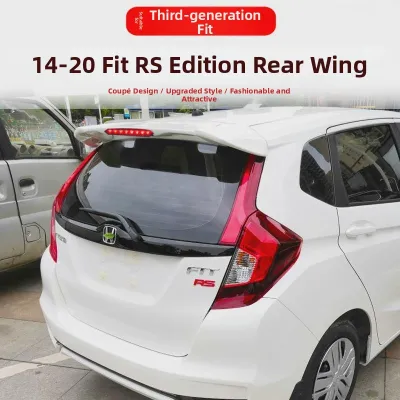
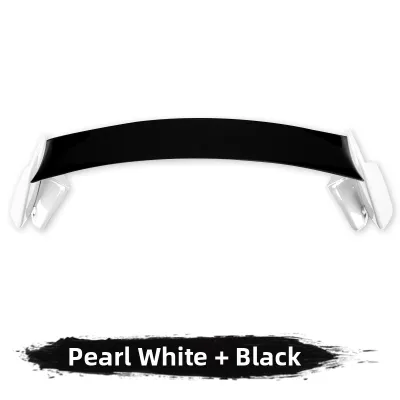
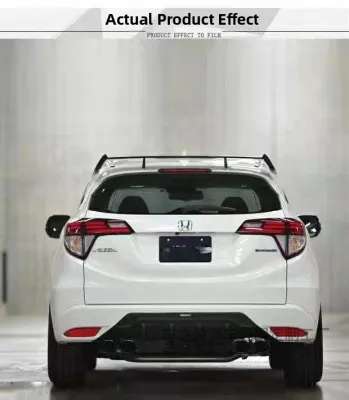
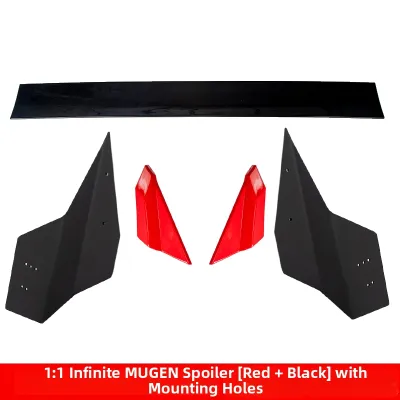

Prices are valid at publication and may change. Please refer to the product page for the latest price.

First, any aftermarket spoiler must not protrude beyond the original physical dimensions of the vehicle. This means the spoiler cannot extend past the outermost width of your Honda Fit’s body panels (excluding the side mirrors) or project further back than the rear bumper’s vertical plane. Second, the accessory must be securely mounted and free of sharp edges, corners, or protrusions that could pose a safety hazard to pedestrians or other road users in a collision. Generally, any exposed edges must have a radius of curvature of at least 2.5 millimetres. Third, the spoiler must not obstruct your rearward visibility, block the operational path of the rear windscreen wiper, or obscure the high-mount stop lamp (third brake light) and license plate.
Before finalizing a purchase, you should consult the latest LTA vehicle modification guidelines or seek advice from an LTA-authorized workshop. Non-compliance carries severe consequences. During your periodic vehicle inspections at authorized centers like VICOM or STA, an illegal or improperly installed spoiler will result in an immediate failure. You will be required to remove or rectify the modification and undergo a paid re-inspection before your road tax can be renewed. Furthermore, operating a non-compliant vehicle on public roads can lead to hefty fines and prosecution under the Road Traffic Act.
Insurance implications are equally critical. Most motor insurance providers in Singapore require policyholders to declare all modifications, even those that are LTA-compliant. If your vehicle is involved in an accident and is found to have an undeclared or non-compliant spoiler, your insurer may void your policy or reject your claims entirely, leaving you personally liable for third-party damages and your own vehicle repairs.
Be particularly cautious when browsing overseas e-commerce platforms or online marketplaces. While these listings often promise universal compatibility or aggressive styling at low prices, they are rarely designed with Singapore’s strict LTA regulations in mind. Highly aggressive designs, such as aluminum GT wings with sharp metal endplates, are almost universally illegal for street use in Singapore due to the laceration hazard they present. Purchasing from a reputable local automotive accessory shop or a specialized local workshop is highly recommended. Local merchants are familiar with LTA boundaries and can provide compliance assurances, proper paint matching, and professional installation services that meet local standards.
How to Choose the Right Spoiler for Your Honda Fit Generation
Identify Your Chassis Code
The Honda Fit (also sold as the Honda Jazz via authorized distributors) has a rich history spanning over two decades and four distinct generations. Each generation features a completely unique rear hatch contour, roofline curvature, and mounting point layout. Attempting to fit a spoiler designed for one generation onto another will result in severe alignment issues, water leaks, or an insecure mount that could detach at highway speeds.
You must identify your specific chassis code before shopping:
- First Generation (GD1/GD3, 2001–2007): Characterized by a more rounded, classic hatchback shape.
- Second Generation (GE6/GE8, 2007–2013): Features a sharper, more wedge-like profile with a wider stance.
- Third Generation (GK3/GK5, 2013–2020): Showcases highly sculpted side panels and a more angular, modern rear hatch.
- Fourth Generation (GR1/GR2/GR3/GR9, 2020–present): Adopts a cleaner, minimalist design language with a flatter rear profile.
Always check your vehicle log card via the OneMotoring portal to confirm your exact model year and chassis prefix. This prevents purchasing parts meant for parallel-import Fit models that might differ slightly from agent-distributed Jazz models, particularly regarding trim packages like the RS or Mugen-style body kits.
Material Comparison
The material of your spoiler dictates its durability, weight, paint finish quality, and how well it withstands Singapore’s intense tropical sun and heavy downpours. Understanding the trade-offs of each material will help you make a cost-effective choice.
- ABS Plastic: This is the industry standard for original equipment manufacturer (OEM) parts. ABS plastic is highly durable, impact-resistant, and relatively lightweight. It offers excellent dimensional stability, meaning it will not warp under the intense heat of a Singapore afternoon. ABS parts typically come with a smooth, primer-ready surface that local paint shops can easily color-match to your Fit's factory paint. ABS sits in the mid-range of pricing and offers the best balance of cost and longevity.
- Fiberglass (FRP – Fiber Reinforced Plastic): Fiberglass is a popular choice for aftermarket replica kits due to its low production cost. It is highly rigid and can be molded into complex, aggressive shapes. However, FRP is more brittle than ABS and is prone to cracking upon minor impacts. It also requires significant prep work (sanding and priming) by a professional painter to achieve a smooth finish, which can drive up your total installation costs.
- Carbon Fiber: For enthusiasts seeking a premium, motorsport-inspired look, carbon fiber is the ultimate option. It is exceptionally lightweight and strong. However, carbon fiber is expensive and highly sensitive to ultraviolet (UV) radiation. In Singapore's year-round sunny climate, lower-quality carbon fiber spoilers without a high-quality, UV-resistant clear coat will yellow, haze, or delaminate over time. Regular application of a UV-blocking sealant or ceramic coating is essential to preserve its appearance.
- Polyurethane (PU): Polyurethane is highly flexible and virtually indestructible under normal driving conditions, as it bends rather than cracks upon impact. This flexibility is highly beneficial in tight, low-clearance Singapore multi-storey car parks where a spoiler might scrape against low-hanging pipes or concrete beams. However, PU is heavier than other materials and can warp or sag if exposed to prolonged, intense heat without proper mounting support. It also requires specialized paint additives (flex agents) to prevent the paint from cracking when the material flexes.
Fitment Verification
Never rely solely on generic product titles like “Honda Fit Spoiler.” Always cross-reference the manufacturer’s part number or detailed product description with your specific vehicle year, trim level, and chassis code. If your Fit features an existing factory spoiler, you must also verify whether the aftermarket option is designed to replace it entirely or sit on top of it. When in doubt, provide your vehicle’s chassis number to a reputable local dealer to verify compatibility before making a payment.
Recommended Honda Fit Spoiler Styles and Options
To help you choose, let’s explore the three primary spoiler styles available for the Honda Fit in Singapore, analyzing how each style balances visual appeal, daily usability, and regulatory compliance.
Lip Spoilers (Flush Mount)
- Best for: Subtle aesthetic upgrades, daily commuting, and buyers prioritizing hassle-free LTA compliance.
- Characteristics: Lip spoilers, also known as ducktail or flush-mount spoilers, sit flat against the trailing edge of the rear hatch. They are designed to extend the roofline slightly, creating a sleeker silhouette without adding significant height or bulk. Because they do not feature pedestals or open gaps, they blend seamlessly with the Honda Fit's original design. Installation is highly non-invasive, typically relying entirely on automotive-grade double-sided adhesive tape rather than drilling.
- Buying Advice: When purchasing a lip spoiler, prioritize options that include high-quality, genuine automotive adhesives, such as 3M VHB tape. Inferior adhesives will degrade rapidly under Singapore's frequent heavy rain and high humidity, posing a risk of the spoiler detaching at high speeds. Verify whether the spoiler comes pre-painted in your exact Honda color code (such as Taffeta White or Crystal Black Pearl) or if you will need to budget for professional paint matching at a local workshop.
Wing Spoilers (Raised)
- Best for: Enthusiasts seeking aggressive, track-inspired styling and a sportier silhouette.
- Characteristics: Raised wing spoilers are mounted on pedestals or brackets, creating a distinct gap between the wing blade and the rear hatch. This style is heavily inspired by high-performance models like the Honda Civic Type R or specialized tuner editions (such as Mugen or Spoon designs). Because they are subjected to significant aerodynamic drag, wing spoilers must be securely anchored, which almost always requires drilling into the metal or composite structure of your hatch.
- Buying Advice: Under LTA rules, the raised wing must not exceed the original height of your vehicle's roofline. Carefully measure the dimensions of the wing and its mounting pedestals before purchasing. Additionally, ensure the mounting kit includes high-quality rubber gaskets and waterproof silicone sealants to prevent rainwater from seeping into your trunk through the drilled holes. If the wing includes an integrated third brake light, the wiring must be professionally routed and connected to your vehicle's electrical system without splicing that could void your manufacturer warranty.
Roof Spoilers
- Best for: Enhancing the rear profile of the hatchback without altering the lower trunk lid or interfering with rear visibility.
- Characteristics: Roof spoilers mount directly to the top trailing edge of the rear hatch, extending the roofline upward and outward. They help channel airflow cleanly away from the rear glass, which can reduce dust and water accumulation on the rear window during wet weather. This style is highly popular for the Honda Fit as it accentuates the car's natural hatchback proportions.
- Buying Advice: Before finalizing your purchase, verify that the roof spoiler does not obstruct the high-mount stop lamp or interfere with the operational arc of the rear windscreen wiper. Some wider or more aggressive roof spoilers can contact the rear wiper blade or block its path when activated. Additionally, check that the spoiler does not pinch or damage the rubber weather stripping around the rear hatch opening, which could lead to cabin water leaks during Singapore's intense monsoon seasons.
Installation, Fitment, and Maintenance Tips
Installation Methods
Choosing the right installation method is critical for both safety and durability. Adhesive-only installations are suitable for lightweight lip or roof spoilers. However, the surface preparation must be flawless. The mounting area must be thoroughly cleaned with isopropyl alcohol to remove all wax, grease, and road grime before applying the adhesive. The installation should ideally be done in a dry, shaded environment, allowing the adhesive to cure fully for at least 24 hours before exposing the vehicle to rain or highway speeds.
For raised wing spoilers or heavier polyurethane units, a bolt-on installation is mandatory. Because this process involves drilling holes into your vehicle’s rear hatch, we strongly recommend having this done by a professional automotive workshop in Singapore. Professional installers have the specialized tools and templates required to ensure perfect alignment. They will also apply rust-inhibiting primer to the bare metal edges of the drilled holes and use automotive-grade sealant to create a completely waterproof barrier, protecting your vehicle’s structural integrity.
Pre-Installation Checks
Always perform a dry test-fit of the spoiler before applying any adhesive, primer, or paint. Hold the unpainted spoiler against your Honda Fit’s hatch to check for panel gaps, contour mismatches, or warping. It is far easier to return or modify a defective part before it has been painted or glued to your car.
Maintenance
Singapore’s tropical climate—marked by intense UV exposure, high humidity, and acidic rain—demands diligent maintenance to keep your spoiler looking its best.
For carbon fiber spoilers, apply a high-quality UV-blocking sealant, wax, or ceramic coating at least once every six months to prevent the clear coat from yellowing or clouding. When washing your vehicle, use non-abrasive car wash soaps and microfiber cloths to avoid scratching painted or carbon finishes. Avoid high-pressure jet washes directed closely at the edges of adhesive-mounted spoilers, as the intense pressure can compromise the adhesive bond over time.
Periodically inspect the mounting points of your spoiler. For adhesive mounts, gently wiggle the spoiler to ensure the tape remains firmly bonded. For bolt-on wings, check the interior of the hatch for any signs of moisture ingress, rust, or loose mounting nuts, tightening them to the manufacturer’s specified torque if necessary.
Frequently Asked Questions (FAQ)
Will adding a spoiler affect my Honda Fit's fuel efficiency?
While spoilers are engineered to manage airflow, reduce lift, and minimize drag at high speeds, their impact on a compact hatchback like the Honda Fit during typical Singapore city driving is virtually negligible. Because the majority of daily driving in Singapore occurs at lower speeds in stop-and-go traffic, any aerodynamic benefits or drag penalties are minimal. You will not notice a measurable change in your fuel consumption under normal commuting conditions.
Can I install a Honda Fit spoiler myself at home?
Yes, but only if you are installing a lightweight, adhesive-only lip or roof spoiler. This DIY project requires patience, meticulous surface preparation, and precise alignment. However, for any spoiler that requires drilling into the bodywork, complex alignment, or electrical wiring for an integrated brake light, DIY installation is not recommended. These tasks should be left to a qualified professional at a reputable local workshop to ensure safety, structural integrity, and waterproofing.
Do I need to declare my new spoiler to my car insurance provider?
Yes. In Singapore, most motor insurance policies require policyholders to declare any modifications made to the vehicle, regardless of whether they are LTA-compliant. Adding an aftermarket spoiler is considered an aesthetic and aerodynamic modification. Failing to declare it can give your insurer grounds to void your policy or reject a claim in the event of an accident. Always contact your insurance agent to update your vehicle profile before or immediately after installing the spoiler.
Community discussion
Share your experience or ask a question. Comments are reviewed before publication.