
A 36cm steering wheel—often designated as a “Small” or “Size S” in aftermarket accessories—is standard on many compact hatchbacks, sports coupes, and performance-oriented sedans. Because your steering wheel is the primary point of tactile feedback and vehicle control, upgrading its surface with a high-quality cover can dramatically improve comfort, aesthetics, and driving safety. However, selecting the right cover requires a clear understanding of materials, precise sizing, and the mechanical security of the installation.
For drivers seeking a premium upgrade, the choice typically comes down to genuine leather and high-grade suede (or synthetic microfiber suede, such as Alcantara). Genuine leather offers a classic, durable, and easily maintained surface that ages beautifully with a natural patina. On the other hand, suede provides an aggressive, high-friction grip and a motorsport-inspired aesthetic that excels during spirited driving. In humid environments, such as Singapore’s tropical climate, these materials behave differently under hand sweat and heat, making your choice of material and installation method critical to long-term satisfaction.
To help you make an informed decision, this guide breaks down the performance characteristics of genuine leather versus suede, provides step-by-step measurement instructions, evaluates the best design styles, and details how to maintain your cover to ensure it remains safe and comfortable for years to come.
Products mentioned in this guide
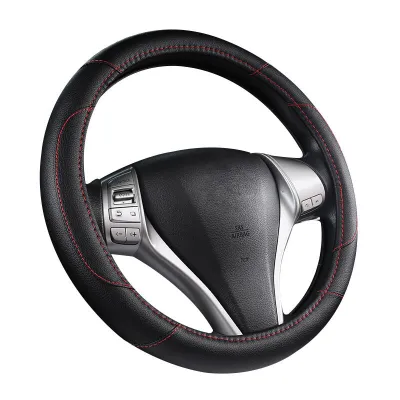
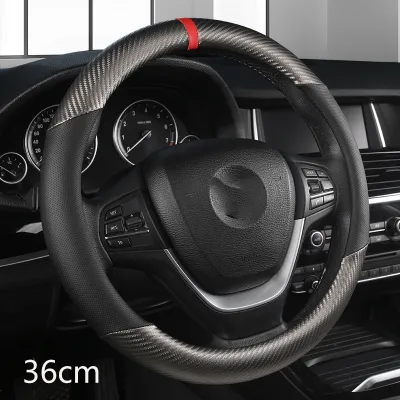
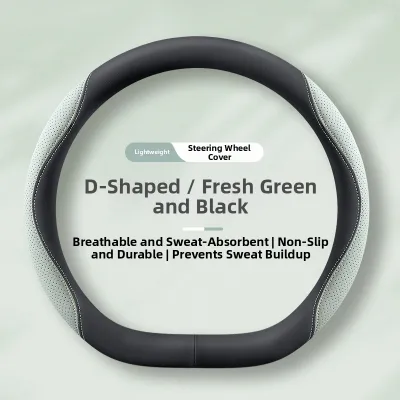

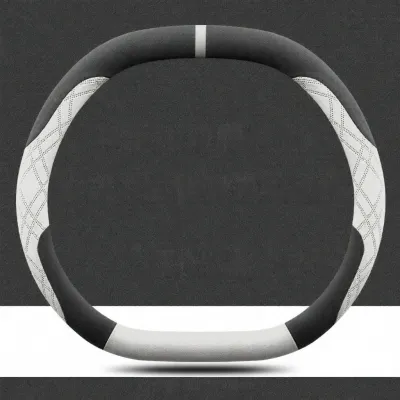
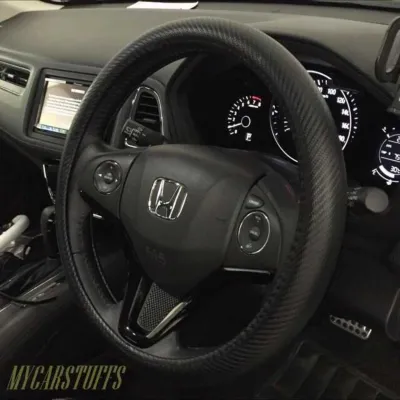
Prices are valid at publication and may change. Please refer to the product page for the latest price.
Genuine Leather vs. Suede: Which Material Suits Your Driving Style?
Selecting between genuine leather and suede is not merely an aesthetic choice; it directly impacts how your vehicle responds to your inputs and how much effort you must dedicate to interior upkeep.
Genuine Leather is the traditional benchmark for luxury and durability. High-quality steering wheel covers utilize top-grain or full-grain steerhide, which retains the natural strength and breathability of the animal hide. Over months and years of use, genuine leather absorbs a small amount of oil from your hands, developing a smooth, polished patina that many drivers find highly appealing. It is exceptionally resilient against wear, resisting scratches, UV degradation from intense tropical sunlight, and moisture penetration. Cleaning is incredibly simple, requiring little more than a quick wipe with a damp cloth. However, smooth leather can become somewhat slippery if your hands are heavily sweaty or wet, which is a common challenge during warm commutes. To counter this, many premium leather covers feature perforated sections at the primary grip points to encourage airflow and reduce moisture buildup.
Suede and Alcantara-style Microfiber offer an entirely different driving sensation centered around high-performance grip. While genuine suede is made from the underside of animal hide, modern automotive applications frequently utilize synthetic microfiber suede (such as Alcantara or Dinamica) due to its superior resistance to UV fading and heat. Suede features a raised, fibrous texture known as the “nap.” This nap creates immense mechanical friction against your palms, allowing you to maintain a secure hold on the wheel with minimal squeezing force. Additionally, suede is highly breathable and naturally wicks moisture away from your skin, ensuring a dry, confident grip even during high-stress driving maneuvers. The primary trade-off is maintenance. The porous, fibrous structure of suede acts like a magnet for dust, hand oils, sweat, and dead skin cells. Over time, these contaminants clog the fibers, causing them to mat down into a smooth, shiny, and slippery surface that requires specialized cleaning to restore.
Decision Framework: To choose the ideal material, analyze your daily driving habits and maintenance preferences. If your vehicle is a daily commuter, family SUV, or luxury sedan where convenience and long-term durability are paramount, genuine leather is almost always the superior choice. It handles the wear and tear of daily life with minimal fuss. Conversely, if you drive a sports car, participate in weekend track days, or simply prioritize maximum steering feedback and physical grip, suede is highly advantageous. Suede is also excellent for drivers whose hands sweat heavily, provided they are willing to commit to regular cleaning and brushing.
How to Accurately Measure Your 36cm Steering Wheel for a Perfect Fit
A steering wheel cover must fit with absolute precision. Because you rely on the steering wheel to guide your vehicle during emergency maneuvers, any play, slippage, or rotation between the cover and the wheel rim is an immediate safety hazard. While many manufacturers label their covers by generic sizes (such as “Small” or “Size S”), you must verify the physical dimensions of your specific steering wheel before purchasing.

Outer Diameter: To measure the outer diameter, park your vehicle with the front wheels pointing straight ahead. Use a rigid tape measure or a long ruler. Place one end of the measuring tool on the outermost edge of the steering wheel rim, pass directly over the center emblem (the horn button), and measure to the opposite outermost edge. For a 36cm cover, this measurement should read exactly 36 centimeters (or approximately 14.17 inches). Many compact cars, such as the Honda Jazz, Mazda 2, and Suzuki Swift, as well as sports models like the Toyota 86 or Subaru BRZ, utilize steering wheels in this 36cm range.
Grip Thickness (Circumference): The outer diameter is only half of the equation; you must also measure the thickness of the rim itself, known as the grip circumference. Wrap a flexible sewing tape measure tightly around the rim at a clean section (typically at the 10 o’clock or 2 o’clock position, away from any spokes). A standard 36cm steering wheel typically features a grip circumference between 10cm and 11cm. If your vehicle has an exceptionally thick sport steering wheel or a very thin classic wheel, a standard slip-on cover may not close properly or may fit too loosely.
Safety Warning: Never attempt to stretch a 36cm cover onto a larger wheel, nor should you install a larger cover (such as a standard 38cm version) onto a 36cm wheel. A loose cover will rotate independently of the wheel during sudden steering inputs, potentially causing a loss of control. Furthermore, if your steering wheel features a non-circular shape—such as a flat-bottom “D-shape” common in modern sporty vehicles—you must purchase a cover explicitly contoured for that shape. A standard circular cover will not conform to a flat-bottom wheel, leaving dangerous pockets of loose material.
Obstruction Check: Before finalizing your purchase, inspect the front and rear of your steering wheel. Note the placement of paddle shifters, cruise control stalks, and multifunction buttons. A bulky slip-on cover can easily obstruct the clearance behind the wheel, making it difficult to reach paddle shifters or causing your fingers to accidentally trigger buttons. If your vehicle features a heated steering wheel, be aware that any thick aftermarket cover will significantly insulate and reduce the heat transfer to your hands.
Top Genuine Leather Steering Wheel Cover Styles to Consider
When shopping for a genuine leather cover, look for products that specify the use of top-grain or full-grain leather. Avoid products labeled as “leatherette,” “PU leather,” or “carbon fiber leather,” as these are synthetic polyurethane materials that do not offer the breathability, durability, or premium tactile feel of real animal hide. Additionally, ensure the cover utilizes heavy-duty, UV-resistant nylon stitching and features a high-quality backing material. In Singapore, high-quality hand-stitched wraps typically range from S$40 to S$100, while premium slip-on options can range from S$20 to S$60.
Full-Grain Leather Hand-Stitched Wraps
Hand-stitched wraps represent the pinnacle of aftermarket steering wheel upgrades, offering a highly customized, factory-original appearance. These covers consist of a flat, precisely cut strip of genuine leather that wraps entirely around the steering wheel rim. The edges of the strip are pre-punched with heavy-duty thread loops, allowing you to sew the cover together using a blunt needle and high-tensile thread.
- Characteristics: The wrap is designed to fit the exact 36cm diameter and specific grip circumference of your wheel. It covers not only the outer rim but also wraps partially around the spokes for a seamless look.
- Pros: Once stitched, there is absolutely zero risk of the cover slipping or rotating, even under extreme steering loads. Because it does not rely on a thick rubber inner ring, it adds virtually no unnecessary bulk, preserving the original ergonomic design of the steering wheel. It also allows you to customize the stitching pattern and thread color (such as sporty red or blue stitching) to match your interior.
- Cons: The primary drawback is the installation process. Properly stitching a steering wheel wrap requires patience, basic manual dexterity, and approximately one to three hours of focused labor.
- Best For: Automotive enthusiasts, luxury car owners, and drivers who want a permanent, high-end upgrade that looks and feels like a factory-installed leather steering wheel.
Pre-Shaped Slip-On Leather Covers
For drivers who want the benefits of genuine leather without the time-consuming installation process, pre-shaped slip-on covers offer a highly convenient alternative. These covers consist of a semi-rigid, ring-shaped inner core—usually made of rubber or silicone—wrapped in a layer of genuine leather.
- Characteristics: The cover is pre-molded to a circular shape and must be stretched over the steering wheel rim using physical force.
- Pros: Installation is incredibly fast, typically taking less than five minutes with no tools required. They are also easy to remove, making them ideal for leased vehicles or temporary use.
- Cons: Slip-on covers add significant thickness and bulk to the steering wheel, which may feel uncomfortable for drivers with smaller hands. More importantly, if the inner core degrades or if the sizing is not an exact match for your 36cm wheel, the cover can slip dangerously during tight turns.
- Buying Requirement: Always select a slip-on cover that features a highly textured, non-slip rubber or silicone inner lining. Avoid cheap covers with smooth plastic interiors, as they lack the friction necessary to grip the original steering wheel securely.
Top Suede and Alcantara-Style Steering Wheel Cover Styles to Consider
Suede and Alcantara-style covers are highly favored in sports and performance cars due to their aggressive grip and racing heritage. When evaluating these covers, look for high-grade synthetic microfiber suede rather than cheap polyester imitations. Microfiber suede offers excellent resistance to pilling, tearing, and UV exposure while maintaining a soft, luxurious nap.
Pure Microfiber Suede Hand-Stitched Wraps
For performance-oriented drivers, a full microfiber suede hand-stitched wrap provides the ultimate connection to the road. Similar to leather wraps, these are stitched directly onto the wheel rim for a perfect, low-profile fit.
- Characteristics: The entire surface of the wrap is composed of premium microfiber suede, providing a uniform, high-friction texture around the entire circumference of the wheel.
- Pros: This style offers unmatched dry grip and exceptional sweat absorption. It provides a tactile, connected feel that is highly beneficial during track days or spirited driving on winding roads. It also prevents the steering wheel from feeling burning hot after parking in direct sunlight.
- Cons: Because the entire wheel is covered in suede, the areas where you rest your hands will rapidly accumulate sweat, hand oils, and dirt. This setup requires frequent, dedicated maintenance to prevent the suede from matting down and losing its grip.
- Best For: Sports cars, track-day vehicles, and dedicated driving enthusiasts who prioritize maximum tactile feedback and are willing to perform regular cleaning.
Hybrid Suede and Leather Grip Covers
Hybrid covers offer an intelligent compromise by combining the high-friction grip of suede with the low-maintenance durability of genuine leather. These covers are strategically designed to place each material where it is most effective.
- Characteristics: These covers typically feature high-grip suede panels at the sides (the 3 o'clock and 9 o'clock positions) where your hands rest during standard driving. The top and bottom sections (the 12 o'clock and 6 o'clock positions) are wrapped in smooth or perforated genuine leather.
- Pros: By placing leather at the top and bottom, the cover resists wear from "palm-steering" during tight parking maneuvers, which is when suede is most vulnerable to friction damage. It provides excellent grip where you need it most while significantly reducing the overall maintenance required. Many hybrid designs also feature ergonomic thumb rests and contoured side bolsters for enhanced comfort.
- Cons: Because of the multi-panel construction, these covers have more seams, which must be high-quality and double-stitched to prevent irritation to your fingers. You must also ensure that the panel alignment matches your driving posture and the spoke configuration of your 36cm wheel.
Hand-Stitched vs. Slip-On: Choosing the Right Installation Method
The method you choose to secure your steering wheel cover is just as important as the material itself. It dictates not only the final appearance of your interior but also the physical safety and responsiveness of your steering inputs.
The Case for Hand-Stitched Wraps: Sewing a cover onto your steering wheel is widely considered the gold standard for aftermarket upgrades, particularly for 36cm sports wheels. Because the wrap is tightly laced together, it conforms perfectly to the exact contours of your wheel, including the thumb rests and spokes. This tight fit eliminates any air gaps or bulk, preserving the original design and thickness of the wheel. Most importantly, a hand-stitched wrap cannot slip or rotate under any circumstances, providing absolute safety during emergency maneuvers.
The installation process begins by thoroughly cleaning your original steering wheel to remove any oils. You then align the cover on the wheel, using temporary double-sided adhesive tape (usually provided in the kit) to hold the leather in place. Using a blunt needle and the provided waxed thread, you loop the thread through the pre-existing stitches on the cover’s edges, pulling it tight as you progress around the rim. While it requires patience, the result is a flawless, professional finish that can last for years.
The Case for Slip-On Covers: Slip-on covers are designed purely for convenience and ease of use. They are an excellent option if you share your vehicle with multiple drivers who have different preferences, or if you drive a leased vehicle and must return it in original condition. They also provide a quick way to protect a pristine steering wheel from wear or to hide existing damage on an older vehicle.
Safety Boundary: Despite their convenience, slip-on covers carry inherent risks. You must never install a slip-on cover on a steering wheel that has a glossy, highly polished wood, or extremely smooth plastic finish, as these surfaces do not provide enough friction to prevent the cover from rotating. After installing a slip-on cover, perform a safety check: grip the cover firmly with both hands at the 9 and 3 o’clock positions and attempt to twist it with moderate force. If the cover moves even a single millimeter independently of the steering wheel, it is unsafe to use and must be removed immediately.
Quick Comparison: Leather vs. Suede for Daily and Sport Driving
To help you finalize your decision, the table below summarizes the key differences between genuine leather and suede/microfiber steering wheel covers based on their physical properties and practical performance.
| Performance Dimension | Genuine Leather | Suede / Microfiber Suede |
|---|---|---|
| Grip in Dry Conditions | Moderate; smooth texture provides standard friction. | Exceptional; fibrous nap offers high mechanical grip. |
| Grip with Sweaty/Wet Hands | Can become slippery; perforated leather helps. | Excellent; naturally wicks moisture to maintain grip. |
| Installation Effort | High (Stitched: 1-3 hours) or Low (Slip-on: 5 mins). | High (Stitched: 1-3 hours) or Low (Slip-on: 5 mins). |
| Maintenance Level | Low; requires occasional wiping and conditioning. | High; requires weekly brushing and specialized cleaning. |
| Long-Term Durability | Exceptional; resists wear and develops a rich patina. | Moderate; prone to matting and smoothing over time. |
| Ideal Driving Scenario | Daily commuting, long-distance touring, luxury driving. | Track days, performance sports cars, spirited driving. |
Essential Maintenance Tips for Leather and Suede Covers
Proper maintenance is essential to protect your investment and ensure your steering wheel cover remains safe, hygienic, and comfortable. Because your hands are constantly in contact with the cover, it is exposed to sweat, body heat, friction, and environmental contaminants.
Genuine Leather Care
- Weekly Cleaning: Wipe down the leather surface once a week using a clean, slightly damp microfiber cloth. This simple step removes surface dust and prevents hand oils from accumulating and creating a greasy film.
- Conditioning: Every three to six months, apply a high-quality, non-greasy leather conditioner. In hot, sunny climates like Singapore, intense UV rays can dry out genuine leather, leading to cracking and fading. Apply a small, dime-sized amount of conditioner to a microfiber applicator pad, work it gently into the leather, and buff off any excess with a dry cloth.
- Avoid Harsh Chemicals: Never use household detergents, dish soap, or alcohol-based wipes on genuine leather. These substances strip away the natural oils, causing the leather to dry out, harden, and crack prematurely.
Suede and Microfiber Care
- Weekly Brushing: Use a dedicated, soft-bristle suede brush once a week. Gently brush the surface in circular motions to lift the fibers (the nap) and remove trapped dust and dry dirt. This prevents the fibers from compacting and turning shiny.
- Spot Cleaning: If the suede becomes stained or matted from hand oils, use a specialized automotive suede or Alcantara cleaner. Spray a small amount of cleaner onto a clean microfiber cloth (never spray it directly onto the wheel) and gently blot the affected area. Avoid soaking the material, as excess water can damage the backing adhesive or stiffen the fibers.
- Drying: Allow the cover to air dry completely in a shaded, well-ventilated area. Never use a hair dryer or expose the wet suede to direct sunlight, as high heat can warp the backing material and ruin the soft texture.
General Safety Warning: Never apply silicone-based shine products, dashboard protectants, or greasy dressings to any steering wheel cover. These products leave a slick, oily residue that severely reduces friction, creating an incredibly dangerous slipping hazard while driving.
Frequently Asked Questions (FAQ)
Will a 36cm cover fit a 38cm steering wheel?
No, a 36cm cover will not fit a 38cm steering wheel, and attempting to force it on is highly dangerous. Steering wheel covers are engineered with very tight tolerances to prevent slippage. Trying to stretch a 36cm cover over a larger 38cm wheel will likely rip the stitching, tear the inner rubber lining, or distort the shape, rendering it useless. Conversely, installing a 38cm cover on a 36cm wheel is extremely hazardous, as the loose fit will cause the cover to spin freely around the wheel, preventing you from steering safely. Always purchase the exact size required for your vehicle.
Is it safe to use a steering wheel cover with paddle shifters?
Yes, it is safe to use a steering wheel cover with paddle shifters, but you must select the correct style. Hand-stitched wraps are the safest option for vehicles with paddle shifters. Because a wrap is thin and conforms tightly to the wheel, it does not reduce the clearance behind the steering wheel spokes, allowing your fingers to reach the paddles naturally. If you choose a slip-on cover, you must ensure that its added bulk does not block your access to the paddles or interfere with their mechanical movement. Always verify that you can operate the shifters fully without your fingers catching on the edge of the cover.
How do I restore the grip if my suede cover feels smooth and shiny?
A smooth, shiny, or dark appearance on a suede cover indicates that the fibrous nap has become matted down and clogged with hand oils, sweat, and dirt. To restore the grip, start by gently brushing the dry surface with a clean, stiff-bristled suede brush to break up the compacted fibers. If the shine persists, apply a dedicated microfiber or Alcantara interior cleaner to a damp microfiber cloth and gently massage the matted areas. Wipe away any residue with a second damp cloth. Once the material is completely dry, use the suede brush once more to lift the nap and restore its original soft, high-grip texture.
Community discussion
Share your experience or ask a question. Comments are reviewed before publication.