
Finding the perfect audi q3 floor mat requires balancing premium interior aesthetics with robust protection against Singapore’s tropical climate. There is no single “best” brand for every driver, as the ideal choice depends on whether you prioritize rugged, waterproof utility or a plush, luxury cabin feel. The key is finding a brand that offers precise, model-specific 3D scanning for your exact Audi Q3 generation to ensure both visual integration and absolute safety on the road.
Quick Answer: How to Choose the Right Brand for Your Audi Q3
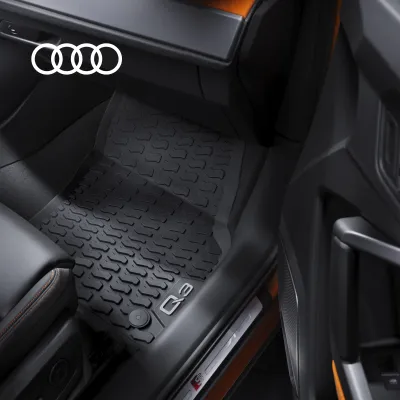
When selecting a full-surround floor mat brand for your Audi Q3, your decision should be guided by your daily driving habits, maintenance preferences, and aesthetic goals. Brands that specialize in Thermoplastic Elastomer (TPE) are highly recommended for drivers who prioritize utility and easy maintenance. TPE is a vulcanized rubber-like material that is completely waterproof, making it exceptionally well-suited for Singapore’s frequent rainstorms and wet weather. If you frequently visit the beach, go hiking, or carry wet umbrellas, a high-quality TPE mat will keep water and mud completely isolated from your car’s original carpet.
Conversely, if you want to preserve or enhance the premium, sophisticated feel of the Audi Q3 cabin, brands specializing in multi-layer leather and Cross-linked Polyethylene (XPE) foam are the superior choice. These mats feature custom stitching, diamond-quilted patterns, and color-matched borders that seamlessly integrate with Audi’s luxury interior trim. They also provide a layer of sound-dampening insulation, which helps reduce road noise entering through the footwells.
Products mentioned in this guide
![3D ROYAL Car Mat AUDI Q3 F3 SPORTBACK [2019 - PRESENT]](https://img.lazcdn.com/g/p/417bd831c6739485e5fb5a06a2603c8a.jpg_400x400q80.jpg_.webp)
Prices are valid at publication and may change. Please refer to the product page for the latest price.
Regardless of which brand or material style you prefer, the absolute most critical factor is verifying that the manufacturer uses precise 3D laser-scanning technology for your specific Audi Q3 model year. The Audi Q3 has gone through distinct design generations—primarily the first-generation (Type 8U, 2011–2018) and the second-generation (Type F3, 2018–present). Because the floor pans, pedal placements, and seat rail configurations differ significantly between these generations, a generic or poorly scanned mat can slip, bunch up, or interfere with your pedals, presenting a severe safety hazard.
What Defines a Quality Full-Surround Audi Q3 Floor Mat?
A premium full-surround floor mat must meet strict design and material standards to ensure it performs well over years of use in a luxury compact SUV. Unlike flat, universal mats, a true full-surround mat features high vertical walls that line the entire footwell, protecting the side carpets from dirt, scuffs, and liquid spills. Achieving this level of coverage requires immaculate design execution across several key areas of the Audi Q3 cabin.

First, the driver-side mat must feature precise molding around the dead pedal (the footrest on the far left) and provide complete coverage without blocking the movement of the accelerator and brake pedals. The Audi Q3 floor pan features a specific contour near the firewall; the mat must hug this curve tightly. Furthermore, the side walls of the mat must be rigid enough to stand upright on their own without collapsing inward over time, yet flexible enough to sit flush against the plastic trim panels.
Second, the mat must accommodate the front seat rails without interference. In the Audi Q3, the front seats slide along metal tracks that are bolted directly to the floor. If a full-surround mat is too thick or its side walls are incorrectly angled, the seat brackets will crush or tear the mat material when the seats are adjusted forward or backward. This can damage both the mat and the electric seat motors or manual adjustment tracks.
Third, secure anchoring systems are non-negotiable for driver safety. The Audi Q3 comes equipped with factory floor retention clips (round plastic anchors on the carpet). A quality aftermarket brand must feature matching retention eyelets that click securely onto these factory anchors. Additionally, the underside of the mats must feature an effective anti-slip backing—such as a high-friction nibbed texture or heavy-duty hook-and-loop (Velcro) fasteners—to prevent the mats from sliding forward under heavy braking.
Finally, the local climate in Singapore places unique demands on interior car accessories. With high relative humidity and intense afternoon heat, cheap materials can quickly deteriorate. Quality brands use premium, non-toxic polymers and synthetic leathers that are resistant to mold growth, mildew, and odor retention. They are also formulated to withstand high cabin temperatures without warping, cracking, or releasing harmful volatile organic compounds (VOCs) when the car is parked in direct sunlight.
Comparing Common Full-Surround Materials and Brand Approaches
To find the best brand for your Audi Q3, it is helpful to understand the core material technologies that different manufacturers utilize. Most reputable brands align themselves with one of three primary material philosophies, each offering distinct advantages and trade-offs.
TPE (Thermoplastic Elastomer) Injection-Molded Mats
Brands that focus on TPE injection molding provide a modern, highly functional approach to interior protection. TPE is a hybrid material that combines the durability and chemical resistance of plastic with the flexibility and grip of rubber. Unlike older rubber mats that can smell strongly of petroleum, high-quality TPE is virtually odorless and highly resistant to UV degradation.
- Pros: 100% waterproof, exceptionally durable, easy to clean by hosing down, and highly resistant to chemical spills, oils, and mud.
- Cons: Offers a more utilitarian, rugged aesthetic that some drivers feel detracts from the luxury appearance of the Audi cabin; limited color options (usually solid black or dark grey).
- Ideal User: Drivers with active lifestyles, families with young children, or those who prioritize maximum durability and effortless cleaning over a traditional luxury look.
When evaluating TPE brands, ensure they use high-pressure injection molding rather than cheaper vacuum-forming processes. Injection molding allows for varying material thicknesses—making the mat thicker in high-wear areas like the heel pad while keeping the edges thin and flexible for a flush fit.
Leather and XPE Foam Mats
Manufacturers specializing in luxury styling typically use a multi-layer construction featuring a synthetic leather top layer, a cushioning XPE foam middle layer, and a non-slip bottom backing. XPE is a closed-cell foam that provides excellent structural rigidity, thermal insulation, and sound-dampening properties.
- Pros: High-end luxury appearance, customizable stitching colors, soft and cushioned underfoot feel, and effective reduction of low-frequency road noise.
- Cons: Requires more careful maintenance; cannot be submerged in water or scrubbed with harsh brushes; potential for edge curling or delamination if low-quality adhesives are used.
- Ideal User: Drivers who want to maintain or elevate the executive, premium aesthetic of their Audi Q3 and are willing to perform light, regular maintenance.
Because Singapore’s intense tropical heat can cause cabin temperatures to soar, it is crucial to choose a reputable brand in this category. Lower-tier brands often use cheap industrial glues to bond the leather and XPE layers together, which can break down in the heat, leading to bubbling, peeling, and unpleasant chemical odors. Premium brands utilize flame-lamination technology to bond the layers without adhesives, ensuring long-term structural integrity.
Hybrid Mats (Leather Base with Removable Top Layer)
Hybrid brands attempt to bridge the gap between luxury and utility by offering a dual-layer system. The base layer consists of a full-surround leather and XPE shell that covers the entire footwell, while a secondary, heavy-duty top layer sits directly under the occupant’s feet. This top layer is typically made of a removable vinyl coil mat (often called a “silk-ring” or “spaghetti” mat) or a shallow TPE tray.
- Pros: Combines the premium look of stitched leather side walls with the dirt-trapping and easy-cleaning capabilities of a removable top mat.
- Cons: Significantly thicker and heavier than single-layer mats; more expensive; requires checking multiple fastening clips to ensure the top layer remains securely attached.
- Ideal User: Drivers who want a luxury aesthetic but still require a practical solution for trapping sand, dirt, and water on a daily basis.
If you choose a hybrid brand, pay close attention to the retention clips that hold the top layer to the base mat. These clips must be robust and easy to operate. If the clips are flimsy or difficult to align, the top layer can detach during driving, creating a dangerous distraction or interfering with pedal operation.
How to Verify Brand Fitment and Value Before Buying
Navigating online marketplaces and local accessory shops in Singapore can be challenging, as many sellers make bold claims about “perfect fitment” and “premium quality.” To ensure you get genuine value for your money, use this practical verification framework before making a purchase.
First, confirm the exact generation and steering configuration of your Audi Q3. Because Singapore is a right-hand drive (RHD) market, you must explicitly verify that the brand offers an RHD-specific layout. Many international sellers default to left-hand drive (LHD) configurations. Installing an LHD driver-side mat in an RHD vehicle is extremely dangerous, as the pedal cutouts and dead-pedal moldings will be on the wrong sides, completely obstructing your pedals.
Second, check the manufacturer’s model compatibility list for the correct chassis code.
- Audi Q3 (Type 8U): Models produced from 2011 to 2018.
- Audi Q3 (Type F3): Models produced from 2018 to the present day (including the Sportback variant).
Ensure the seller explicitly lists your model year and chassis code. Avoid any brand that advertises a “universal fit for all Audi SUVs” or groups the Q3 together with the larger Q5 or smaller Q2, as their floor dimensions are entirely different.
Third, scrutinize customer reviews and real-world photos. Look closely at the driver-side footwell photos provided by previous buyers. Pay attention to the area behind the pedals: does the mat lay completely flat, or is there a gap where dirt can fall behind? Check the rear center tunnel fitment as well. The Audi Q3 has a prominent transmission tunnel running through the rear passenger footwell. A high-quality full-surround mat should cover this hump in a single, continuous piece without sagging, bunching, or shifting when passengers step on it.
Finally, assess the overall value proposition in SGD. Prices for full-surround mats in Singapore typically range from S$100 to over S$350. While budget options are tempting, they often skimp on material thickness, safety clips, and odor-free certifications. A premium brand costing S$200 to S$300 is often a better long-term investment if it offers a comprehensive warranty against warping or peeling, uses certified non-toxic materials, and includes matching rear passenger mats and a cohesive trunk liner.
Critical Safety and Installation Checks
Installing aftermarket floor mats is a straightforward task, but it carries significant safety implications. An improperly installed floor mat can slide forward, trap the accelerator pedal in a depressed position, or prevent the brake pedal from being fully applied. Always prioritize safety by following these essential installation and verification steps.
Before you begin, consult your Audi Q3 owner’s manual for any specific guidelines regarding floor accessories. If you are uncomfortable performing these checks yourself, or if you notice any interference with under-seat electrical harnesses, seek assistance from a qualified automotive professional.
Step-by-Step Installation and Safety Verification
- Completely Remove Existing Mats: You must remove all factory carpet or rubber mats before installing your new full-surround mats. Never stack floor mats. Stacking creates excessive thickness, prevents the bottom mat from anchoring securely, and dramatically increases the risk of pedal interference.
- Clear the Footwells: Vacuum the original vehicle carpet thoroughly to remove any dirt, pebbles, or debris that could prevent the new mats from sitting completely flat.
- Position and Anchor the Mats: Lay the new mats into the footwells, starting with the driver's side. Align the mat's retention eyelets with the factory plastic floor anchors. Press down firmly on each anchor point until you hear a distinct, solid "click," indicating that the mat is locked into place.
- Perform the Pedal Range of Motion Test: With the vehicle's engine completely turned off and the parking brake engaged, sit in the driver's seat. Depress the accelerator pedal slowly through its entire range of motion until it hits the floorboards. Verify that the pedal moves smoothly and does not catch, rub, or snag on any part of the mat. Repeat this test for the brake pedal, ensuring it can be fully depressed without hitting any raised edges of the mat.
- Check Seat Clearance: Slide both front seats through their entire range of travel, from fully forward to fully backward. Observe the side walls of the mats near the center console and door sills. The seat brackets and plastic trim must move freely without crushing, folding, or dragging the mat.
- Verify Rear Passenger Fitment: Install the rear mats, ensuring the center hump coverage sits flush and does not slide when stepped on. Check that the mats do not block the under-seat air conditioning vents or pinch any electrical wiring harnesses associated with the front seats.
Inspect your floor mats regularly, especially after your vehicle has been serviced or detailed, to ensure they remain securely anchored and have not shifted out of position.
Frequently Asked Questions (FAQ)
Do I need to remove the original Audi Q3 carpet mats before installing full-surround mats?
Yes, you must always remove the original factory carpet mats before installing full-surround mats. Stacking mats is a severe safety hazard. It prevents the full-surround mat from locking onto the factory floor anchors, which can cause the mat to slide forward and trap the accelerator or brake pedal. Additionally, stacking creates excessive thickness that can interfere with pedal travel and block the under-seat climate control vents.
How do I clean leather full-surround mats if they get wet from heavy rain?
If your leather-style full-surround mats get wet, wipe away the excess water as soon as possible using a clean, dry microfiber cloth. Allow the mats to air dry naturally in a shaded, well-ventilated area. Never use harsh chemical cleaners, bleach, or abrasive brushes, as these can strip the protective polyurethane coating on the synthetic leather. Avoid parking the car in direct, intense sunlight with wet mats inside, as the trapped moisture and extreme heat can cause the synthetic leather to crack, warp, or delaminate from the underlying XPE foam layer.

Community discussion
Share your experience or ask a question. Comments are reviewed before publication.