
Finding the ideal toyota altis car mat with full-surround coverage requires balancing protection, aesthetics, and safety. Because the Toyota Corolla Altis is one of Singapore’s most ubiquitous family sedans, the market is flooded with aftermarket floor protection options. However, choosing the “best” brand is not a one-size-fits-all decision; it depends heavily on your specific priorities, such as exact factory-contour fitment, long-term material durability under tropical humidity, or upfront cost savings.
To make an informed decision, owners can categorize the market into three distinct tiers: premium custom-molded options, mid-range value products, and budget online marketplace alternatives. Each tier presents clear trade-offs in terms of material quality, ease of installation, and long-term performance.
- Choose Premium Custom-Molded Brands if you want laser-scanned, millimeter-perfect fitment that hugs every contour of your Altis floor pan, utilizes high-grade odor-free materials, and guarantees zero pedal interference right out of the box.
- Choose Mid-Range Value Brands if you seek a practical balance of reliable coverage, decent wear resistance, and moderate pricing, typically sourced from established local automotive accessory shops.
- Choose Budget Online Marketplace Brands if you are working with a strict budget, are prepared to accept lower material lifespans, and are willing to perform manual adjustments or trimming to ensure safe pedal clearance.
Regardless of the brand tier you select, verifying driver-side pedal clearance and utilizing the factory floor retention clips are non-negotiable safety requirements. A poorly fitting mat can slide forward and trap the accelerator or brake pedal, leading to catastrophic control loss on the road.
Products mentioned in this guide
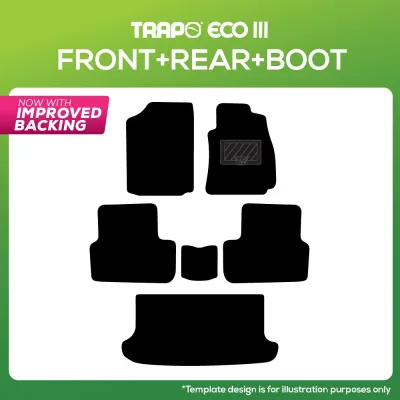
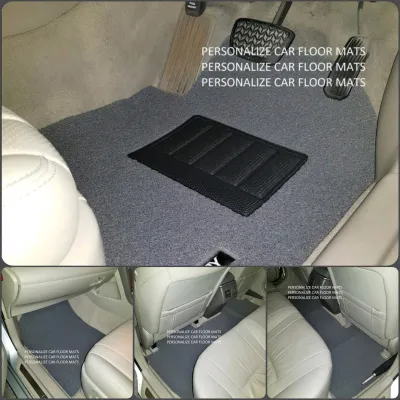
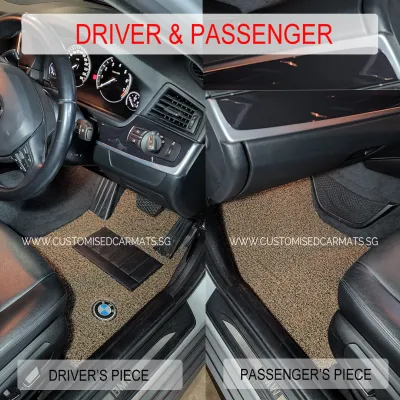
Prices are valid at publication and may change. Please refer to the product page for the latest price.
What Defines a High-Quality Toyota Altis Car Mat with Full-Surround Coverage?
To evaluate different brand options effectively, you must first understand what constitutes a high-quality full-surround (often marketed as 3D, 5D, or 7D) mat. Unlike traditional flat rubber or carpet mats, full-surround designs feature raised vertical walls intended to block dirt, liquid, and debris from contacting the vehicle’s original carpet.
Fitment and Coverage A properly engineered full-surround mat must precisely cover the driver’s dead pedal, the sides of the center console, and the steep drop-offs near the door sills. If the mat is even slightly off-spec, it will warp, slide, or leave exposed gaps where sand and spilled liquids can accumulate. For the Toyota Altis, which has undergone several generational floor pan redesigns (such as the E170 and E210 generations), the mat must match your specific model year to prevent loose edges from folding inward.
Material Composition The choice of materials directly dictates how well the mat survives Singapore’s intense ambient heat and high humidity. High-quality mats typically utilize cross-linked polyethylene (XPE) foam as their core layer, paired with a durable synthetic leather (polyurethane) top surface. XPE is highly resistant to thermal deformation, meaning it will not warp or soften when your car is parked under the direct sun. In contrast, cheaper materials like low-density ethylene-vinyl acetate (EVA) foam tend to degrade, lose their shape, and emit strong, unpleasant chemical off-gassing when exposed to high cabin temperatures.
Safety Integration Safety is the absolute priority when selecting any interior accessory that sits near the foot controls. A high-quality full-surround mat features precise, reinforced cutouts that leave the accelerator, brake, and foot-operated parking brake (where applicable) completely unobstructed. Furthermore, the driver-side mat must feature dedicated, reinforced eyelets that lock directly onto the Toyota Altis’s factory floor mat retention anchors. Without these mechanical locks, even a high-friction backing cannot permanently prevent the mat from shifting forward under repeated foot pressure.
Aesthetic and Functional Finish Beyond basic protection, premium floor mats incorporate functional design details that extend their service life. This includes a reinforced heel pad—usually made of textured rubber, aluminum, or heavy-duty plastic—stitched directly into the driver-side mat where the driver’s heels rest and pivot. The stitching along the raised borders should be tight, uniform, and executed with rot-resistant nylon thread to prevent unraveling when exposed to wet shoes. Finally, the underside must feature an aggressive, non-damaging anti-slip backing that grips the factory carpet fibers without tearing them.
Comparing Full-Surround Mat Brand Tiers in Singapore
Understanding the differences between market tiers allows you to align your budget with your expectations for safety, longevity, and aesthetics. The Singapore automotive aftermarket offers a wide spectrum of choices, ranging from bespoke local installations to mass-produced online imports.

Premium Custom-Molded Brands
Premium custom-molded brands represent the pinnacle of interior floor protection, typically distributed through specialized automotive detailing studios, high-end accessory shops, or official brand distributors. These manufacturers utilize advanced 3D laser-scanning technology to map the exact footwell geometry of the specific Toyota Altis generation you own. The result is a rigid, semi-flexible shell that drops directly into the footwell with millimeter precision, requiring no manual manipulation, trimming, or forcing.
These premium products are constructed using multi-layered structures, featuring high-density XPE foam cores and premium, eco-friendly synthetic leather or advanced thermoplastic elastomer (TPE) top layers. These materials are certified to be non-toxic and odor-free, ensuring that your cabin remains free of volatile organic compounds (VOCs) even when parked in unshaded areas during peak daylight hours. Additionally, they maintain their structural rigidity over years of daily use, resisting the common “curling” effect along the door sills.
In the Singapore market, premium custom-molded mats generally command a price range of S$180 to S$350 or more for a complete front and rear set. While the upfront cost is high, this tier offers the peace of mind of a perfect DIY drop-in fit or professional installation support from the retailer. The durability of these mats often spans the entire ownership cycle of the vehicle, making them a highly cost-effective long-term investment.
Mid-Range Value Brands
Mid-range value brands are highly popular among daily commuters in Singapore, offering a practical compromise between cost and performance. These mats are commonly stocked by established local auto accessory retail chains and reputable regional online storefronts. While they may not always use proprietary laser-scanning technology for every minor revision, they are manufactured using highly accurate templates designed specifically for the Toyota Altis.
The materials used in this tier are robust, featuring standard-density XPE foam and durable synthetic leather surfaces. While the stitching and heel pad reinforcement might be slightly less refined than those found on premium brands, they provide excellent barrier protection against water, mud, and spilled drinks. The mats generally fit the Altis footwell very well, though you might occasionally need to tuck an edge slightly under a plastic trim piece or adjust the positioning around the front seat tracks.
Pricing for mid-range options typically falls between S$80 and S$150. This makes them an exceptionally attractive option for private-hire vehicle (PHV) drivers or families who require robust, easy-to-clean floor protection that can withstand heavy daily foot traffic without breaking the bank.
Budget Online Marketplace Brands
Budget brands, predominantly sold through various e-commerce platforms and online marketplaces, appeal directly to cost-conscious owners looking for the lowest possible entry price. These products are mass-produced, often utilizing generic templates that attempt to cover multiple vehicle models with similar floor layouts rather than being engineered exclusively for the Toyota Altis.
The primary trade-off in this budget tier is material quality and manufacturing consistency. Many budget mats utilize thin, low-density EVA foam cores and cheap PVC outer layers that quickly crease, crack, or delaminate. Under Singapore’s intense heat, these low-grade plastics frequently release strong chemical odors that can linger in the cabin for months. Furthermore, the lack of structural stiffness means the raised vertical walls can collapse inward over time, allowing dirt to slip underneath and defeating the purpose of a full-surround design.
While these mats can be purchased for as little as S$30 to S$60, they frequently present fitment challenges. Owners often find that the driver-side mat rides up against the accelerator pedal or fails to align with the factory floor anchors, requiring manual trimming with utility shears to make them safe. If you choose this route, you must be prepared to carefully inspect, trim, and monitor the mats to prevent dangerous pedal interference.
Critical Safety and Fitment Checks for the Driver’s Side
Because the driver’s footwell contains the primary controls of your vehicle, installing a new floor mat demands a rigorous safety inspection. A loose, thick, or shifting mat can physically obstruct pedal travel or trap a depressed pedal, creating an immediate and severe driving hazard. Before driving your vehicle with newly installed mats, perform the following safety checks.
Pedal Clearance Test With the vehicle parked and the engine completely turned off, sit in the driver’s seat and perform a manual clearance test. Depress both the accelerator pedal and the brake pedal slowly through their entire range of motion until they bottom out against the floor. Verify visually and by feel that neither pedal catches, rubs, or gets hung up on any part of the full-surround mat’s raised edges or heel pad. Release the pedals quickly and confirm that they spring back to their default positions instantly without any hesitation or friction.
Retention Clips The Toyota Altis is equipped with factory floor mat retention anchors on the driver’s side floor carpet. It is absolutely critical that your aftermarket full-surround mat is securely locked into these anchors. Align the mat’s integrated eyelets with the factory pegs and turn the locking mechanism to secure it in place. If your chosen mat does not feature matching eyelets, or if the eyelets do not align perfectly with the factory anchors, do not drive the car; a loose mat can easily slide forward under the pressure of your heels during braking.
Seat Track and Console Clearance Slide both front seats through their full range of forward and rearward travel along their adjustment rails. Ensure that the raised vertical walls of the full-surround mat do not obstruct the seat tracks, pinch the electrical wiring harnesses underneath the seats, or interfere with the center console trim. In some Altis models, a poorly fitted mat can block the lower console storage compartments or rub against the seat adjustment levers, causing premature wear to both the mat and the vehicle’s plastic trim.
Layering Warning Never, under any circumstances, install a full-surround car mat on top of your existing factory carpet floor mats or rubber mats. Full-surround mats are engineered to sit directly on the vehicle’s bare floor carpeting. Layering mats increases the overall floor height, alters the designed pedal clearance angles, and prevents the safety retention clips from engaging. Always remove all existing floor mats from the vehicle before placing the new full-surround mats into the footwells.
Routine Cleaning and Maintenance in a Tropical Climate
Singapore’s tropical climate, characterized by high humidity and frequent heavy rainstorms, requires diligent maintenance of full-surround car mats. If moisture and organic dirt are left trapped underneath or within the crevices of the mats, they will quickly become a breeding ground for mold, mildew, and foul odors.
Routine Cleaning For weekly maintenance, vacuum the mats thoroughly to remove loose sand, dust, and dry debris. If the synthetic leather surface has accumulated light dirt or mud, wipe it down using a clean, damp microfiber cloth and a mild interior automotive cleaner. Avoid using harsh household detergents, bleach, or solvent-based cleaners, as these chemicals can degrade the protective polyurethane coating, strip away the material’s water resistance, and cause the synthetic leather to crack.
Deep Cleaning When the mats require a deeper clean due to heavy mud or spills, remove them entirely from the vehicle. Wash the mats using a soft-bristled brush, water, and a dedicated, pH-balanced car interior soap. Do not use high-pressure power washers at close range or stiff wire brushes, as the intense pressure and abrasive bristles can puncture the synthetic leather layer or tear the delicate stitching along the borders.
Drying Protocol After washing, allow the mats to dry completely in a shaded, well-ventilated outdoor area. Never expose the mats to direct, intense midday sunlight for extended periods, as extreme UV exposure and heat can cause the synthetic layers to warp, shrink, or delaminate from the inner foam core. Ensure the mats are 100% dry—especially the fibrous anti-slip backing on the underside—before reinstalling them. Placing a damp mat back into your Altis will trap moisture against the factory carpet, leading to persistent musty odors and potential rust on the seat rail bolts.
Inspection Regularly inspect the driver-side mat for signs of wear and tear, paying close attention to the heel pad and the area surrounding the retention clip eyelets. If the heel pad becomes loose or the synthetic leather wears through to the inner foam, water can seep into the mat’s core, rendering it impossible to dry completely. Replace the mats immediately if you notice any structural degradation that compromises their anti-slip backing or safety retention features.
Frequently Asked Questions (FAQ)
Do full-surround mats block the rear air conditioning vents in the Altis?
High-quality, model-specific full-surround mats are engineered with precise cutouts that leave the rear air conditioning vents—which are typically located under the front seats—completely unobstructed. However, budget or universal-fit options often lack these precise cutouts, resulting in the mat’s raised walls blocking the airflow and reducing the cooling efficiency of the rear cabin. Always verify that the mats you purchase are explicitly designed for your specific Toyota Altis generation to ensure optimal ventilation.
Can I install full-surround mats over the factory carpet without removing it?
No, you must never install full-surround mats over existing carpet floor mats. Full-surround mats must be installed directly onto the vehicle’s bare factory floor carpet to ensure they sit flush against the floor pan contours. Leaving existing mats underneath raises the floor level, prevents the safety retention clips from locking, and increases the risk of the mat sliding forward and interfering with the accelerator or brake pedals.

Community discussion
Share your experience or ask a question. Comments are reviewed before publication.