
Quick Answer: Finding the Right Full-Surround Brand for Your Car
When upgrading your vehicle’s interior protection, finding a high-quality car carpet system that offers complete coverage can feel overwhelming. The short answer is that no single brand universally provides the absolute best fit for every vehicle on the road. Instead, the ideal choice depends entirely on whether a manufacturer has executed a precise 3D laser scan of your specific vehicle make, model, production year, and exact trim level.
In Singapore’s automotive market, this decision is heavily influenced by steering configuration. Because Singapore is a right-hand drive (RHD) market, you must avoid brands that adapt left-hand drive (LHD) templates or offer “semi-custom” configurations. An adapted LHD mat often features asymmetrical cuts that fail to clear the dead pedal or footrest properly on an RHD vehicle, leading to loose material, shifting, or dangerous pedal interference.
This guide is designed for drivers who want to maximize interior protection against dirt, water, and debris without compromising vehicle safety, pedal operation, or original interior trim. A true full-surround design must protect the dead pedal, the vertical sides of the center console, and the door sills. It must achieve this comprehensive coverage while maintaining strict clearance for all moving parts, including the accelerator, brake, and clutch pedals, as well as the seat tracks and under-seat ventilation ducts.
Products mentioned in this guide
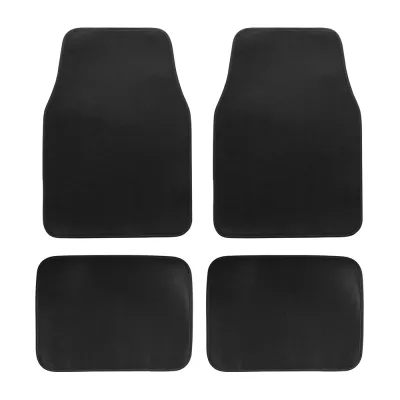
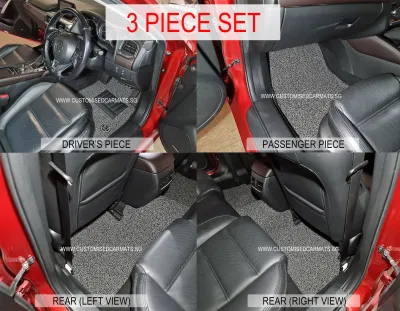
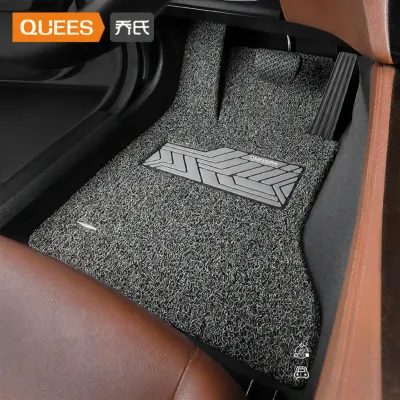
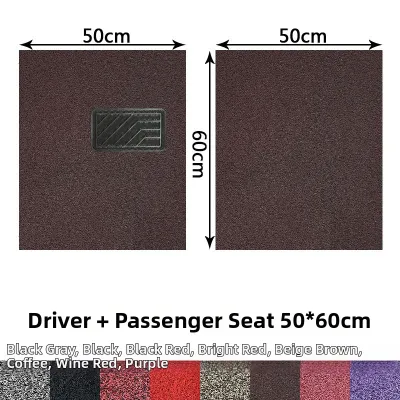

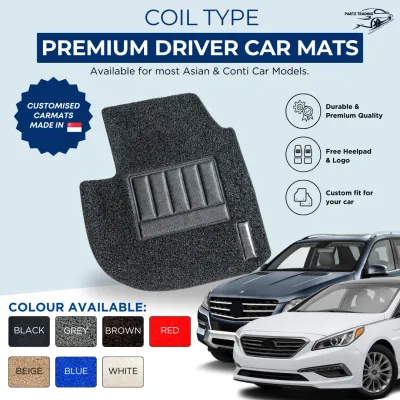

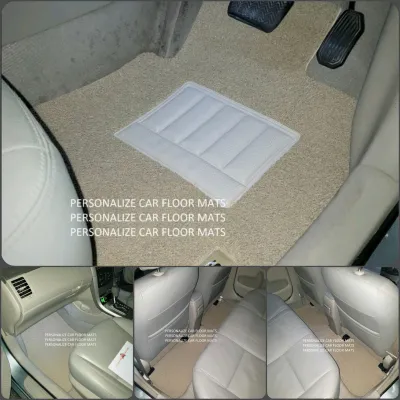
Prices are valid at publication and may change. Please refer to the product page for the latest price.
Core Dimensions for Evaluating Car Carpet Fit and Coverage
3D Scanning Accuracy
Precision begins with how the manufacturer captures the footwell’s complex geometry. Leading premium brands use advanced 3D laser scanners to map every curve, contour, and protrusion of a vehicle’s floor pan. This digital blueprint allows the factory to create a mold that mirrors the floor exactly. In contrast, budget or universal brands often rely on manual measurements or generic templates that assume all mid-sized sedans or SUVs share similar footwell shapes. This lack of precision results in gaps where dirt can accumulate, or excess material that bunches up and creates safety hazards.

Edge Height and Contouring
A true full-surround design is defined by its vertical coverage. The mats must extend high up the footwell walls, covering the vertical surfaces of the center console, the firewall behind the pedals, and the sides of the door sills. High-quality brands engineer these vertical walls with structural rigidity so they contour tightly against the vehicle’s interior panels without sagging. If the edges lack this structural integrity, they will eventually fold inward, allowing debris to slip behind the mat and accumulate on the original factory carpet, defeating the purpose of the upgrade.
Retention System Compatibility
Vehicle manufacturers install floor anchors (such as clips, hooks, or twist-locks) to prevent mats from sliding forward under the pedals. A high-quality full-surround brand will feature integrated retention points that align perfectly with your car’s original equipment manufacturer (OEM) anchors. These retention systems must lock securely. If a brand relies on universal clips that pinch the carpet or expects the mat to stay in place purely through surface friction, the risk of slippage increases significantly, especially under heavy braking or rapid foot movement.
Seat Rail and Track Clearance
Modern car seats slide along metal tracks that are often mounted directly to the floor pan. Additionally, many vehicles feature electronic seat adjustments, under-seat heater vents, and sensitive airbag wiring harnesses positioned beneath the front seats. A properly engineered full-surround mat must feature precise cutouts and low-profile rear extensions that do not obstruct the seat rails. If the mat is too thick or lacks the correct clearance, adjusting the seat forward or backward can crush the mat’s edges, damage the seat motor, or pinch critical electrical wiring.
Material and Construction Profiles Across Brands
The longevity and structural integrity of a full-surround car carpet system are heavily dictated by its material composition. Different manufacturing processes yield distinct characteristics in terms of rigidity, aesthetics, and maintenance.
TPE (Thermoplastic Elastomer) Molded Mats
Thermoplastic Elastomer (TPE) is a highly durable polymer blend that combines the rubber’s flexibility with the structural rigidity of plastic. These mats are typically manufactured using high-pressure injection molding or thermoforming, resulting in a semi-rigid, heavy-duty 3D tray. The primary advantage of TPE is its exceptional edge retention. Because the material is molded under extreme heat and pressure, the vertical walls maintain their shape indefinitely and will not curl, sag, or deform over time.
Furthermore, TPE is completely waterproof, highly resistant to UV degradation, and impervious to common automotive fluids. For drivers in Singapore’s tropical climate, where sudden downpours lead to wet shoes and high cabin humidity, TPE offers an ideal solution. Cleaning is straightforward: the mats can be removed, hosed down, and dried within minutes. The only notable trade-off is their industrial, utilitarian aesthetic, which some drivers feel lacks the warm, luxurious look of fabric or leather-wrapped alternatives.
XPE Foam with Synthetic or Leather Wrapping
For drivers seeking a more premium, luxury-oriented interior aesthetic, multi-layer wrapped mats are a popular choice. These mats typically feature a core of Cross-Linked Polyethylene (XPE) foam, which provides cushioning, sound dampening, and thermal insulation. The XPE core is then laminated with a decorative top layer, usually made of synthetic polyurethane (PU) leather or a heavy-duty vinyl fabric, often finished with contrast stitching.
These wrapped mats offer excellent visual coverage, hiding almost all of the original floor carpet and providing a soft, cushioned surface for the occupants’ feet. However, they carry distinct fitment and durability risks. Over time, exposure to cabin heat, humidity, and constant foot pressure can cause the synthetic leather layers to separate from the foam core. Additionally, the stitched edges are prone to curling or fraying, and if water penetrates the stitched seams, it can become trapped within the foam layer, leading to mold, mildew, and unpleasant cabin odors.
Heavy-Duty Flexible Rubber
Heavy-duty flexible rubber mats represent a traditional approach to floor protection. These mats are typically thick, heavy, and feature deep channels or raised perimeter lips designed to trap large volumes of water, mud, or sand. They rely primarily on their sheer weight and high-friction nibbed backings to stay in place, rather than a rigid 3D molded structure.
While flexible rubber is highly effective at containing spills and resisting wear, it rarely provides true full-surround vertical coverage. Because the material is flexible, it cannot support its own weight on vertical surfaces like the center console or high up the firewall. Consequently, these mats usually cover only the flat horizontal areas of the footwell. If they are forced up a vertical slope without mechanical anchors, they will inevitably sag, slide forward, and potentially bunch up behind the pedals, presenting a serious safety hazard.
Critical Safety Checks: Pedal Interference and Installation
While maximizing coverage is desirable for protecting your vehicle’s interior, safety must always take absolute precedence over aesthetics and cleanliness. Improperly designed or poorly installed full-surround mats can lead to catastrophic pedal entrapment, preventing you from accelerating or braking safely.
Accelerator and Brake Pedal Clearance
Before driving with any new floor mats, you must verify that there is absolute clearance around the accelerator, brake, and clutch pedals. Press each pedal completely to the floorboard to ensure it moves smoothly through its entire range of motion without contacting the edge of the mat. Pay close attention to the accelerator pedal: some vehicles use floor-mounted organ-style pedals, while others use hanging pedals. A full-surround mat must have a precise cutout that allows the pedal to fully depress and spring back instantly without catching on any material.
Factory Retention Clips
You must never install a floor mat without securing it to the vehicle’s factory retention anchors. These anchors are engineered specifically to keep the mat from sliding forward under the pedals during sudden stops or rapid foot transitions. If a brand’s mat does not feature built-in alignment holes or locking mechanisms that match your car’s OEM clips, do not attempt to use it. Never stack a new full-surround mat on top of an existing floor mat, as this raises the height of the floor surface, compromises the anchor engagement, and significantly increases the risk of pedal interference.
Post-Installation Verification
Once the mats are installed, perform a comprehensive pre-drive checklist:
- Pedal Travel Test: With the engine off, depress the brake pedal firmly several times to ensure there is no resistance or soft contact with the mat. Press the accelerator pedal fully to the floor and release it quickly; it must return to its idle position immediately without any friction.
- Seat Range Test: Slide both front seats through their entire range of travel (fully forward and fully backward) to confirm that the seat rails do not catch, tear, or bunch the rear extensions of the mats.
- Wiring Check: Look underneath the seats to ensure that the mat's vertical edges do not press against or pinch any electrical wiring harnesses associated with the side airbags or power seat motors.
When to Stop
If you detect any resistance, binding, or interference with the pedals or seat tracks during your inspection, remove the mats immediately. Do not attempt to modify, trim, or force the mats to fit. Consult the mat manufacturer, refer to your vehicle’s owner’s manual, or seek assistance from a qualified automotive professional to resolve the fitment issue before operating the vehicle on public roads.
Decision Framework: Choosing the Right Brand Profile
To select the optimal full-surround car carpet brand for your vehicle, you must balance your aesthetic preferences, maintenance habits, and the specific driving conditions of your local market. Use the following conditional framework to guide your purchase decision:
- Choose precision-molded TPE brands if: You prioritize an exact, rigid fit that will not degrade over time. These brands are ideal if you frequently deal with wet weather, muddy shoes, or spills, as they offer the easiest wash-down cleaning and maintain their vertical edge profile without any risk of sagging or curling.
- Choose wrapped XPE/leather-style brands if: You want to enhance your vehicle's cabin with a luxury, executive look and prefer a softer, cushioned feel underfoot. This profile is suitable if you are willing to perform more careful maintenance, such as vacuuming and wiping down the mats, and can accept the long-term risk of potential edge curling under high cabin temperatures.
- Neither option may fit if: The brand only offers "universal" or "semi-custom" sizing, or if the manufacturer cannot explicitly confirm a dedicated right-hand drive (RHD) mold for your exact vehicle model, production year, and trim level. Using a left-hand drive (LHD) mold in an RHD vehicle will inevitably result in poor fitment, exposed carpet, and safety hazards near the driver's pedals.
- Verify first if: The brand's product catalog explicitly lists your vehicle's exact make, model, year, and trim level (such as hybrid vs. petrol variants, which often have different floor pan shapes due to battery placement). Additionally, confirm that the product images or specifications show integrated cutouts and locking clips that match your vehicle's OEM floor anchors before finalizing your order.
Frequently Asked Questions (FAQ)
Do full-surround car mats affect side airbag deployment?
Side-curtain and seat-mounted airbags deploy from the roof pillars and the outer bolsters of the seats, respectively. Because these safety systems are located well above the floor pan, standard floor mats will not interfere with their deployment. However, you must ensure that the vertical edges of a full-surround mat are not forced under or behind plastic door sill trim panels or lower pillar covers, as this can damage interior clips, pinch electrical wiring harnesses, or interfere with the trim’s structural integrity during an impact. Always follow your vehicle manufacturer’s guidelines regarding interior trim modifications.
How do I clean a full-surround car carpet without removing it?
For quick maintenance, start by thoroughly vacuuming the mats to remove loose dirt, sand, and debris from the crevices and corners. Next, dampen a clean microfiber cloth with water or a mild, pH-neutral interior cleaner, and gently wipe down the surfaces. Before applying any chemical cleaning agent, always check the mat manufacturer’s care label or instructions to verify compatibility with the specific material—such as TPE or synthetic leather—to prevent discoloration, cracking, or degradation. Never use silicone-based dressings or gloss enhancers, as these can make the mat surface dangerously slippery underfoot.

Community discussion
Share your experience or ask a question. Comments are reviewed before publication.