
To protect your Kia Sorento from intense cabin heat and UV damage, a high-quality, custom-fit folding sunshade is the most effective solution. Unlike generic options, a custom-fit shade is tailored to the Sorento’s specific windshield dimensions, ensuring complete coverage while protecting the delicate sensors mounted behind your rearview mirror. Choosing the right shade involves balancing thermal insulation performance, ease of storage, and compatibility with your vehicle’s onboard technology.
Singapore’s tropical climate presents a constant challenge for car owners. Parking your SUV in an open-air HDB carpark or an unsheltered commercial lot exposes the cabin to relentless solar radiation. Within minutes, interior temperatures can soar well past 60°C, putting immense thermal stress on your dashboard, leather seats, and sensitive electronics. Investing in a dedicated sunshade is not just about keeping the cabin comfortable for your next drive; it is a necessary maintenance step to preserve your vehicle’s interior longevity and resale value.
Why a Custom Fit is Crucial for the Sorento's Windshield
The Kia Sorento features a large, steeply raked front windshield designed to maximize forward visibility and aerodynamic efficiency. However, this expansive surface area also acts as a massive solar collector. When sunlight hits the glass at a steep angle, it penetrates deep into the cabin, directly striking the expansive dashboard. Universal “one-size-fits-all” sunshades frequently fail on this windshield because they are either too short to reach the upper corners or too narrow to cover the wide base near the A-pillars. These gaps allow significant UV radiation and infrared heat to bypass the barrier, rendering the shade highly inefficient.
Products mentioned in this guide
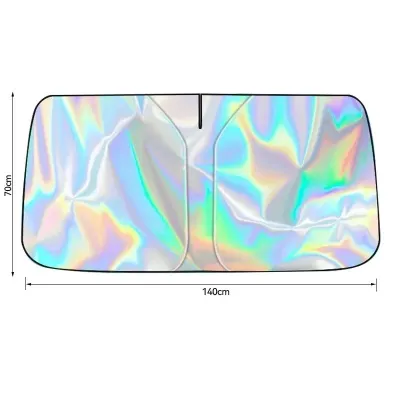




Prices are valid at publication and may change. Please refer to the product page for the latest price.
Beyond simple heat exclusion, a precise fit is vital for safeguarding the Sorento’s advanced safety systems. Positioned directly behind the rearview mirror is the bulky housing for the Advanced Driver Assistance Systems (ADAS) camera module. This cluster contains highly sensitive optical sensors, lane-keeping assistance cameras, and rain sensors that are calibrated to precise angles. Universal sunshades often lack a proper cutout for this assembly. Forcing a generic, rigid shade against this housing can put physical pressure on the mounting brackets, potentially misaligning the cameras or damaging the delicate plastic shroud.
Furthermore, the localized heat buildup behind a poorly fitting sunshade can create a “greenhouse pocket” directly around these sensors. If a sunshade does not sit flush against the glass below the ADAS module, trapped heat can cause the camera sensors to overheat, leading to temporary system failures or error messages on your digital instrument cluster. A custom-fit shade is engineered with a precise recess or a secure hook-and-loop strap that wraps neatly around the mirror stalk and sensor housing, allowing heat to dissipate safely away from these critical components.
Finally, the Sorento’s premium cabin materials require targeted protection. Modern generations of this SUV feature soft-touch synthetic leathers, intricate stitching, large digital infotainment screens, and, in some trims, a head-up display (HUD) projector mounted in the dashboard. Continuous exposure to high-intensity UV rays causes these materials to degrade, leading to faded surfaces, brittle plastics, and potential cracking. A custom-fit shade contours perfectly to the perimeter of the glass, casting a complete shadow over these high-value interior components and preventing premature wear.
4 Key Features to Check Before Buying
When evaluating sunshade options for your Kia Sorento, you must look beyond generic marketing claims. To find a model that delivers genuine thermal protection and a hassle-free user experience, use this practical four-point checklist before making a purchase.

1. Generation and Year Match
The Kia Sorento has undergone multiple design evolutions, and windshield dimensions vary significantly between generations. The third-generation Sorento (UM platform, produced from 2015 to 2020) has a different glass perimeter and mirror mounting system than the fourth-generation model (MQ4 platform, 2020 to present). Even mid-cycle facelifts can introduce changes to the dashboard height or the size of the ADAS camera housing. Always verify the exact model year and chassis code of your vehicle. Never assume a sunshade labeled simply for “Kia Sorento” will fit your specific model year perfectly.
2. Mirror and Sensor Cutouts
Examine the top-center design of the sunshade. A high-quality shade must feature a deep, tailored cutout or a flexible split section designed to accommodate the rearview mirror stalk and the ADAS sensor array. In Singapore, many vehicles are also fitted with the newer ERP 2.0 On-Board Unit (OBU) or older In-vehicle Units (IU) mounted on the passenger side of the windscreen. Ensure the sunshade’s design allows it to sit flush against the glass without applying physical pressure to these electronic units or their mounting brackets.
3. Material and Insulation Quality
Avoid single-layer, flimsy silver fabrics that offer minimal thermal resistance. These basic materials merely reflect a portion of visible light while allowing conductive heat to pass directly through to the cabin. Instead, look for multi-layered composite constructions. Premium sunshades typically feature a highly reflective outer layer (such as metalized polyester or aluminum foil) to bounce away UV rays, a thick middle layer of closed-cell foam or bubble insulation to block heat transfer, and a soft felt or non-abrasive inner backing. This soft inner layer prevents the shade from scratching your dashboard or A-pillar fabric during installation and removal.
4. Rigidity and Storage Design
A sunshade must be rigid enough to stand upright against the windshield under its own tension, supported only by folding down your vehicle’s sun visors. If a shade is too flimsy, it will sag in the middle, creating a large air gap that reduces its insulating properties. However, this rigidity must be balanced with practical storage. Because the Sorento is a three-row family SUV, cabin space can quickly fill up with passengers and cargo. Consider whether you prefer a rigid folding accordion-style shade that can be slipped along the front passenger footwell, or a flexible spring-wire shade that twists down into a compact circle for storage in the seatback pocket.
Which Sunshade Type Works Best for the Sorento?
Different sunshade designs offer unique trade-offs in terms of coverage, thermal performance, and daily convenience. Understanding how these categories perform inside the Sorento’s cabin will help you make an informed decision.
Custom-Fit Folding Shades
Custom-fit folding shades are widely considered the gold standard for thermal protection. These shades are laser-measured to match the exact glass perimeter of your specific Sorento generation. They consist of rigid, heavy-duty panels that fold accordion-style and are held in place by flipping down the driver and passenger sun visors.
- Pros: They provide absolute edge-to-edge coverage with virtually no light gaps, ensuring maximum heat rejection. Their multi-layered construction offers superior insulation compared to flexible fabric shades, and they do not require messy suction cups to remain upright.
- Cons: These shades are relatively bulky and heavy. Unfolding them inside a crowded cabin can be slightly awkward, especially if you have a front-seat passenger, and they require dedicated storage space when not in use.
Umbrella-Style Sunshades
Umbrella-style sunshades utilize a collapsible rib structure similar to a standard rain umbrella. You open the shade inside the vehicle and press the reflective canopy directly against the front windshield, using the sun visors and a central tension shaft to secure it.
- Pros: They are incredibly convenient and fast to deploy. When collapsed, they fold down into a highly compact shape that easily fits into the Sorento's door pockets, center console, or glove compartment.
- Cons: The rigid metal support ribs can pose a scratch hazard to your leather dashboard, leather-wrapped steering wheel, or the large 12.3-inch infotainment screen if not handled with extreme care. Additionally, the central handle can sometimes press awkwardly against your center console controls, and these shades rarely provide a perfect seal around the wide upper corners of the Sorento's windshield.
Retractable Roller Shades
Retractable roller shades are semi-permanently mounted to the sides or top of your windshield frame using adhesive brackets or specialized clips. To use them, you pull the shade across the glass like a window blind and hook it into a receiver bracket on the opposite side.
- Pros: This design offers unmatched daily convenience. The shade is always attached to the vehicle, allowing you to pull it closed in a single, quick motion without needing to retrieve it from storage.
- Cons: These shades require permanent installation, which can clutter the clean aesthetic of your Sorento's interior. They often block a small portion of the driver's peripheral field of view near the A-pillars, which can raise safety concerns on the road. Furthermore, the adhesive mounts can easily fail under Singapore's extreme cabin heat, and these shades rarely clear the bulky central ADAS camera housing cleanly.
Safe Installation and Maintenance in Singapore's Climate
Operating and maintaining your sunshade correctly ensures you do not accidentally damage your vehicle’s interior components while maximizing the lifespan of the accessory itself.
Safe Installation Steps
To install your sunshade safely without damaging your Sorento’s interior, follow these steps:
- Clear the Area: Ensure your dashboard is clear of loose items, sunglasses, or parking coupons that could be scraped or pushed into the defroster vents.
- Prep the Visors: Fold down both the driver and passenger sun visors fully toward the windshield.
- Position the Base: Place the bottom edge of the sunshade at the base of the windshield, sliding it gently forward. Be careful not to apply heavy pressure near the light sensors or the HUD projector opening.
- Navigate the Mirror and Sensors: Carefully guide the top cutout of the shade around your rearview mirror stalk and the ADAS camera housing. Never force or jam a rigid shade into tight gaps, as this can dislodge the mirror mount or scratch the camera cover.
- Secure the Shade: Press the top corners of the shade flush against the glass and flip the sun visors back up to lock the shade securely in place.
Heat and Humidity Considerations
Singapore’s intense humidity and high ambient temperatures place unique physical demands on interior car accessories. Avoid using cheap sunshades that rely on clear PVC suction cups to stick to the glass. Over time, the extreme heat on the windshield will degrade the plastic, causing the suction cups to lose their grip, warp, or even melt directly onto the glass, leaving a stubborn, sticky residue that is difficult to clean.
Instead, rely on tension-fit custom shades or those secured by the vehicle’s sun visors. If you must use a shade with suction cups, opt for high-grade silicone cups, which tolerate thermal cycles much better than PVC. Additionally, be mindful of your Singapore ERP 2.0 OBU or standard IU unit. Ensure your sunshade does not press tightly against these units, as the trapped heat between the shade and the windshield can raise the local temperature beyond the operational limits of the electronics, potentially causing system malfunctions.
Cleaning and Storage
The combination of high humidity and closed cabin spaces in Singapore creates a prime environment for mold and mildew growth. If your air conditioning system produces condensation that drips onto the dash, or if you handle the sunshade with damp hands, moisture can transfer to the shade’s fabric backing.
Periodically wipe down both sides of your sunshade with a clean, slightly damp microfiber cloth to remove dust and fingerprint oils. Avoid using harsh chemical solvents, glass cleaners, or household detergents, as these can strip away the reflective UV-resistant coatings on the outer layer. Always allow the sunshade to air dry completely in a shaded, well-ventilated area before folding it up and storing it in its protective sleeve. When storing the shade, place it in a cool, dry location—such as under the front seat or in the boot—rather than leaving it exposed to direct sunlight on the rear parcel shelf.
Frequently Asked Questions (FAQ)
Will a universal sunshade fit my Kia Sorento?
While a generic or universal sunshade can physically sit inside the cabin, it will not provide a satisfactory fit. The Kia Sorento features a particularly wide and tall windshield that standard universal shades cannot cover completely, leaving large gaps at the corners where heat and UV rays can enter. More importantly, universal shades do not feature the precise cutouts required to clear the Sorento’s bulky ADAS camera housing and rearview mirror assembly, which can lead to poor fitment, sagging, or potential damage to your vehicle’s safety sensors.
Do I need to remove the sunshade to use my ADAS features?
Yes, you must always remove and store your sunshade before driving. Sunshades are strictly designed for stationary, parked vehicles. The Kia Sorento’s Advanced Driver Assistance Systems (ADAS)—including Lane Keeping Assist, Forward Collision-Avoidance Assist, and rain-sensing wipers—rely on an unobstructed view through the windshield glass. Driving with a sunshade installed is highly dangerous, illegal, and completely blocks these safety sensors from monitoring the road ahead, rendering them entirely non-functional.
Community discussion
Share your experience or ask a question. Comments are reviewed before publication.