
To combat Singapore’s intense humidity (often exceeding 80%) and extreme cabin temperatures, selecting the right disinfectant spray for car interiors requires looking beyond basic air fresheners. In a tropical climate, standard products often evaporate too quickly or merely mask unpleasant odors temporarily. A truly effective solution must combine robust sanitising agents that remain stable under thermal stress with active chemical odor neutralisers that target the biological root causes of damp smells.
Why Singapore's Tropical Climate Demands a Specialized Car Spray
When a vehicle is parked open-air under the intense tropical sun in Singapore, solar radiation penetrates the glass windows, heating the dashboard, seats, and cabin air. Temperatures inside a closed vehicle can easily reach 60°C to 70°C within an hour. This extreme greenhouse effect accelerates the kinetic energy of volatile organic compounds (VOCs) and standard fragrance molecules, causing them to evaporate or “flash off” at an accelerated rate. Consequently, conventional air fresheners and light aerosol sprays lose their scent and efficacy within days, if not hours.
Furthermore, Singapore’s high relative humidity, which regularly averages between 70% and 90% year-round, compounds interior maintenance challenges. When warm, moisture-laden air enters the cabin, it condenses on cooler surfaces once the air conditioning is switched off. This persistent dampness creates an ideal microclimate for mold, mildew, and odor-causing bacteria to thrive deep within fabric upholstery, floor carpets, seatbelt webbing, and the dark recesses of the air conditioning evaporator core.
Products mentioned in this guide
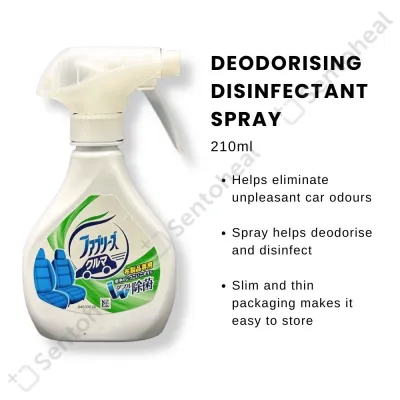
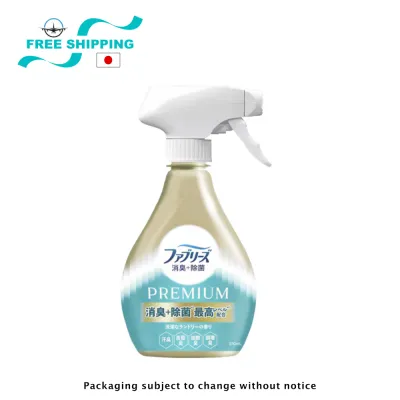

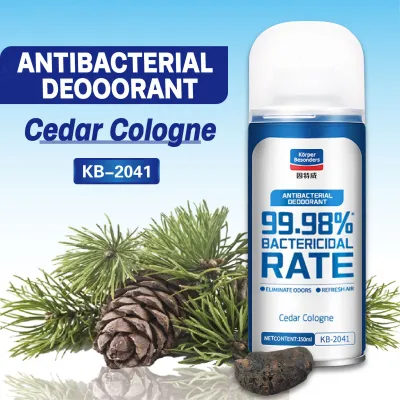
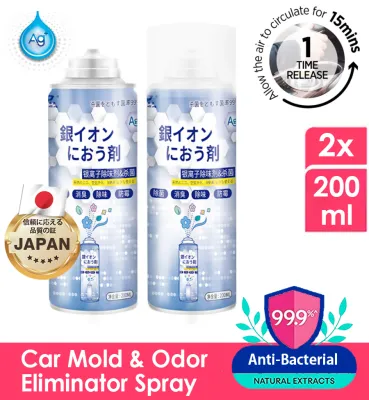
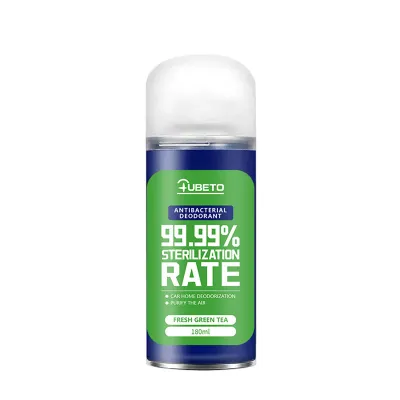
Prices are valid at publication and may change. Please refer to the product page for the latest price.
Standard household disinfectants or generic car sprays often rely on simple top-note fragrances designed for temperate climates. In a tropical environment, these products merely mask the musty smell temporarily. Once the top notes evaporate in the heat, the underlying bacterial odors return, often smelling worse when combined with the chemical residue of a failing fragrance. A specialized approach is necessary to target the biological source of the odor while remaining stable under high thermal stress.
What to Check on the Label: Specs for Heat and Humidity
Active Ingredients and Evaporation Rates
When evaluating a disinfectant spray for car cabins, the choice of active sanitising agent is critical. Alcohol-based sprays (containing isopropyl alcohol or ethanol) are highly effective at killing pathogens on contact, but they possess a very low boiling point and high volatility. In a hot car, alcohol evaporates almost instantly. This rapid flashing prevents the liquid from remaining wet on the surface for the required contact time—often up to five or ten minutes—needed to fully eliminate robust bacterial colonies or fungal spores.

Instead, look for formulations utilizing quaternary ammonium compounds (commonly listed as benzalkonium chloride or didecyldimonium chloride) or stable, plant-derived antimicrobial agents. Quaternaries are non-volatile salts that remain on the treated surface long after the water carrier has evaporated, providing ongoing sanitising action. However, always check the product’s label for the exact recommended contact time. Because high cabin temperatures accelerate drying, you may need to apply the product in a cool, shaded area or during the evening to ensure the surface remains visibly wet for the duration specified by the manufacturer.
Fragrance Binding and Humidity Resistance
To achieve a lasting fresh scent in high humidity, the spray must do more than overpower the nose. True odor-neutralising agents, such as zinc ricinoleate or cyclodextrin, work by chemically binding to and encapsulating volatile sulfur and nitrogen compounds (the primary culprits behind damp, musty smells). This chemical entrapment permanently removes the odor from the air rather than temporarily hiding it.
Additionally, pay close attention to the fragrance carrier system. Sprays that rely heavily on water-alcohol bases tend to dissipate rapidly in Singapore’s heat. In contrast, formulations that incorporate heavier, complex oil-based fragrance carriers or specialized polymer release systems are designed to resist thermal degradation. These carriers slow down the release of scent molecules, ensuring a gradual, sustained pleasant aroma even when the cabin temperature climbs during midday parking.
Interior Surface Compatibility
Automotive interiors are composed of highly specialized materials—including polyurethane-coated leathers, thermoplastic olefins (TPO), soft-touch plastics, and anti-reflective infotainment screens—that are subjected to intense UV exposure and heat. Standard household disinfectants often contain harsh solvents, high concentrations of alcohol, or bleaching agents like sodium hypochlorite that can strip the protective topcoats of leather, dry out vinyl dashboards causing them to crack, or permanently cloud delicate optical plastics.
Before purchasing any disinfectant spray for car interiors, verify that the product label explicitly states it is safe for use on automotive surfaces. If the label does not specifically clear the product for use on leather, delicate plastics, or electronic screens, do not apply it to those areas. When applying any new care product, always check the vehicle manufacturer’s owner manual first for approved interior cleaning agents. If instructions conflict, or if you are unsure of the material composition of your trim, stop and consult a professional vehicle detailer or the vehicle manufacturer.
Comparing Common Spray Formulations for Tropical Commutes
Selecting the right formulation requires balancing sanitising power, fragrance longevity, and application safety.
Water-Based Odor Eliminators: These formulations excel at penetrating deep into fabric seats and carpets to neutralize trapped moisture odors. Because they do not leave behind oily residues, they are highly unlikely to attract dust or create a sticky film on your interior trim. However, because water evaporates relatively slowly compared to alcohol, treated fabrics can remain damp for a short period. In Singapore’s humid climate, this means you must ensure adequate ventilation (such as parking in a well-ventilated area with windows slightly cracked) immediately after application to prevent the added moisture from contributing to the very dampness you are trying to resolve.
Alcohol-Based Disinfectants: Best reserved for rapid, targeted sanitisation of high-touch hard surfaces, such as the steering wheel, gear selector, door handles, and physical buttons. They kill germs almost instantly and dry without leaving a residue. However, their high volatility means they offer zero lasting fragrance or ongoing antimicrobial protection. Extreme care must be taken when using alcohol-based sprays on leather seats or steering wheel covers, as repeated exposure can strip natural oils and protective coatings, leading to premature peeling and discoloration.
Essential Oil and Plant-Derived Blends: These sprays are popular among drivers seeking a more natural cabin environment. Many plant extracts, such as eucalyptus, tea tree, and lavender oils, possess mild natural antibacterial properties and offer rich, heavy scents that hold up well under thermal stress. However, because these products contain natural oils, they can leave a micro-thin, sticky residue on smooth plastics and dashboards if over-applied. This residue can trap airborne dust and pollen, eventually forming a dull film. Always verify on the label that the blend is formulated to dry clean without staining fabrics or leaving greasy residues.
Aerosol vs. Pump Sprays: The delivery mechanism also plays a major role in performance and safety. Aerosol cans deliver an ultra-fine, highly pressurized mist that distributes evenly throughout the cabin air and settles gently onto surfaces. However, pressurized aerosols rely on volatile propellants that are highly sensitive to temperature fluctuations. Storing an aerosol can inside a car parked under the Singapore sun presents a severe safety hazard due to the risk of thermal expansion and container rupture. Non-pressurized pump sprays, while producing slightly larger droplets that require manual wiping on hard surfaces, are far safer to store in a vehicle and allow for more controlled, targeted application.
Safe Application and Maintenance in a Damp Cabin
To maximize the effectiveness of your disinfectant spray for car interiors while preserving the integrity of your cabin components, adopt a structured application routine.
Application Technique: For general cabin freshness, spray the product into the air while the air conditioning system is running on recirculate mode to help distribute the fine mist. When treating surfaces, only apply the spray directly to fabric seats, carpets, and floor mats if the product label explicitly permits direct fabric application. For hard surfaces—especially the dashboard, steering wheel, center console, and areas surrounding the infotainment system—never spray the liquid directly. Instead, spray a moderate amount onto a clean microfiber cloth first, then gently wipe the surfaces. This prevents liquid ingress into sensitive electronic switches, instrument clusters, and touchscreens, which can cause costly electrical shorts or display delamination.
Air Conditioning Maintenance: The vehicle’s air conditioning system is a primary source of musty odors due to condensation buildup on the evaporator. Some specialized automotive disinfectant sprays are designed to be sprayed directly into the external fresh air intake vents (located at the base of the windshield) or the internal cabin intake while the fan is on high. If you choose to perform this maintenance, you must strictly follow the product manufacturer’s directions regarding fan speed, temperature settings, and window positions. Ensure the cabin filter is checked and replaced regularly, as a clogged, damp filter will neutralize any benefits of a disinfectant spray.
Moisture Control: A disinfectant spray is most effective when it does not have to constantly fight new moisture. To lower the baseline humidity inside your vehicle, consider placing a compact, spill-proof dehumidifier or silica gel moisture absorber under a seat or in a cup holder. Additionally, make it a habit to switch your air conditioning from “recirculate” to “fresh air” mode for the last few minutes of your drive. This helps dry out the condensation on the evaporator core, removing the damp environment that bacteria and mold require to multiply.
Safety Boundary: Operating safety must always be your top priority. Never leave pressurized aerosol disinfectant cans in direct sunlight, on the dashboard, or on the seats of a parked car. Under Singapore’s intense solar load, interior temperatures can easily exceed the safe storage thresholds of pressurized containers, leading to violent ruptures that can shatter windows and destroy interior trim. Always store non-pressurized pump sprays in a shaded area like the glovebox or center console, or better yet, bring the bottle indoors when the vehicle is parked for extended periods.
Frequently Asked Questions (FAQ)
Is it safe to leave disinfectant spray in a hot car?
Storing pressurized aerosol cans in a vehicle parked in Singapore is highly unsafe. The extreme heat buildup inside a closed cabin can cause the internal pressure of the can to exceed its structural limits, leading to an explosion. For non-pressurized pump sprays, check the product label for the manufacturer’s maximum storage temperature. While pump bottles do not pose an explosion risk, prolonged exposure to high heat can degrade the active sanitising ingredients and cause fragrance oils to break down, reducing the spray’s overall effectiveness. It is best to store these products in a cool, shaded glove compartment or take them indoors.
Can I use regular household surface cleaners on car seats?
You should avoid using standard household surface cleaners on your vehicle’s seats and interior trim. Household disinfectants often contain harsh chemicals, such as bleach, ammonia, or high concentrations of raw alcohol, which are formulated for durable household surfaces like ceramic tile or sealed countertops. When applied to automotive interiors, these chemicals can strip the delicate protective coatings on leather, cause vinyl to dry out and crack, and discolor fabrics. Always select a disinfectant spray specifically formulated and labeled for automotive use, and test it on a small, inconspicuous area first if you are unsure of material compatibility.
Community discussion
Share your experience or ask a question. Comments are reviewed before publication.